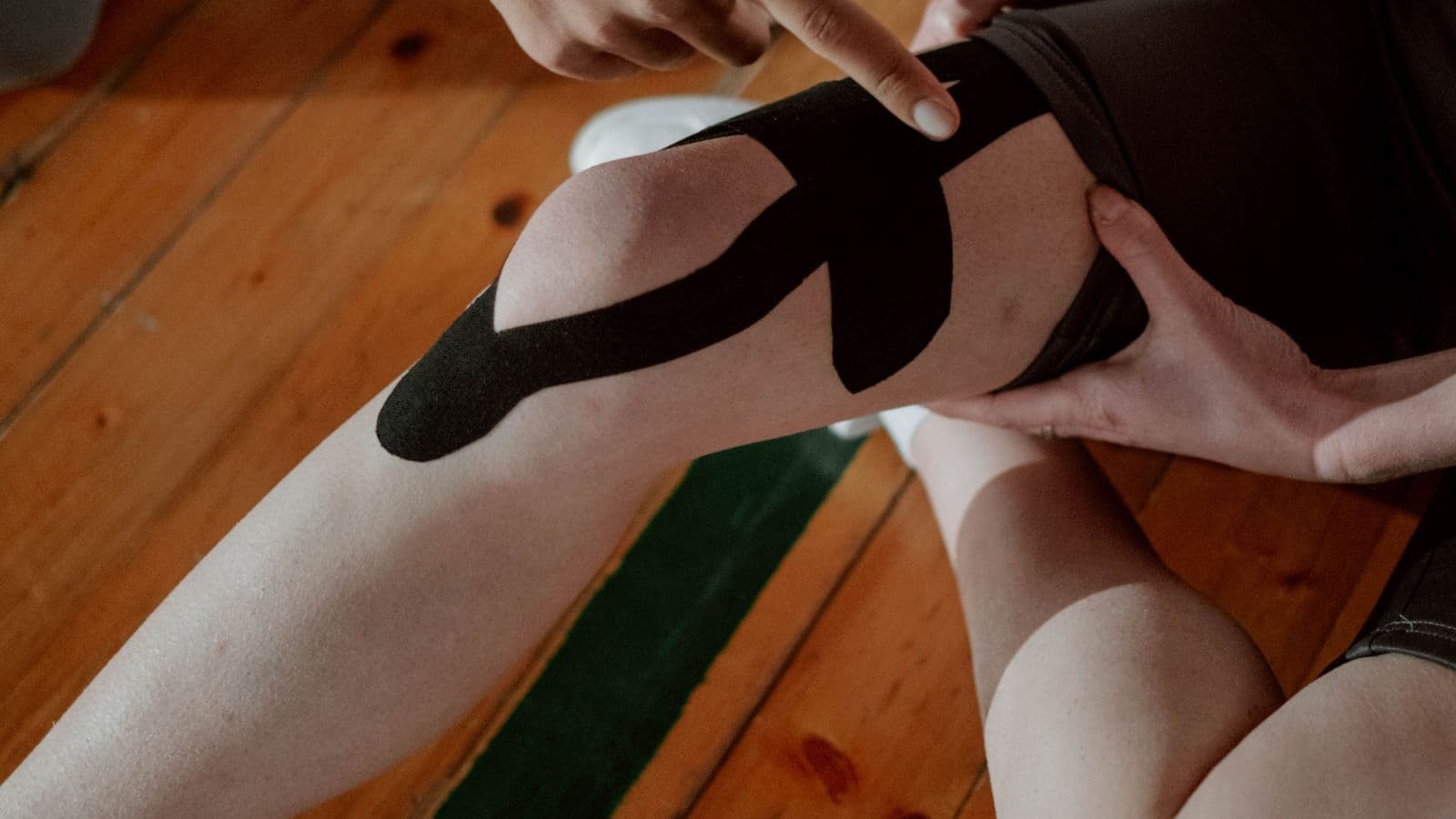


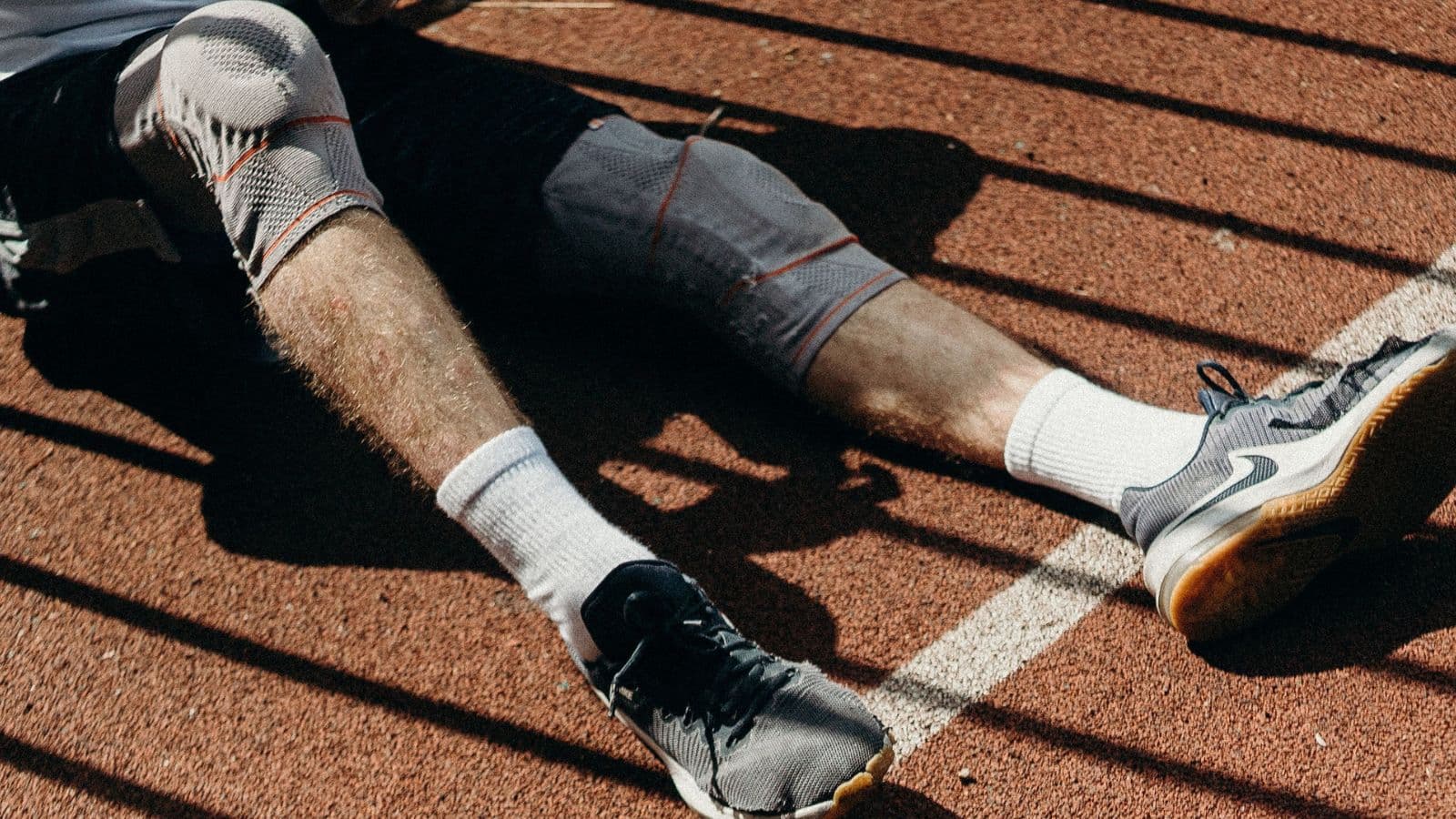
Running injuries are common among triathletes, with knee pain being one of the most frequent complaints. While factors such as training load, strength, recovery, and footwear all influence injury risk, running cadence has become an increasingly important topic in sports science. Cadence refers to the number of steps you take per minute while running. A small increase in cadence, often around 5 to 10% above your natural rate, may reduce the forces placed on the knees without significantly changing running speed. Although increasing cadence is not a cure for every injury, it can be an effective strategy for some triathletes looking to improve running efficiency and reduce stress on the knee joint.
What Is Running Cadence?
Cadence is simply the number of steps you take each minute while running.
It naturally varies depending on:
- Running speed
- Height
- Leg length
- Experience
- Terrain
Rather than aiming for one “perfect” cadence, the goal is finding a stride that promotes efficient movement. Athletes who understand how many run workouts do triathletes need each week know that running quality often matters more than simply increasing training volume.
Higher Cadence Can Reduce Overstriding
One of the main benefits of increasing cadence is reducing overstriding. Overstriding occurs when the foot lands too far in front of the body’s centre of mass.
This often increases:
- Braking forces
- Knee loading
- Impact stress
Taking slightly quicker, shorter steps can help bring the foot closer beneath the body.
It May Reduce Knee Joint Loading
Research has shown that modest increases in cadence can reduce stress on structures around the knee by decreasing impact forces and altering running mechanics.
This may be particularly helpful for athletes experiencing:
- Patellofemoral pain
- Mild overuse symptoms
- Repetitive knee discomfort
Cadence changes should be gradual and individualized.
Shorter Steps Improve Efficiency
Increasing cadence usually shortens stride length slightly.
Benefits may include:
- Smoother running
- Less braking
- Better rhythm
- Improved control
Athletes often find they waste less energy with more efficient stride mechanics.
Better Alignment During Landing
When cadence increases appropriately, runners often land with:
- Better posture
- Improved leg alignment
- Reduced forward reach
Athletes who understand how does hip extension affect speed and efficiency in triathlon running know that efficient mechanics involve the entire body rather than one joint alone.
Lower Impact Per Step
Although total step count increases, each individual foot strike often produces slightly lower impact forces. Instead of taking fewer large steps, runners distribute the workload across more controlled movements. This may reduce repetitive stress on the knees during long runs.
Cadence Encourages Better Posture
A quicker turnover often promotes:
- Upright posture
- Relaxed arm swing
- Better balance
These changes can improve overall running mechanics while reducing unnecessary movement.
It Can Improve Running After Cycling
Many triathletes naturally overstride during the early stages of the run after leaving T2.
Maintaining an appropriate cadence helps runners:
- Find rhythm quickly
- Reduce heavy foot strikes
- Improve efficiency
Athletes who understand how do elite triathletes run fast after cycling know that smooth transitions often begin with efficient running mechanics.
Cadence Is Only One Piece of the Puzzle
While cadence can help, it should not be viewed as a complete injury-prevention solution.
Other important factors include:
- Strength training
- Recovery
- Mobility
- Training load
- Running technique
Improving one area while neglecting others is unlikely to produce lasting results.
Increase Cadence Gradually
Suddenly changing your running style can create new problems.
Instead:
- Increase cadence by small amounts
- Practice during short runs
- Allow your body to adapt
Gradual changes are generally more sustainable.
Strength Supports Better Mechanics
Good cadence works best alongside strong muscles.
Strengthening the:
- Glutes
- Core
- Calves
- Hamstrings
helps runners maintain efficient movement patterns throughout longer sessions. Athletes who understand how can triathletes manage tendonitis without derailing training know that improving tissue capacity is just as important as improving running mechanics.
Don’t Chase an Arbitrary Number
Many runners have heard that 180 steps per minute is ideal. In reality, cadence should be individualized.
Factors such as:
- Height
- Pace
- Experience
- Running style
all influence what feels natural and efficient.
Practice During Easy Runs
Easy aerobic runs provide an excellent opportunity to experiment with cadence.
Focus on:
- Relaxation
- Smooth turnover
- Comfortable rhythm
Avoid forcing major changes during races or high-intensity workouts.
Use Technology as a Guide
Many watches now display cadence. This information can be useful, but it shouldn’t become an obsession. Athletes who understand what are the benefits of running without GPS data know that learning to run by feel remains an important skill.
Monitor How Your Body Responds
Pay attention to:
- Knee discomfort
- Muscle soreness
- Running economy
- Overall comfort
Positive changes often develop over several weeks rather than immediately.
Running Consistently Matters Most
No biomechanical adjustment can replace consistent, sensible training. Athletes who understand how can triathletes reduce triathlon fatigue and run stronger know that long-term improvement depends on balancing training, recovery, and technique. Cadence is simply one tool within that larger process.
Seek Professional Advice for Persistent Pain
If knee pain continues despite modifying cadence and training load, seek assessment from a qualified healthcare professional.
Persistent pain may require:
- Running gait analysis
- Strength assessment
- Individual rehabilitation
Self-adjustments are helpful, but professional guidance is important when symptoms persist.
Common Cadence Mistakes
Many triathletes:
- Overstride excessively
- Increase cadence too quickly
- Chase arbitrary cadence targets
- Ignore strength training
- Focus only on footwear
- Change technique before races
- Neglect recovery
- Expect immediate improvements
Avoiding these mistakes allows cadence adjustments to be introduced more safely.
How to Use Cadence to Protect Your Knees?
Triathletes can benefit by:
- Increasing cadence gradually
- Reducing overstriding
- Improving posture
- Taking shorter, smoother steps
- Strengthening supporting muscles
- Monitoring knee comfort
- Practicing during easy runs
- Combining cadence changes with sensible training
Increasing running cadence is not a guaranteed solution for knee injuries, but for many triathletes it can reduce unnecessary stress on the knees while improving running efficiency. Combined with good strength, appropriate recovery, and sensible training progression, a small adjustment in cadence may help athletes stay healthier and run more comfortably throughout the season.