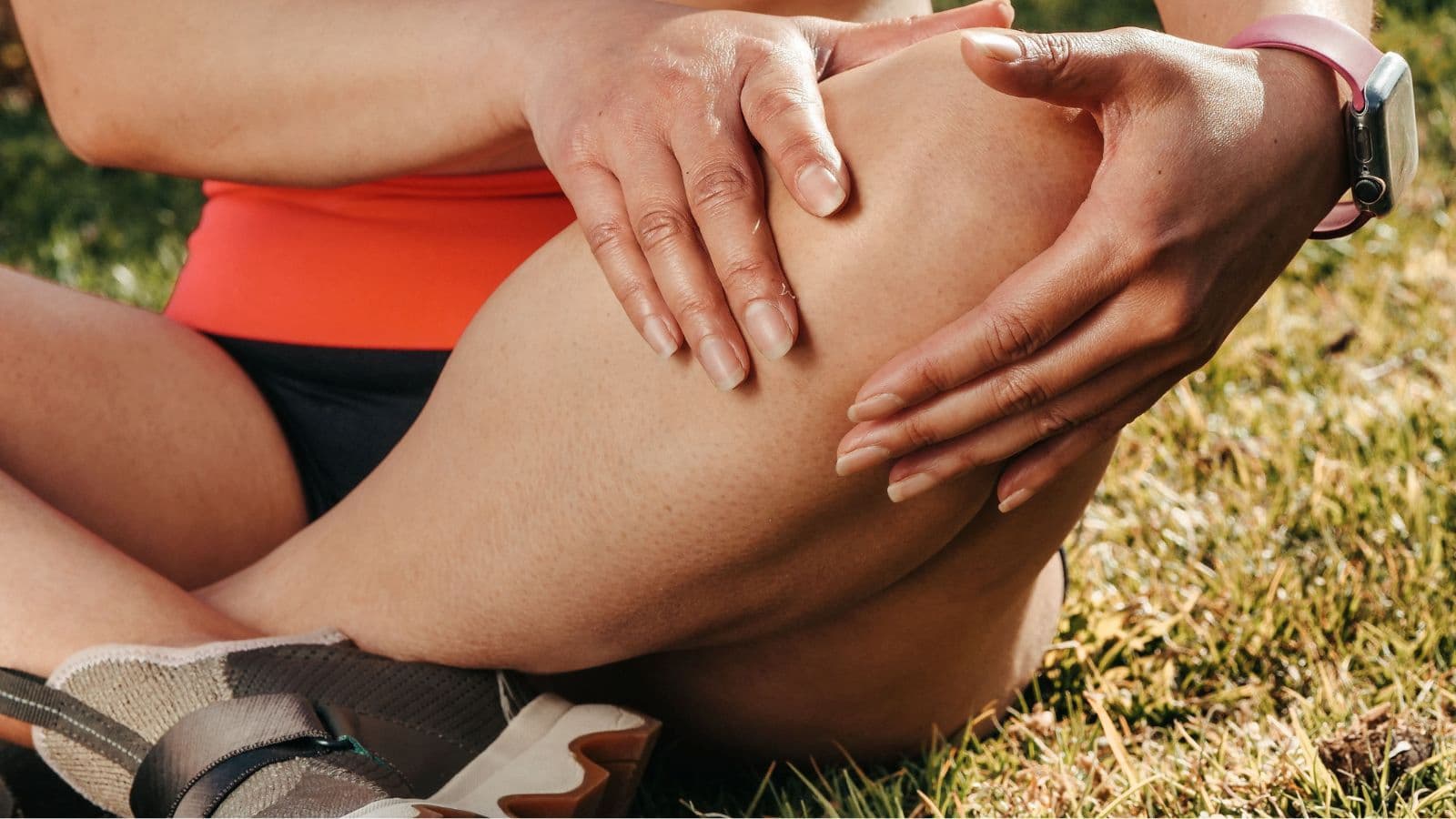


Tendonitis is one of the most common overuse injuries in triathlon. Whether it affects the Achilles tendon, patellar tendon, hamstring, shoulder, or elbow, persistent tendon pain can quickly disrupt training if not managed properly. Many triathletes make one of two mistakes: they either ignore the pain and continue training until it becomes severe, or they stop exercising completely out of fear of making it worse. In reality, successful tendon management often lies somewhere between these two extremes. With early recognition, sensible training adjustments, and appropriate rehabilitation, many triathletes can continue making progress while allowing the tendon to recover.
Understand What Tendonitis Really Means
The term “tendonitis” is commonly used to describe tendon pain, although many long-lasting tendon problems involve degeneration rather than active inflammation. Regardless of terminology, tendon pain usually develops because the tendon has been exposed to more stress than it can currently tolerate.
Common areas include:
- Achilles tendon
- Patellar tendon
- Hamstring tendon
- Rotator cuff
- Elbow tendons
Recognizing symptoms early gives athletes the best opportunity to manage the problem before it worsens.
Don’t Ignore Early Warning Signs
Many triathletes continue training despite:
- Morning stiffness
- Mild pain
- Local tenderness
- Reduced movement quality
Ignoring these early symptoms often leads to:
- Increased pain
- Longer recovery
- Greater training disruption
Addressing tendon discomfort early is usually easier than treating a chronic problem.
Modify Training, Don’t Automatically Stop
Complete rest is not always the best solution.
Instead, consider modifying:
- Training volume
- Intensity
- Frequency
- Exercise selection
Athletes who understand what does modern recovery look like for triathletes know that adjusting training intelligently often supports better long-term outcomes than either pushing through pain or stopping completely.
Reduce the Activities That Aggravate Symptoms
Identify which sessions increase tendon pain.
For example:
- Fast running
- Hill repeats
- Heavy climbing
- Sprint efforts
Temporarily reducing these workouts may allow the tendon to settle while maintaining other aspects of fitness.
Continue Training What You Can
One advantage of triathlon is having three disciplines.
If running aggravates an Achilles tendon, it may still be possible to:
- Swim comfortably
- Cycle with modifications
- Strength train appropriately
Athletes who understand how many run workouts do triathletes need each week know that temporary adjustments are often preferable to abandoning training altogether.
Prioritize Strength Rehabilitation
One of the most effective long-term strategies for many tendon problems is progressive strength training.
Exercises should be:
- Gradual
- Controlled
- Progressive
Rehabilitation should be guided by an appropriately qualified healthcare professional when possible. Strength helps improve the tendon’s ability to tolerate future training loads.
Manage Training Load Carefully
Large increases in training volume are a common contributor to tendon pain.
Athletes should avoid:
- Sudden mileage jumps
- Back-to-back hard sessions
- Rapid intensity increases
Athletes who understand how can triathletes reduce triathlon fatigue and run stronger know that managing workload consistently is often more effective than relying on occasional recovery periods.
Recovery Supports Tendon Health
Recovery plays a major role in tissue adaptation.
Prioritize:
- Sleep
- Nutrition
- Hydration
- Recovery days
Healthy recovery habits create an environment that supports healing.
Don’t Chase Pain-Free Every Minute
Some tendon rehabilitation programs allow carefully monitored exercise despite mild discomfort.
Pain that:
- Remains manageable
- Does not worsen significantly
- Settles afterward
may be acceptable depending on the condition and professional advice.
Persistent or worsening pain should always be reassessed.
Swimming Can Help Maintain Fitness
Swimming often places relatively low impact on the lower limbs. Depending on the affected tendon, swim training may provide an opportunity to maintain aerobic fitness while reducing impact. Athletes who understand why is a level body position important for triathlon swimming know that efficient technique can also reduce unnecessary stress throughout the body.
Review Technique
Poor movement mechanics may increase tendon loading.
Depending on the discipline, consider reviewing:
- Running form
- Bike fit
- Swim technique
Small technical improvements sometimes reduce unnecessary stress on irritated tissues.
Nutrition Supports Recovery
Tendons require time and appropriate nutrition to adapt.
Maintaining adequate intake of:
- Protein
- Carbohydrates
- Overall energy
supports recovery alongside rehabilitation. Athletes who understand why are carbs important for recovery after a triathlon know that consistent fueling supports recovery from both training and injury.
Don’t Rush Back Too Quickly
As symptoms improve, training should increase gradually.
Avoid immediately returning to:
- Peak mileage
- Maximum intensity
- Consecutive hard sessions
Patience often prevents setbacks.
Strengthen Supporting Muscles
Tendons rarely work alone.
Improving strength throughout the:
- Hips
- Glutes
- Core
- Calves
- Shoulders
may improve movement quality and reduce excessive tendon loading.
Listen to Trends, Not Single Sessions
One slightly sore workout doesn’t necessarily indicate failure.
Instead, monitor:
- Weekly pain trends
- Morning stiffness
- Functional improvement
Gradual progress matters more than daily fluctuations.
Don’t Compare Recovery to Others
Every tendon injury is different.
Recovery depends on:
- Injury severity
- Tendon involved
- Training history
- Individual healing
Athletes who understand how should older triathletes stay motivated and train with intensity know that patience often becomes increasingly important during recovery.
Mental Flexibility Matters
Temporary training modifications can be frustrating. However, maintaining perspective helps athletes remain consistent over the long term. Athletes who understand how can triathletes cope with a loss of identity after race season know that adapting to temporary setbacks is part of becoming a resilient endurance athlete.
Know When to Seek Professional Help
Seek assessment if:
- Pain persists
- Symptoms worsen
- Daily activities become painful
- Performance declines significantly
Early guidance from a sports medicine professional or physiotherapist may shorten recovery and reduce the risk of chronic problems.
Common Mistakes
Many triathletes:
- Ignore tendon pain
- Increase training despite symptoms
- Rest completely for long periods
- Skip rehabilitation exercises
- Return too quickly
- Focus only on pain relief
- Neglect strength training
- Expect immediate recovery
Avoiding these mistakes often leads to a smoother return to training.
Managing Tendonitis While Continuing to Train
Triathletes can often continue progressing by:
- Modifying aggravating workouts
- Maintaining tolerated activities
- Following a structured rehabilitation program
- Managing training load
- Prioritizing recovery
- Building strength progressively
- Monitoring symptoms carefully
- Returning gradually to full training
Tendonitis doesn’t automatically mean the end of a training season. With early intervention, sensible load management, and consistent rehabilitation, many triathletes can continue developing fitness while giving the tendon the opportunity to recover. The goal isn’t simply eliminating pain, it’s restoring the tendon’s capacity so it can tolerate future training successfully.