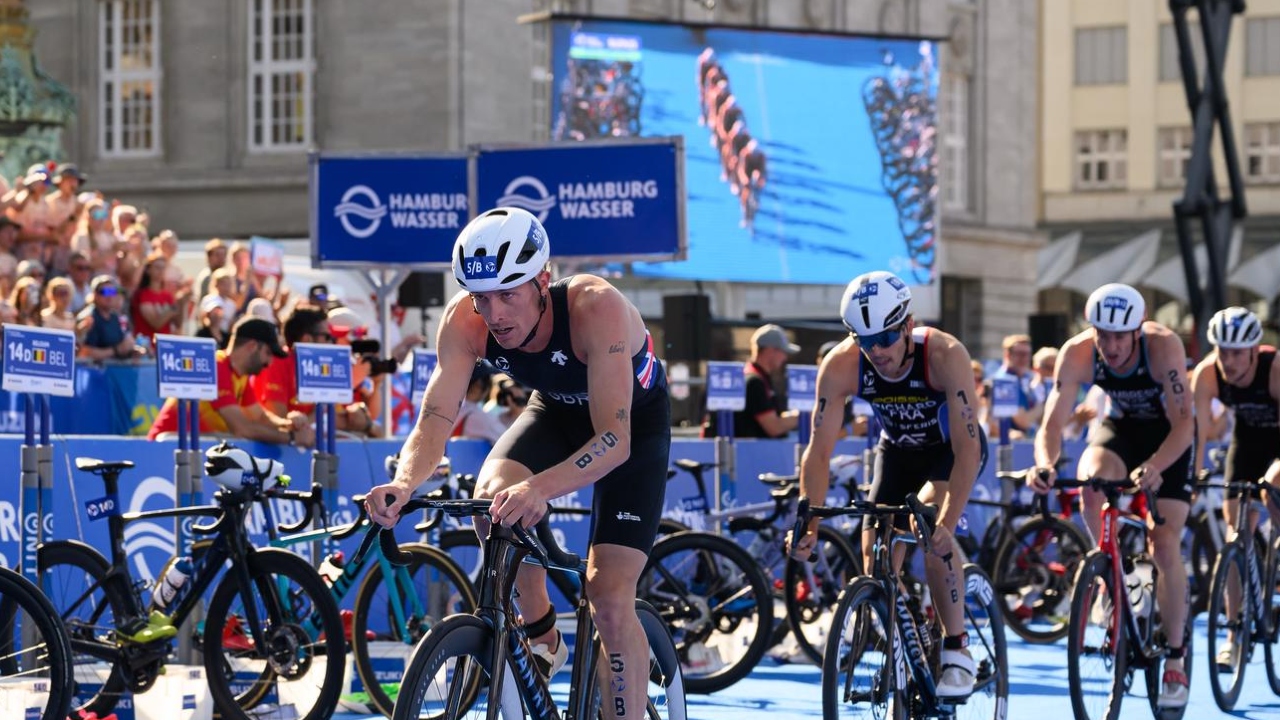


A strong aerobic base is the foundation of successful triathlon cycling. It allows you to sustain a controlled effort for longer, use energy efficiently and arrive at T2 with enough strength left to run well. This becomes increasingly important as race distance increases from sprint and Olympic events to 70.3 and Ironman racing. Building an aerobic base doesn’t require constant high intensity training. Most of the development comes from consistent, controlled cycling performed at an effort you can sustain comfortably. Long rides, Zone 2 sessions and gradual increases in volume strengthen your endurance without creating the fatigue associated with frequent hard workouts.
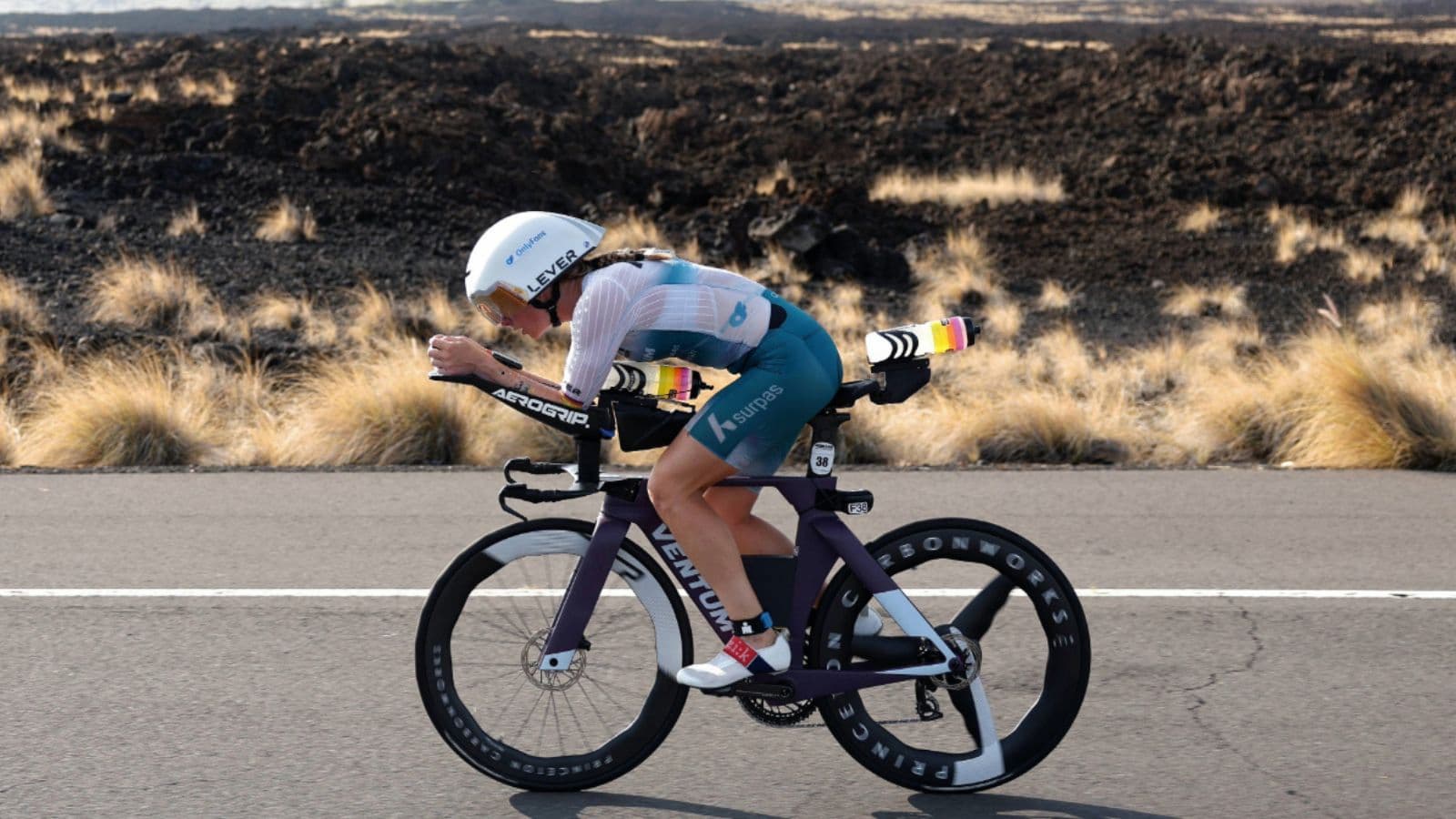
The goal isn’t simply to ride more. It’s to build the durability required to ride efficiently and still perform well during the final discipline.
In Short
- Keep most base rides aerobic.
- Build cycling volume gradually.
- Include one longer ride regularly.
- Avoid making every ride hard.
- Maintain a sustainable cadence.
- Fuel longer sessions properly.
What Is an Aerobic Base in Cycling?
Your aerobic system uses oxygen to produce energy during sustained exercise.
Developing it improves your ability to:
- Ride longer.
- Maintain steady power.
- Recover between harder efforts.
- Use fuel efficiently.
- Resist fatigue.
For triathletes, there’s another important benefit: better cycling endurance can leave more energy available for the run.
Spend Plenty of Time at an Easy Aerobic Effort
Most base training should feel controlled rather than exhausting.
You should generally be able to:
- Maintain steady breathing.
- Speak in short conversations.
- Keep your effort consistent.
- Finish without feeling completely depleted.
Understanding what is zone 2 cycling in a triathlon can help you establish an appropriate intensity for these endurance-building sessions.
Build Volume Gradually
Aerobic fitness responds well to increased training volume, but adding too much too quickly can create excessive fatigue.
Instead of suddenly doubling your riding, gradually increase:
- Weekly cycling time.
- Long-ride duration.
- Number of aerobic sessions.
- Total training load.
Remember that cycling is only one part of your program. Your body also needs to absorb swimming and running. Following how to build a weekly triathlon plan helps distribute that workload more effectively across the week.
Make Long Rides a Regular Part of Training
Long rides are one of the most useful tools for developing aerobic durability. They teach your body to remain efficient as the hours accumulate. Depending on your experience and race distance, gradually extend your long ride while keeping most of it controlled.
Long rides can improve:
- Aerobic endurance.
- Muscular durability.
- Fuelling habits.
- Pacing discipline.
- Comfort on the bike.
Don’t Turn Long Rides Into Races
One common mistake is beginning every long ride comfortably and finishing it as a competition with training partners. Occasional harder sections can be useful, but repeatedly riding above the intended intensity can increase fatigue and reduce the quality of subsequent swim and run sessions. Your base period should build a foundation rather than test your fitness every weekend.
Understand the Role of High-Intensity Training
Aerobic base training doesn’t mean you can never ride hard.
Higher-intensity sessions can improve:
- VO2 max.
- Threshold power.
- Race-specific fitness.
- Ability to respond to changes in terrain.
However, these sessions should complement your aerobic training rather than replace it. Learning what is the difference between zone 2 and high intensity cycling in a triathlon helps you understand why both have a place in a balanced program.
Build Frequency Before Huge Individual Rides
For many athletes, several manageable cycling sessions are easier to recover from than relying on one enormous weekend ride.
For example, a training week might contain:
- One easy aerobic ride.
- One structured cycling session.
- One longer endurance ride.
More experienced athletes may add another session depending on their total swim, bike and run workload. Consistency across many weeks matters more than completing one impressive ride.
Develop a Sustainable Cadence
Cadence affects how cycling stress is distributed between your cardiovascular system and your muscles. Extremely heavy gearing can create unnecessary muscular fatigue, particularly during long rides. Instead, practice pedaling smoothly at a cadence that feels sustainable. Understanding what is the ideal cadence for long distance cycling can help you develop an efficient rhythm for endurance riding.
Improve Your Cycling Efficiency
Aerobic fitness isn’t the only factor determining how long you can ride comfortably.
Technique also matters.
Focus on:
- Relaxed upper body.
- Smooth pedalling.
- Stable positioning.
- Controlled cadence.
- Efficient gear selection.
Becoming more economical means you can produce useful speed without wasting unnecessary energy. Developing how to become a more efficient cyclist can therefore complement your aerobic training.
Practise Riding Steadily
Triathlon cycling generally rewards controlled power delivery rather than repeated surges.
During endurance rides, practise:
- Keeping effort steady.
- Avoiding unnecessary accelerations.
- Controlling climbs.
- Using gears early.
- Maintaining momentum.
This becomes especially valuable during longer races where repeatedly exceeding your sustainable effort can damage your run.
Fuel Longer Aerobic Rides
An aerobic ride shouldn’t become an accidental fasting competition. As duration increases, practice consuming carbohydrates and fluids while riding.
Long sessions provide an opportunity to learn:
- Which foods work.
- How frequently to eat.
- How much fluid you tolerate.
- How your stomach responds during exercise.
Using what to eat during long rides in a triathlon can help you support longer sessions without running unnecessarily low on energy.
Hydration Matters Too
Even an easy ride can become significantly harder when you’re dehydrated.
Fluid requirements vary according to:
- Temperature.
- Humidity.
- Sweat rate.
- Ride duration.
- Individual needs.
Instead of waiting until you’re extremely thirsty, develop a repeatable hydration strategy during training. How much should you drink per hour on the bike can help guide your approach while you learn what works for your own conditions and sweat rate.
Indoor Cycling Can Build an Aerobic Base
You don’t need perfect outdoor conditions to develop endurance.
Indoor cycling is useful because it allows you to control:
- Intensity.
- Duration.
- Cadence.
- Power.
- Environment.
The challenge is that indoor riding can feel mentally harder because there are fewer natural breaks. Use fans, hydration and realistic session durations to keep indoor aerobic workouts sustainable.
Progress Your Training Before Adding More Intensity
When an aerobic ride becomes comfortable, progression doesn’t automatically mean riding harder.
You can progress by:
- Adding 10–20 minutes.
- Increasing weekly frequency.
- Extending your long ride.
- Reducing unnecessary stops.
- Improving consistency.
Only add training stress when you’re recovering well from your current workload.
Don’t Forget the Run
Triathlon cycling fitness should always be judged partly by what happens afterwards. A great bike workout that repeatedly destroys your running may not be serving your overall race goals. Base cycling should gradually help you reach the point where moderate rides no longer leave your legs excessively fatigued. Developing how to avoid dead legs after the bike can help you translate stronger cycling fitness into better overall triathlon performance.
Recovery Builds the Fitness
Training provides the stimulus, but adaptation occurs when you recover.
Pay attention to:
- Sleep.
- Nutrition.
- Easy days.
- General fatigue.
- Performance trends.
If your easy rides continually feel harder, adding more volume probably isn’t the answer.
Common Mistakes
- Riding every session hard.
- Increasing volume too quickly.
- Skipping long aerobic rides.
- Chasing speed during Zone 2 sessions.
- Using excessively heavy gears.
- Under-fuelling long rides.
- Ignoring accumulated run fatigue.
- Adding volume without adequate recovery.
Practical Tips
- Keep aerobic rides controlled.
- Increase weekly volume gradually.
- Include a regular long ride.
- Practise steady pacing.
- Develop a comfortable cadence.
- Fuel longer sessions.
- Monitor total triathlon fatigue.
- Train consistently across many weeks.
Actionable Takeaways
Building an aerobic base for triathlon cycling is mostly about accumulating sustainable training without creating unnecessary fatigue. Controlled aerobic rides, progressive volume and regular long sessions improve your ability to maintain steady power over increasingly longer periods.
Don’t rush towards harder workouts simply because easy cycling feels less impressive. A strong aerobic foundation supports future threshold and race-specific training while helping you reach T2 with enough energy to run effectively.