

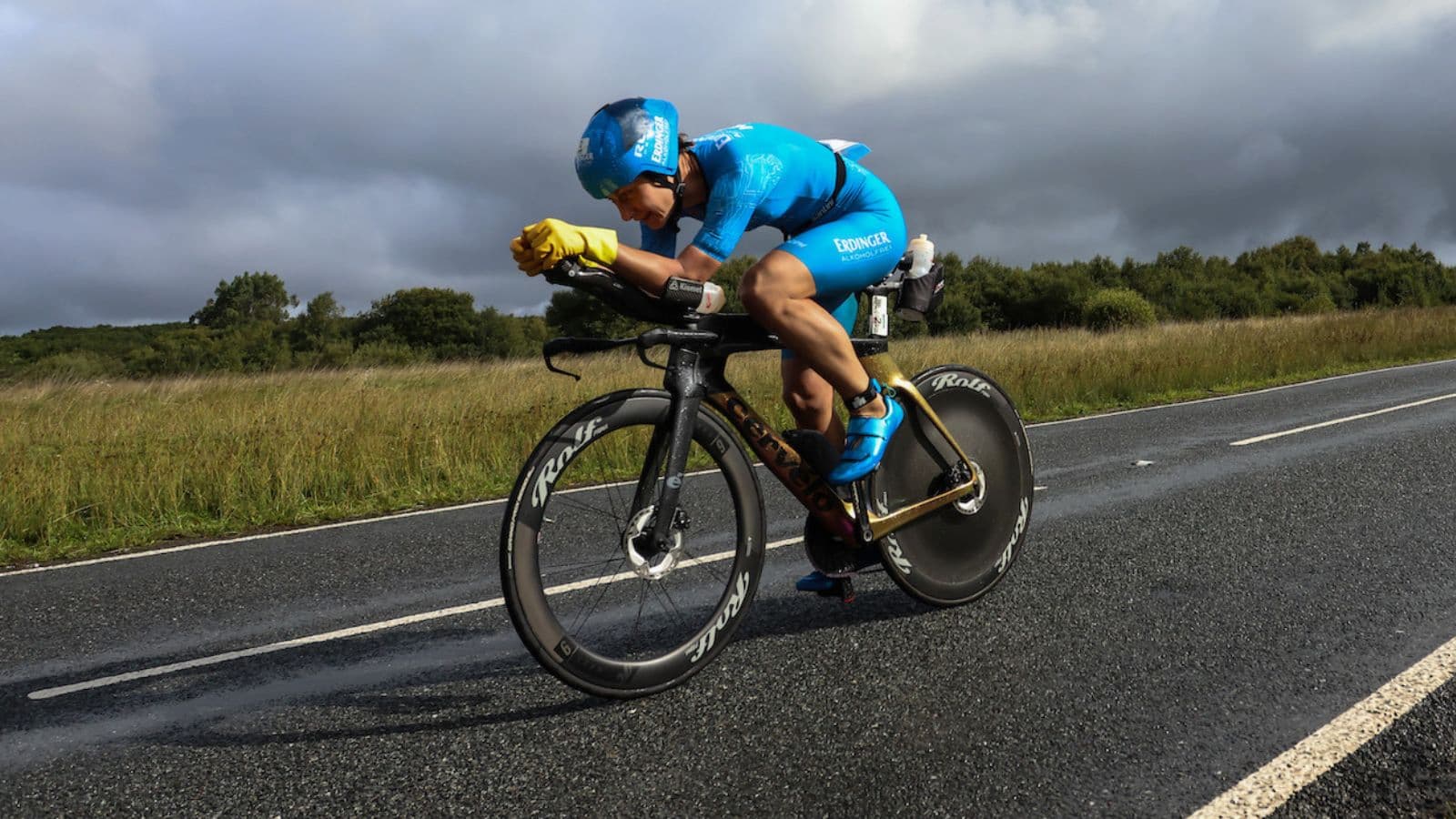
Increasing cycling volume can improve endurance, aerobic fitness, and bike leg performance in triathlon. However, adding too much training too quickly can increase fatigue, cause overuse problems, and affect running performance. Cycling is a relatively low impact activity, but repetitive pedaling still places stress on the knees, hips, back, and surrounding muscles. Poor bike fit, inadequate recovery, and sudden increases in training duration can contribute to discomfort. Many triathletes focus on cycling mileage without considering their swimming and running workloads. Since all three disciplines contribute to overall fatigue, increasing bike volume requires a balanced approach. The safest strategy is to increase training gradually, monitor recovery, and maintain consistent riding habits. Although no training method can eliminate injury risk, sensible progression can help reduce avoidable problems.
In Short
- Increase cycling duration gradually.
- Track weekly riding hours rather than mileage alone.
- Keep most rides at comfortable intensities.
- Avoid increasing volume and intensity simultaneously.
- Maintain a comfortable bike fit.
- Include recovery days.
- Monitor knee, hip, and back discomfort.
- Balance cycling with swimming and running.
Build Cycling Volume Gradually
Sudden increases in training volume can overload muscles and connective tissues. Rather than adding several long rides immediately, increase weekly riding time in manageable steps.
For example:
| Week | Cycling volume |
|---|---|
| Week 1 | 4 hours |
| Week 2 | 4.5 hours |
| Week 3 | 5 hours |
| Week 4 | 3.5–4 hours |
This is an illustrative progression, not a universal rule. The appropriate increase depends on training history, recovery, and current fitness. Understanding how to reduce injury risk when increasing triathlon volume can help athletes recognize why gradual progression matters across all three disciplines.
Prioritize Easy Cycling
Most additional cycling volume should come from manageable aerobic riding rather than repeated hard workouts. Easy rides help athletes accumulate training time without creating the same immediate fatigue as high intensity sessions.
Useful strategies include:
- Maintaining conversational effort.
- Using comfortable cycling gears.
- Avoiding unnecessary accelerations.
- Keeping recovery rides genuinely easy.
- Limiting demanding interval sessions.
Understanding what is zone 2 cycling in a triathlon can help athletes develop endurance while controlling training intensity.
Avoid Increasing Volume and Intensity Together
Adding longer rides while simultaneously increasing interval intensity can create excessive training stress. A better approach is to adjust one major training variable at a time.
For example:
- Increase endurance ride duration while maintaining workout intensity.
- Keep interval sessions consistent during higher volume weeks.
- Reduce total volume when introducing particularly demanding workouts.
- Schedule easier training after hard cycling sessions.
Understanding how should triathletes balance easy and hard training can help prevent unnecessary fatigue accumulation.
Maintain a Comfortable Bike Fit
Longer rides expose cyclists to repetitive movements for extended periods. A position that feels comfortable during a short ride may cause discomfort after several hours.
Check:
- Saddle height and position.
- Handlebar reach.
- Cleat alignment.
- Saddle comfort.
- Riding posture.
Understanding how do you adjust your bike for a better fit in a triathlon can help athletes identify potential positioning problems. Persistent discomfort may require assessment by a qualified bike fitter or healthcare professional.
Strength Training for Injury Prevention
Strength training can support muscular capacity and improve tolerance for cycling workloads.
Useful exercises include:
- Squats.
- Lunges.
- Glute bridges.
- Calf raises.
- Step-ups.
- Core stability exercises.
Start with manageable resistance and prioritize correct technique. Understanding what strength training should cyclists do to ride faster in a triathlon can help athletes combine strength development with cycling performance goals. One or two appropriately scheduled strength sessions weekly may be sufficient for many age group triathletes.
Balance Cycling With Running and Swimming
Increasing bike volume should not compromise the other disciplines. A demanding cycling session may leave athletes with heavy legs during their next run, increasing fatigue and affecting movement quality.
Practical adjustments include:
- Avoiding hard runs immediately after exhausting rides.
- Reducing running intensity during cycling volume increases.
- Scheduling recovery between demanding sessions.
- Monitoring total weekly training hours.
Understanding how to combine swim, bike and run training effectively can help triathletes distribute training stress more evenly.
Recognize Early Warning Signs
Persistent discomfort should not be ignored simply because cycling is low impact.
Warning signs include:
- Knee pain during pedaling.
- Persistent lower back discomfort.
- Unusual muscle soreness.
- Declining power at normal effort.
- Poor sleep.
- Excessive fatigue.
Understanding how to prevent your knees from hurting during long cycling can help athletes identify common causes of cycling discomfort.
Stop or reduce training when pain develops rather than repeatedly riding through worsening symptoms. Seek professional assessment for persistent or significant pain.
Fuel and Recover Properly
Higher cycling volume increases energy requirements. Insufficient fueling can impair recovery and make subsequent workouts more difficult.
Important habits include:
- Eating enough throughout the day.
- Consuming carbohydrates during longer rides.
- Including protein in recovery meals.
- Drinking according to conditions and individual needs.
- Prioritizing sleep.
Understanding what should triathletes eat for better training and recovery can help athletes support increasing training demands.
Build Consistency Instead of Chasing Mileage
Consistent training generally provides a more sustainable foundation than occasional excessive riding weeks. A manageable weekly routine allows athletes to adapt while maintaining swimming and running performance. Understanding why is consistency more important than intensity for triathlon cycling success can help athletes focus on long term improvement rather than short term mileage targets.
Common Mistakes
- Increasing mileage too quickly.
- Making every ride hard.
- Ignoring bike fit.
- Skipping recovery days.
- Training through persistent pain.
- Underfueling long rides.
- Neglecting running fatigue.
Practical Tips
- Track weekly riding time.
- Increase volume in manageable steps.
- Keep additional rides easy.
- Check bike fit regularly.
- Maintain strength training.
- Schedule recovery.
- Adjust training when fatigue increases.
Actionable Takeaways
- Increase cycling volume gradually.
- Prioritize easy endurance rides.
- Balance all three triathlon disciplines.
- Address discomfort early.
- Focus on sustainable consistency.