

Long rides are an essential part of triathlon training, but spending hours in the same riding position can lead to numb hands, sore wrists and saddle discomfort. These issues aren’t simply part of being a cyclist, they’re often signs that something in your bike setup, riding technique or training needs attention. While mild discomfort is normal during endurance rides, persistent numbness or pain shouldn’t be ignored. Small adjustments to your position, equipment and riding habits can dramatically improve comfort, allowing you to stay focused on performance instead of constantly shifting in the saddle. Whether you’re preparing for your first Olympic-distance triathlon or training for an Ironman, improving comfort on the bike helps you ride more efficiently and arrive at the run with fresher legs.
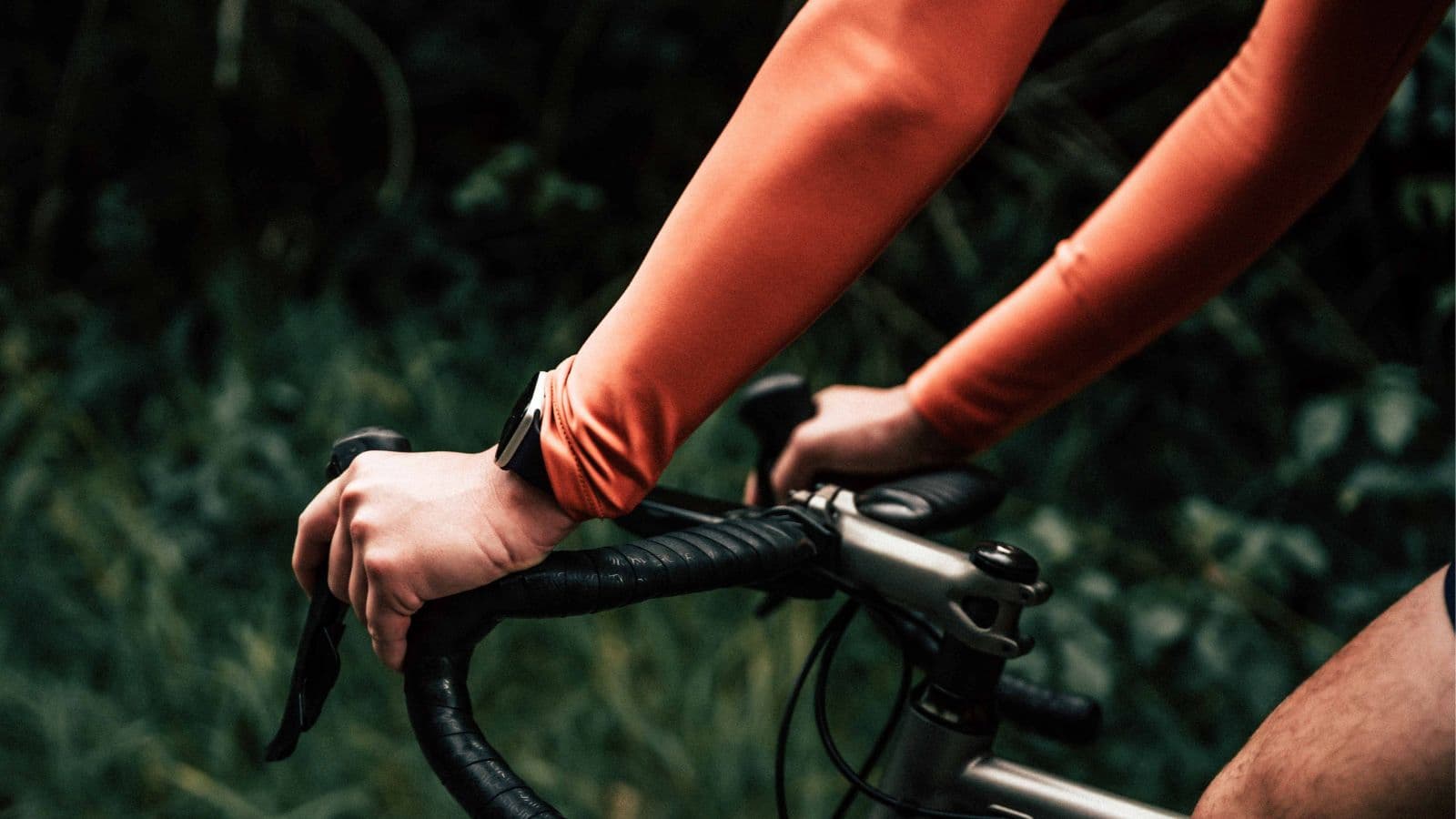
Why Hand Numbness Happens?
Your hands support part of your upper-body weight while riding. If too much pressure is placed through your palms, nerves and blood vessels can become compressed, leading to:
- Tingling.
- Numb fingers.
- Aching wrists.
- Weak grip.
- Shoulder tension.
The longer you remain in one position, the more noticeable these symptoms often become.
Saddle Discomfort Is Usually Multifactorial
A sore saddle area isn’t always caused by the saddle itself. It is important for triathletes to understand the aerobic endurance workouts that they should do to relieve the discomfort.
Contributing factors include:
- Poor bike fit.
- Incorrect saddle height.
- Saddle shape.
- Riding posture.
- Clothing.
- Time spent riding.
Addressing only one factor may provide temporary relief, but solving the underlying causes delivers better long-term comfort.
Start with a Professional Bike Fit
Bike fit is the single most effective way to improve long-ride comfort.
A qualified fitter can optimise:
- Saddle height.
- Saddle angle.
- Saddle fore-aft position.
- Handlebar reach.
- Handlebar height.
- Cleat alignment.
Even small adjustments can significantly reduce pressure on both your hands and saddle.
Choose the Right Saddle
No single saddle works for every cyclist.
The ideal saddle depends on:
- Your anatomy.
- Riding position.
- Flexibility.
- Triathlon bike geometry.
- Time spent in the aero position.
Rather than choosing the softest saddle available, look for one that supports your sit bones while reducing pressure on soft tissues.
Wear Quality Cycling Shorts
Good cycling shorts are just as important as the saddle itself.
Look for:
- High-quality chamois padding.
- Proper fit.
- Flat seams.
- Breathable fabrics.
Avoid wearing underwear beneath cycling shorts, as additional seams can increase friction and chafing.
Shift Your Position Frequently
Remaining completely still for hours increases pressure on the same contact points.
During longer rides:
- Stand briefly every 10–15 minutes.
- Change hand positions.
- Stretch your back.
- Roll your shoulders.
- Sit up occasionally.
These small movements improve circulation and reduce prolonged pressure.
Relax Your Upper Body
Many cyclists grip the handlebars far too tightly.
A relaxed upper body helps:
- Reduce wrist pressure.
- Improve steering.
- Lower shoulder tension.
- Prevent hand fatigue.
Try to:
- Bend your elbows slightly.
- Relax your shoulders.
- Hold the bars lightly.
- Support yourself through your core rather than your hands.
Improving overall riding posture also contributes to better efficiency. how to become a more efficient cyclist explains how small technique changes improve both comfort and performance.
Build Core Strength
A stronger core allows you to support more of your upper-body weight without relying on your arms.
Useful exercises include:
- Planks.
- Side planks.
- Bird dogs.
- Dead bugs.
- Pallof presses.
Better core stability improves posture while reducing pressure through both the hands and saddle. For additional strength work, what strength training should cyclists do to ride faster in a triathlon outlines exercises that enhance both power and stability.
Check Your Handlebar Reach
If your handlebars are too far away, you’ll naturally place more weight on your hands.
Excessive reach often causes:
- Numb fingers.
- Sore shoulders.
- Neck tension.
- Lower back discomfort.
A professional bike fit can determine whether shortening your reach improves comfort.
Don’t Ignore Cleat Position
Foot position affects the entire kinetic chain.
Poor cleat alignment may contribute to:
- Knee discomfort.
- Hip instability.
- Excessive movement on the saddle.
- Uneven pressure distribution.
If you’re also experiencing knee pain, how to prevent your knees from hurting during long cycling explains how bike fit and biomechanics work together to improve comfort.
Increase Ride Duration Gradually
Your body adapts to time spent in the saddle.
Increasing long rides too quickly often leads to:
- Saddle soreness.
- Hand discomfort.
- Neck fatigue.
- Lower back tightness.
Build endurance progressively by extending ride duration in manageable increments. If you’re increasing workload, how to increase cycling power without burning out explains how gradual progression reduces the risk of overuse problems.
Stay Comfortable in the Aero Position
Triathletes spend long periods on aerobars, which changes pressure distribution compared with a standard road bike.
To improve comfort:
- Keep shoulders relaxed.
- Maintain a neutral spine.
- Avoid excessive shrugging.
- Shift position periodically.
- Build tolerance gradually.
Remaining aerodynamic shouldn’t come at the expense of excessive discomfort.
Fuel and Hydrate Properly
Fatigue often leads to poor posture.
As energy levels fall, riders may:
- Collapse through the shoulders.
- Grip the handlebars harder.
- Lose core stability.
- Shift awkwardly on the saddle.
Proper fueling helps maintain good technique throughout long rides. For nutrition advice, how to fuel for a 2 hour cycling ride in a triathlon explains how maintaining energy supports both performance and comfort.
Recovery Helps Prevent Chronic Discomfort
Long rides create stress throughout your muscles and connective tissues.
Support recovery through:
- Stretching.
- Mobility work.
- Good sleep.
- Proper nutrition.
- Recovery rides.
Learning how to recover faster after a triathlon can also help reduce accumulated fatigue that contributes to poor riding posture.
Common Mistakes
- Choosing a saddle based only on softness.
- Gripping the handlebars too tightly.
- Ignoring bike fit.
- Increasing ride duration too quickly.
- Wearing poorly fitting cycling shorts.
- Remaining in one position for hours.
- Neglecting core strength.
- Continuing to ride through persistent numbness.
Practical Tips
- Get a professional bike fit.
- Stand briefly every 10–15 minutes.
- Relax your grip on the handlebars.
- Strengthen your core regularly.
- Wear quality cycling shorts.
- Adjust hand positions frequently.
- Build long rides gradually.
- Replace worn saddles and shorts when necessary.
Actionable Takeaways
Hand numbness and saddle discomfort are rarely unavoidable parts of cycling. In most cases, they’re caused by a combination of bike fit, riding posture, equipment choices and accumulated fatigue. Addressing these factors early allows you to enjoy longer, more productive training sessions with less discomfort.
The most effective solution is a combination of professional bike fitting, regular position changes, strong core stability and gradual adaptation to longer rides. Improving comfort doesn’t just make cycling more enjoyable, it also helps you conserve energy for the run and perform better on race day.