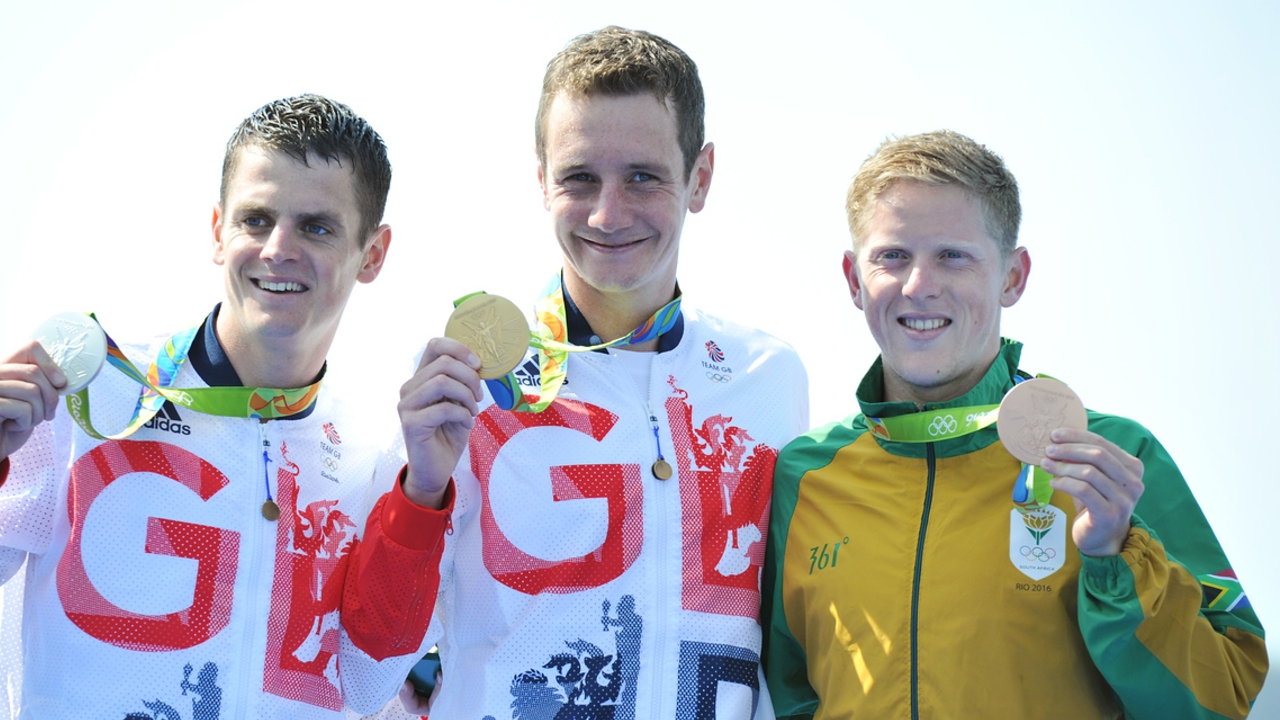


The most important running skills for triathletes include pacing, aerobic endurance, efficient running form, breathing control, running after cycling, and managing fatigue. Unlike standalone running races, triathlon running begins after swimming and cycling, making it essential to conserve energy and maintain efficient movement when the body is already tired. A strong standalone runner does not automatically become a strong triathlon runner. Cycling intensity, nutrition, hydration, and transition habits can significantly influence running performance. Athletes who start the final leg too aggressively may struggle to maintain their pace, even when they have good running fitness.

Developing triathlon running skills requires a combination of regular running, appropriate strength training, and workouts that simulate race conditions. These skills become increasingly important as race distances increase. For beginners and experienced triathletes, the goal is to run efficiently without wasting energy. Improving pacing judgment, endurance, technique, and mental focus can help athletes complete the run more comfortably and achieve stronger overall race performances.
In Short
- Pacing helps prevent early fatigue.
- Aerobic endurance supports sustained running.
- Efficient running form reduces unnecessary movement.
- Brick workouts develop bike-to-run confidence.
- Breathing control helps regulate effort.
- Strength supports running stability.
- Fueling becomes increasingly important in longer races.
- Mental focus helps athletes manage discomfort.
- Recovery supports consistent skill development.
Why Are Running Skills Different in Triathlon?
Triathlon running begins after two other endurance disciplines. The legs may feel heavy, breathing can remain elevated, and athletes may struggle to settle into their normal running rhythm. Understanding how can you reduce fatigue during the triathlon run leg can help athletes recognize why cycling effort and overall race preparation influence running performance. The most useful running skills therefore combine physical fitness with pacing judgment and fatigue management.
Develop Strong Pacing Skills
Pacing is the ability to regulate running speed and effort throughout the race. Starting too quickly after cycling can cause substantial fatigue later.
A practical pacing approach includes:
- Begin the run at a controlled effort.
- Allow breathing and stride rhythm to settle.
- Maintain a sustainable pace.
- Adjust effort for hills and weather.
- Increase speed near the finish if energy remains.
Understanding why is your starting pace important for long distance running can help triathletes avoid aggressive early pacing. The objective is to distribute effort effectively rather than achieve the fastest possible opening kilometer.
Build Aerobic Running Endurance
Aerobic endurance allows triathletes to sustain running over longer periods. It develops through regular comfortable running and gradual increases in training volume. Understanding how to build an aerobic base for running a triathlon can help athletes establish the fitness needed for sustained running after cycling.
Useful workouts include:
- Easy conversational runs.
- Gradually longer endurance sessions.
- Comfortable recovery runs.
- Selected steady efforts.
Training duration should reflect race distance and current fitness.
Improve Running Form and Efficiency
Efficient running form helps athletes avoid unnecessary energy expenditure. Good technique does not require every runner to use an identical stride. Instead, focus on relaxed, controlled movement. Understanding how to improve your triathlon running form can help athletes identify practical technique improvements.
Important habits include:
- Keeping shoulders relaxed.
- Maintaining a comfortable stride length.
- Avoiding excessive upper body tension.
- Allowing natural arm movement.
- Looking ahead rather than down continuously.
Avoid forcing major technique changes during races.
Learn to Run After Cycling
The transition from cycling to running creates unfamiliar sensations, particularly for beginners. The first few minutes may feel awkward as the body adjusts to a different movement pattern. Brick workouts help athletes practice this transition.
Example brick workout
- Cycle for 45 to 60 minutes at a comfortable effort.
- Transition into running shoes.
- Run easily for 10 to 15 minutes.
- Focus on controlled pacing and relaxed movement.
Understanding how can you bike smarter to improve your triathlon run can help athletes recognize why cycling intensity matters. Brick workouts should support adaptation without creating unnecessary fatigue.
Practice Breathing and Effort Control
Breathing becomes more demanding as running intensity increases. Triathletes should learn to recognize when breathing indicates that their effort is becoming unsustainable.
Useful habits include:
- Starting the run conservatively.
- Allowing breathing to settle naturally.
- Relaxing the shoulders and upper body.
- Adjusting pace when breathing becomes excessively strained.
Understanding what is zone 2 running in a triathlon can help athletes develop awareness of comfortable aerobic effort. There is no single breathing rhythm that works best for every runner.
Develop Strength and Running Stability
Strength supports the muscular demands of running, particularly when fatigue increases. Exercises targeting the hips, legs, calves, and trunk can help improve physical capacity. Understanding what strength routine should triathlete runners do to stay injury free can help athletes organize suitable strength sessions.
Useful exercises include:
- Squats.
- Step-ups.
- Lunges.
- Calf raises.
- Single leg balance exercises.
- Planks.
Begin with manageable resistance and progress gradually. Strength training may improve running economy, but it does not guarantee injury prevention.
Learn to Manage Fatigue
Fatigue management is one of the most important triathlon running skills. Athletes must recognize when to maintain effort and when to reduce intensity. Understanding how to become an efficient triathlon runner can help athletes develop strategies for conserving energy during the final discipline. Practice maintaining relaxed technique during controlled endurance sessions. However, avoid deliberately running through severe fatigue or pain. The goal is to improve sustainable performance, not tolerate unsafe symptoms.
Practice Fueling and Hydration
Nutrition becomes particularly important during middle distance and Ironman events. Inadequate carbohydrate intake can contribute to fatigue and reduced running performance. Understanding how to beat dehydration during an ironman triathlon can help athletes prepare for the hydration demands of prolonged racing.
Practice:
- Consuming familiar carbohydrates during longer workouts.
- Drinking according to conditions and individual needs.
- Testing nutrition during brick sessions.
- Avoiding unfamiliar products on race day.
Short sprint triathlons generally require less in-race fueling than longer events.
Build Mental Focus During the Run
Mental focus helps triathletes manage discomfort and maintain sensible decisions. Instead of concentrating on the entire remaining distance, focus on smaller sections.
Useful strategies include:
- Maintaining a controlled breathing rhythm.
- Checking posture periodically.
- Concentrating on the next aid station.
- Following the planned pacing strategy.
- Adjusting expectations when conditions change.
Understanding how can visualization help triathletes perform better can help athletes mentally rehearse challenging race situations. Mental strength should never mean ignoring serious physical warning signs.
Which Running Skills Matter Most at Different Distances?
| Triathlon distance | Main running priorities |
|---|---|
| Sprint | Controlled fast running and transition skills |
| Olympic | Sustained pacing and aerobic endurance |
| Ironman 70.3 | Endurance, fueling, and fatigue management |
| Ironman | Sustainable effort, nutrition, and mental focus |
All these skills remain relevant across distances.
However, their relative importance changes with race duration.
Example Weekly Running Skill Development
| Session | Main focus |
|---|---|
| Easy run | Aerobic endurance |
| Short technique practice | Relaxed running form |
| Controlled tempo run | Pacing and sustained effort |
| Brick workout | Bike-to-run adaptation |
| Strength session | Stability and muscular capacity |
This is an example rather than a mandatory weekly schedule.Athletes should adjust running frequency according to swimming, cycling, recovery, and experience.
Common Mistakes
- Starting the run too quickly.
- Ignoring fatigue from cycling.
- Running every workout hard.
- Neglecting brick sessions.
- Forcing an unnatural running stride.
- Skipping strength training.
- Practicing nutrition only on race day.
- Increasing mileage too quickly.
- Ignoring recovery.
Practical Tips
- Practice controlled pacing.
- Keep easy runs comfortable.
- Include occasional brick workouts.
- Focus on relaxed running form.
- Build endurance gradually.
- Develop lower body strength.
- Practice fueling during longer sessions.
- Monitor fatigue across all disciplines.
- Adjust effort to race conditions.
Actionable Takeaways
- Master pacing before chasing speed.
- Build consistent aerobic endurance.
- Practice running after cycling.
- Improve efficiency and stability.
- Manage fatigue and fueling carefully.