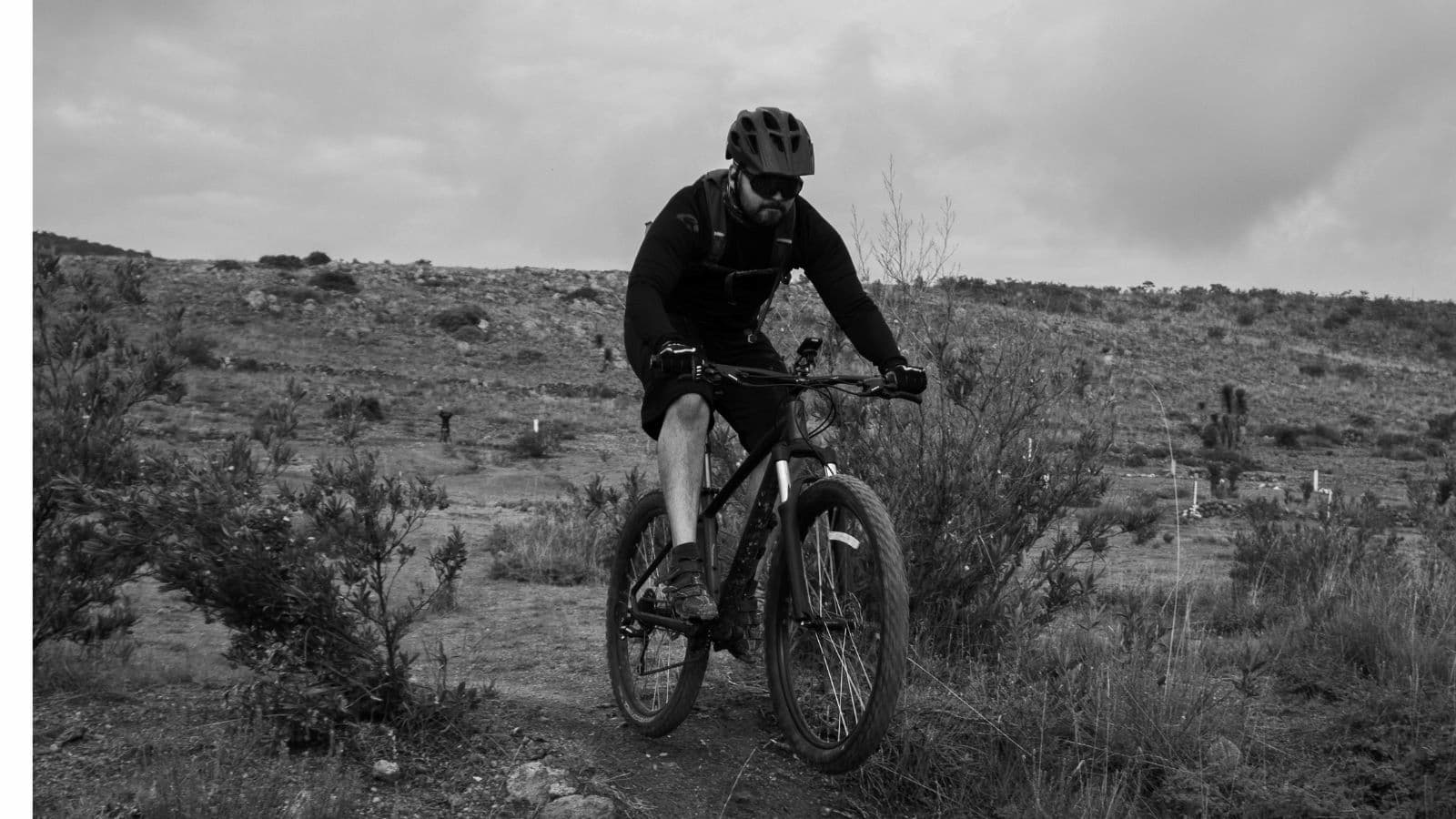


Most triathletes spend the majority of their cycling time on roads, focusing on power output, aerodynamics, pacing, and endurance. However, incorporating mountain biking into training can help athletes develop valuable bike-handling skills that often transfer directly to triathlon performance. Mountain biking challenges riders to react quickly, maintain balance, navigate obstacles, and control their bikes on constantly changing terrain. These skills can improve confidence, bike control, and overall cycling efficiency, making beginner triathletes more capable and adaptable athletes. While triathletes don’t need to become expert mountain bikers, learning a few key off-road skills can provide significant benefits.
Why Mountain Biking Helps Triathletes?
Road cycling and triathlon bikes often allow athletes to ride in predictable conditions.
Mountain biking introduces:
- Variable terrain
- Constant decision-making
- Technical challenges
- Dynamic bike handling
Athletes who understand how to increase cycling power without burning out know that exposure to challenging riding conditions often improves confidence and control on race day.
Balance Is the Foundation
One of the first mountain biking skills beginners should develop is balance.
Better balance helps riders:
- Navigate uneven terrain
- Ride more smoothly
- React to unexpected obstacles
Mountain biking forces athletes to become more aware of body position and bike movement. Improved balance often carries over to road cycling and triathlon riding.
Learn Proper Body Position
Mountain biking requires riders to move dynamically on the bike.
Key principles include:
- Relaxed arms
- Bent elbows
- Stable core
- Neutral riding position
Athletes who understand what are stack and reach in cycling bike fit know that body position influences comfort, control, and efficiency across all cycling disciplines.
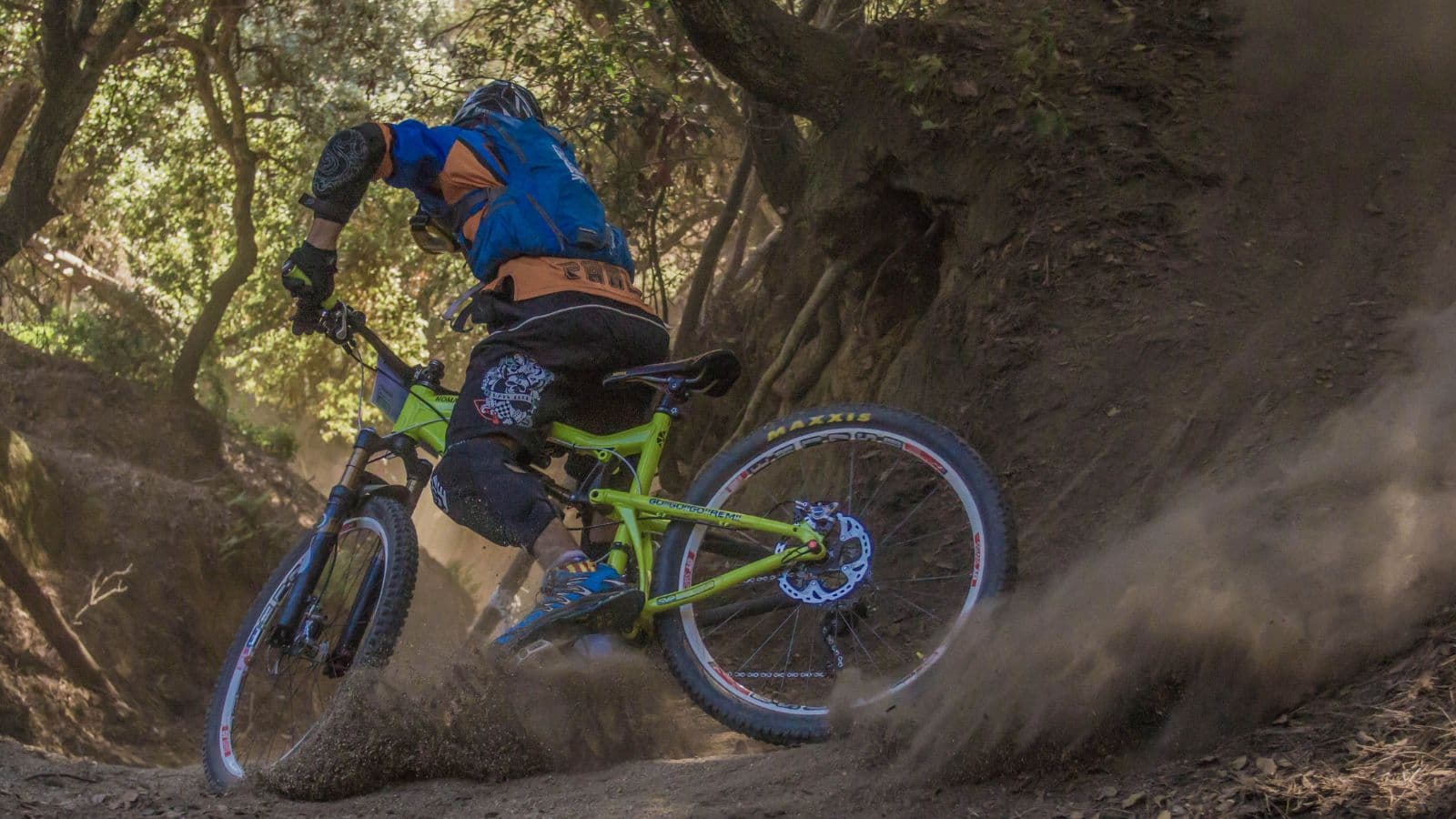
Cornering Skills Matter
Many triathletes rarely practice cornering deliberately.
Mountain biking encourages riders to learn:
- Line selection
- Corner entry speed
- Weight distribution
- Exit acceleration
Strong cornering skills can help athletes maintain momentum and confidence in races.
Braking Technique
Beginner riders often brake too hard or at the wrong time.
Mountain biking teaches:
- Controlled braking
- Front and rear brake balance
- Braking before corners
- Traction management
Developing these habits can improve safety and bike handling in all cycling environments.
Looking Ahead
One of the most valuable mountain biking lessons is learning where to focus your vision.
Instead of staring directly at obstacles, riders learn to:
- Scan ahead
- Anticipate terrain
- Plan lines early
Athletes who understand what cycling drills help triathletes improve bike technique know that vision plays a major role in smooth and efficient riding.
Riding Loose and Relaxed
Tension often makes bike handling worse.
Mountain biking encourages riders to:
- Relax their grip
- Stay loose through rough sections
- Allow the bike to move beneath them
This can improve comfort and confidence, especially during technical descents.
Weight Distribution
Proper weight distribution helps maintain traction and control.
Mountain bikers learn when to:
- Shift weight forward
- Move weight rearward
- Stay centered
These adjustments improve handling on climbs, descents, and corners.
Climbing Technical Terrain
Mountain biking teaches riders how to climb efficiently on surfaces that offer less traction.
Skills include:
- Smooth power application
- Maintaining momentum
- Selecting effective lines
Athletes who understand how do elite triathletes run fast after cycling know that efficient cycling often comes from conserving energy rather than constantly fighting the bike.
Descending With Confidence
Many triathletes are comfortable riding hard on flat roads but become cautious on descents.
Mountain biking helps riders develop:
- Confidence
- Speed control
- Terrain awareness
Improved descending skills can make cyclists faster and safer.
Bike Handling Under Pressure
Trails often require rapid decisions.
Riders must react to:
- Rocks
- Roots
- Tight turns
- Changing surfaces
This improves overall bike awareness and adaptability. Athletes who understand T1 dizziness know that adaptability is a valuable skill across all triathlon disciplines.
Learning Traction Management
Mountain biking constantly teaches riders how to manage available grip.
This includes:
- Cornering traction
- Braking traction
- Climbing traction
Understanding grip can improve confidence even on wet roads during triathlon training.
Gear Selection Skills
Technical terrain requires frequent gear changes.
Mountain biking helps athletes improve:
- Anticipation
- Cadence control
- Efficient shifting
These skills transfer well to hilly triathlon courses.
Confidence Around the Bike
Mountain biking often increases overall cycling confidence.
Athletes become more comfortable with:
- Handling challenges
- Solving problems
- Riding unfamiliar terrain
This confidence can improve race-day performance.
Developing Better Reactions
Trail riding requires quick responses.
Riders learn to:
- Adapt rapidly
- Correct mistakes
- Stay composed
Athletes who understand how can triathletes overcome the “dark place” during a race know that remaining calm under pressure often improves performance.
Improving Overall Athleticism
Mountain biking develops:
- Coordination
- Agility
- Balance
- Spatial awareness
These qualities are sometimes underdeveloped in athletes who only ride on smooth roads.
It Doesn’t Need to Be Extreme
Beginner triathletes don’t need:
- Large jumps
- Technical downhill trails
- Aggressive riding
Simple trail systems can provide plenty of opportunities to develop skills safely. The goal is skill development, not risk-taking.
Consistency Builds Competence
Like any skill, bike handling improves with practice. Athletes who understand morning workouts that improve running performance know that consistency often produces better results than occasional intense efforts. Short, regular mountain bike sessions can yield significant improvements over time.
Common Beginner Mistakes
Many triathletes:
- Look directly at obstacles
- Grip the handlebars too tightly
- Brake excessively in corners
- Stay overly rigid
- Avoid technical terrain entirely
- Neglect handling practice
- Focus only on fitness metrics
- Assume bike handling will improve automatically
Most of these habits can be corrected through deliberate practice.
How Beginner Triathletes Can Benefit From Mountain Biking?
Mountain biking can help triathletes:
- Improve balance
- Develop cornering skills
- Learn traction management
- Build confidence
- Improve braking technique
- Enhance bike control
- Increase adaptability
- Become more complete cyclists
While mountain biking may seem very different from triathlon cycling, the bike-handling skills it develops can make athletes safer, more confident, and more efficient riders. For beginner triathletes, learning these skills can provide benefits that extend far beyond the trail.