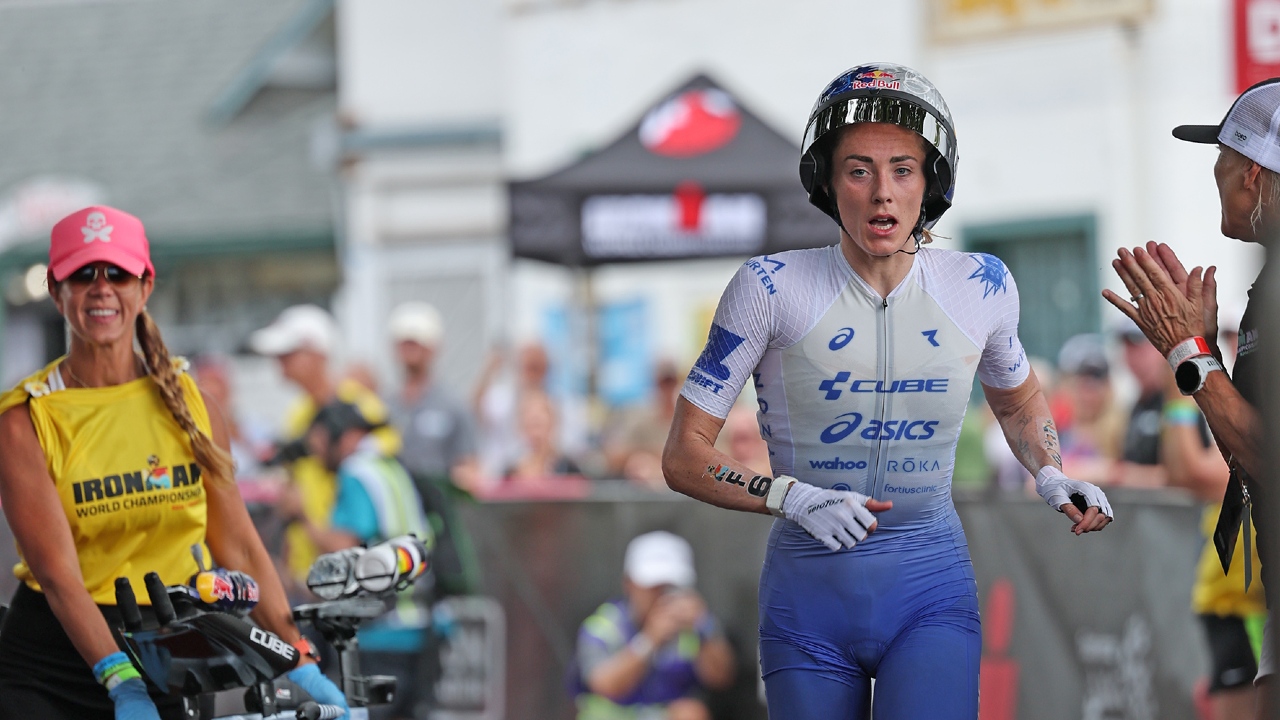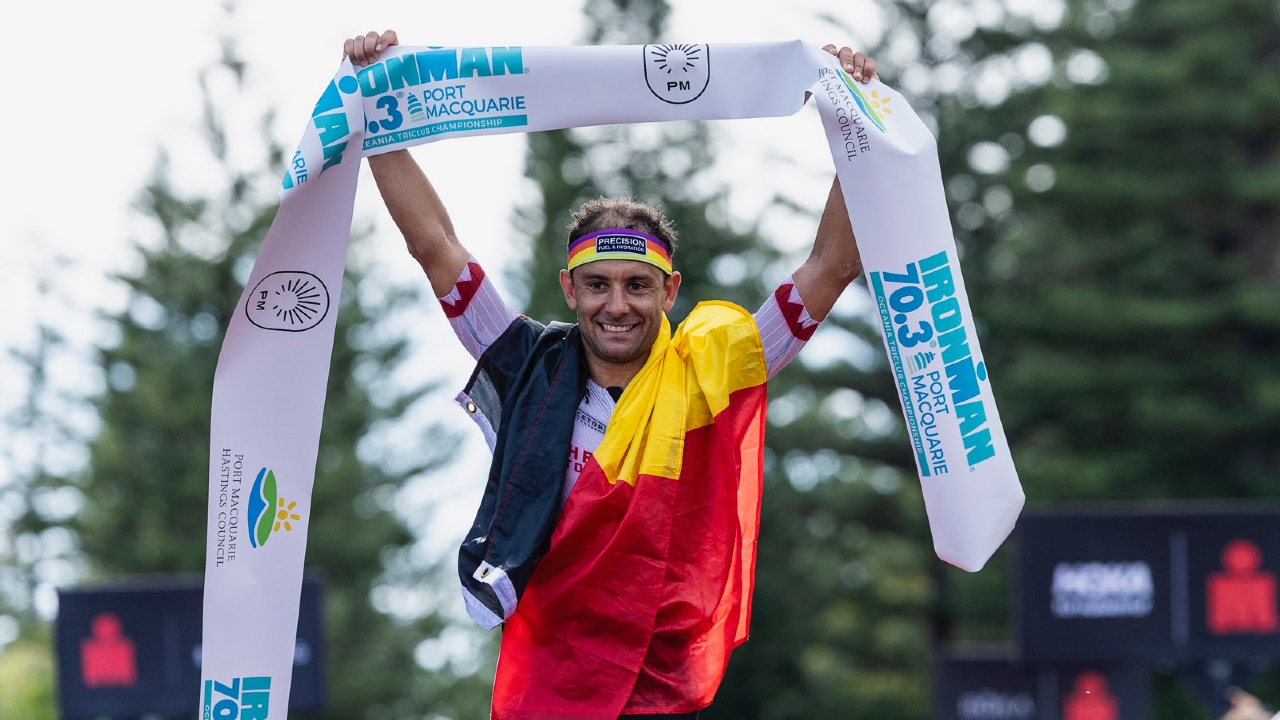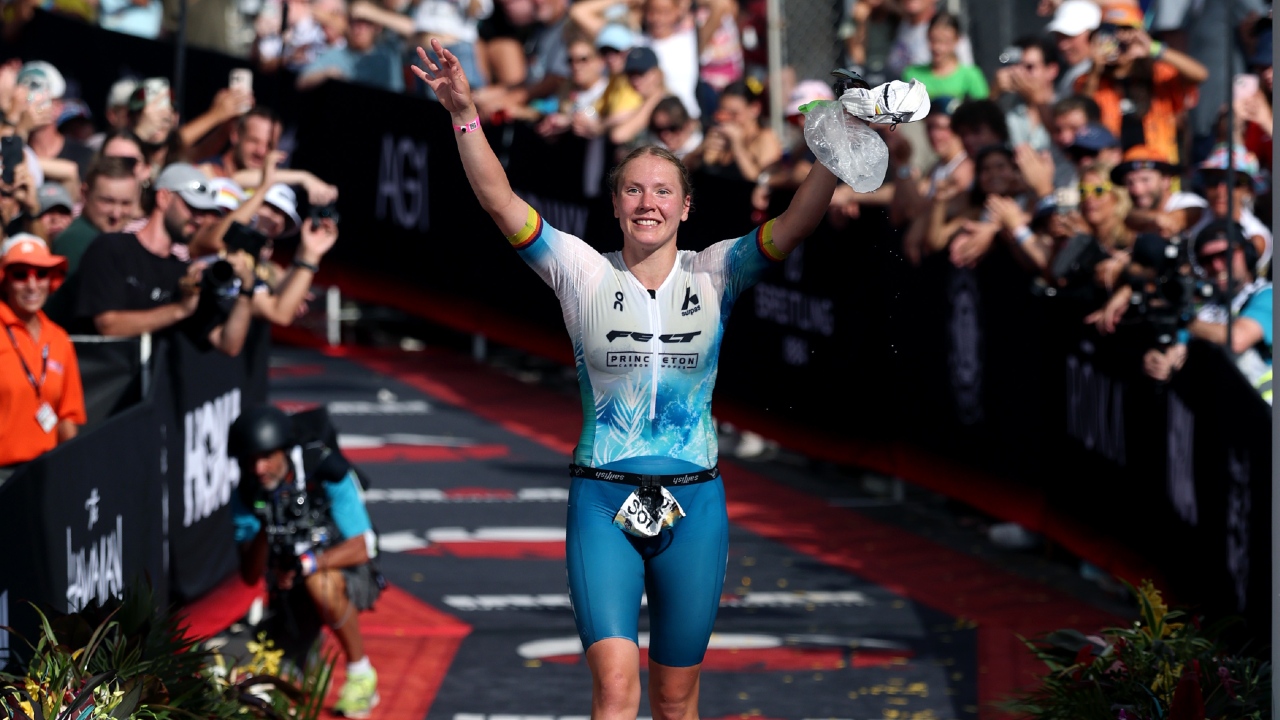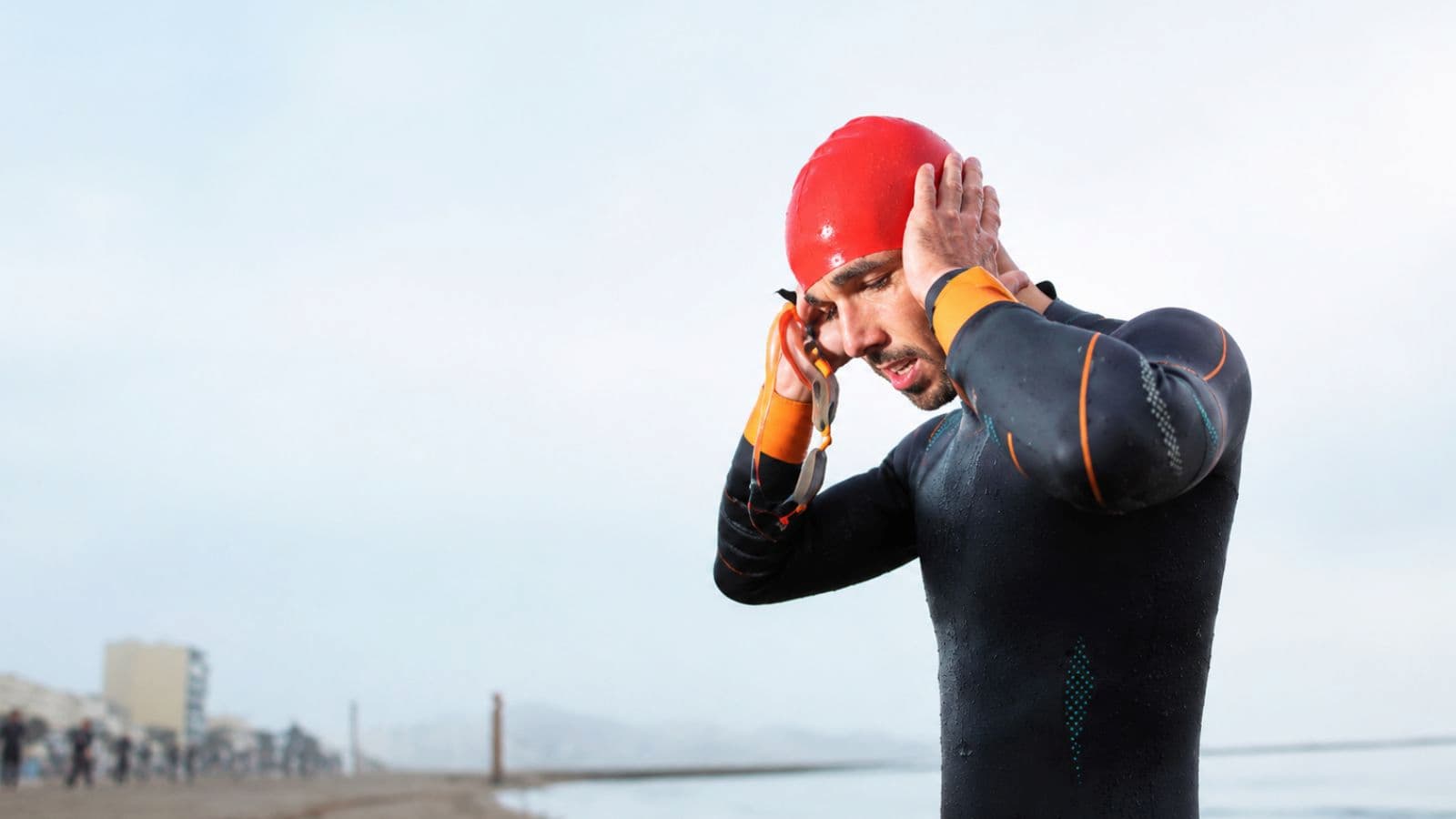


Few moments in triathlon feel stranger than standing up after the swim and suddenly feeling dizzy, lightheaded, or disoriented while running toward transition. For many athletes, this sensation appears during T1 (the first transition), when moving from a horizontal swimming position to an upright running posture. While mild dizziness during T1 is relatively common, it can affect performance, confidence, and safety if not managed properly. Understanding why it happens can help triathletes prepare more effectively and transition smoothly from the swim to the bike.
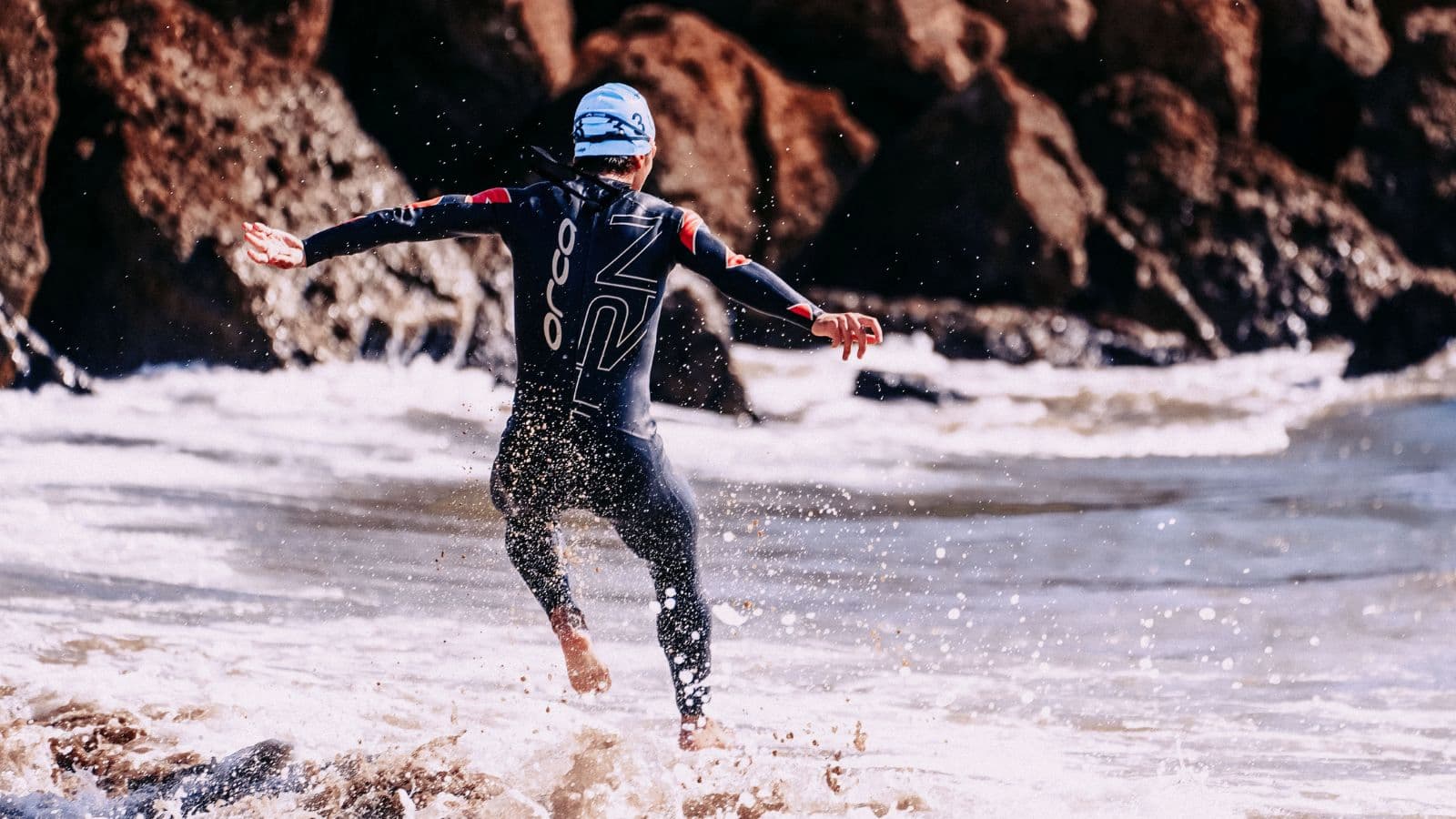
What Is T1 Dizziness?
T1 dizziness refers to feelings of:
- Lightheadedness
- Unsteadiness
- Disorientation
- Loss of balance
- Temporary blurred vision
that occur when exiting the water and entering transition. For some athletes, symptoms last only a few seconds. For others, they may continue throughout the run to the bike rack.
The Body Position Change
One of the most common causes of T1 dizziness is the sudden shift from horizontal swimming to upright running.
During the swim:
- Blood flow adapts to a horizontal position
- The body remains buoyant
- Cardiovascular demands differ from land-based movement
When athletes suddenly stand and run, the cardiovascular system must quickly adjust. Athletes who understand why is a level body position important for triathlon swimming know that swimming creates unique physiological demands that differ significantly from cycling and running.
Blood Pressure Adjustments
Standing rapidly after a prolonged swim can temporarily affect blood pressure regulation.
This may result in:
- Reduced blood flow to the brain
- Brief dizziness
- Feelings of instability
Most healthy athletes adapt quickly, but the transition can still feel uncomfortable.
Swimming Intensity May Be Too High
Many triathletes start races aggressively.
An overly intense swim effort can lead to:
- Elevated heart rate
- Increased breathing demands
- Greater physiological stress
Athletes who understand how can triathletes reduce the risk of a swim cancellation on race day know that open-water conditions already add stress before athletes even reach transition. Managing effort levels can help reduce unnecessary strain.
Hyperventilation During the Swim
Breathing patterns often become disrupted during:
- Crowded swim starts
- Rough water
- Cold-water swims
- High-anxiety situations
Hyperventilation may contribute to:
- Dizziness
- Lightheadedness
- Reduced coordination
Maintaining controlled breathing throughout the swim can help minimize these effects.
Cold Water Effects
Cold water can significantly influence how the body responds during a race.
Cold conditions may cause:
- Blood vessel constriction
- Increased cardiovascular stress
- Breathing irregularities
Athletes who understand what are the real benefits of cold water swimming for triathletes know that cold-water adaptation requires both physical and mental preparation.
Sight and Balance Challenges
During open-water swimming, athletes frequently:
- Look forward to sight buoys
- Rotate repeatedly
- Navigate waves and chop
These movements can affect the vestibular system, which helps regulate balance. Some triathletes experience temporary disorientation immediately after leaving the water because their balance system is still adapting.
Inadequate Open-Water Practice
Athletes who primarily train in pools sometimes struggle more during race transitions.
Pool swimming generally involves:
- Predictable conditions
- Frequent wall turns
- Controlled environments
Open-water swimming introduces additional variables that affect orientation and balance. Athletes who regularly perform pool drills to improve triathlon swim technique often build stronger technical foundations before moving into open water.
Dehydration Can Contribute
Although athletes are surrounded by water during the swim, dehydration can still occur.
Factors include:
- Pre-race fluid intake
- Environmental conditions
- Race duration
- Sweat losses
Dehydration may increase the likelihood of dizziness and fatigue during transition.
Anxiety and Race-Day Stress
Nerves can affect physical performance.
Pre-race anxiety may contribute to:
- Elevated heart rate
- Rapid breathing
- Increased perceived effort
Athletes who understand how can triathletes overcome the “dark place” during a race know that mental stress can influence physical sensations throughout competition.
Running Too Hard Into Transition
Many athletes rush through the swim exit. Suddenly sprinting toward transition while adjusting to upright movement can increase feelings of dizziness.
A smoother approach often allows:
- Better balance
- Improved breathing control
- More efficient transitions
Poor Swim Fitness
Athletes who lack swim-specific fitness may experience greater physiological stress during the swim leg.
This can lead to:
- Elevated fatigue
- Higher heart rates
- Reduced transition efficiency
Athletes who regularly incorporate pool drills to improve triathlon swim technique often improve efficiency and reduce unnecessary energy expenditure.
Practice Swim-to-Bike Transitions
One of the best ways to reduce T1 dizziness is through race-specific practice.
Brick sessions that include:
- Swimming
- Exiting the water
- Running briefly
- Transitioning onto the bike
help the body adapt to changing demands. Athletes who understand how to adapt to a triathlon training plan while traveling know that maintaining sport-specific practice often helps preserve performance under unfamiliar conditions.
Improve Overall Aerobic Fitness
A strong aerobic base helps athletes tolerate transitions more effectively.
Consistent training improves:
- Cardiovascular efficiency
- Recovery between disciplines
- Race-day resilience
Athletes who understand how can working professionals train for a 70.3 triathlon know that structured endurance training supports all three disciplines.
Learn to Stand Gradually
A useful strategy during races is beginning to stand before reaching shallow water.
As water depth decreases:
- Gradually increase body angle
- Prepare for upright movement
- Allow blood pressure to adjust
This often reduces the sudden shock of standing.
Bike Position Can Influence Recovery
After T1, athletes immediately transition to cycling. A comfortable bike setup helps athletes settle into a sustainable effort. Athletes who understand what cycling drills help triathletes improve bike technique know that efficiency on the bike begins with good mechanics and control.
Data Doesn’t Always Explain Everything
Some athletes become frustrated when race metrics fail to explain dizziness. Athletes who understand are triathletes relying too much on training data know that subjective experiences remain an important part of performance analysis. Not every sensation can be fully explained by numbers alone.
Common Causes of T1 Dizziness
The most common contributors include:
- Sudden posture changes
- Blood pressure adjustments
- Cold water exposure
- Hyperventilation
- High swim intensity
- Vestibular system disruption
- Dehydration
- Race anxiety
Often, several factors combine rather than a single cause being responsible.
How to Reduce Dizziness During T1?
Triathletes can minimize symptoms by:
- Practicing open-water swimming regularly
- Managing swim pacing
- Controlling breathing
- Staying hydrated
- Performing swim-to-bike brick sessions
- Standing gradually before exiting the water
- Building swim fitness
- Remaining calm during transitions
For most athletes, occasional dizziness during T1 is a normal physiological response rather than a sign of a serious problem. With experience, improved fitness, and race-specific practice, many triathletes find that these symptoms become less noticeable over time.