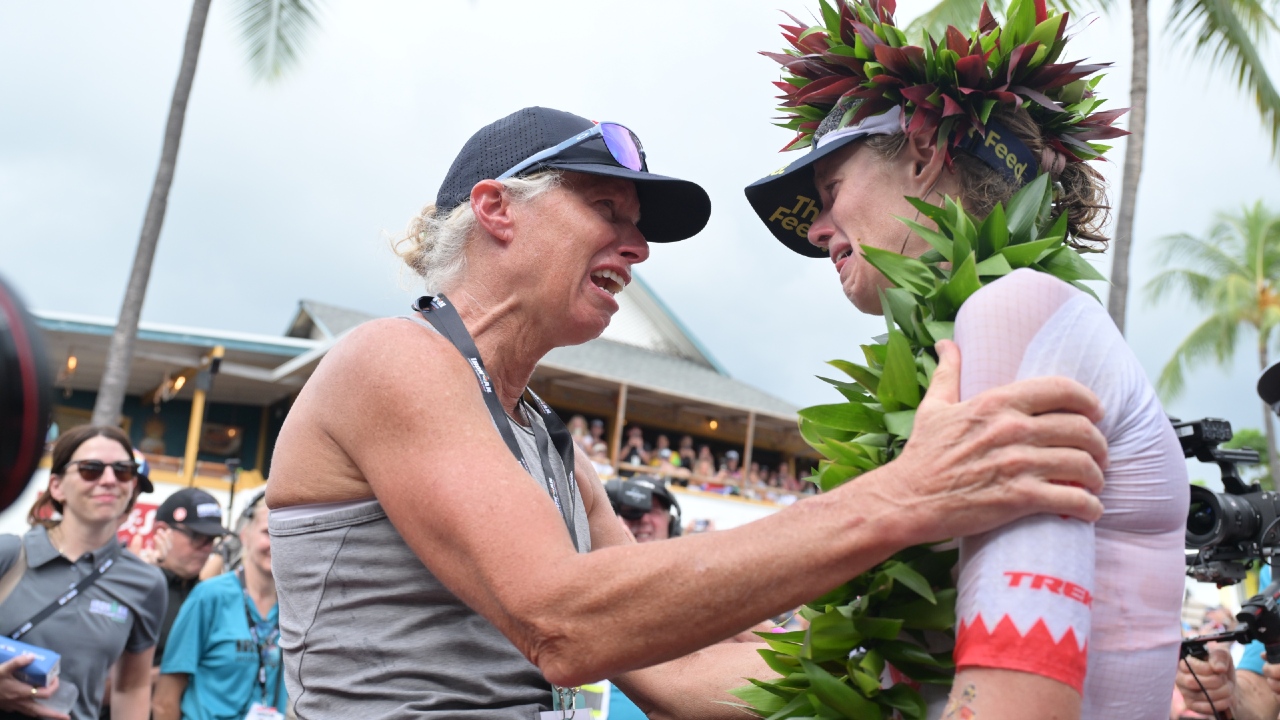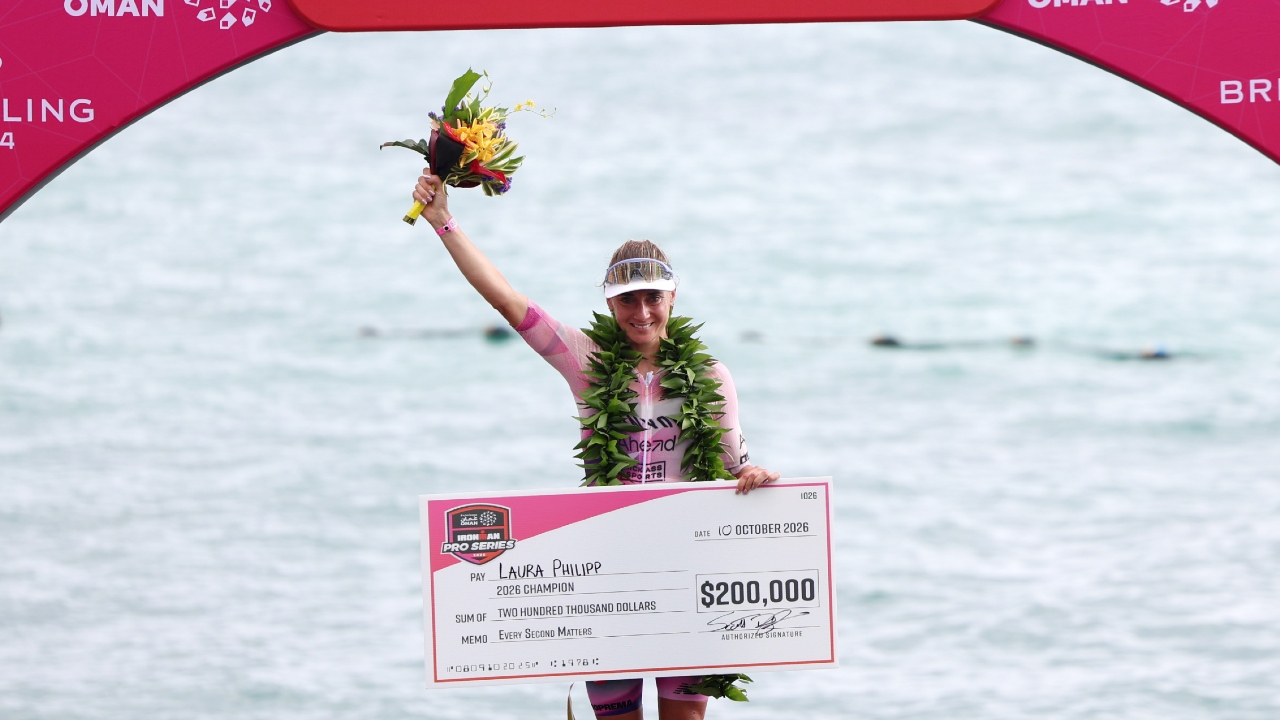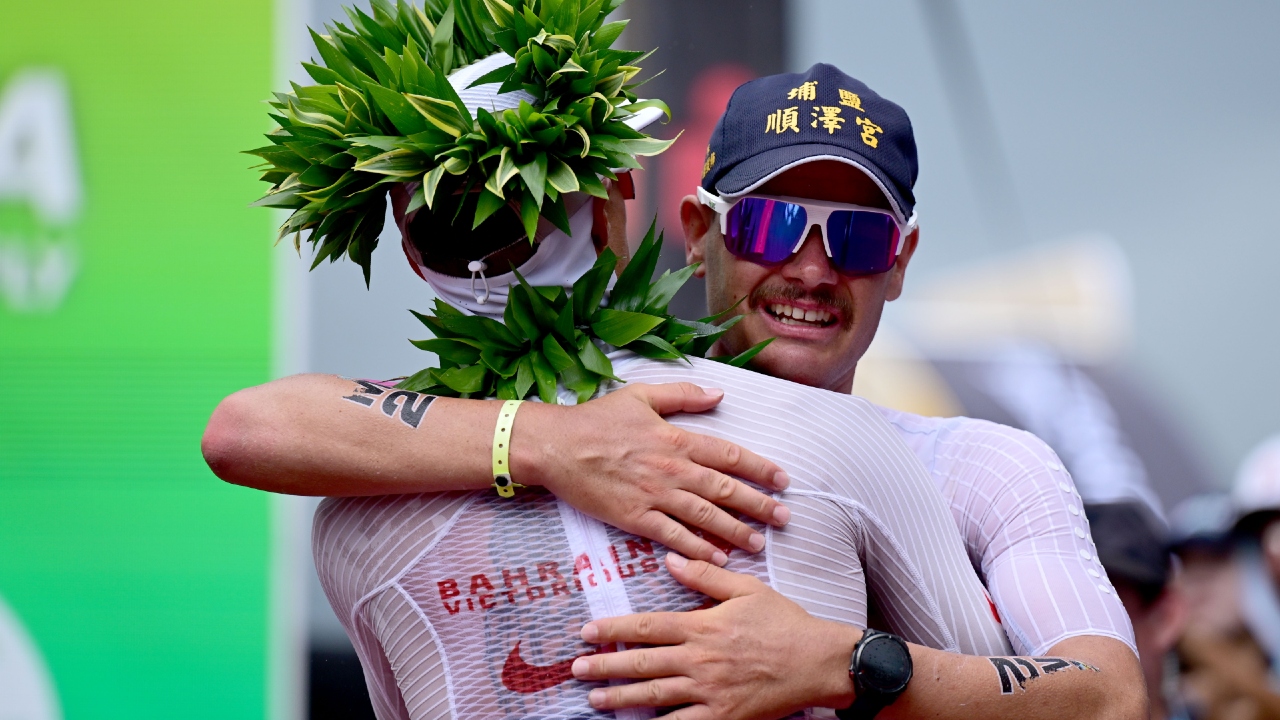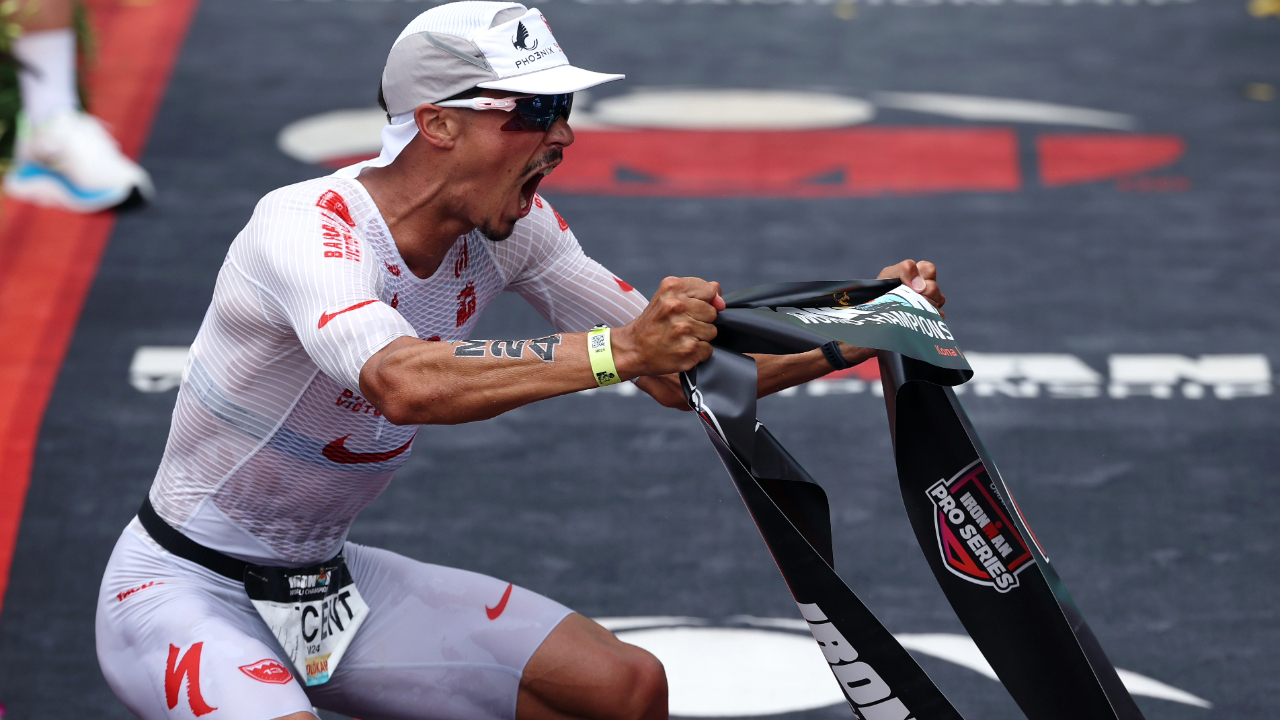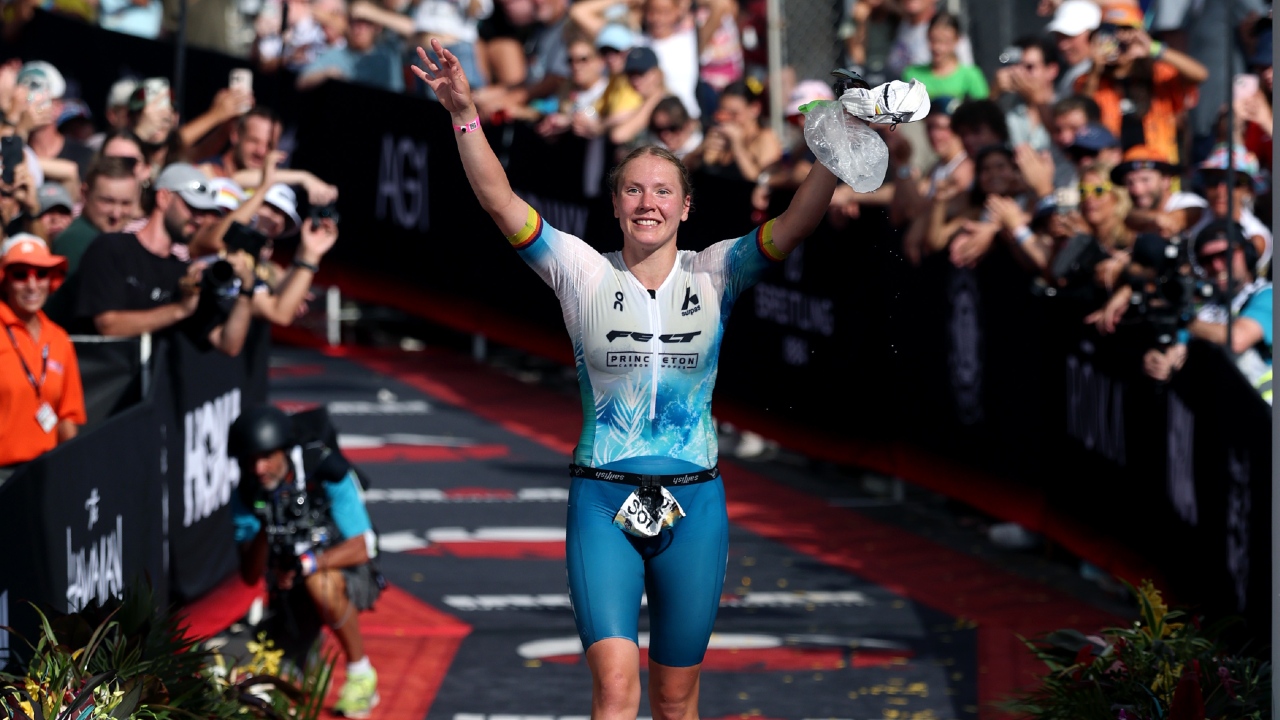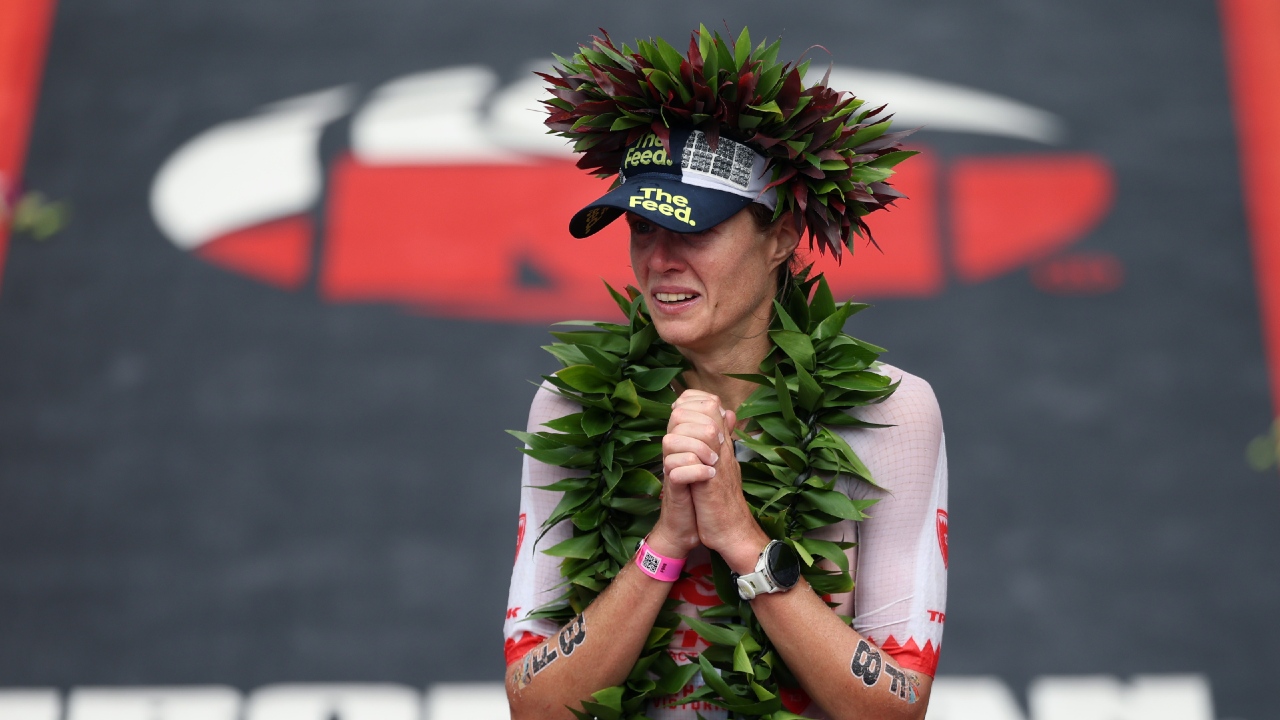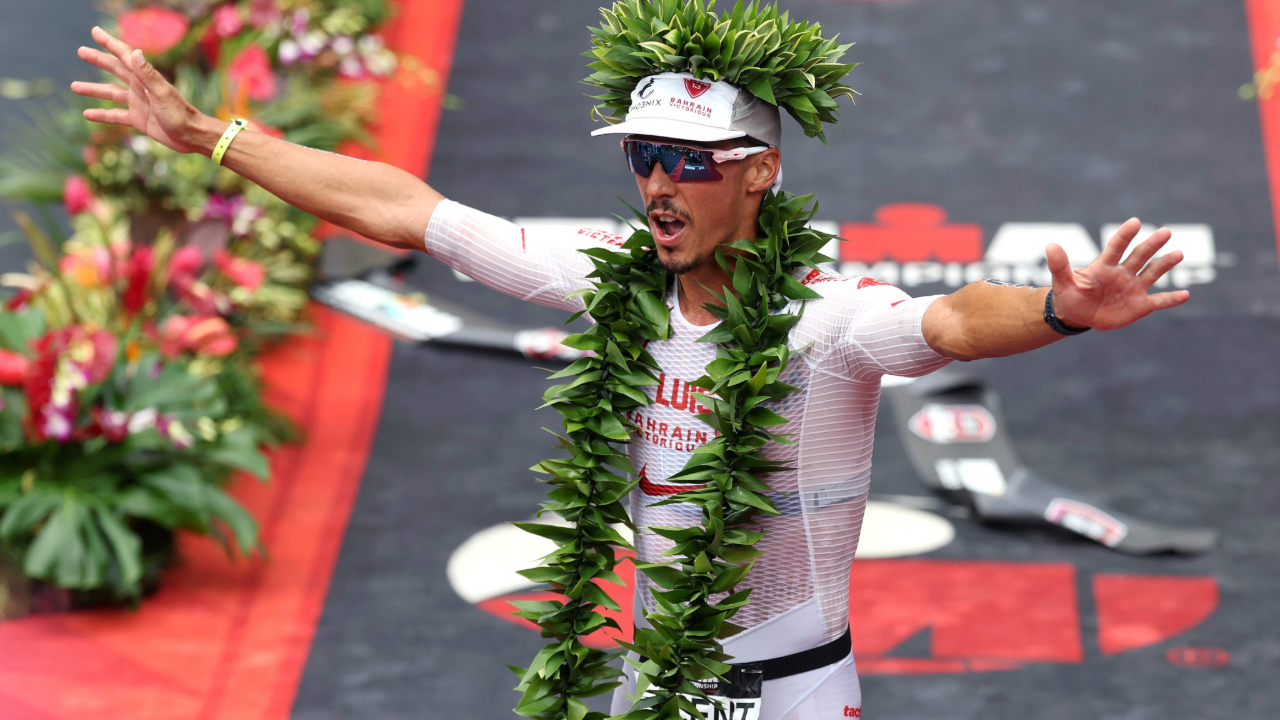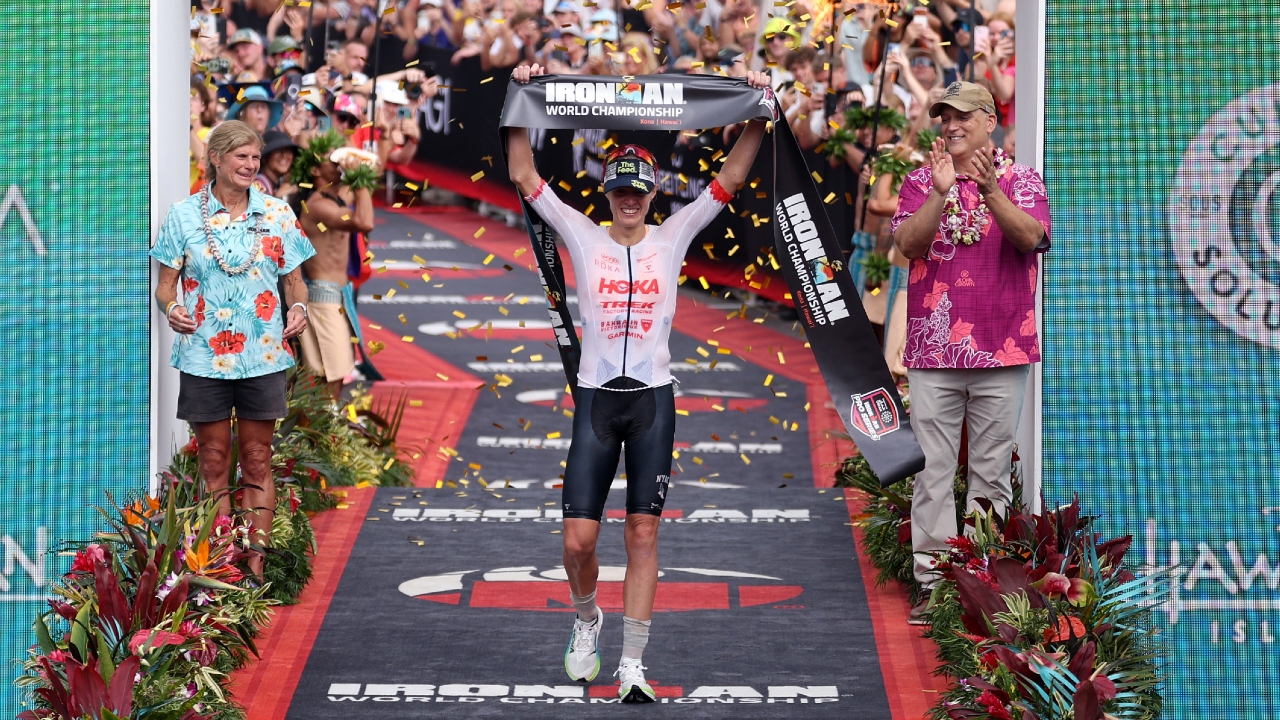


For many triathletes, training and racing become more than hobbies. They shape daily routines, social circles, goals, and even personal identity. Months of structured training often revolve around a key race or an entire season of events. Then suddenly, the season ends. The finish lines have been crossed, the training plan is complete, and the calendar that once provided purpose can appear surprisingly empty. Many athletes experience a sense of loss, reduced motivation, or even uncertainty about who they are without a race on the horizon. While this feeling can be unsettling, it is also a normal part of the athletic journey. Learning how to navigate the post-season period can help triathletes maintain a healthy relationship with sport while preparing for future success.

Why Post-Season Identity Loss Happens?
During a race season, triathlon often influences:
- Daily schedules
- Social activities
- Fitness goals
- Personal achievements
When racing ends, athletes may suddenly lose a major source of structure and purpose. Athletes who understand how can working professionals train for a 70.3 triathlon know how much time and energy triathlon can occupy throughout the year.
Your Value Is Not Defined By Race Results
Many athletes unintentionally tie their self-worth to performance.
Thoughts such as:
- “I’m only successful if I race well.”
- “I’m only productive when training.”
- “My identity is being a triathlete.”
can become deeply ingrained. Athletes who understand how can triathletes overcome the “dark place” during a race know that resilience often comes from separating self-worth from temporary outcomes.
Accept That the Transition Is Normal
Feeling slightly lost after a major goal is achieved is common.
This can occur after:
- A first triathlon
- A personal best
- A 70.3 finish
- An Ironman
The mind often needs time to adjust after months of anticipation and preparation. Recognizing these feelings as normal can make them easier to manage.
Give Yourself Permission to Recover
Many athletes rush immediately into the next training cycle. However, recovery involves more than physical healing.
The post-season offers opportunities to:
- Rest mentally
- Recharge emotionally
- Rebuild motivation
Athletes who understand benefits of training with other triathletes know that recovery is an essential part of long-term performance, not a sign of weakness.
Explore Activities Outside Triathlon
The off-season can be an ideal time to reconnect with interests that may have been neglected during race preparation.
Examples include:
- Hiking
- Strength training
- Cycling for fun
- Family activities
- Travel
Expanding interests can help athletes maintain a broader sense of identity.
Remember Why You Started
Many athletes begin triathlon because they enjoy:
- Movement
- Challenge
- Community
- Adventure
Over time, performance goals can overshadow those original motivations. Athletes who understand overcoming early season setback often discover that trying new activities can rekindle enjoyment and curiosity.
Set Non-Race Goals
Not every goal needs a finish line.
Off-season objectives might include:
- Improving mobility
- Learning a new skill
- Building strength
- Improving technique
These goals provide purpose without the pressure of competition.
Reconnect With the Social Side of Sport
Triathlon communities often provide:
- Friendship
- Support
- Accountability
Maintaining these relationships after race season can help athletes feel connected even when training volume decreases. The sport is often about people as much as performance.
Reflect on the Season
The off-season is an excellent time to evaluate:
- What went well
- What could improve
- Lessons learned
Athletes who understand how do elite triathletes run fast after cycling know that progress often comes from thoughtful reflection rather than simply doing more training.
Focus on Long-Term Development
One season rarely defines an athlete.
The most successful triathletes think in terms of:
- Years
- Careers
- Lifelong participation
This perspective can reduce the emotional impact of a single race or season ending.
Avoid Immediately Chasing Another Goal
Signing up for a new race can sometimes be helpful. However, constantly chasing the next event may prevent athletes from processing the previous season. Allowing some space between goals can be valuable.
Recognize That Motivation Naturally Fluctuates
Motivation is rarely constant.
Even highly successful athletes experience periods of:
- Reduced enthusiasm
- Mental fatigue
- Lower focus
Athletes who understand how should older triathletes stay motivated and train with intensity know that motivation often returns naturally when recovery is respected.
Maintain Some Routine
While a complete break can be beneficial, maintaining a small amount of structure often helps.
This might include:
- Regular exercise
- Consistent sleep habits
- Social training sessions
Routine can provide stability during transitions.
Develop an Identity Beyond Sport
Being a triathlete can be an important part of who you are.
It doesn’t need to be the only part.
Athletes often benefit from investing in:
- Family relationships
- Careers
- Education
- Other hobbies
A broader identity can provide resilience during challenging periods.
Learn to Enjoy Training Without Racing
Many athletes discover that training itself can be rewarding.
Activities such as:
- Swimming
- Riding
- Running
can still provide satisfaction without an immediate race goal. Athletes who understand running drills that every triathlete should know often appreciate the value of skill development independent of race outcomes.
Reframe the Off-Season as an Opportunity
The off-season is not simply time away from racing.
It is an opportunity to:
- Recover
- Improve weaknesses
- Explore new challenges
- Build future motivation
Athletes who embrace this perspective often return to racing more energized.
Be Careful With Social Media Comparisons
After race season, it can be tempting to compare yourself to athletes who appear constantly motivated.
Remember that social media rarely shows:
- Recovery periods
- Doubts
- Fatigue
- Mental struggles
Comparison often creates unnecessary pressure.
Trust the Process of Renewal
Every season includes:
- Build-up
- Competition
- Recovery
The cycle is natural. Athletes who understand how to stop thigh crams during a triathlon race know that long-term success depends on balancing effort and recovery rather than remaining in peak mode year-round.
Common Post-Season Mistakes
Many triathletes:
- Tie identity entirely to racing
- Ignore mental recovery
- Rush into new goals
- Compare themselves to others
- Feel guilty about resting
- Abandon all structure
- Lose perspective
- Forget why they started
These challenges are common and manageable.
How Triathletes Can Navigate Post-Season Identity Loss?
Athletes can cope more effectively by:
- Accepting the transition
- Prioritizing recovery
- Exploring new interests
- Maintaining social connections
- Reflecting on the season
- Setting non-race goals
- Expanding their identity
- Trusting the long-term process
Race season eventually ends for every triathlete. The athletes who navigate that transition best are often those who recognize that while triathlon may be an important part of their lives, it does not define their entire identity. By embracing recovery, reflection, and personal growth, the off-season can become one of the most valuable parts of the year.