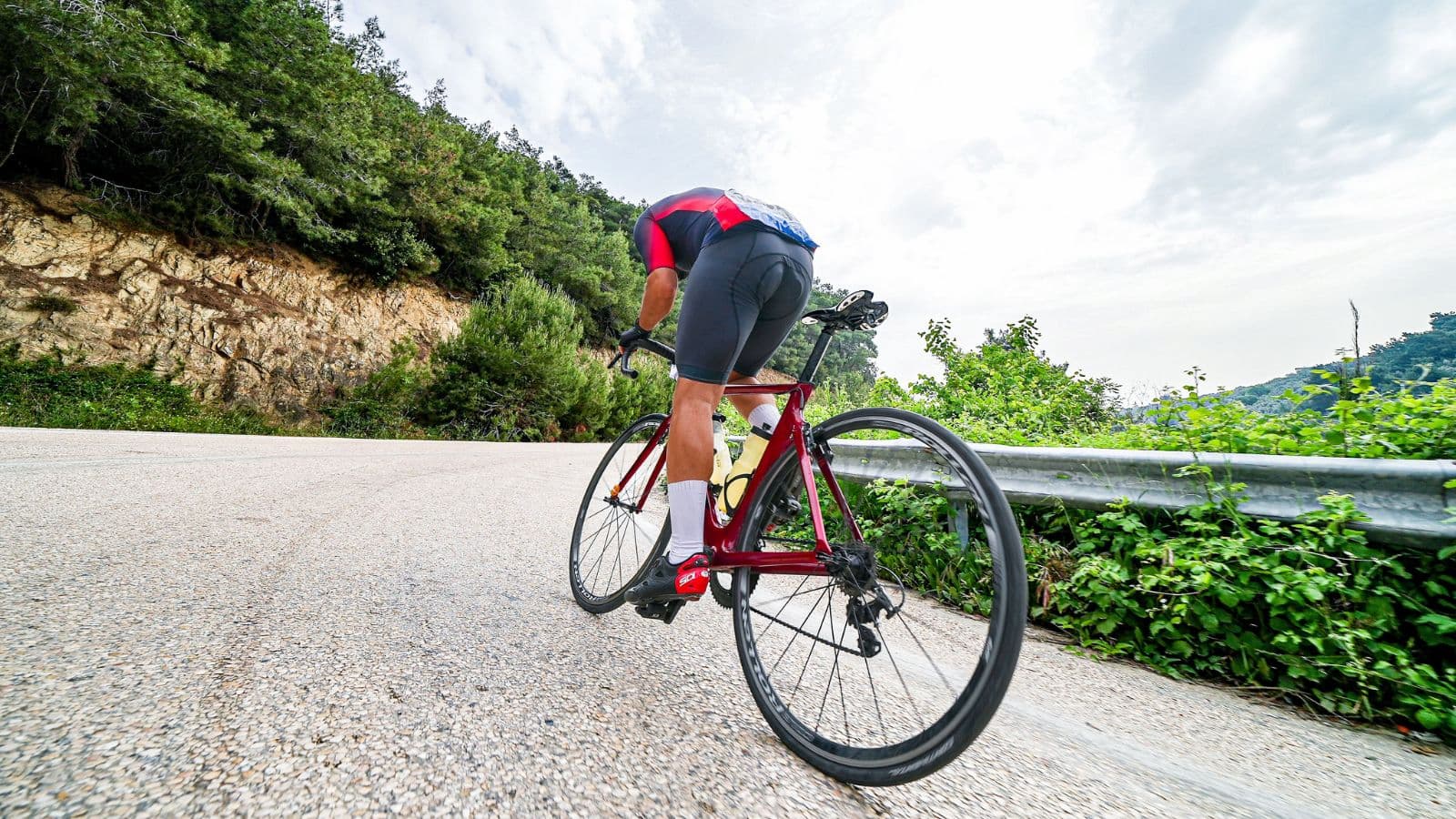


Saddle sores during a triathlon usually develop when friction, pressure, heat, and moisture repeatedly irritate the skin around the buttocks, groin, or other areas contacting the saddle. The problem can range from mild chafing and tenderness to inflamed bumps or more painful skin lesions. Triathletes face an additional challenge because they often begin the bike leg while still wet from the swim. Moist skin combined with repetitive pedaling and prolonged saddle contact can increase irritation, particularly during longer races. Saddle sores are not something you should automatically accept as part of long distance triathlon. Occasional mild irritation can happen, but recurring or severe sores often indicate that friction, clothing, hygiene, saddle choice, bike fit, or training habits need attention.
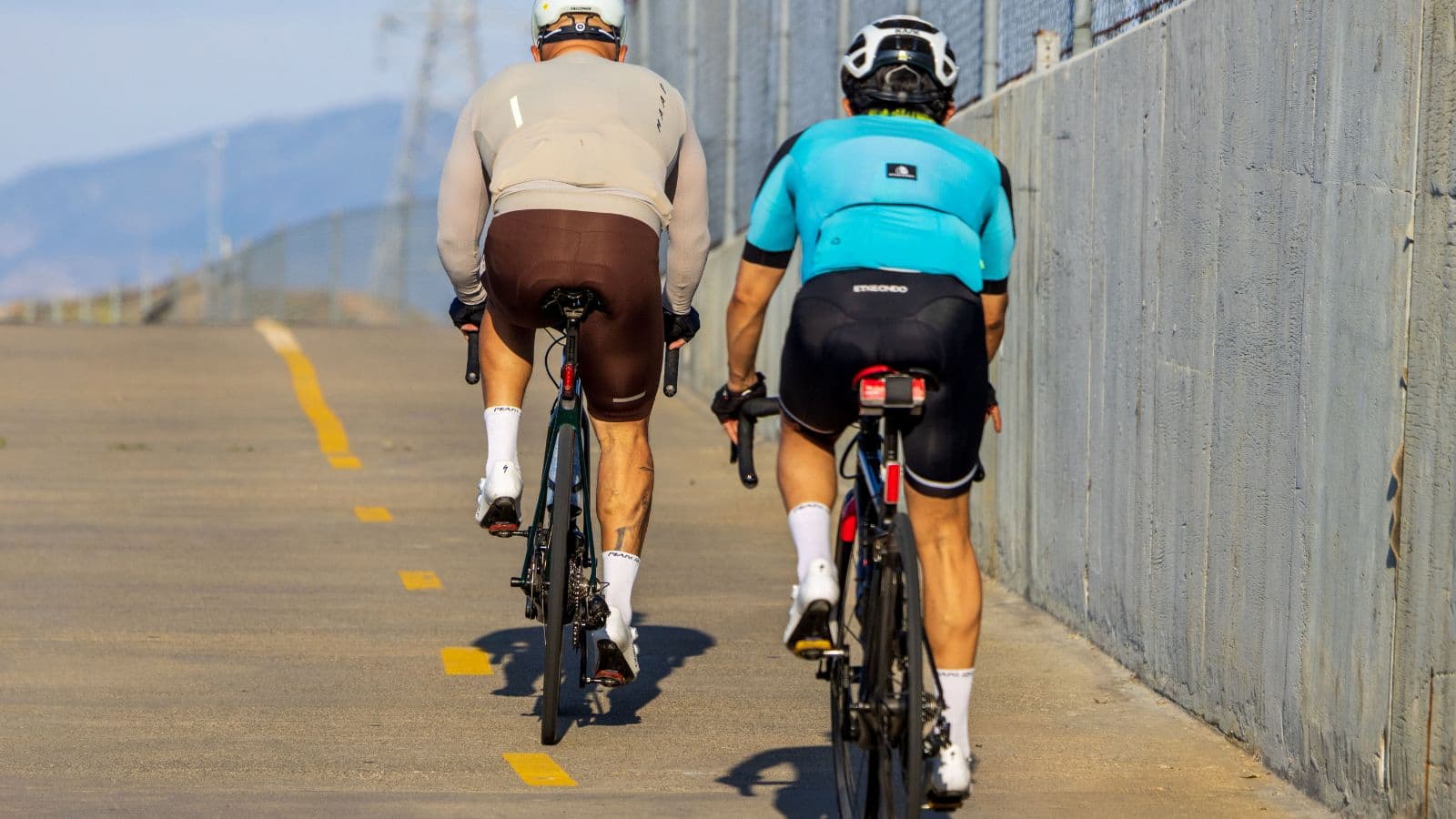
In Short
- Saddle sores usually involve friction and pressure.
- Moisture can increase skin irritation.
- Triathletes may begin cycling in wet clothing.
- Poor bike fit can increase unwanted movement.
- An unsuitable saddle can concentrate pressure.
- Clothing seams or wrinkles can cause rubbing.
- Long rides increase exposure to friction.
- Chamois cream can reduce friction for some athletes.
Friction Is a Major Cause of Saddle Sores
Every pedal stroke creates some movement between your body, clothing, and saddle. Problems begin when repetitive rubbing continually irritates the same area.
Friction may increase because of:
- Poor bike fit.
- Excessive movement on the saddle.
- Unsuitable clothing.
- A poorly matched saddle.
- Long riding duration.
- Wet skin.
Learning how to stop hand numbness and saddle discomfort on long rides can help identify whether your overall riding position is contributing to repeated discomfort rather than treating the skin irritation alone.
Moisture Makes Friction Worse
Wet skin can become more vulnerable to irritation.
Triathletes may have moisture from:
- The swim.
- Sweat.
- Rain.
- Water poured over the body.
- Wet race clothing.
Unlike a cyclist beginning a ride in dry clothing, a triathlete may reach the saddle with a wet trisuit and damp skin. During a long bike leg, sweat can keep the area moist. Heat can make the situation worse by increasing sweating and creating a warm environment around the chamois.
Your Trisuit Can Contribute
A well fitting trisuit should remain relatively stable against your body.
Problems can develop when clothing:
- Bunches.
- Wrinkles.
- Shifts repeatedly.
- Has irritating seams.
- Fits too loosely.
- Fits excessively tightly.
A fold in the fabric may seem insignificant during a short ride but can become painful after thousands of pedal strokes.
Test your race kit during training rather than wearing an unfamiliar trisuit for the first time on race day.
The Chamois Matters
Triathlon shorts and trisuits normally use a thinner pad than traditional cycling shorts.
The chamois needs to remain practical during:
- Swimming.
- Cycling.
- Running.
A thick cycling pad may feel comfortable on the bike but can absorb more water and become uncomfortable during the swim or run. The triathlon chamois therefore needs to balance cycling comfort with the demands of all three disciplines. Different athletes may need different shapes and levels of padding.
Poor Bike Fit Can Increase Saddle Movement
Your bike position influences how your body interacts with the saddle.
A poor fit may cause unnecessary:
- Rocking.
- Sliding.
- Reaching.
- Hip movement.
- Pressure.
For example, a saddle that is too high can encourage the hips to rock from side to side as you reach for the bottom of the pedal stroke. Understanding how do you adjust your bike for a better fit can help address the mechanical cause rather than repeatedly treating irritated skin.
Saddle Height Can Affect Friction
Saddle height deserves particular attention when saddle sores keep returning.
If the saddle is too high, you may:
- Rock your hips.
- Reach for the pedals.
- Shift across the saddle.
- Lose pelvic stability.
If the saddle is too low, your position may also become inefficient and uncomfortable. Saddle height should allow stable pedaling without excessive side-to-side movement. Do not make large position changes immediately before a race.
Saddle Position Matters Too
Height is only one part of saddle setup.
Other variables include:
- Fore aft position.
- Saddle tilt.
- Saddle shape.
- Saddle width.
- Riding posture.
Small adjustments can meaningfully change where pressure occurs. The broader principles behind how does bike geometry affect triathlon cycling performance help explain why comfort depends on the interaction between your body and the complete bike position rather than one component in isolation.
The Wrong Saddle Can Concentrate Pressure
A saddle that works perfectly for one athlete may cause severe discomfort for another.
Individual differences include:
- Pelvic anatomy.
- Riding position.
- Flexibility.
- Aero position.
- Pressure distribution.
Triathlon saddles are often designed around the forward pelvic position used on aero bars, but the correct choice remains individual.
Do not select a saddle simply because a professional athlete uses it.
The Aero Position Changes Saddle Pressure
Triathletes often rotate forward while riding in the aero position. This can change which parts of the pelvis and soft tissue contact the saddle. Remaining aero for long periods may increase pressure in areas that feel fine during upright riding. Your position should allow you to remain reasonably stable without continually shifting to escape discomfort. Training around what cycling drills help improve triathlon bike technique can help improve bike control and stability, but persistent pressure problems may still require fit or equipment changes.
Long Bike Legs Increase Exposure
A setup that feels acceptable during 30 minutes of cycling may become uncomfortable after several hours.
Long course triathletes experience more:
- Saddle contact.
- Repeated pedal strokes.
- Sweat accumulation.
- Friction.
- Pressure exposure.
Build long ride duration progressively so you can identify problems before race day. The principles in how should cycling workouts change for different race distances are particularly relevant because saddle tolerance needs to match the duration of the event you are preparing for.
Sudden Increases in Cycling Volume Can Trigger Problems
Skin and soft tissues can become accustomed to regular saddle contact. Problems often appear when cycling volume suddenly increases.
This may happen during:
- Training camps.
- Peak training blocks.
- Long weekend rides.
- Indoor cycling blocks.
- Rapid preparation for a longer race.
Do not assume that cardiovascular fitness means your body is prepared for several extra hours on the saddle.
Indoor Riding Can Increase Saddle Discomfort
Indoor training can be particularly demanding on the contact points.
Outside, riders naturally change position because of:
- Corners.
- Descents.
- Traffic.
- Hills.
- Terrain changes.
- Standing periods.
On an indoor trainer, the bike remains relatively fixed.
Chamois Cream Can Reduce Friction
Some triathletes use chamois cream on areas prone to rubbing.
Its main purpose is to reduce friction between:
- Skin and fabric.
- Skin and skin.
- Contact areas around the saddle.
Test any product during training before using it on race day. Avoid applying an unfamiliar product immediately before a long event because skin reactions are possible. Chamois cream can help with friction, but it cannot correct a poor bike fit or unsuitable saddle.
Hygiene Matters
Irritated skin can become more problematic when bacteria enter damaged follicles or broken skin.
After training:
- Change out of wet clothing.
- Shower when practical.
- Wash cycling kit.
- Dry the skin thoroughly.
- Avoid repeatedly wearing unwashed shorts.
Do not remain in a sweaty trisuit for hours after completing a workout.
Good hygiene will not solve excessive pressure, but it can reduce additional skin problems.
Do Not Wear Underwear Under Your Trisuit
Triathlon shorts and cycling shorts are generally designed to be worn directly against the skin.
Underwear can introduce:
- Extra seams.
- Fabric folds.
- Moisture retention.
- Additional friction.
These problems become more significant during long rides. Train in the same basic clothing setup you plan to use during the race.
Your Pedaling Can Influence Saddle Stability
A rider who moves excessively with every pedal stroke may create more friction.
Movement can be influenced by:
- Bike fit.
- Fatigue.
- Cadence.
- Technique.
- Saddle height.
A smoother pedal stroke may help you remain more stable on the bike. Understanding what is cycling cadence in a triathlon can also help you find a sustainable pedaling rhythm instead of continually grinding a gear that causes excessive whole body movement.
Heat Can Make Saddle Sores More Likely
Hot races create favorable conditions for skin irritation. Higher temperatures usually mean more sweat. More sweat means more moisture around the contact points.
During hot races, pay attention to:
- Clothing fit.
- Hydration.
- Skin friction.
- Chamois condition.
- Time spent in wet kit.
Appropriate hydration through how much should you drink per hour when cycling in hot weather can support performance, but it does not eliminate the need to manage external moisture and friction.
Rain Can Create Similar Problems
Rain can keep your clothing saturated for much of the bike leg. Wet fabric may behave differently against the skin.
Long rainy rides can therefore increase the importance of:
- Stable clothing.
- Correct fit.
- Reduced friction.
- Good post ride hygiene.
Preparing with how to cycle safely in the rain also gives you an opportunity to test how your race kit behaves when completely wet rather than discovering the problem during competition.
Saddle Sores Can Affect the Run
A saddle sore is not only a cycling problem during a triathlon. After T2, irritated skin can continue rubbing during running.
Severe irritation may change how you:
- Sit on the bike.
- Pedal.
- Run.
- Move through transition.
Changing movement to avoid pain can create additional discomfort elsewhere.
When Should You Stop Riding?
Mild tenderness after a long ride does not always mean you have a serious saddle sore. However, continuing to ride on significantly damaged skin can make the problem worse.
Consider reducing or stopping riding when you develop:
- Severe localized pain.
- Broken skin.
- Significant swelling.
- A growing painful lump.
- Drainage.
- Spreading redness.
- Increasing warmth around the area.
Symptoms suggesting infection or a persistent painful lesion should be assessed by an appropriate healthcare professional.
Common Mistakes
- Ignoring recurring saddle pain.
- Racing in an untested trisuit.
- Wearing underwear beneath cycling clothing.
- Increasing bike volume too quickly.
- Assuming more padding always means more comfort.
- Using chamois cream to hide a bike fit problem.
- Remaining in wet kit after training.
- Making major saddle changes immediately before a race.
- Copying another athlete’s saddle setup.
- Continuing to ride on badly irritated skin.
Practical Tips
- Test your race kit on long rides.
- Check saddle height and position.
- Use a saddle appropriate for your anatomy and riding position.
- Keep cycling clothing clean.
- Change out of wet kit promptly.
- Build long ride duration gradually.
- Test chamois cream during training.
- Avoid underwear beneath a trisuit.
- Address recurring sores rather than repeatedly tolerating them.
Actionable Takeaways
Saddle sores during a triathlon usually develop because repeated friction and pressure irritate skin that may already be wet from swimming or sweating.
Common contributing factors include:
- Poor bike fit.
- Excessive saddle movement.
- Wet clothing.
- Unsuitable saddle shape.
- Poorly fitting trisuits.
- Long bike duration.
- Rapid increases in cycling volume.
- Heat and sweat.
Do not wait until race week to solve saddle discomfort. A pre ride equipment check using what you should check on your bike before every ride can also help make comfort and bike setup part of your regular routine. Persistent, severe, or infected looking saddle sores should be medically assessed rather than simply covered with more cream and ridden through.