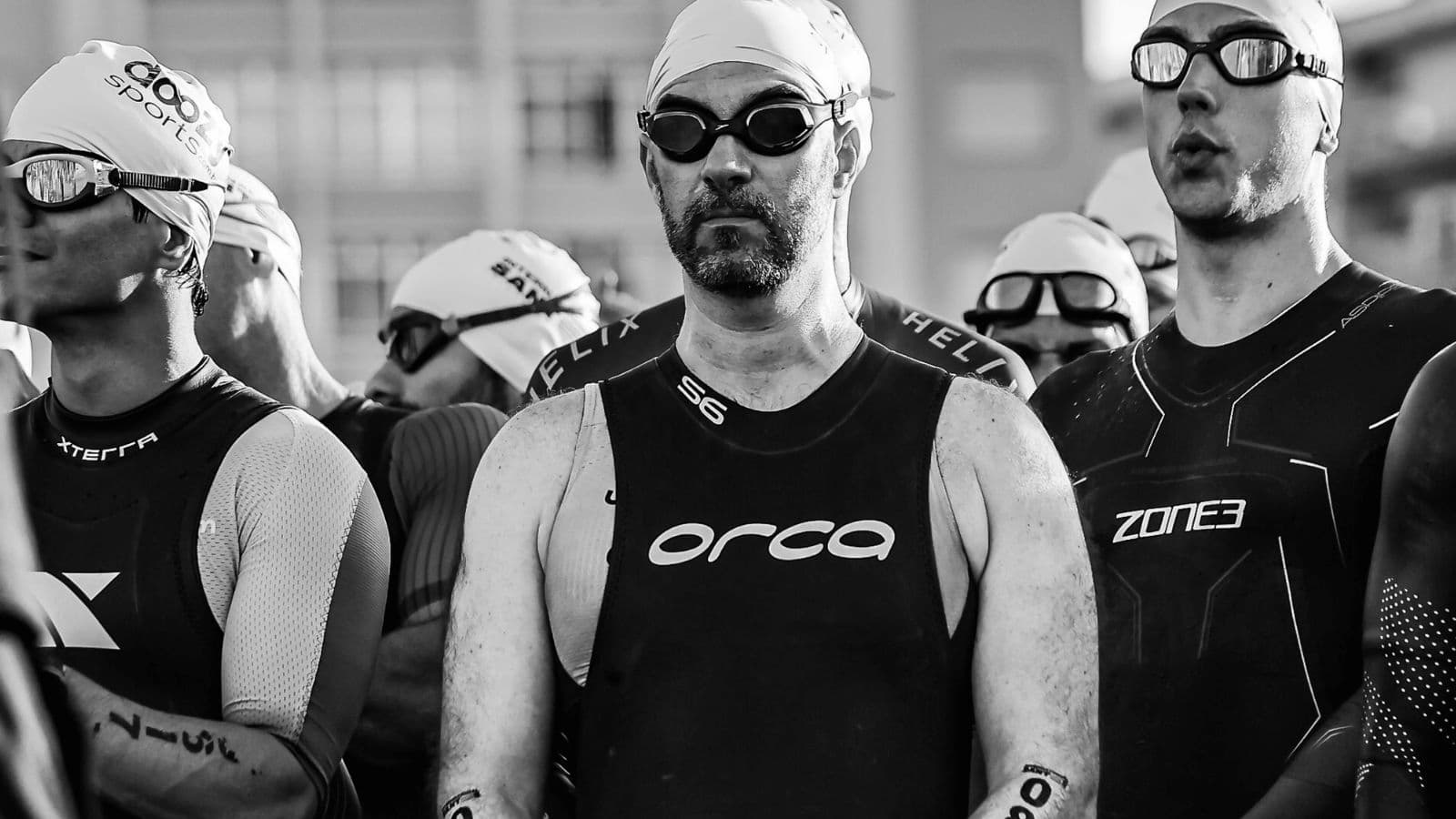


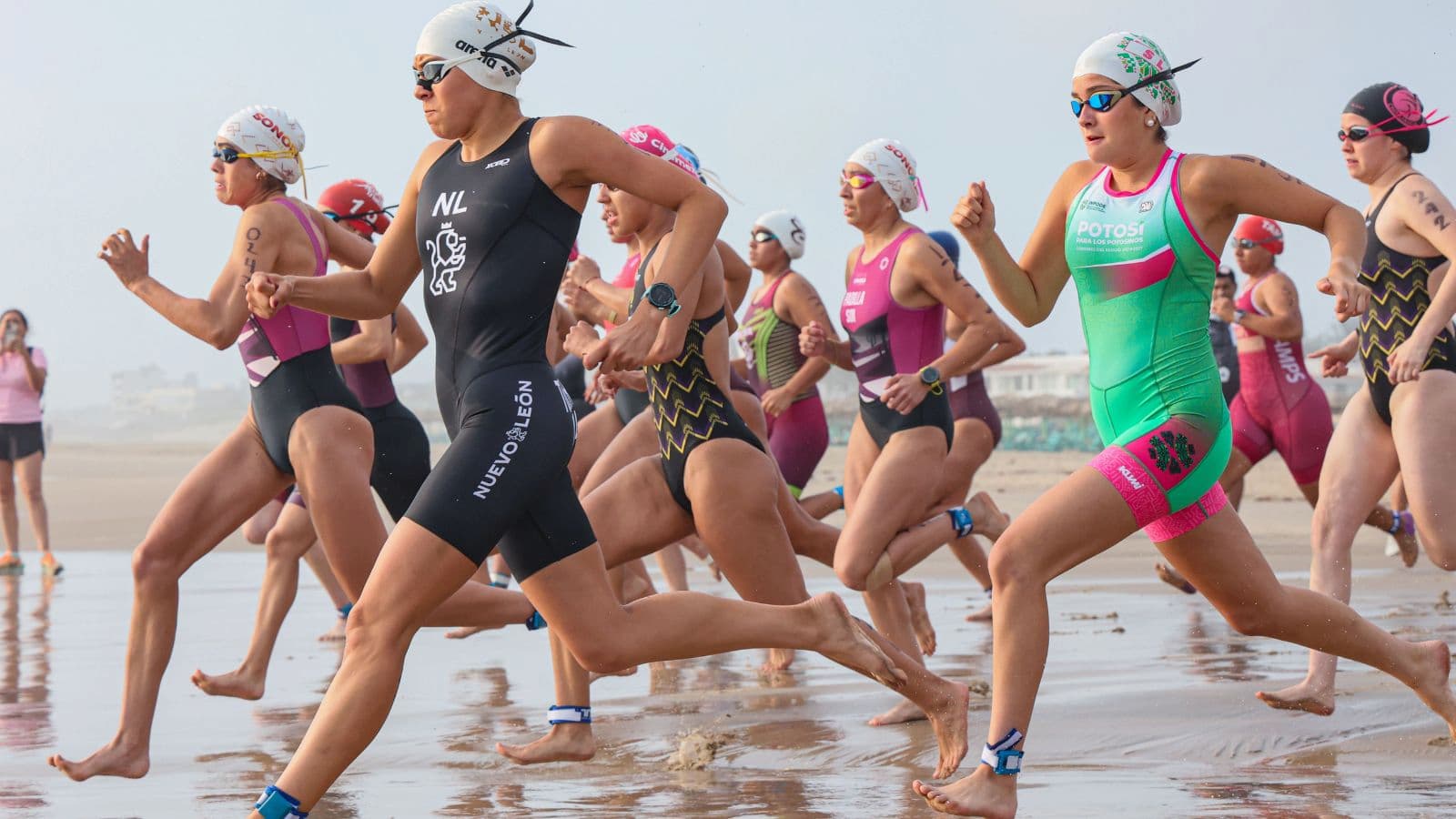
Feeling dizzy as you stand up after the swim is something many triathletes experience, particularly during open-water events. One moment you’re swimming comfortably, and the next you’re trying to run towards transition while feeling light-headed, unsteady or slightly disorientated. Although this sensation is often temporary, it can affect your confidence, slow your transition and even increase the risk of falls. In most cases, dizziness results from a combination of physiological changes, body position, breathing patterns and the sudden shift from horizontal swimming to upright running. Understanding why it happens, and learning how to reduce it, can help you begin the bike leg feeling more stable and in control.
In Short
- Post-swim dizziness is common.
- Standing up quickly can trigger light-headedness.
- Open-water conditions may increase symptoms.
- Poor pacing can make dizziness worse.
- Controlled breathing helps maintain stability.
Why Does Dizziness Happen?
During the swim, your body remains in a horizontal position for an extended period. As you suddenly stand and begin running towards transition, your cardiovascular system must quickly adjust to the new posture.
This rapid change can temporarily reduce blood flow to the brain, causing:
- Light-headedness.
- Brief dizziness.
- Unsteady balance.
- Blurred vision.
- A floating sensation.
For most healthy athletes, these symptoms disappear within a short period.
Standing Up Too Quickly
One of the biggest contributors to post-swim dizziness is standing up abruptly.
Instead:
- Slow your final strokes.
- Stand gradually.
- Pause briefly if necessary.
- Walk before accelerating into transition.
Giving your body a few extra seconds to adjust often reduces symptoms significantly.
Open Water Swimming Adds Extra Challenges
Unlike pool swimming, open-water races introduce additional stressors.
These include:
- Waves.
- Cold water.
- Limited visibility.
- Physical contact with other swimmers.
- Constant sighting.
All of these increase the physical and mental demands of the swim. Improving your confidence with what skills help triathletes adapt to changing open water swimming can help you remain calmer and more relaxed throughout the swim leg.
Breathing Patterns Matter
Holding your breath or breathing irregularly during the swim can contribute to dizziness.
Aim to:
- Breathe rhythmically.
- Fully exhale underwater.
- Avoid panicked breathing.
- Stay relaxed during crowded sections.
Developing efficient breathing through how to coordinate breathing with your swim strokes in a triathlon helps maintain oxygen delivery and reduces unnecessary tension.
Swimming Too Hard Early
Many triathletes start the swim faster than planned because of race-day excitement.
This can cause:
- Elevated heart rate.
- Rapid breathing.
- Early fatigue.
- Greater dizziness during transition.
Starting at a controlled effort allows your body to settle before increasing your pace later in the swim. Understanding open water swimming tips for beginners in a triathlon helps you manage your effort more effectively.
Cold Water Can Increase Symptoms
Cold water affects blood vessels and breathing patterns.
Sudden immersion may cause:
- Faster breathing.
- Temporary breathlessness.
- Increased heart rate.
- Greater feelings of disorientation.
Whenever possible, complete a short warm-up swim before the race to allow your body to adapt gradually to the water temperature.
Hydration Plays a Role
Although dizziness isn’t always caused by dehydration, inadequate fluid intake can make symptoms worse.
In the hours before your race:
- Drink consistently.
- Avoid excessive fluid intake immediately before the start.
- Include electrolytes if appropriate.
- Monitor your hydration status.
Following how to avoid rehydration mistakes after a triathlon helps ensure you’re well prepared before entering the water.
Practise Swim Exits During Training
Many triathletes only experience the swim-to-run transition on race day.
During open-water practice sessions:
- Swim continuously.
- Exit the water.
- Run for 30–60 seconds.
- Notice how your body responds.
These simple rehearsals allow your cardiovascular system to adapt more comfortably to the transition and build confidence before race day.
Stay Calm in Transition
Transition is not a sprint from the moment you leave the water.
If you feel slightly dizzy:
- Slow your pace briefly.
- Keep breathing steadily.
- Stay relaxed.
- Focus on reaching your bike safely.
Losing a few seconds is far better than stumbling or falling while entering transition.
Improve Your Swim Fitness
Better swim fitness reduces overall fatigue during the opening discipline.
As your swimming efficiency improves, you’ll often notice:
- Lower heart rate.
- Smoother breathing.
- Less energy expenditure.
- Easier transitions.
Working on how to prevent swimmer’s shoulder helps improve efficiency so you finish the swim feeling fresher rather than exhausted.
Strengthen Your Balance
Strong balance and stability help your body adjust more quickly when moving from water to land.
Useful exercises include:
- Single-leg balance drills.
- Core exercises.
- Stability work.
- Dynamic mobility.
- Functional strength training.
These exercises improve body awareness and may help you feel more stable during transition.
Fuel Properly Before the Start
Starting the swim with inadequate energy levels may contribute to fatigue later in the race.
Before the event:
- Eat a familiar pre-race meal.
- Avoid skipping breakfast.
- Stay hydrated.
- Allow enough digestion time.
Good nutrition supports stable energy levels throughout the swim and beyond. Planning your intake with what should you eat before a triathlon race helps reduce avoidable fatigue before the race even begins.
Learn to Sight Efficiently
Repeatedly lifting your head too high while sighting can temporarily affect your balance and disrupt your rhythm.
Instead:
- Lift your eyes rather than your entire head.
- Sight only when necessary.
- Return smoothly to your normal stroke.
- Maintain relaxed breathing.
Improving sighting efficiency helps you stay on course without wasting unnecessary energy.
Practise Brick Sessions
The body adapts remarkably well to repeated race-specific practice.
Including swim-to-bike brick sessions helps you become familiar with:
- Standing after swimming.
- Running into transition.
- Mounting the bike.
- Settling your breathing.
Practicing these movements reduces surprises on race day. Adding one hour endurance swim workouts to your training can also include short transition practice when open-water sessions aren’t possible.
Know When to Seek Medical Advice
While brief dizziness after the swim is common, certain symptoms should never be ignored.
Seek medical assessment if you experience:
- Persistent dizziness.
- Chest pain.
- Fainting.
- Severe confusion.
- Difficulty breathing.
- Symptoms that continue long after leaving the water.
These may indicate conditions requiring prompt medical attention.
Common Mistakes
- Standing up too quickly after the swim.
- Starting the swim too fast.
- Holding your breath during hard efforts.
- Skipping open-water practice.
- Neglecting hydration before the race.
- Sprinting immediately into transition.
- Ignoring persistent dizziness.
- Becoming anxious after a brief dizzy spell.
Practical Tips
- Stand gradually as you leave the water.
- Slow your pace during the first few metres of transition.
- Practise swim exits during training.
- Breathe rhythmically throughout the swim.
- Pace the opening section conservatively.
- Warm up before entering cold water.
- Stay well hydrated before the race.
- Improve your swim efficiency over time.
Actionable Takeaways
Feeling dizzy after the swim is a common experience for many triathletes and is usually caused by the rapid transition from horizontal swimming to upright movement. In most cases, it settles quickly and becomes less noticeable as your swim fitness and race experience improve.
By pacing the swim sensibly, breathing efficiently, practising race-specific transitions and preparing properly before race day, you can reduce the likelihood of dizziness and begin the bike leg feeling more composed and confident.