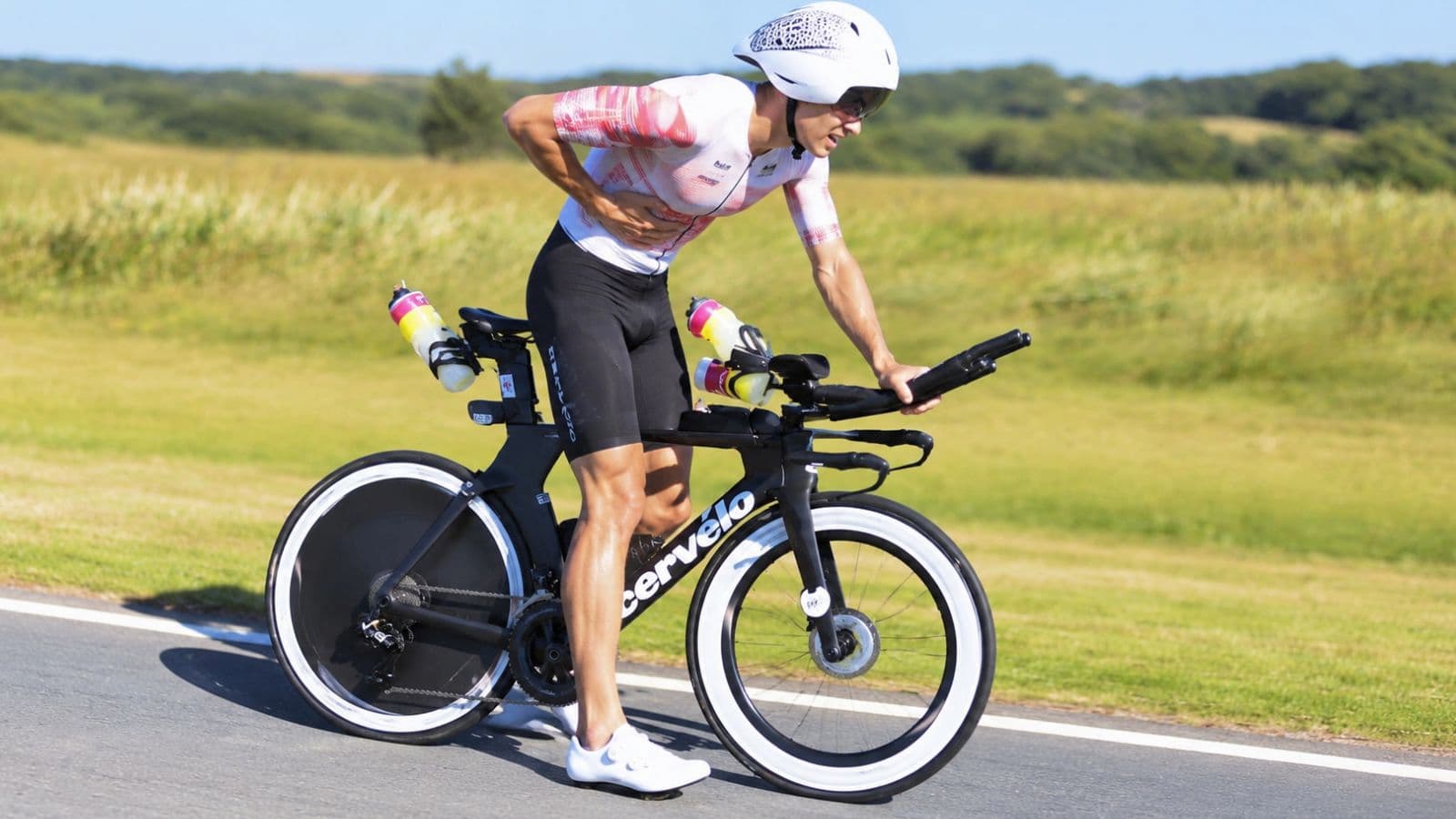


A side stitch while cycling is a sharp, cramping, or pulling sensation that usually develops beneath the ribs or along one side of the abdomen during exercise. It is commonly described as exercise related transient abdominal pain, or ETAP. Although side stitches occur more frequently during running, they can also affect cyclists, particularly during demanding workouts or races. The exact cause of side stitches is not fully understood. Possible contributing factors include irritation of the abdominal lining, recent food or fluid intake, and individual differences in posture or movement. Breathing patterns may influence discomfort, although evidence does not establish poor breathing as the primary cause. For triathletes, abdominal pain during cycling can interrupt pacing, make breathing uncomfortable, and affect preparation for the run.
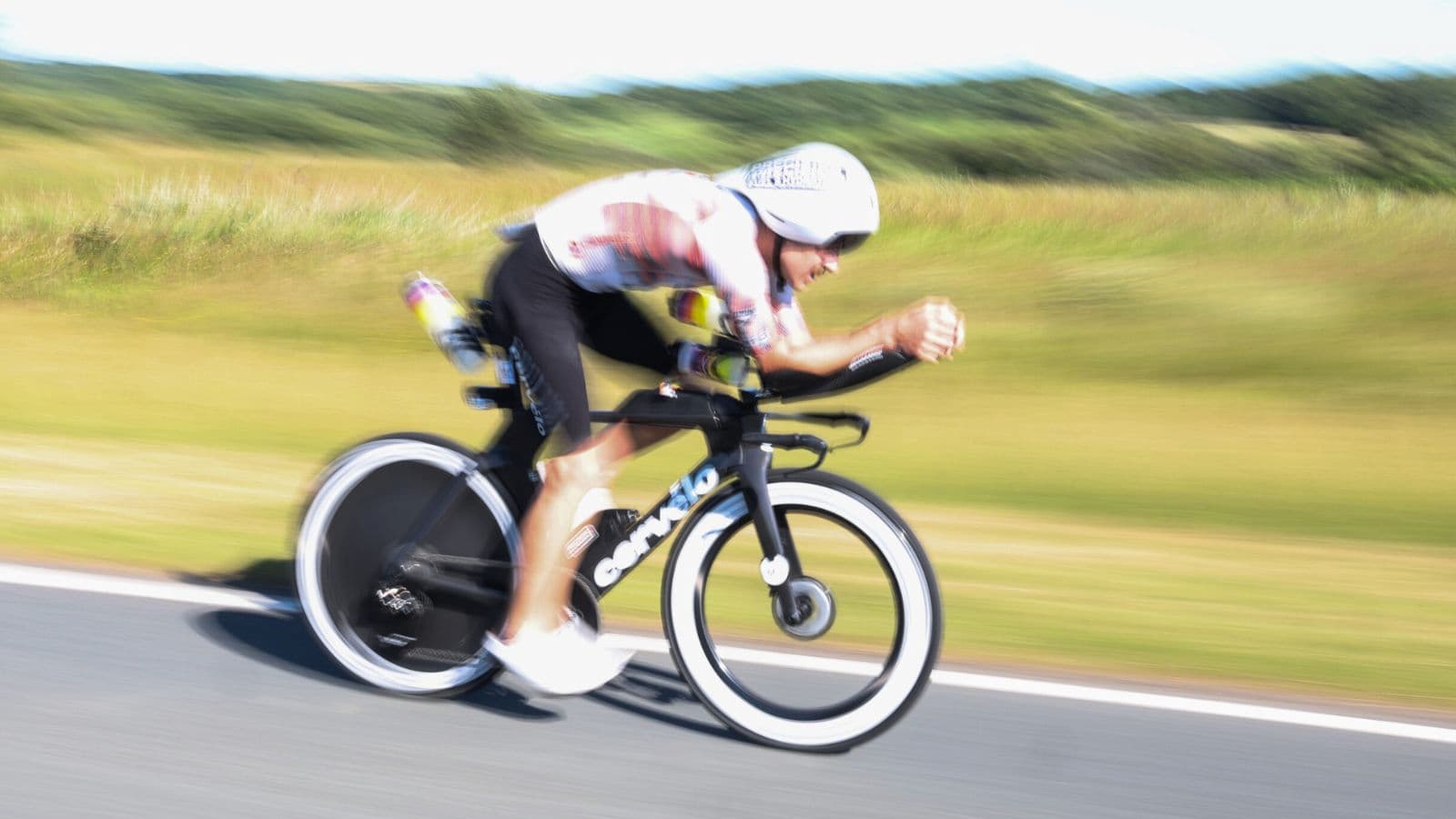
Most typical side stitches improve when exercise intensity decreases or the athlete stops. Understanding possible triggers and recognizing when pain requires medical attention can help cyclists respond appropriately.
In Short
- Side stitches cause temporary abdominal discomfort during exercise.
- The exact mechanism remains uncertain.
- Large meals or concentrated drinks may contribute.
- Intense exercise can make symptoms more noticeable.
- Riding posture may influence abdominal comfort.
- Slowing down often helps relieve symptoms.
- Food and hydration habits should be tested during training.
- Persistent or unusual pain requires medical assessment.
What Is a Side Stitch While Cycling?
A side stitch is a localized pain that develops during physical activity, commonly near the lower ribs. The sensation may feel sharp, stabbing, cramping, or pulling. Some athletes experience mild discomfort, while others need to reduce their effort. Unlike ordinary muscular fatigue, a typical side stitch is usually temporary and improves when exercise stops. However, not every episode of abdominal or chest pain during cycling is a side stitch. Pain that is severe, persistent, or accompanied by other concerning symptoms should not be assumed to be harmless.
What Causes Side Stitches During Cycling?
Researchers have proposed several explanations for exercise related transient abdominal pain. One leading theory involves irritation of the parietal peritoneum, the lining associated with the abdominal wall.
Other possible contributors include:
- Recent food intake.
- Large volumes of fluid.
- Highly concentrated carbohydrate drinks.
- Abdominal movement and mechanical stress.
- Individual posture and physical characteristics.
The diaphragm, which helps control breathing, was historically considered a possible source of side stitches. However, research has not established diaphragm cramping as the main explanation. The cause may vary between individuals.
Breathing Patterns Can Trigger A Side Stitch
Some cyclists notice abdominal discomfort when breathing becomes rapid during demanding efforts. Although breathing changes may accompany side stitches, there is limited evidence that a particular breathing pattern directly causes them. Understanding how can heart rate zones improve triathlon cycling speed and fitness can help athletes manage workout intensity before breathing becomes excessively strained. When discomfort develops, try reducing effort and allowing breathing to settle naturally. Avoid forcing unusually deep breaths if they increase pain.
Does Eating Before Cycling Cause Side Stitches?
Eating shortly before exercise may increase the likelihood of abdominal discomfort in susceptible athletes. Large meals can be particularly uncomfortable when combined with demanding cycling.
Possible triggers include:
- Eating a substantial meal immediately before riding.
- Consuming unfamiliar foods.
- Drinking large amounts at once.
- Using highly concentrated sports drinks.
Understanding what should triathletes eat for better training and recovery can help athletes organize everyday nutrition around training demands. Experiment with meal timing during ordinary workouts rather than important races.
Drinking Too Much Cause A Side Stitch
Large amounts of fluid consumed quickly may contribute to exercise related abdominal discomfort. Highly concentrated carbohydrate beverages have also been associated with side stitch symptoms in some research. However, this does not mean cyclists should deliberately restrict necessary hydration. Understanding how much should you drink per hour when cycling in hot weather can help athletes develop a hydration strategy appropriate for conditions and individual needs. Drink manageable amounts and avoid forcing excessive fluid intake.
Does Cycling Position Affect Side Stitches?
Cycling posture may influence how comfortable the abdomen feels during exercise. A low riding position can increase trunk flexion and may make existing abdominal discomfort more noticeable. However, evidence directly linking bike fit to side stitches remains limited. Understanding how do you adjust your bike for a better fit can help cyclists identify positions that support comfort and sustainable riding.
Avoid assuming that changing saddle height or handlebar position will automatically prevent side stitches.
Can Cycling Too Hard Trigger Abdominal Pain?
Side stitches may become more noticeable during strenuous exercise.
- Hard intervals
- Steep climbs
- Sudden accelerations
- can increase breathing demands and overall physical stress.
Understanding how can interval training improve triathlon cycling speed can help athletes introduce challenging efforts progressively. If pain develops during a hard workout, reduce intensity rather than attempting to push through severe discomfort. Training harder does not necessarily make an athlete resistant to side stitches.
How Do You Relieve a Side Stitch While Cycling?
When a typical side stitch develops, reducing exercise intensity is often the most useful immediate response.
Try the following:
- Reduce pedaling effort.
- Breathe comfortably and steadily.
- Relax unnecessary tension in the upper body.
- Sit more upright if safe and comfortable.
- Stop riding if discomfort does not improve.
Some athletes find that gentle pressure over the painful area helps, although evidence for this approach is limited. Understanding what is cycling cadence in a triathlon can help cyclists recognize how gearing and pedaling rhythm influence effort, but changing cadence is not an established treatment for side stitches. Do not attempt stretching or pressing the abdomen while riding if doing so compromises bike control.
Reduce Side Stitch Risk
Prevention involves identifying individual patterns rather than relying on one guaranteed solution.
Useful strategies include:
- Avoiding unusually large meals immediately before exercise.
- Practicing race nutrition.
- Drinking fluids in manageable amounts.
- Building training intensity gradually.
- Maintaining a comfortable cycling position.
- Recording when symptoms occur.
Understanding how to fuel for a 2 hour cycling ride in a triathlon can help athletes practice food and fluid intake during longer sessions. A training log may reveal whether discomfort repeatedly follows particular meals, drinks, or workout intensities.
Side Stitches Affect the Triathlon Run
Yes. A side stitch during cycling may disrupt pacing or remain uncomfortable during the transition to running. Running involves greater repetitive trunk movement and is more commonly associated with exercise related transient abdominal pain. Understanding how can you bike smarter to improve your triathlon run can help athletes manage cycling effort before beginning the final discipline. If discomfort persists during the transition, begin the run conservatively and reassess symptoms. Do not continue through severe or worsening pain.
When Should You Seek Medical Advice?
Typical side stitches are temporary and usually settle with reduced activity or rest. However, other medical conditions can cause abdominal or chest pain during exercise. Stop exercising and seek urgent medical attention for pain accompanied by chest pressure, severe shortness of breath, fainting, confusion, or other alarming symptoms.
- Persistent
- Recurring
- Worsening
- Unexplained abdominal pain
- also deserves medical evaluation.
Understanding when should you stop during a triathlon can help athletes recognize the importance of responding to concerning symptoms rather than prioritizing race completion.
Common Mistakes
- Assuming every abdominal pain is a side stitch.
- Eating a large meal immediately before riding.
- Drinking excessive fluid at once.
- Ignoring repeated symptoms.
- Continuing hard efforts through severe pain.
- Making major nutrition changes on race day.
- Assuming breathing exercises guarantee prevention.
- Overlooking persistent or unusual discomfort.
Practical Tips
- Record when side stitches occur.
- Experiment with pre ride meal timing.
- Practice hydration during training.
- Avoid unfamiliar sports drinks before racing.
- Increase workout intensity gradually.
- Maintain a comfortable riding position.
- Reduce effort when symptoms develop.
- Stop if pain becomes severe.
- Seek medical advice for recurring unexplained pain.
Actionable Takeaways
- Identify your individual triggers.
- Practice fueling and hydration.
- Reduce intensity when pain develops.
- Avoid forcing exercise through severe discomfort.
- Get persistent symptoms assessed.