

Heat training is usually associated with preparing for hot-weather races, but many endurance athletes are now using it even when their goal events take place in cooler conditions. Research and elite endurance practice increasingly suggest that controlled heat exposure may improve performance beyond simple heat adaptation alone. For triathletes and endurance athletes, the potential benefits of heat training include improved cardiovascular efficiency, plasma volume expansion, and better fatigue resistance. However, heat training must be used carefully because excessive heat stress without proper recovery can quickly lead to overtraining or illness.
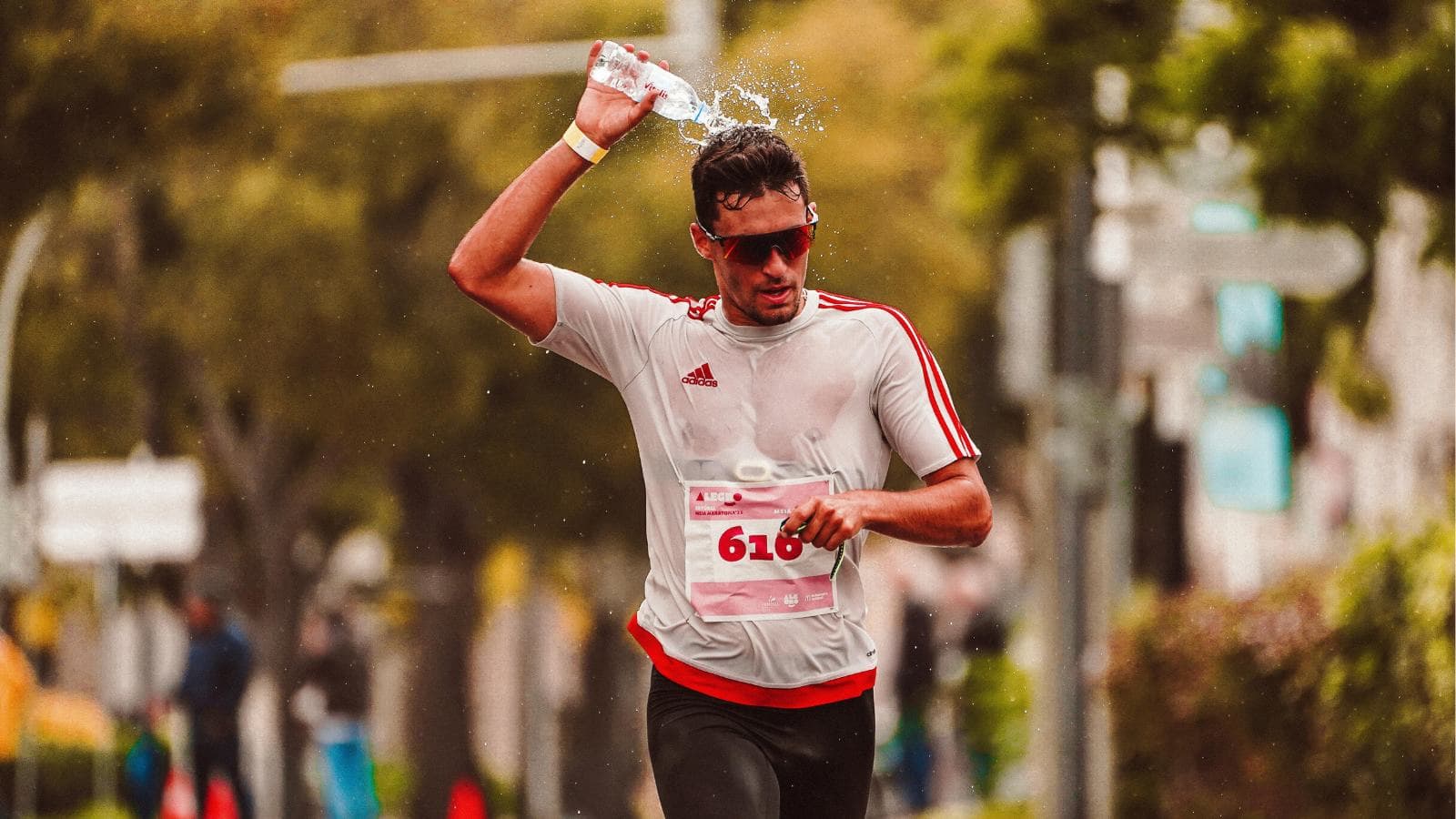
The goal is not simply suffering in the heat. The goal is creating controlled physiological adaptations that improve endurance performance overall.
What Is Heat Training?
Heat training involves exercising in hotter conditions than normal to create specific adaptations in the body.
This may include:
- Indoor trainer sessions without heavy cooling
- Running in warm environments
- Sauna use after training
- Extra clothing layers during easier sessions
The body gradually adapts to repeated heat exposure over time.
Why Heat Training May Improve Performance?
One of the main reasons heat training can improve endurance performance is plasma volume expansion.
Plasma is the liquid component of blood, and increased plasma volume may help:
- Improve cardiovascular efficiency
- Support better cooling
- Increase blood flow delivery
- Reduce heart rate at submaximal efforts
These changes may improve endurance performance even when racing in cooler temperatures. Research suggests heat adaptation can positively influence aerobic efficiency and cardiovascular function beyond hot-weather racing alone.
Heat Training Can Improve Perceived Effort
Athletes who adapt to heat often feel more comfortable handling physiological stress overall.
After adaptation, workouts may feel:
- More controlled
- Less overwhelming
- More sustainable at similar intensities
This improved tolerance to discomfort can help during demanding race situations even in moderate weather.
The Body Learns to Cool Itself Better
Repeated heat exposure improves thermoregulation.
Adaptations may include:
- Earlier sweating response
- More efficient cooling
- Lower core temperature during exercise
- Reduced cardiovascular strain
Even in cooler races, these adaptations may help athletes maintain steadier effort over time. This becomes especially important during long endurance events, similar to principles discussed in preventing burnout while training for triathlon, where controlling physiological stress improves overall race execution.
Heat Training May Support Aerobic Adaptation
Some studies suggest heat training may stimulate adaptations similar to altitude training in certain situations, particularly regarding blood plasma expansion. (trainerroad.com)
This may help endurance athletes improve:
- Aerobic efficiency
- Cardiac output
- Sustained endurance performance
However, heat training is not a shortcut or replacement for consistent aerobic development.
Indoor Cycling Often Creates Accidental Heat Training
Many triathletes already experience some heat stress naturally during indoor trainer sessions because cooling is limited and sweat rates are high.
Indoor sessions without proper fan setup often increase:
- Core temperature
- Heart rate drift
- Sweat loss
This can create mild heat adaptation effects over time, though excessive heat buildup may also reduce workout quality if unmanaged properly. This becomes especially relevant during hard indoor sessions, similar to concepts discussed in is indoor cycling enough to prepare for ironman, where cooling and hydration affect training quality significantly.
Heat Training Must Be Controlled Carefully
More heat is not automatically better. Excessive heat stress quickly increases fatigue and recovery demands.
Poorly managed heat training may lead to:
- Dehydration
- Poor recovery
- Reduced workout quality
- Heat illness
- Overtraining symptoms
Heat adaptation works best when introduced gradually and strategically.
Easy Sessions Work Best for Heat Exposure
Most heat training should happen during easier aerobic sessions rather than maximal interval work.
Easy sessions allow athletes to:
- Maintain manageable stress
- Adapt safely
- Reduce excessive fatigue accumulation
Trying to combine very hard workouts with aggressive heat stress often creates too much overall strain.
Hydration Becomes Extremely Important
Heat exposure increases sweat loss significantly, which means hydration and electrolyte management become much more important.
Even mild dehydration may affect:
- Heart rate
- Power output
- Recovery
- Mental focus
Athletes using heat training should pay close attention to hydration before, during, and after sessions. This becomes especially important in endurance sports, similar to strategies discussed in hydration strategy for triathlon by weather, where fluid balance strongly affects performance and recovery.
Sauna Use Is Becoming More Popular
Some endurance athletes use sauna sessions after training to increase heat exposure without adding additional muscular stress from exercise itself.
Research suggests sauna use may support:
- Heat adaptation
- Cardiovascular stress tolerance
- Recovery circulation
However, sauna sessions should still be introduced progressively to avoid excessive fatigue.
Heat Training Does Not Replace Fitness
One of the biggest misconceptions is that heat training alone creates major endurance gains without proper training structure.
Heat adaptation may enhance performance slightly, but it cannot replace:
- Aerobic development
- Structured intervals
- Recovery
- Long-term consistency
The athletes benefiting most from heat training are usually already following well-structured endurance programs.
Recovery Demands Increase With Heat Exposure
Heat stress adds another recovery layer on top of normal training stress. Athletes using heat adaptation often need additional attention to:
- Sleep
- Hydration
- Recovery nutrition
- Rest days
Ignoring recovery while adding heat exposure may quickly lead to accumulated fatigue. This balance between stress and adaptation is especially important in training for an ironman step by step guide, where recovery management determines whether training creates improvement or excessive fatigue.
Mental Adaptation Matters Too
Heat training may improve confidence and tolerance for discomfort during racing.
Athletes who regularly experience controlled heat stress often feel psychologically calmer during difficult race conditions because they become more familiar with elevated heart rate and discomfort sensations.
Not Every Athlete Responds the Same Way
Heat adaptation responses vary between athletes based on:
- Training history
- Hydration habits
- Genetics
- Climate exposure
- Recovery quality

Some athletes adapt quickly, while others require more gradual exposure.
Heat Training Should Not Compromise Key Sessions
One of the most important rules is protecting workout quality.
If heat stress causes:
- Poor interval execution
- Persistent fatigue
- Recovery problems
then the heat exposure is likely excessive. Heat adaptation should support training rather than compromise it.
Practical Ways Triathletes Use Heat Training
- Indoor rides with reduced fan use
- Easy runs in warmer conditions
- Sauna sessions after training
- Extra clothing during controlled aerobic sessions
The emphasis should remain on controlled and progressive exposure rather than extreme suffering.
Avoid Common Heat Training Mistakes
- Doing hard intervals in excessive heat
- Ignoring hydration needs
- Adding too much heat exposure too quickly
- Skipping recovery adjustments
- Treating heat adaptation like a shortcut
Avoiding these mistakes makes heat training safer and more effective long term.
Practical Heat Training Tips
- Start with shorter heat exposure sessions
- Use easier aerobic workouts initially
- Hydrate aggressively and consistently
- Monitor recovery closely
- Reduce heat stress if fatigue accumulates
- Prioritise sleep during adaptation periods
What You Should Do?
Start introducing heat exposure gradually if you want to experiment with heat adaptation for endurance performance. Focus first on easy aerobic sessions and recovery management rather than trying to combine maximum intensity with extreme heat stress. Pay attention to hydration, fatigue levels, and overall training quality throughout the process. Supporting heat adaptation with proper recovery and pacing, like strategies discussed in avoiding dead legs after the bike, helps ensure the additional stress improves adaptation rather than causing burnout.
Heat training may improve performance even in cooler races, but its biggest benefits come when it complements smart endurance training instead of replacing the fundamentals of consistency, recovery, and structured progression.