

Indoor training has become a powerful tool for triathletes, offering structure, control, and consistency. But when it comes to preparing for an Ironman, one of the most demanding endurance events, the question remains: is indoor training alone enough? The answer is nuanced. While indoor training can build a strong fitness foundation, a complete Ironman preparation usually requires a balance between indoor and real-world training.
What Indoor Training Actually Provides?
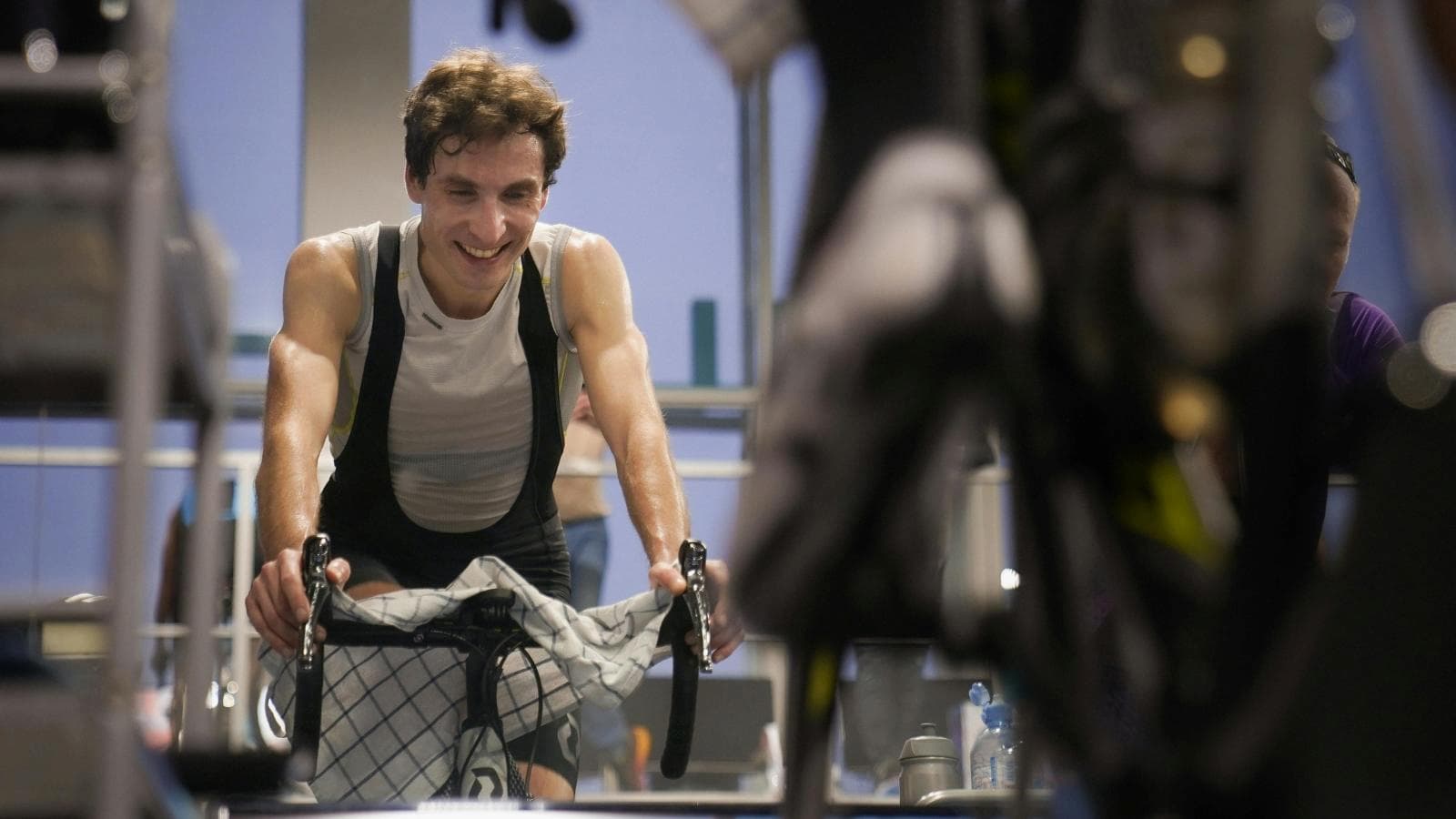
Indoor training allows you to control every variable. You can manage intensity, duration, and environment without external disruptions. This makes workouts more efficient and easier to structure. It is particularly useful for building consistency and targeting specific fitness zones.
For many athletes, indoor sessions form the backbone of weekly training.
The Strengths of Indoor Training for Ironman
- Indoor training excels in developing aerobic fitness and controlled pacing.
- You can perform structured sessions without interruptions like traffic or weather.
- This allows you to focus purely on effort and technique.
- It is also ideal for interval sessions and steady endurance rides.
Many athletes use indoor training to build the base needed for long-distance racing, much like in training strategies for a 70.3 and half ironman triathlon, where consistent effort is key.
Building Endurance Indoors
- Endurance is the most important component of Ironman training.
- Indoor cycling and treadmill running can effectively build aerobic capacity.
- Long, steady sessions help your body adapt to sustained effort.
- However, mental fatigue can become a limiting factor indoors.
- Breaking sessions into segments can help maintain focus and consistency.
- Indoor training can support endurance, but it requires discipline.
Pacing and Effort Control
- One of the biggest advantages of indoor training is pacing control.
- You can maintain a steady effort without external variables.
- This helps develop awareness of effort and energy use.
Learning to hold consistent output, similar to strategies used in pacing and fueling the bike leg in a triathlon, is essential for long-distance racing.
Indoor sessions are excellent for building this discipline.
Limitations of Indoor Training
- Despite its benefits, indoor training has limitations.
- It does not replicate real-world conditions like wind, terrain, and temperature.
- Handling skills, balance, and environmental adaptation are difficult to develop indoors.
- Mental resilience in outdoor conditions is also different.
- Ironman racing requires the ability to adapt to unpredictable situations.
- These elements cannot be fully trained indoors.
The Importance of Outdoor Cycling
- Outdoor riding develops bike handling, positioning, and adaptability.
- You learn how to manage hills, descents, and changing conditions.
- These skills are essential for race-day performance.
- Outdoor rides also help simulate race environments more accurately.
- Combining indoor structure with outdoor experience improves overall readiness.
Open Water Swimming Experience
- Swimming in open water is very different from pool training.
- Navigation, waves, and group dynamics add complexity.
- Practicing in real conditions builds confidence and control.
- Skills like sighting and pacing are essential.
Developing these abilities, similar to those covered in tips for sighting in open water swimming, is critical for race success.
Indoor or pool training alone cannot fully prepare you for this.
Running in Real Conditions
Treadmills provide controlled running environments. However, outdoor running introduces terrain, weather, and pacing challenges. Learning to manage effort outdoors is important for race-day execution. Transitioning between disciplines also feels different outside.
Outdoor training helps prepare your body for these variables.
Mental Preparation and Race Simulation
- Ironman racing is as much mental as physical.
- Outdoor training helps build resilience against environmental stress.
- Long rides and runs in real conditions simulate race-day challenges.
- Indoor sessions can feel controlled, but races are not.
- Balancing both environments prepares you mentally and physically.
Combining Indoor and Outdoor Training
- The most effective approach combines both methods.
- Indoor sessions provide structure and efficiency.
- Outdoor sessions build adaptability and confidence.
- Using both allows you to develop a complete skill set.
This balanced approach mirrors principles seen in off-season training for triathletes, where variety supports long-term development.
When Indoor Training Works Best?
- Indoor training is ideal during poor weather or limited time.
- It helps maintain consistency when outdoor training is not possible.
- Short, structured sessions can deliver strong results.
- It is also useful for targeted workouts like intervals or cadence work.
- Indoor training is a valuable tool, but not a complete solution on its own.
Common Mistakes
- Relying only on indoor training limits real-world readiness.
- Ignoring outdoor conditions reduces adaptability.
- Skipping open water practice affects swim performance.
- Lack of long outdoor sessions limits endurance confidence.
- Over-reliance on controlled environments reduces race preparedness.
Practical Checklist
- Use indoor training for structured workouts
- Include regular outdoor cycling and running
- Practice open water swimming
- Simulate race conditions during long sessions
- Build both physical and mental endurance
What You Should Do?
- Use indoor training as a foundation for consistency and structure.
- Gradually incorporate outdoor sessions to build real-world skills.
- Practice race-specific conditions whenever possible.
- Develop both endurance and adaptability.
- Following a structured approach, similar to how to choose a free triathlon training plan for sprint olympic and ironman, ensures balanced preparation across all disciplines.
- Long-term success also depends on understanding progression and consistency, as seen in training for open water swimming in 8 weeks, where gradual adaptation improves performance.
- Indoor training is powerful, but it works best as part of a complete training strategy.