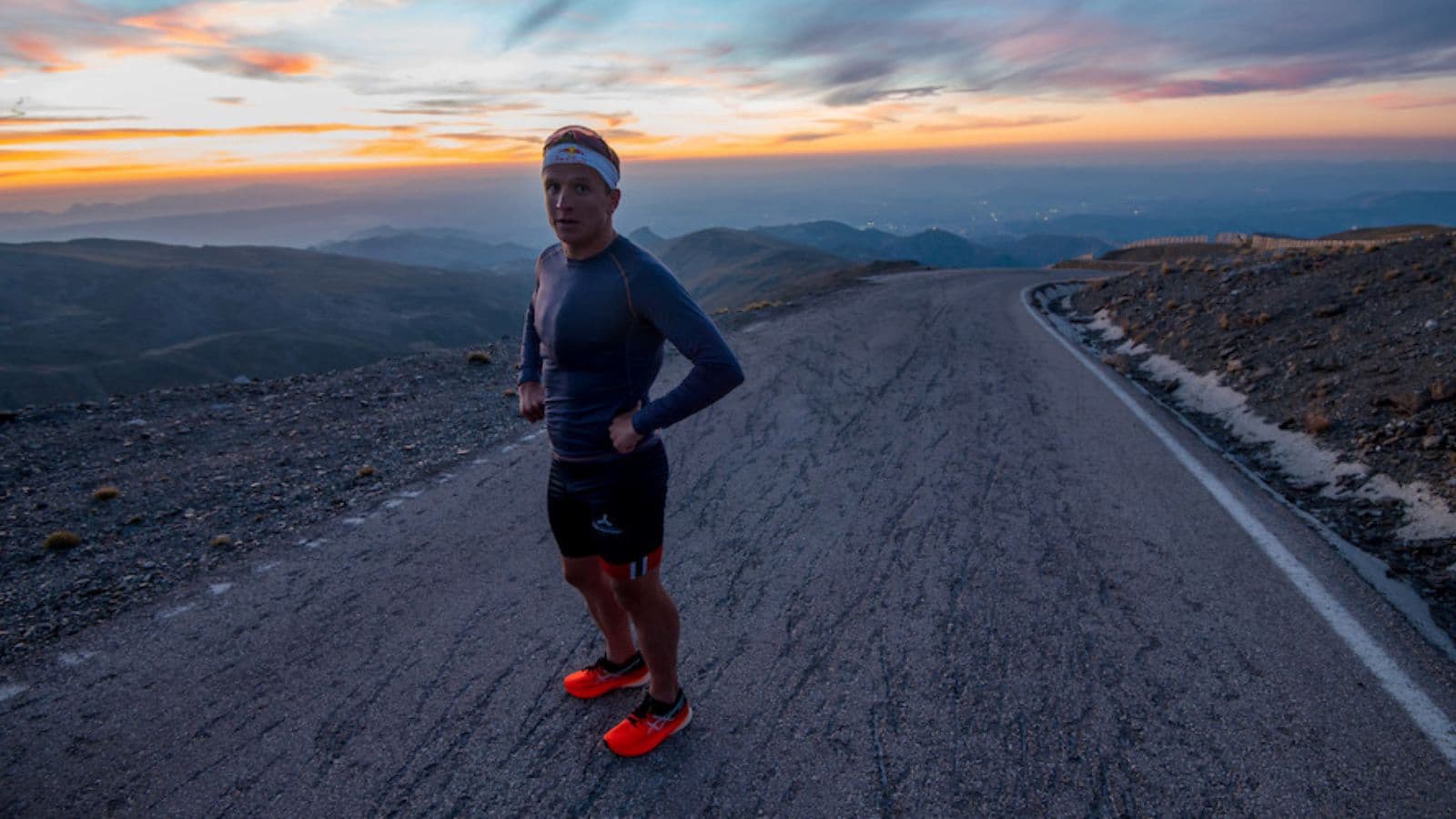


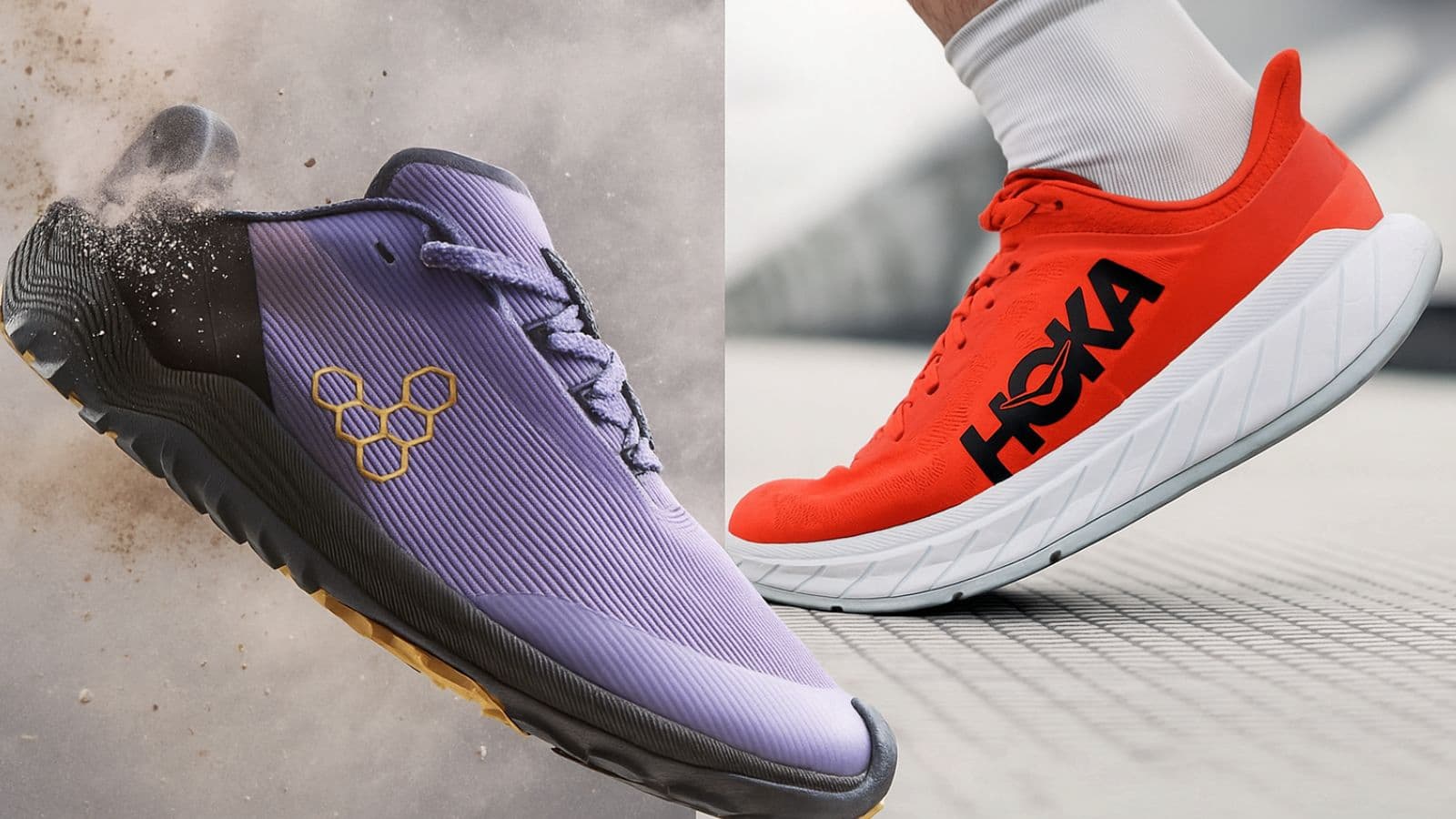
Men and women do not necessarily need different running shoe cushioning because the ideal cushioning depends more on individual comfort, body weight, running mechanics, and footwear preferences than sex alone. Although manufacturers often design separate men’s and women’s running shoes, these differences do not mean every runner requires gender specific cushioning. Running shoes use cushioning materials to absorb and distribute forces during ground contact. Different foam densities, midsole thicknesses, and shoe constructions influence how soft, firm, or responsive a shoe feels. For triathletes, footwear selection is particularly important because running often follows swimming and cycling. Fatigue from the bike leg may affect running mechanics, making comfortable and familiar shoes valuable during training and racing. Understanding how cushioning interacts with foot shape, body weight, and running demands helps athletes choose shoes based on their individual needs rather than relying entirely on gender labels.
In Short
- Men and women do not automatically require different cushioning.
- Body weight can influence how cushioning feels.
- Foot shape and shoe fit are important.
- Softer cushioning is not always better.
- Running mechanics vary between individuals.
- Comfort is a useful shoe selection factor.
- Training distance can influence footwear preferences.
- Test shoes during training before racing.
Understanding Running Shoe Cushioning
Running shoe cushioning primarily comes from the midsole, which sits between the foot and outsole. Manufacturers use different foam materials and designs to influence comfort, responsiveness, and impact characteristics.
Common cushioning categories include:
- Minimal cushioning: Less material beneath the foot, often producing greater ground feel.
- Moderate cushioning: A balance of protection, flexibility, and ground feel.
- Maximum cushioning: Thicker midsoles designed to provide substantial material beneath the foot.
- Responsive cushioning: Materials designed to compress and rebound during running.
More cushioning does not automatically mean better injury protection or faster running.
The most suitable design depends on the individual runner.
Differences Between Men’s and Women’s Running Shoes
Manufacturers sometimes adjust running shoes according to average differences in foot dimensions and body characteristics. However, considerable overlap exists between male and female runners.
| Shoe feature | Common design differences |
|---|---|
| Heel width | Some women’s models use narrower heels |
| Forefoot shape | Width and volume may differ |
| Midsole firmness | Some models use different foam tuning |
| Shoe weight | Often varies with size and construction |
| Overall fit | Last shape may differ between models |
These are design tendencies rather than universal biological requirements.
A runner should choose whichever model fits comfortably, regardless of its marketing category.
How Body Weight Influences Cushioning?
Body weight affects the forces applied to running shoes and how much a midsole compresses. A heavier runner may experience the same foam differently from a lighter runner. However, body weight alone cannot determine the ideal cushioning level.
- Running speed
- Foot strike
- Shoe construction
- Personal preference
also influence comfort.
Understanding how does increasing running cadence help prevent knee injuries can help triathletes explore how running mechanics affect loading, although cadence adjustments do not replace appropriate footwear selection.
The Importance of Foot Shape and Fit
Foot shape often matters more than whether a shoe is labeled for men or women. Some runners have narrow heels, wide forefeet, high arches, or different volume requirements.
A suitable running shoe should provide:
- Comfortable toe space.
- Secure heel positioning.
- Appropriate midfoot support.
- No persistent pressure points.
- Enough room for natural foot movement.
Shoes that fit poorly may cause rubbing, blisters, or discomfort regardless of cushioning quality.
Cushioning and Running Mechanics
Every runner moves differently.
- Stride length
- Foot placement
- Cadence
- Joint movement
- influence how forces are distributed during running.
Understanding how does pronation affect your running gait can help athletes recognize that foot movement varies naturally. Pronation is the inward rolling motion of the foot during ground contact. It is a normal part of running and does not automatically require corrective footwear. Similarly, understanding does forefoot running reduce injury risk can help runners avoid assuming that one foot strike pattern is universally safer. Cushioning should complement comfortable movement rather than force an unfamiliar running style.
Choosing Cushioning for Different Triathlon Distances
Running shoe preferences may change according to race distance. A sprint triathlon involves a shorter run, while an Ironman requires maintaining running comfort over marathon distance.
| Triathlon distance | Cushioning consideration |
|---|---|
| Sprint | Comfortable, familiar shoes suited to faster running |
| Olympic | Balance of comfort, fit, and responsiveness |
| Half Ironman | Reliable comfort over longer distances |
| Ironman | Proven fit and cushioning during prolonged running |
There is no universal cushioning requirement for any distance. Understanding how can you reduce fatigue during the triathlon run leg can help athletes recognize that pacing, fueling, and bike effort also influence running comfort.
Cushioning and Running Efficiency
A shoe’s midsole construction can influence running economy, which describes the energy required to maintain a given pace. Some modern performance shoes combine responsive foams with stiff plates or other structural features. However, benefits vary between runners. Understanding what matters more in triathlon: fitness or technique can help athletes place footwear within the broader context of endurance performance. Shoes may influence running efficiency, but they cannot replace appropriate training.
Stability Versus Softness
Soft cushioning and stability are not the same thing. Some heavily cushioned shoes feel stable, while others may feel less controlled depending on their geometry and the runner’s movement. Understanding how does posture affect triathlon running performance can help athletes recognize the importance of overall body positioning.
When testing shoes, consider:
- Comfort during normal running.
- Stability when turning.
- Heel and midfoot security.
- Confidence on uneven surfaces.
- Comfort as fatigue develops.
Avoid choosing shoes solely because they have the thickest or softest midsole.
Running Shoes After the Bike Leg
Triathlon running presents a particular challenge because athletes begin the run after cycling. Temporary changes in leg sensation, coordination, and perceived effort may occur during the transition. Understanding what causes jelly legs after bike to run transition in a triathlon can help athletes prepare for this experience. Practice running in your intended race shoes after cycling during selected training sessions. This allows you to assess comfort when your legs are already fatigued.
Cushioning and Injury Prevention
No particular cushioning category has been shown to prevent all running injuries. Injury risk depends on several factors, including:
- Training load
- Recovery
- Previous injuries
- Individual biomechanics
Understanding what training habits increase injury risk in triathlon runners can help athletes focus on factors beyond footwear. If a shoe consistently causes pain or discomfort, consider reassessing its fit and suitability. Persistent or worsening pain should be evaluated by an appropriate healthcare professional.
Selecting Running Shoes for Individual Needs
The most practical approach is to compare shoes based on fit, comfort, and intended use.
Useful considerations include:
- Your normal training distance.
- Preferred cushioning feel.
- Foot width and shape.
- Running surface.
- Previous footwear experience.
- Comfort during longer runs.
Understanding how to improve your triathlon running form can help athletes recognize that efficient movement and footwear selection work together. Try different models when possible and avoid assuming that the most expensive shoe is automatically the best option.
Testing Shoes Before Race Day
New shoes should be introduced during training rather than immediately before an important race. Begin with shorter runs and gradually assess comfort during longer sessions. Understanding how should you pace the bike to run better in a triathlon can help athletes evaluate footwear under realistic race conditions. Pay attention to pressure points, rubbing, stability, and comfort as fatigue develops. A familiar, comfortable shoe is generally preferable to an untested model on race day.
Common Mistakes
- Choosing cushioning based only on gender.
- Assuming softer shoes prevent injuries.
- Ignoring foot width and shape.
- Buying shoes without checking fit.
- Changing running mechanics to match footwear.
- Selecting shoes only by appearance.
- Wearing unfamiliar shoes on race day.
- Ignoring persistent discomfort.
Practical Tips
- Prioritize fit and comfort.
- Compare different cushioning levels.
- Consider your usual running distance.
- Test shoes at normal training speeds.
- Check heel security and toe space.
- Practice running after cycling.
- Replace shoes when performance or comfort deteriorates.
- Seek professional advice for persistent pain.
Actionable Takeaways
- Choose cushioning based on individual needs.
- Do not rely solely on gender labels.
- Prioritize comfortable fit.
- Test shoes during training.
- Use familiar footwear for racing.