
One of the most common questions new triathletes ask is: “What is a good triathlon time for a beginner?” The answer depends on several factors, including race distance, fitness background, course difficulty, and overall goals.
For most beginners, the best benchmark is not comparing yourself to experienced athletes, it is finishing confidently, pacing correctly, and enjoying the race experience. Triathlon is a demanding endurance sport that combines swimming, cycling, and running, so simply completing the event is already a major achievement for first-time athletes.
A “good” beginner time is one that reflects smart pacing, solid preparation, and a strong finish rather than chasing unrealistic expectations.
Why Beginner Triathlon Times Vary So Much?
Triathlon performance is influenced by multiple variables, which is why finish times can differ significantly between athletes.
Key factors include:
- Race distance
- Swimming ability
- Cycling experience
- Running fitness
- Transitions
- Weather and course conditions
Someone with a strong running background but little swim experience may perform very differently from a cyclist entering their first triathlon. This is why comparing times without context can be misleading.
Typical Beginner Triathlon Finish Times
- For a Sprint Triathlon, many beginners finish between:
1 hour 20 minutes to 2 hours - For an Olympic Distance Triathlon, beginner times are often around:
2 hours 45 minutes to 4 hours
These are broad ranges because every course and athlete is different. The goal for beginners should usually be consistency and controlled pacing rather than chasing aggressive times. This becomes especially important when learning beginners training for a sprint triathlon, where developing confidence and endurance matters more than speed initially.
The Swim Often Determines Confidence
For many beginners, the swim is the most intimidating part of triathlon. Athletes who start too aggressively often become fatigued early and struggle throughout the race.
A controlled swim pace allows you to:
- Stay calm
- Maintain breathing rhythm
- Conserve energy for the bike and run
This is particularly important in open water events, where pacing and relaxation directly affect performance, similar to strategies discussed in training for open water swimming in 8 weeks, where staying relaxed improves efficiency.
Transitions Affect Total Time More Than Many Beginners Realise
Transitions are part of the race, not breaks between disciplines. Beginners often lose unnecessary time because they rush, panic, or become disorganised.
Efficient transitions involve:
- Simple gear setup
- Calm movement
- Practicing beforehand
Even small improvements in transitions can reduce overall race time significantly without requiring additional fitness.
The Bike Leg Is Where Many Beginners Make Mistakes
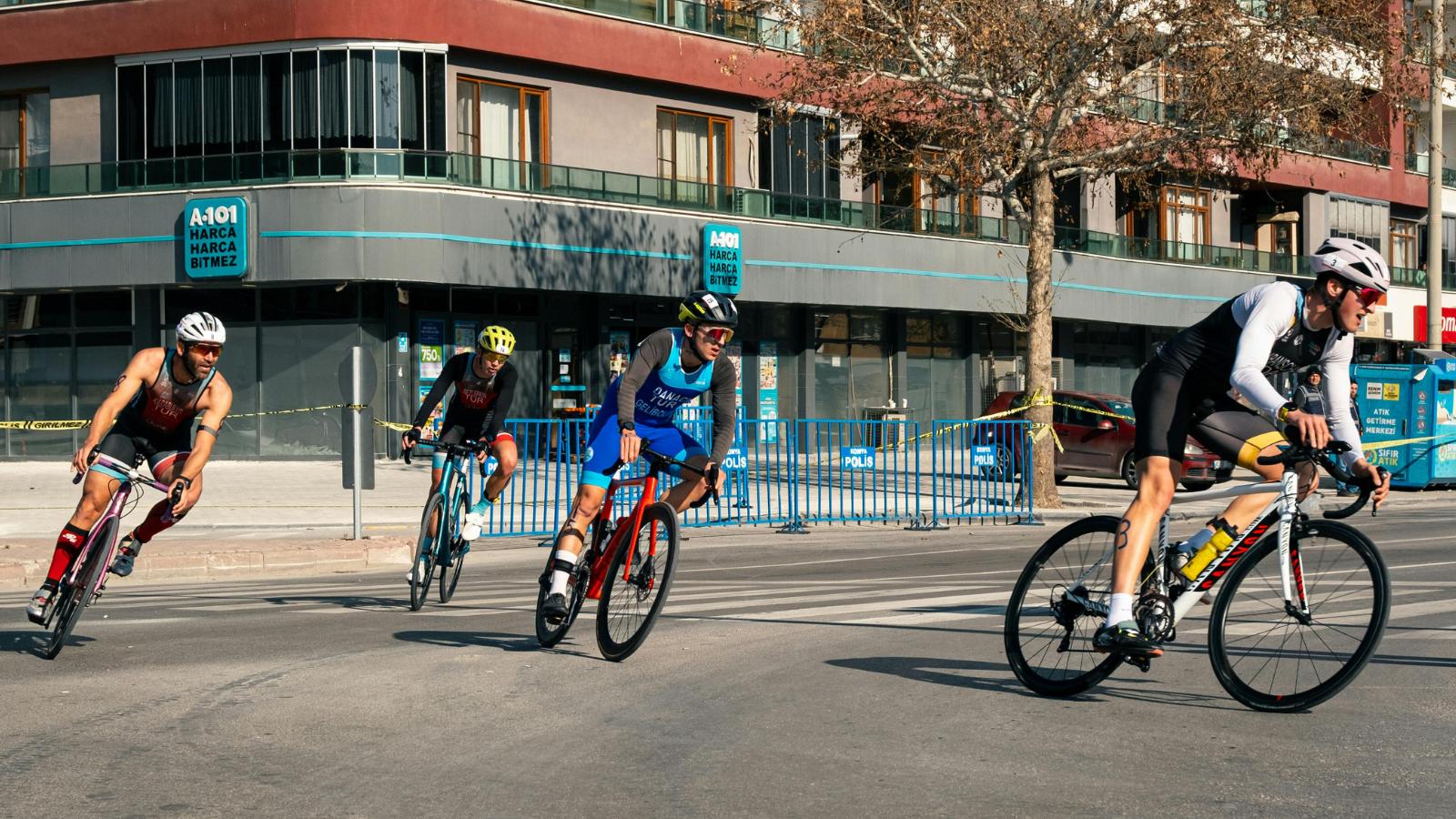
New triathletes frequently ride too hard during the bike section because they still feel fresh after the swim. However, excessive effort on the bike usually leads to fatigue and slower running later.
The best beginner bike strategy is maintaining a controlled, sustainable effort. This balance between speed and energy management is a major part of how to pace and fuel the bike leg in a triathlon, where smooth pacing improves overall race performance.
The Run Is Often About Energy Management
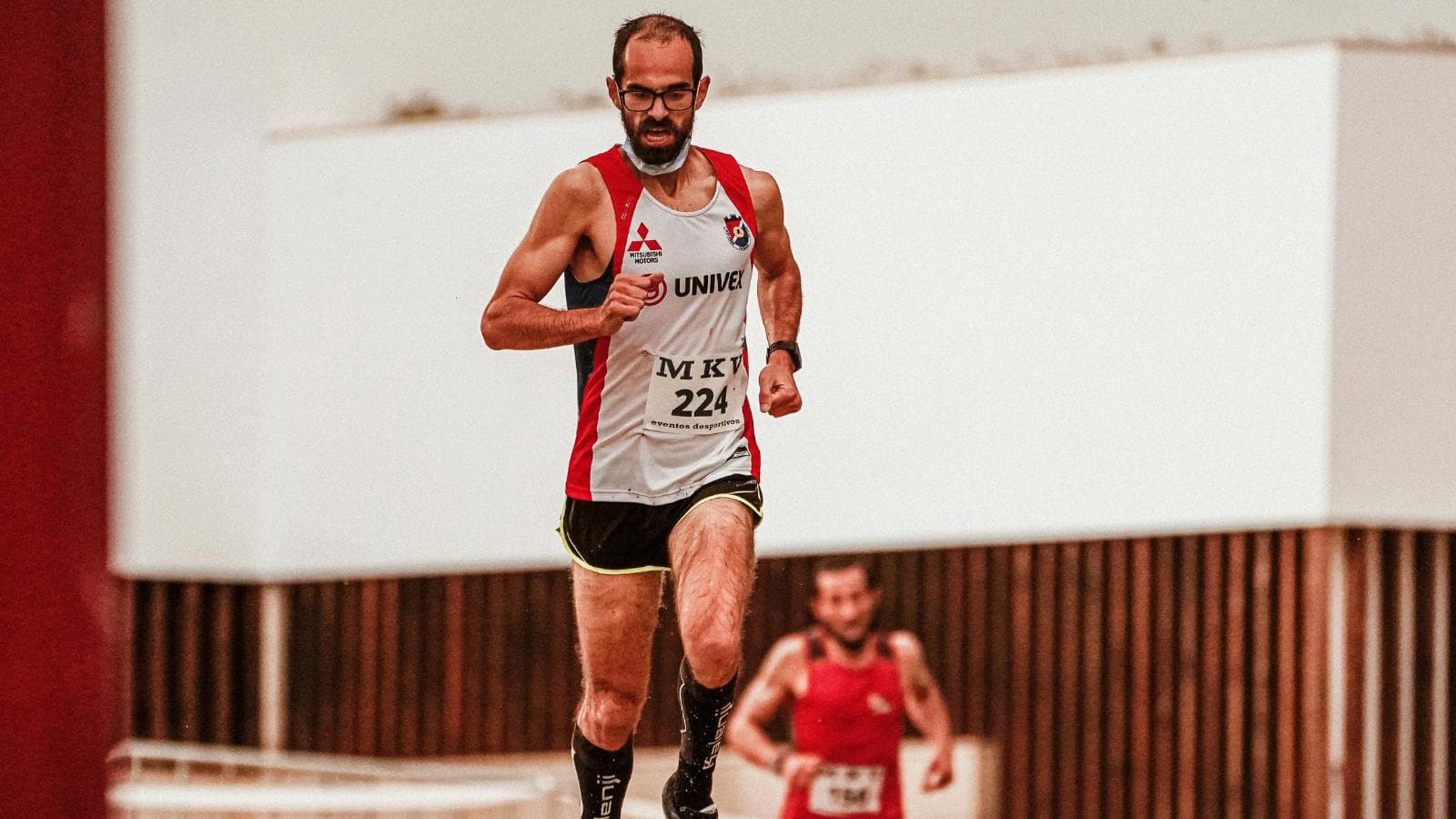
Many first-time triathletes discover that running after cycling feels very different from running alone. Heavy legs and fatigue are common, especially if pacing on the bike was too aggressive.
Starting the run conservatively and gradually building rhythm usually produces stronger overall results. Practicing this transition in training through brick workouts is extremely helpful, as explained in brick workout in triathlon, where adaptation improves both confidence and pacing.
Course Conditions Can Change Finish Times Dramatically
Not all triathlon courses are equal.
Times can vary depending on:
- Hilly or flat bike courses
- Open water conditions
- Weather and heat
- Road surface quality
- Wind exposure
A slower time on a difficult course may actually represent a stronger performance than a faster time on an easier course.
Fitness Background Matters
Athletes entering triathlon from a single-sport background often have strengths and weaknesses.
For example:
- Runners may struggle more in the swim
- Cyclists may fatigue during the run
- Swimmers may lose time on the bike
Balanced development across all three disciplines usually matters more than excelling in one area alone. This long-term approach is also important in training for a 70.3 and half ironman triathlon, where consistency across disciplines becomes essential.
What Should Beginners Actually Focus On?
Instead of obsessing over finish times, beginners should focus on:
- Finishing confidently
- Pacing correctly
- Learning race strategy
- Managing nutrition and hydration
- Building race experience
A well-paced race with steady energy is far more valuable than chasing an unrealistic target and fading badly later.
Why Comparison Often Hurts Beginners?
Many new triathletes compare themselves to experienced athletes on social media or race results. This often creates unrealistic expectations.
Triathlon improvement takes time because it involves three separate sports plus transitions and fueling strategy. Progress should be measured against your own previous performances rather than other athletes.
Consistency Improves Times Naturally
The best way to improve triathlon times is through consistent training rather than searching for shortcuts.
Steady progress in:
- Swimming efficiency
- Cycling endurance
- Running durability
- Race pacing
all contribute to faster overall performance over time. This long-term consistency is similar to approaches discussed in training for ironman triathlon step by step guide, where smooth execution matters more than short bursts of effort.
Avoid Common Beginner Triathlon Mistakes
- Starting the swim too hard
- Overbiking early in the race
- Ignoring fueling and hydration
- Rushing transitions
- Comparing yourself excessively to others
Avoiding these mistakes alone often leads to much better race experiences and finish times.
Practical Tips for Beginner Triathlon Success
- Start conservatively in every discipline
- Practice transitions before race day
- Fuel and hydrate consistently
- Focus on pacing rather than speed
- Train consistently over time
- Prioritise finishing strong over racing aggressively
What You Should Do?
Start by choosing realistic expectations based on your current fitness and race distance. Focus on building consistency across swimming, cycling, and running rather than worrying about exact finish times.
Practice pacing, transitions, and fueling during training so race day feels more familiar and controlled. Supporting your preparation with structured planning, like approaches discussed in choosing a free triathlon training plan for sprint olympic and ironman, helps create steady improvement without unnecessary pressure.
A good beginner triathlon time is ultimately one that leaves you finishing proud, confident, and motivated to improve further in future races.