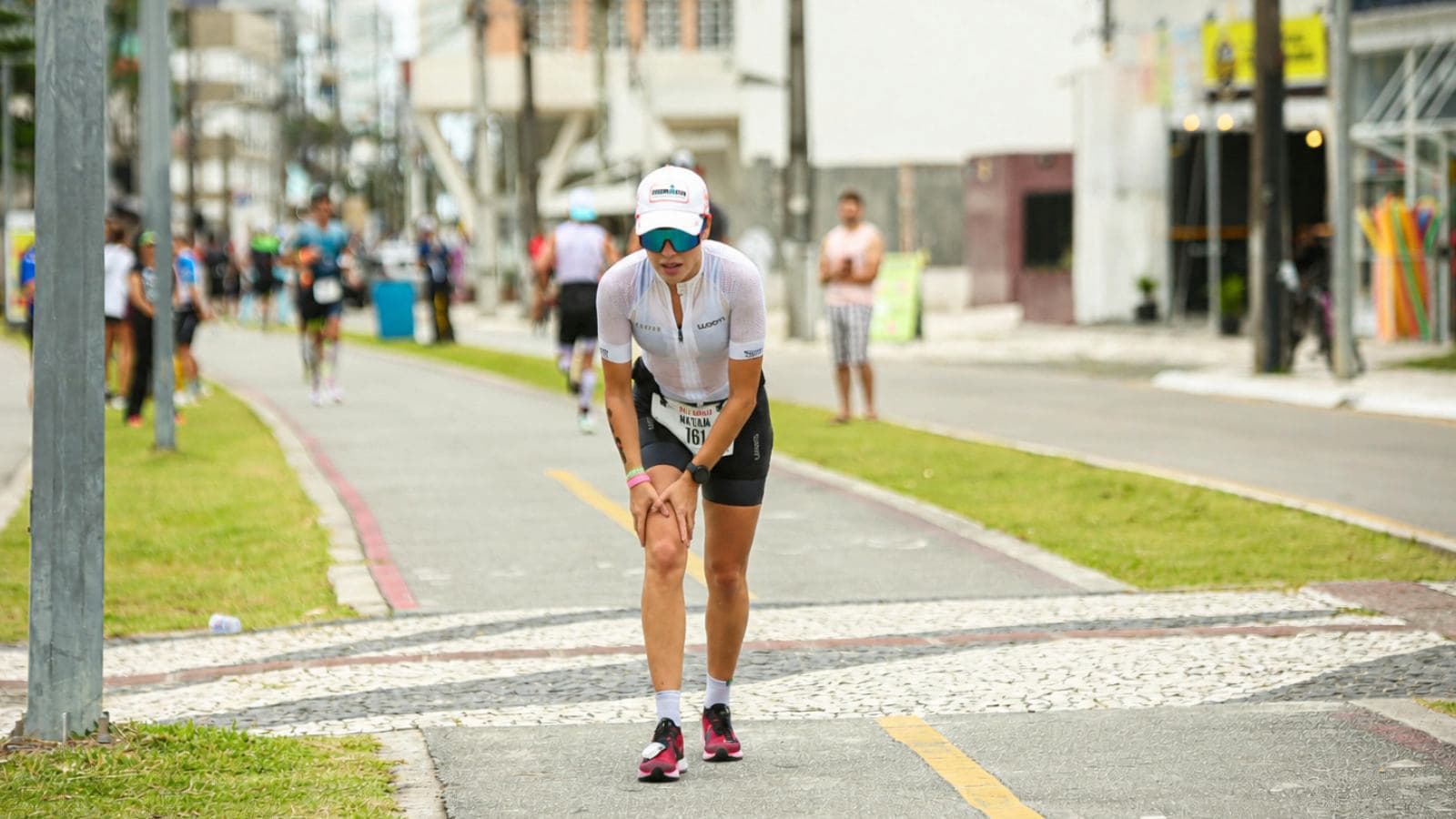


Triathletes can manage tendonitis by reducing activities that aggravate the tendon, modifying training intensity, and gradually rebuilding strength. The goal is to maintain fitness without repeatedly exposing the injured tendon to more stress than it can tolerate. Tendonitis refers to tendon inflammation, although persistent tendon pain is often more accurately described as tendinopathy. Common problem areas include the Achilles tendon, patellar tendon, shoulder, and hip tendons. Swimming, cycling, and running place different demands on the body. This gives triathletes opportunities to adjust their training while allowing painful tendons to recover. However, continuing normal training despite worsening symptoms can prolong recovery. Early load management, appropriate strengthening, and professional assessment when needed are more effective than simply ignoring pain.
In Short
- Reduce activities that aggravate tendon pain.
- Maintain fitness through comfortable training.
- Avoid sudden increases in training volume.
- Introduce progressive tendon strengthening.
- Monitor symptoms during and after exercise.
- Return to harder workouts gradually.
- Seek professional assessment for persistent pain.
Common Tendon Problems in Triathlon
Different disciplines can overload specific tendons.
| Tendon | Common aggravating activity |
|---|---|
| Achilles | Running and hill workouts |
| Patellar | Running, jumping, and heavy cycling |
| Rotator cuff | Repetitive swimming |
| Gluteal | Running and prolonged compression |
| Hamstring | Faster running and hill sessions |
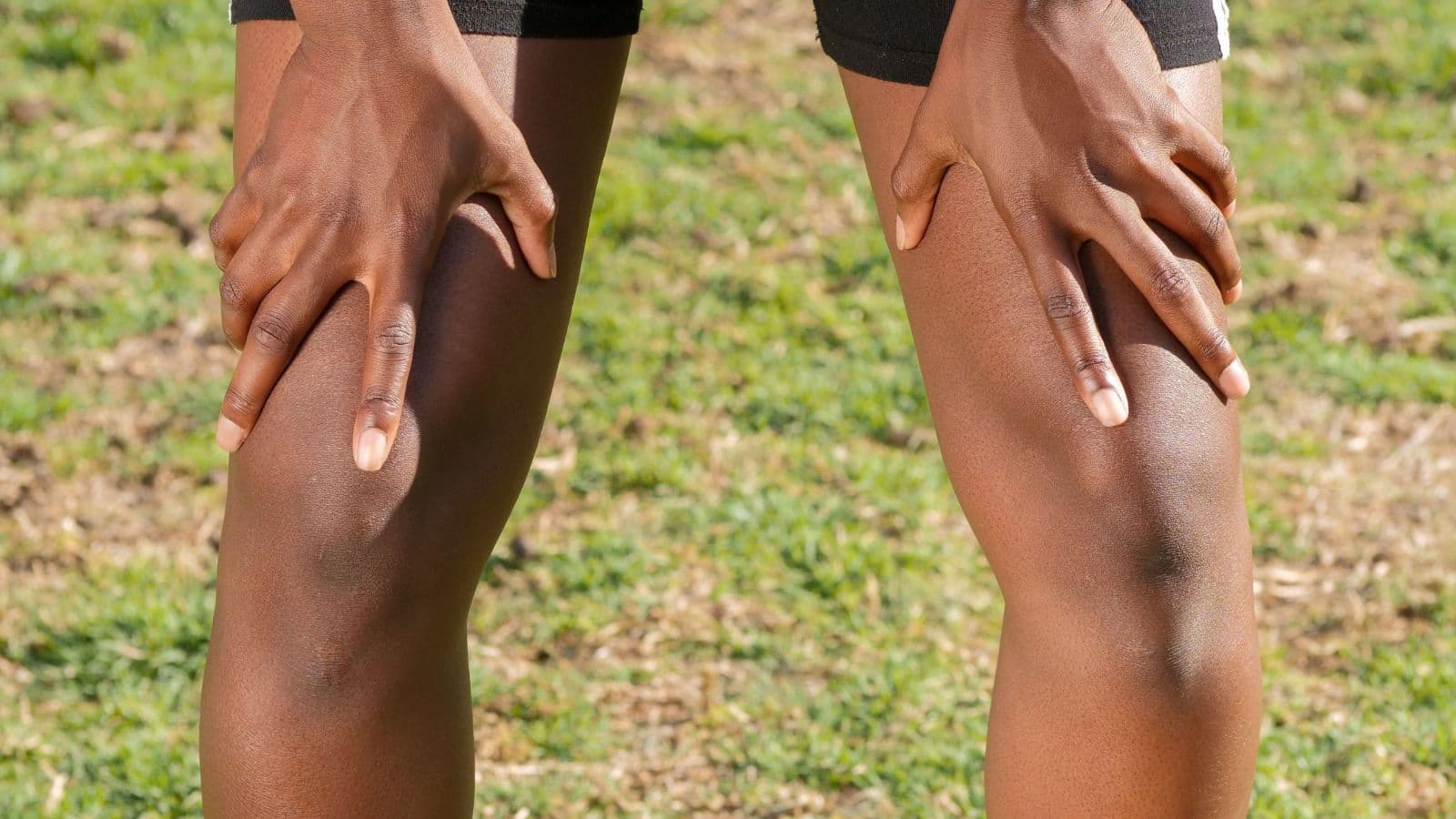
Understanding what is patellar tendonitis and how can triathletes treat it can help athletes recognize common knee tendon symptoms. Pain location alone does not confirm a diagnosis. Other injuries can produce similar symptoms.
Adjust Training Load Early
Reducing excessive tendon loading is usually the first practical step. This does not necessarily mean stopping every workout. Instead, identify which movements increase symptoms.
Useful adjustments include:
- Reducing running distance.
- Removing hill repeats.
- Avoiding sprint sessions.
- Lowering cycling resistance.
- Modifying painful swim drills.
- Allowing more recovery between sessions.
Understanding how to reduce injury risk when increasing triathlon volume can help prevent repeated overload. A temporary reduction in training is often preferable to a longer interruption caused by worsening symptoms.
Use Pain as a Training Guide
Mild discomfort does not always require complete rest, but pain should not steadily increase during exercise. A commonly used rehabilitation approach allows mild discomfort, provided symptoms remain manageable and return to baseline afterward.
Monitor:
- Pain during exercise.
- Symptoms later that day.
- Morning stiffness.
- Pain during normal walking.
- Changes in movement or technique.
If pain increases, causes limping, or remains worse the following morning, reduce the load. Understanding what training habits increase injury risk in triathletes can help identify behaviors that repeatedly aggravate tendon problems. Pain monitoring should be individualized with a qualified clinician.
Maintain Fitness Through Suitable Training
Triathletes may be able to continue exercising through disciplines that do not aggravate the affected tendon.
For example:
- Achilles pain may allow comfortable swimming.
- Some knee tendon problems may tolerate easy cycling.
- Shoulder tendon pain may require reducing swimming.
- Deep water running may provide an alternative to land running.
Understanding how to combine swim, bike and run training effectively can help athletes reorganize sessions around their current limitations. Cross training should remain comfortable. An alternative activity is not automatically safe simply because it involves a different discipline.
Strengthen the Affected Tendon
Progressive resistance training is an important part of managing many tendon conditions. Appropriate exercises help restore strength and improve tolerance to loading.
Depending on the tendon, rehabilitation may include:
- Calf raises.
- Controlled squats.
- Isometric holds.
- Hip strengthening.
- Shoulder resistance exercises.
Start with tolerable resistance and progress gradually. Understanding how to prevent running injuries with strength and mobility training in a triathlon can help athletes incorporate strength work into their routine. Exercise selection depends on the tendon involved, symptom severity, and stage of recovery.
Modify Running Without Losing Progress
Running often requires the greatest adjustment because repeated impact places substantial demands on lower limb tendons.
During recovery:
- Choose flat routes.
- Reduce running duration.
- Avoid sprinting.
- Remove steep hills.
- Use comfortable running speeds.
- Separate demanding sessions with recovery.
Understanding how to avoid running injuries as mileage increases in a triathlon can help athletes rebuild training volume more safely. Returning to previous mileage immediately after symptoms improve can trigger another setback.
Adjust Cycling and Swimming
Cycling and swimming can maintain aerobic fitness, but both may aggravate certain tendon conditions.
For cycling, consider:
- Reducing heavy gear efforts.
- Avoiding painful standing climbs.
- Checking saddle position.
- Keeping resistance comfortable.
For swimming, consider:
- Reducing painful stroke volume.
- Avoiding aggressive paddle work.
- Modifying drills.
- Maintaining comfortable technique.
Understanding how to stop neck and back pain in the aero position can also help athletes recognize when equipment setup contributes to unnecessary physical stress, although tendon pain requires its own assessment.
Prioritize Recovery and Consistency
Tendons often recover gradually, particularly when symptoms have been present for several weeks or months. Recovery requires appropriate loading rather than repeated cycles of complete rest followed by excessive training.
Helpful habits include:
- Maintaining consistent sleep.
- Eating enough to support recovery.
- Allowing rest between demanding sessions.
- Following a progressive strengthening plan.
- Monitoring symptoms over time.
Understanding how can you train for a triathlon without neglecting recovery can help athletes balance rehabilitation with continued fitness development. Persistent tendon problems may require several months of structured rehabilitation.
Return to Full Training Gradually
Return to normal training when the tendon tolerates daily activities, rehabilitation exercises, and modified workouts without significant symptom increases.
A practical progression is:
- Restore comfortable daily movement.
- Build strength and loading tolerance.
- Reintroduce easy training.
- Increase duration gradually.
- Add faster efforts and hills later.
Understanding how can triathletes learn from an injury setback can help athletes make sustainable training changes rather than rushing to regain missed sessions. Seek prompt medical assessment for sudden severe pain, a popping sensation, marked swelling, or inability to bear weight, as these can indicate a more serious injury.
Common Mistakes
- Training through worsening pain.
- Returning to full mileage too quickly.
- Ignoring morning stiffness.
- Stopping all strengthening exercises.
- Increasing intensity before rebuilding tolerance.
- Using painkillers to push through workouts.
- Assuming every tendon injury requires the same treatment.
Practical Tips
- Identify painful activities early.
- Reduce aggravating training loads.
- Maintain comfortable aerobic exercise.
- Follow progressive strength rehabilitation.
- Monitor symptoms the next morning.
- Return to harder workouts gradually.
- Consult a sports physiotherapist when symptoms persist.
Actionable Takeaways
- Manage tendon load early.
- Keep training within comfortable limits.
- Rebuild tendon strength gradually.
- Monitor symptoms consistently.
- Prioritize recovery over missed mileage.