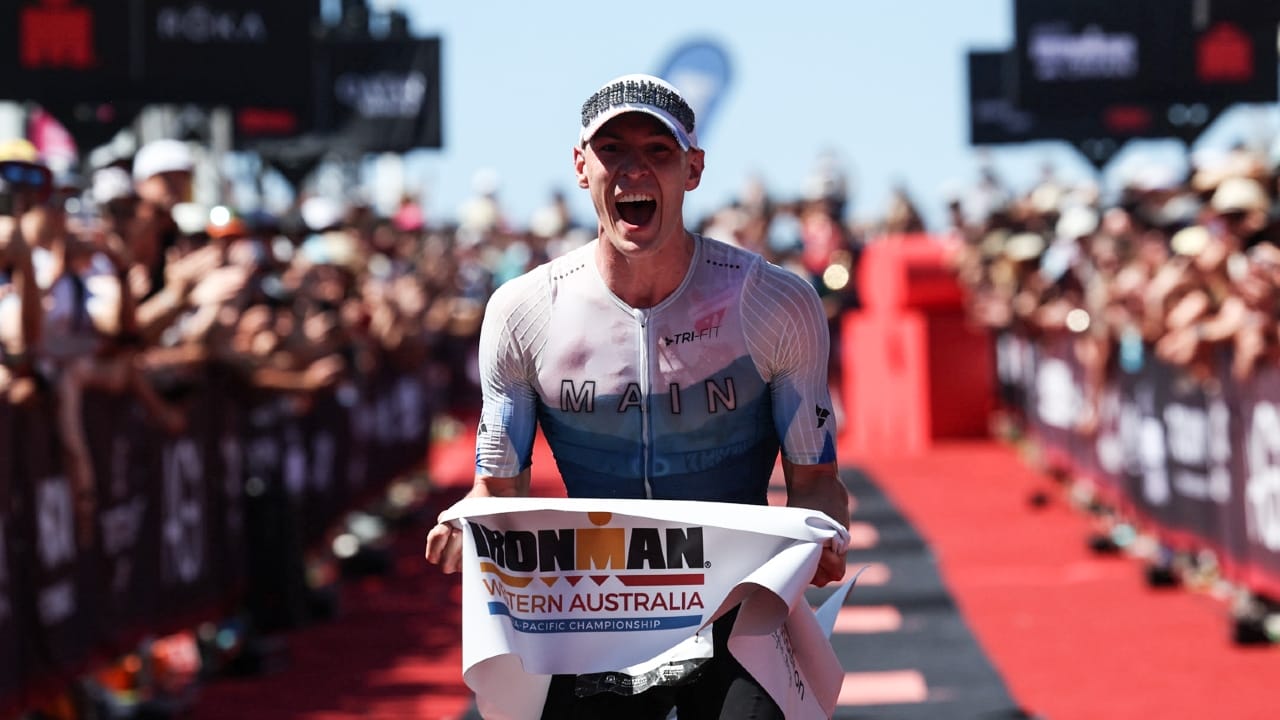


Triathletes can learn from an injury setback by understanding what contributed to the problem, reviewing their training habits, and making practical changes before returning to full training. Although injuries can be frustrating, the recovery period provides an opportunity to improve workload management, recovery routines, and long-term training decisions. Triathlon combines swimming, cycling, and running, placing different demands on the muscles, tendons, joints, and cardiovascular system. When training volume or intensity increases too quickly, athletes may struggle to recover adequately between sessions. An injury can interrupt race preparation, affect motivation, and create uncertainty about future performance. Some athletes feel pressure to return quickly because they worry about losing fitness or missing important training milestones.
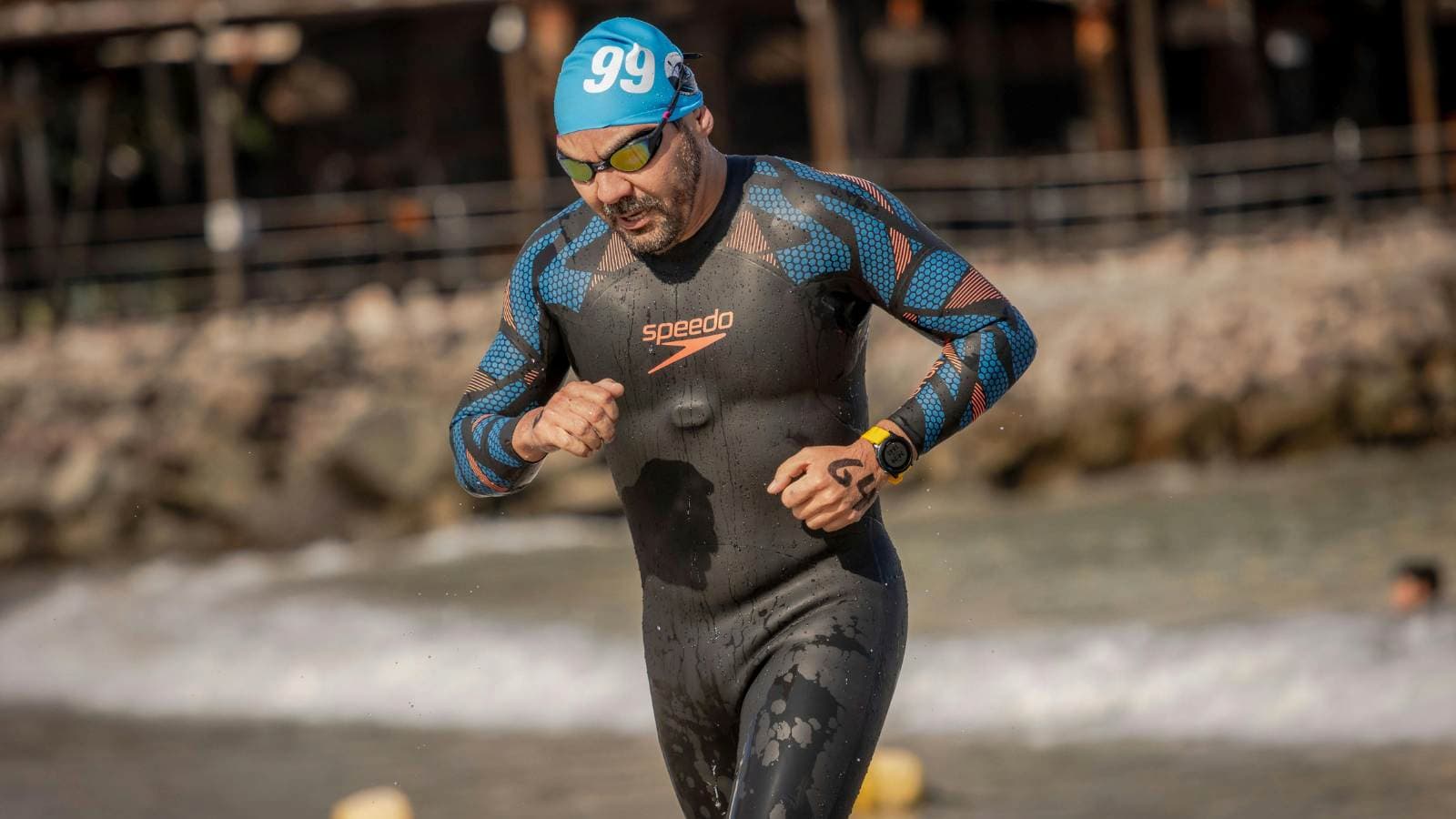
However, returning before the body is ready can prolong recovery or increase the likelihood of another setback. A more productive approach is to understand the injury, follow appropriate rehabilitation guidance, and use the experience to develop healthier training habits.
In Short
- Identify possible injury contributors.
- Avoid blaming yourself for every setback.
- Follow appropriate rehabilitation guidance.
- Review training volume and intensity.
- Maintain fitness through suitable activities.
- Set realistic recovery goals.
- Rebuild confidence gradually.
- Use the experience to improve future training.
Understanding Why Injuries Happen
Triathlon injuries can develop through several interacting factors rather than one obvious mistake.
Common contributors include:
- Rapid increases in training volume.
- Excessive high intensity sessions.
- Inadequate recovery.
- Previous injury history.
- Sudden changes in equipment or technique.
- Insufficient preparation for training demands.
Understanding what training habits increase injury risk in triathletes can help athletes recognize patterns that may contribute to recurring problems.
However, not every injury is preventable. Accidents, individual physiology, and unpredictable circumstances can also play a role. The goal is to identify useful lessons rather than assign blame.
Review Your Training Before the Injury
Looking back at the weeks preceding an injury may reveal patterns worth changing.
Review your training diary and consider:
- Did weekly mileage increase suddenly?
- Were hard sessions scheduled too closely together?
- Did you ignore persistent discomfort?
- Were recovery days frequently skipped?
- Did training intensity increase alongside volume?
Understanding how to reduce injury risk when increasing triathlon volume can help athletes recognize why gradual progression is important. Training records can provide valuable context, but they cannot always identify the exact cause of an injury. Discuss recurring problems with a qualified healthcare professional when appropriate.
Learn to Recognize Warning Signs
One important lesson from an injury setback is recognizing when discomfort requires attention. Normal training fatigue is different from pain that becomes progressively worse or changes how you move.
Potential warning signs include:
- Persistent localized pain.
- Swelling.
- Reduced joint movement.
- Increasing discomfort during exercise.
- Pain that changes running or pedaling technique.
- Symptoms that continue after training.
Understanding when should you stop during a triathlon can help athletes develop better decisions around pain and physical warning signs. Avoid assuming that pushing through discomfort always builds resilience.
Follow a Structured Recovery Plan
Recovery should reflect the type and severity of the injury. A rehabilitation plan may include temporary training modifications, targeted exercises, progressive strengthening, and gradual exposure to sport-specific movements.
Useful recovery principles include:
- Follow medical guidance.
- Respect tissue healing requirements.
- Progress according to symptoms and function.
- Avoid unnecessary testing of painful movements.
- Maintain consistent rehabilitation exercises.
Understanding how can triathletes manage tendonitis without derailing training can help athletes appreciate why some overuse conditions require careful workload adjustment. Do not use a fixed recovery timeline without considering the injury and individual response.
Maintain Fitness Without Delaying Recovery
Some injured triathletes can continue training in disciplines that do not aggravate the affected area. For example, certain running injuries may allow modified swimming or cycling. However, cross training is appropriate only when it is compatible with the diagnosis and rehabilitation plan. Understanding how to maintain triathlon fitness while tapering can help athletes explore ways to preserve endurance without placing unnecessary stress on healing tissues.
Possible options, when medically appropriate, include:
- Easy swimming.
- Low-resistance cycling.
- Deep-water running.
- Controlled strength exercises.
- Gentle mobility work.
Rest remains necessary when activity could worsen the injury.
Rebuild Confidence After Injury
An injury can affect confidence even after physical symptoms improve. Athletes may worry about pain returning, losing fitness, or being unable to complete future races. These concerns are common and deserve attention. Understanding how can mental strategies improve triathlon performance can help athletes develop practical ways to manage uncertainty and maintain focus.
Helpful approaches include:
- Setting small rehabilitation goals.
- Tracking functional improvements.
- Celebrating consistent progress.
- Avoiding comparisons with previous fitness.
- Discussing concerns with a coach or healthcare professional.
Confidence often improves through repeated positive experiences rather than one demanding workout.
Adjust Your Training Expectations
Returning athletes sometimes try to resume the exact training schedule they followed before injury. However, fitness and tissue tolerance may have changed during recovery. Understanding how should triathletes balance easy and hard training can help athletes rebuild a sustainable training structure.
During the return:
- Begin with manageable sessions.
- Increase training demands gradually.
- Avoid stacking demanding workouts.
- Monitor symptoms during and after exercise.
- Include appropriate recovery days.
Training progress should be based on current readiness rather than previous performance.
Use Recovery to Improve Strength and Mobility
Injury rehabilitation may reveal weaknesses, movement limitations, or training habits worth addressing. However, not every injury results from poor strength or flexibility. A targeted program should reflect the actual injury and individual needs. Understanding what strength routine should triathlete runners do to stay injury free can help athletes appreciate how strength training supports physical capacity.
Potential areas of focus include:
- Hip strength.
- Calf capacity.
- Core stability.
- Single-leg control.
- Joint mobility.
- Sport-specific movement tolerance.
Exercises should be selected according to professional guidance rather than assuming every athlete needs the same routine.
Avoid Rushing Back Into Racing
Race deadlines can create pressure to accelerate recovery. However, completing a race before regaining adequate strength, endurance, and movement confidence may increase the risk of further problems. Understanding how to recover faster after a triathlon can help athletes appreciate the importance of managing physical stress around demanding events.
Before returning to competition, consider:
- Have symptoms improved sufficiently?
- Can you complete normal daily activities comfortably?
- Have you rebuilt relevant training capacity?
- Can you tolerate sport specific sessions?
- Has your healthcare professional cleared you where necessary?
Skipping one race may support many more years of participation.
Develop a Better Long Term Mindset
An injury setback does not erase previous progress. It can provide an opportunity to redefine success around consistency, health, and sustainable improvement. Understanding why are slower training sessions important for triathletes can help athletes appreciate the value of controlled training rather than constantly pursuing harder workouts.
Useful long term goals include:
- Maintaining consistent training.
- Improving recovery habits.
- Developing strength.
- Recognizing early symptoms.
- Building realistic race schedules.
- Enjoying the training process.
The objective is not to become an athlete who never experiences setbacks, but one who responds to them effectively.
Common Mistakes
- Returning before adequate recovery.
- Ignoring rehabilitation exercises.
- Trying to regain fitness immediately.
- Comparing current fitness with past performances.
- Training through worsening pain.
- Neglecting sleep and nutrition.
- Assuming every injury has one cause.
- Rushing into competition.
Practical Tips
- Review your training history.
- Follow professional rehabilitation advice.
- Set achievable weekly goals.
- Maintain suitable activities.
- Track symptoms and progress.
- Reintroduce intensity gradually.
- Prioritize recovery.
- Stay patient with the process.
Actionable Takeaways
- Use setbacks to review training habits.
- Respect recovery requirements.
- Maintain fitness only when appropriate.
- Rebuild confidence through gradual progress.
- Prioritize long-term consistency over short-term results.