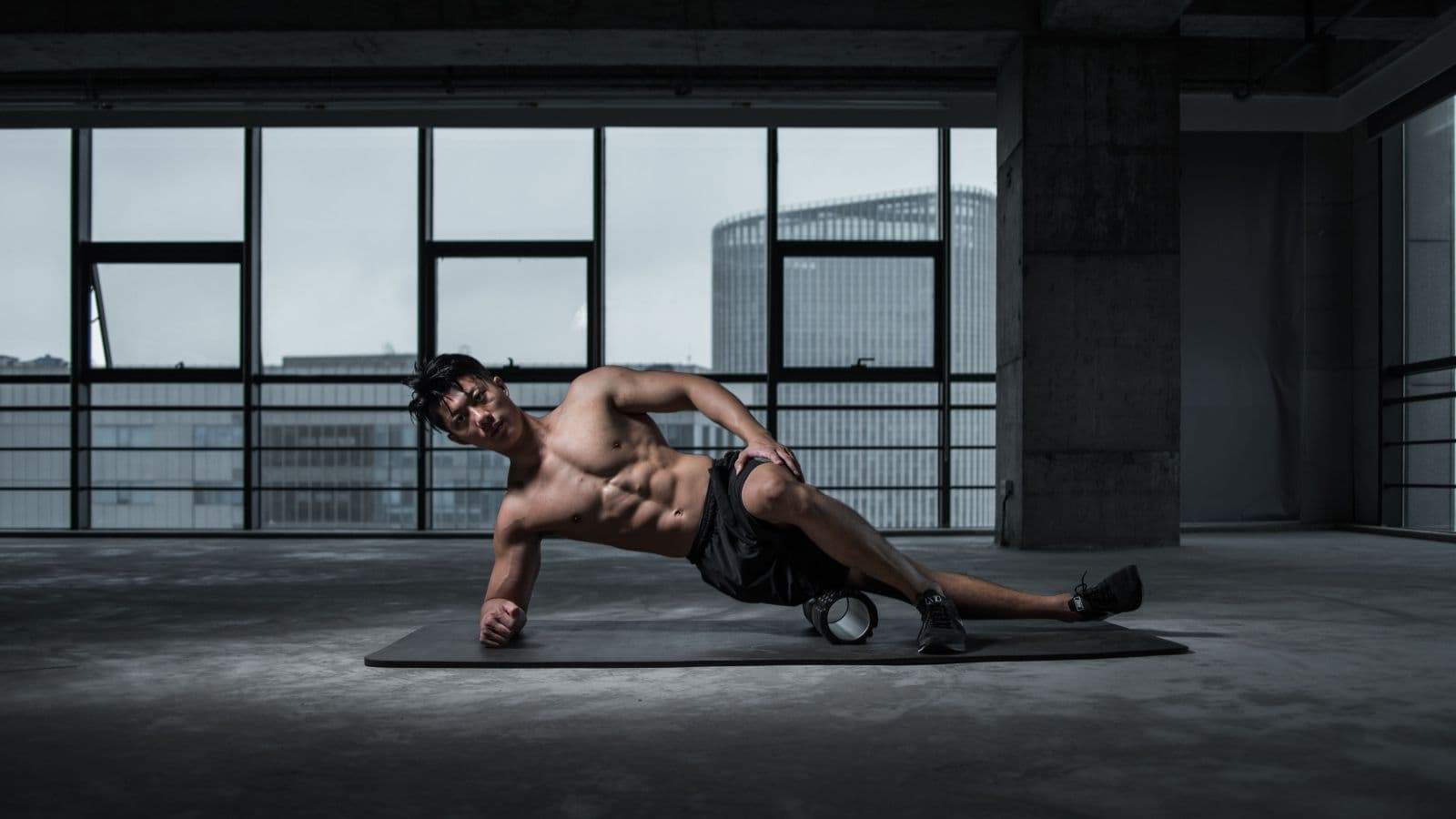


Self massage can help relieve muscle tightness in triathletes by applying controlled pressure to muscles and surrounding soft tissues. Techniques such as foam rolling, massage balls, and hand massage may temporarily reduce stiffness, improve range of motion, and make movement more comfortable after swimming, cycling, or running. Triathlon training places different demands on the body. Swimming repeatedly engages the shoulders and upper back, cycling requires sustained hip and knee movement, and running exposes the lower body to repetitive impact. Together, these activities can contribute to muscle fatigue, soreness, and perceived tightness. For beginners and experienced triathletes, self massage can be a convenient addition to a balanced recovery routine. The key is to use appropriate pressure, target relevant muscles, and recognize when pain requires rest or professional assessment.
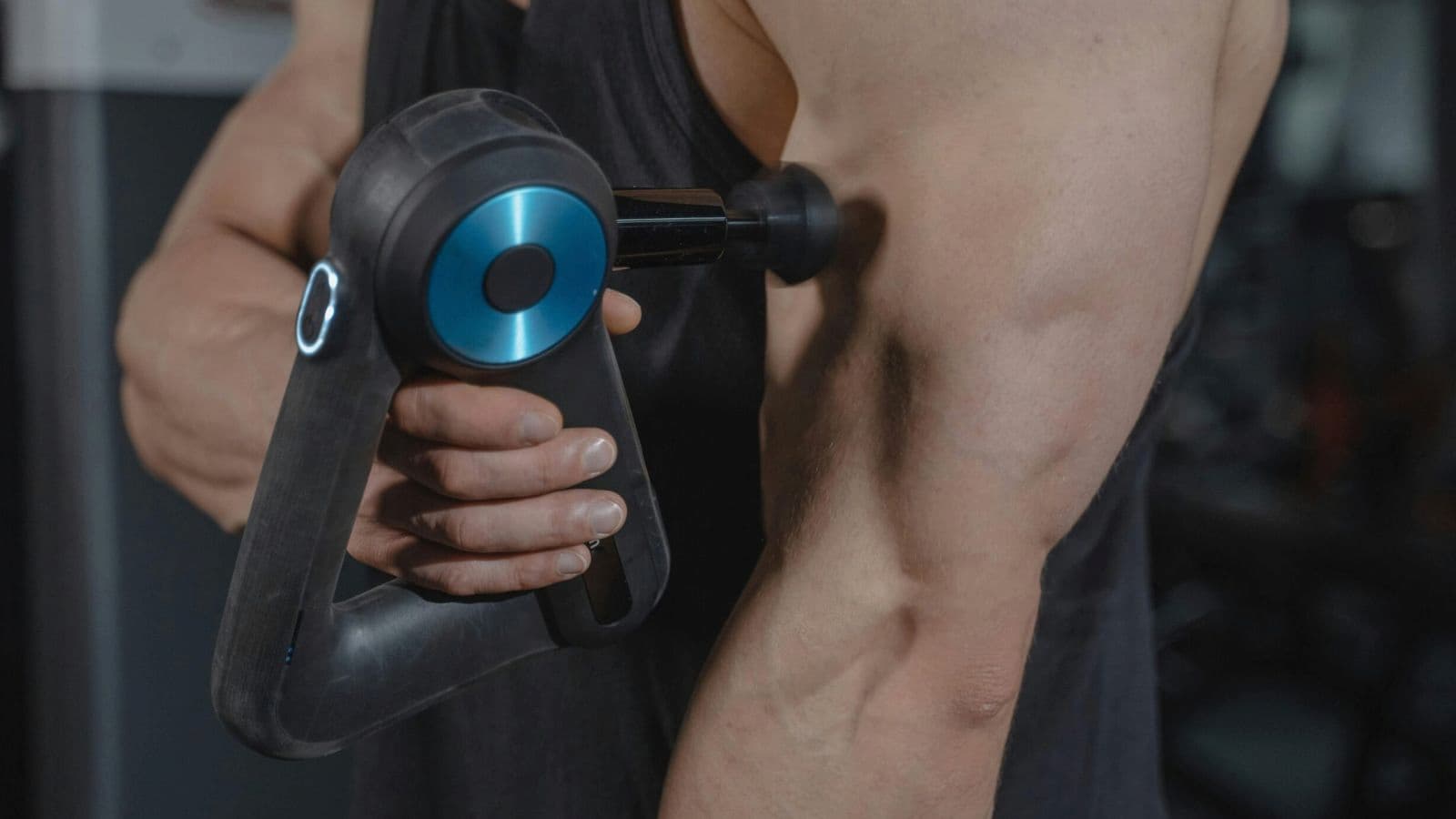
In Short
- Self massage may temporarily reduce muscle tightness.
- Foam rolling can improve short-term range of motion.
- Massage balls help target smaller muscle areas.
- Gentle pressure is preferable to aggressive treatment.
- Swimming, cycling, and running create different areas of tension.
- Short sessions can fit into recovery routines.
- Massage does not replace adequate sleep or nutrition.
- Avoid applying pressure directly to injured tissues.
- Persistent pain requires medical assessment.
- Consistent training management remains essential.
How Does Self Massage Work?
Self massage involves applying pressure to muscles using the hands or simple tools. This pressure stimulates sensory receptors in the skin and deeper tissues, potentially influencing how the nervous system perceives discomfort. Research suggests foam rolling may improve short-term flexibility and modestly reduce perceived muscle soreness. However, these effects do not necessarily mean the muscle has physically lengthened or that damaged tissue has healed faster. Understanding does cold water immersion help in triathlon recovery can help athletes compare different recovery methods and their potential benefits. Self massage is best viewed as a comfort and mobility tool rather than a treatment for every training-related problem.
Which Muscles Should Triathletes Massage?
The most useful areas depend on the discipline and the athlete’s symptoms.
| Muscle group | Common training demand | Suitable technique |
|---|---|---|
| Calves | Running and cycling | Foam roller |
| Quadriceps | Cycling and running | Foam roller |
| Hamstrings | Running and hip extension | Gentle rolling |
| Glutes | Running and cycling stability | Massage ball |
| Hip muscles | Prolonged cycling position | Gentle ball massage |
| Upper back | Swimming and cycling posture | Foam roller |
| Pectoral muscles | Swimming and forward riding position | Gentle hand massage |
Not every muscle needs massage after every workout.
Focus on areas of ordinary stiffness rather than pressing repeatedly on painful spots.
Self Massage for Tight Calves
The calves contribute to propulsion during running and help control ankle movement. They may feel particularly tight after hill running, faster sessions, or increased training volume.
To massage the calves:
- Sit with one calf resting on a foam roller.
- Support your weight using your hands.
- Roll slowly between the ankle and below the knee.
- Apply mild to moderate pressure.
- Continue for approximately 30 – 60 seconds.
- Repeat on the opposite leg.
Avoid direct pressure behind the knee. Understanding how to avoid running injuries as mileage increases in a triathlon can help athletes recognize why gradual training progression matters more than repeatedly treating tight muscles.
Foam Rolling the Quadriceps and Hamstrings
The quadriceps and hamstrings work during both cycling and running. Long rides, climbing, and demanding run sessions may leave these muscles feeling fatigued.
Quadriceps
- Lie face down with a foam roller beneath the front of your thighs.
- Roll slowly from the upper thigh toward the area just above the knee.
- Avoid pressing directly on the kneecap.
Hamstrings
- Sit with the roller beneath the back of one thigh.
- Move gently between the glutes and the area above the knee.
- Keep pressure comfortable and avoid forcing movement through pain.
Understanding how can you reduce fatigue during the triathlon run leg can help triathletes address pacing and training factors that contribute to lower body fatigue.
Using a Massage Ball for Glute Tightness
The glutes contribute to hip stability and power production during cycling and running. A massage ball can provide more focused pressure than a foam roller. Sit on a soft ball and shift your weight gently toward one buttock. Move slowly across the muscular area for approximately 30 – 60 seconds. Avoid direct pressure over the tailbone or areas that cause radiating pain. Understanding what strength training should cyclists do to ride faster in a triathlon can help athletes combine comfort-focused recovery with exercises that develop muscular capacity. Massage may temporarily improve comfort, but it cannot replace strength training.
Relieving Upper Back Tightness After Swimming
Swimming involves repeated shoulder and upper body movement. Some triathletes notice tightness around the upper back after demanding swim sessions. A foam roller can be used gently across the thoracic spine, the middle and upper portion of the back.
To perform the technique:
- Lie with the roller beneath your upper back.
- Support your head with your hands.
- Keep your hips supported.
- Move slowly through a comfortable range.
- Avoid rolling directly over the neck.
Understanding how to coordinate breathing with your swim strokes in a triathlon can help swimmers recognize how technique and body rotation influence upper body movement. Do not apply aggressive pressure to the shoulder joint or spine.
Can Self Massage Help Cycling Related Tightness?
Long periods in the cycling position may contribute to perceived tightness around the hips, quadriceps, and lower back. Self massage may improve comfort after riding, but an unsuitable bike position can continue producing symptoms. Understanding how do you adjust your bike for a better fit can help triathletes identify equipment factors that contribute to recurring discomfort. If tightness repeatedly develops during:
- Every ride
- Consider saddle position
- Handlebar reach
- Training duration
- Overall workload
Massage alone is unlikely to resolve a persistent positioning problem.
When Should Triathletes Use Self Massage?
Self massage can be used before or after training, depending on the goal.
| Timing | Potential benefit | Suggested approach |
|---|---|---|
| Before swimming | Improved movement comfort | Brief, gentle massage |
| Before cycling | Temporary reduction in stiffness | Light pressure |
| Before running | Short term range of motion improvement | Brief rolling followed by warm up |
| After training | Reduced perceived soreness | Gentle massage |
| Rest days | General relaxation | Short, comfortable session |
Before exercise, massage should complement an appropriate warm up rather than replace it. Understanding how should triathletes balance easy and hard training can help athletes organize demanding sessions and recovery more effectively.
How Long Should a Self Massage Session Last?
Most triathletes do not need lengthy massage sessions. Approximately 30 – 60 seconds per muscle group is a reasonable starting point.
A simple five minute routine might include:
- One minute for both calves.
- One minute for the quadriceps.
- One minute for the hamstrings.
- One minute for the glutes.
- One minute for the upper back.
These durations are practical suggestions rather than strict scientific requirements.
Reduce pressure or stop if symptoms worsen.
Self Massage vs Stretching
Self massage and stretching can both improve short-term movement comfort.
However, they work through different techniques.
| Self massage | Stretching |
|---|---|
| Applies external pressure | Moves tissues into lengthened positions |
| May reduce perceived tightness | May improve stretch tolerance |
| Often uses tools | Usually requires little equipment |
| Can target specific areas | Focuses on joint movement |
Triathletes can combine both methods according to preference.
Neither guarantees injury prevention or permanent improvements in flexibility.
Can Self Massage Prevent Triathlon Injuries?
Evidence does not establish that self massage alone prevents sports injuries. Injury risk depends on factors such as training load, previous injuries, physical capacity, and recovery. Understanding what training habits increase injury risk in runners can help triathletes recognize how excessive training stress contributes to problems. Likewise, what should triathletes eat for better training and recovery can help athletes support recovery through adequate energy and nutrient intake. Massage should remain one optional component of a broader training strategy.
When Should You Avoid Self Massage?
Avoid direct massage over areas with:
- Suspected muscle tears.
- Significant bruising.
- Unexplained swelling.
- Open wounds.
- Acute inflammation.
- Suspected fractures.
- Numbness or radiating pain.
Seek medical advice before pressure based massage if you have a suspected blood clot, significant circulatory problems, or a bleeding disorder. Persistent or worsening pain should be assessed rather than repeatedly treated with massage. Understanding when should you stop during a triathlon can help athletes recognize symptoms that require prioritizing safety over completing a workout or race.
Common Mistakes
- Applying excessive pressure.
- Rolling directly over joints.
- Treating sharp pain as ordinary tightness.
- Spending too long on one muscle.
- Massaging bruised or swollen tissues.
- Using massage instead of recovery.
- Ignoring recurring bike-fit problems.
- Expecting massage to repair injuries.
- Holding the breath during treatment.
- Continuing when symptoms worsen.
Practical Tips
- Start with gentle pressure.
- Choose a comfortable foam roller.
- Use softer massage balls initially.
- Keep sessions short.
- Breathe normally.
- Focus on muscular areas.
- Avoid aggressive pressure after hard workouts.
- Combine massage with comfortable movement.
- Prioritize sleep and nutrition.
- Seek assessment for persistent symptoms.
Actionable Takeaways
- Use self massage for temporary muscle comfort.
- Focus on calves, thighs, glutes, and upper back.
- Begin with five-minute sessions.
- Avoid massaging suspected injuries.
- Address training load and recovery alongside tightness.