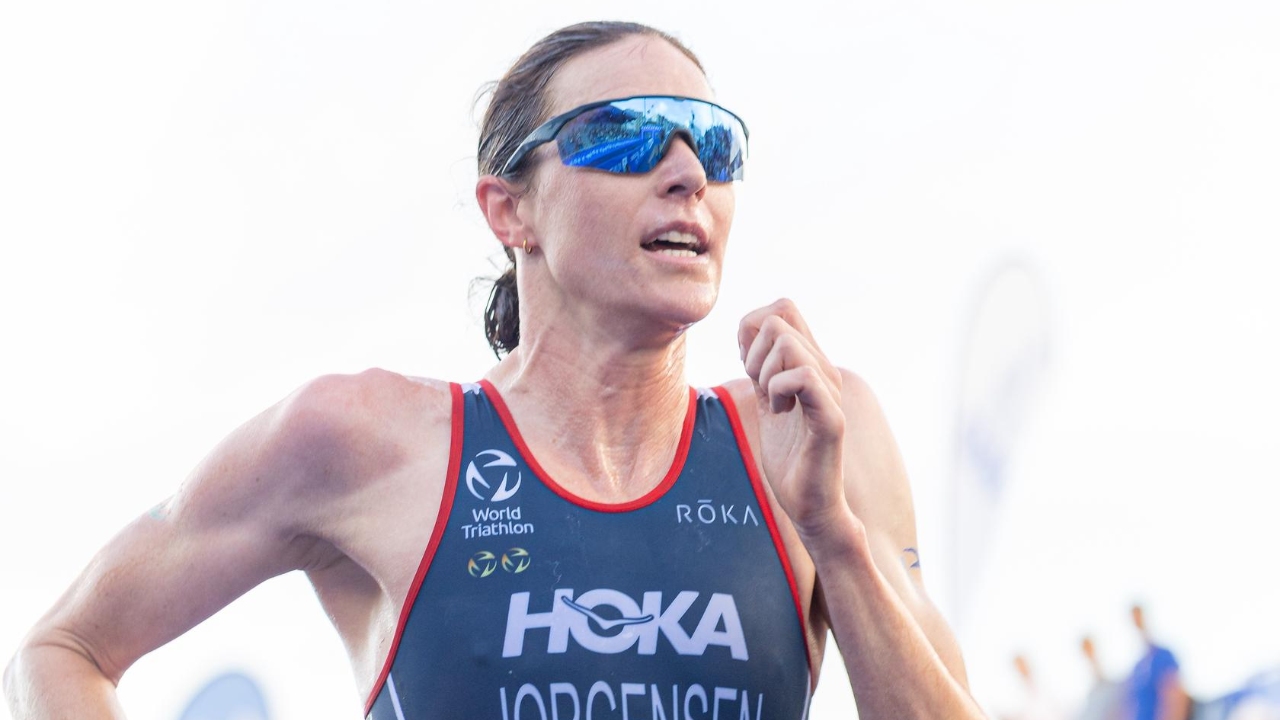


Triathletes should pace a tempo run at a controlled, comfortably hard effort that challenges endurance without becoming an all-out race. For many athletes, traditional tempo running involves working near lactate threshold, an intensity where the body begins accumulating lactate more quickly as effort increases. The correct pace should feel demanding but sustainable for the planned workout. Tempo runs help develop the ability to maintain faster running speeds for extended periods. They are particularly useful for triathletes because running performance depends on sustaining an efficient pace after completing the swim and bike disciplines. However, tempo pacing is not identical for every athlete. Fitness level, training history, race distance, environmental conditions, and accumulated cycling fatigue can all influence the appropriate intensity.
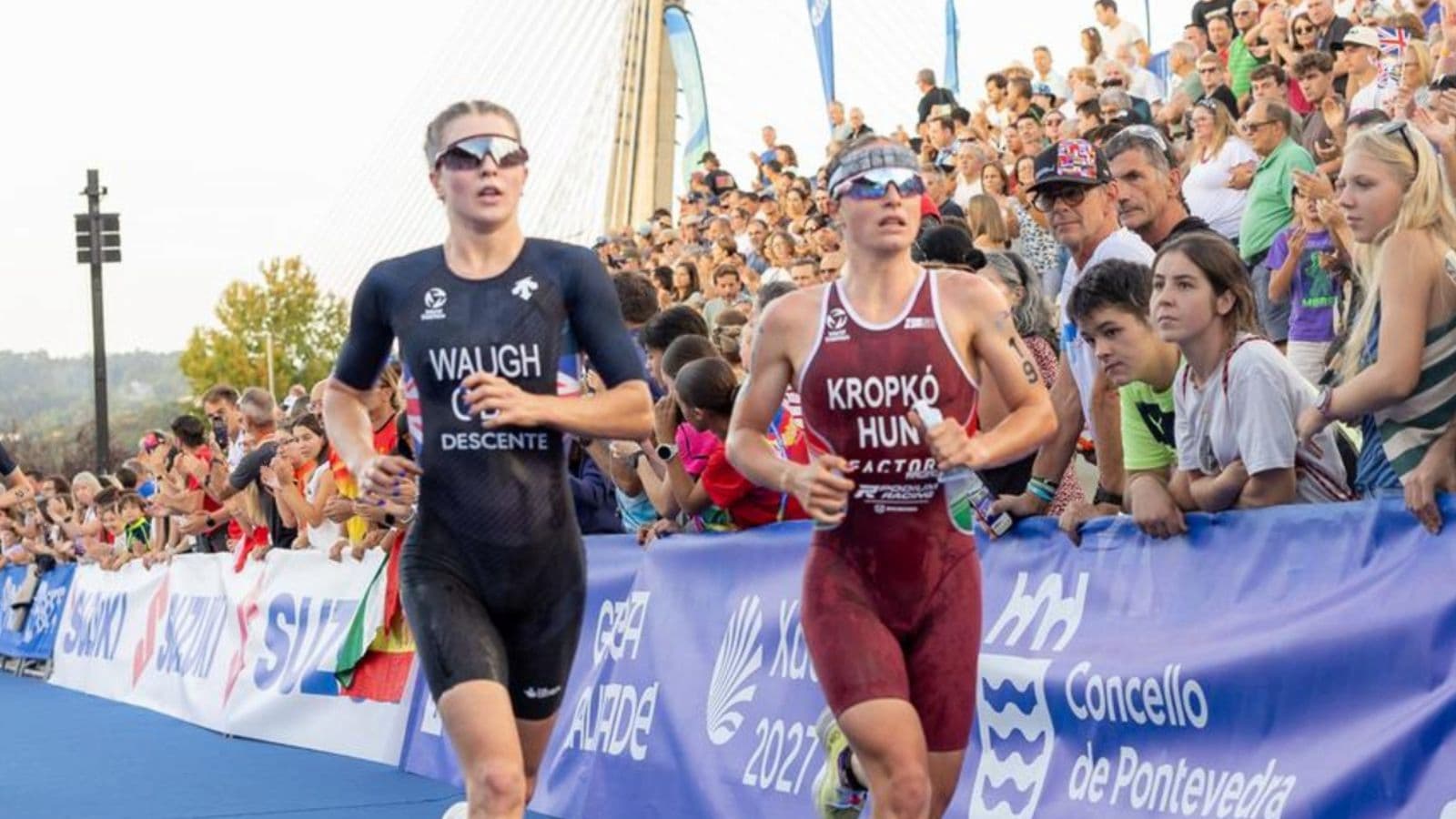
The goal is to complete a purposeful workout with consistent effort and controlled technique. Starting too quickly or turning every tempo session into a race can increase fatigue and reduce the quality of subsequent triathlon training.
In Short
- Tempo runs should feel comfortably hard.
- Traditional tempo intensity is often near lactate threshold.
- The correct pace depends on fitness and workout duration.
- Breathing should be controlled but noticeably elevated.
- Tempo running is harder than easy aerobic running.
- Starting too quickly can compromise the workout.
- Heart rate and perceived effort help guide intensity.
- Cycling fatigue can affect tempo pace.
- Beginners should start with shorter tempo intervals.
- Recovery is essential between demanding sessions.
Understanding Tempo Running in Triathlon
A tempo run is a sustained or repeated period of running at a moderately hard to hard intensity. The term is sometimes used broadly to describe steady running faster than an easy pace. However, traditional threshold oriented tempo sessions target an intensity near the runner’s lactate threshold. Lactate threshold describes a point in exercise intensity where lactate production and clearance become less balanced, causing blood lactate concentration to rise more rapidly. Understanding what is lactate threshold in triathlon running can help athletes recognize why threshold intensity matters for endurance performance. Tempo workouts should remain controlled rather than becoming repeated maximum effort tests.
How Fast Should a Triathlete Run a Tempo Session?
The appropriate tempo pace depends on current fitness. For many trained runners, a traditional threshold tempo effort resembles a pace they could sustain for approximately 40 – 60 minutes in a hard race, although this varies considerably.
Useful pacing indicators include:
- Perceived effort: Approximately 6 – 8 out of 10.
- Breathing: Noticeably harder than easy running.
- Conversation: Short phrases may be possible.
- Running form: Controlled and repeatable.
- Pace: Relatively consistent throughout the workout.
These are practical guidelines rather than precise physiological measurements. Understanding easy run vs tempo vs interval what each does can help triathletes distinguish tempo sessions from easy endurance runs and faster interval workouts.
Using Heart Rate to Control Tempo Pace
Heart rate can help athletes monitor tempo intensity. Traditional threshold tempo efforts often produce heart rates near an athlete’s running lactate threshold heart rate. However, there is no universal percentage of maximum heart rate that accurately identifies threshold for every runner. Heart rate also responds gradually when exercise intensity changes. During the first few minutes of a tempo effort, heart rate may remain below the level eventually reached at a steady pace.
Other influences include:
- Temperature.
- Humidity.
- Hydration.
- Sleep.
- Caffeine.
- Training fatigue.
- Individual cardiovascular response.
Avoid accelerating aggressively simply because heart rate appears low at the beginning.
Heart rate is most useful when interpreted alongside pace and perceived effort.
Tempo Running vs Easy Running vs Intervals
Different running workouts create different training demands.
| Workout type | Typical effort | Main purpose |
|---|---|---|
| Easy run | Comfortable, conversational | Aerobic development and manageable training volume |
| Steady run | Moderate, controlled | Sustained aerobic endurance |
| Tempo run | Comfortably hard | Threshold related endurance and pace control |
| Fast intervals | Hard to very hard | Speed and higher intensity aerobic development |
| Recovery run | Very easy | Light activity with minimal additional fatigue |
Tempo running occupies a useful position between comfortable aerobic running and demanding speed intervals. It challenges sustained running performance without necessarily requiring maximal intensity. Understanding what is zone 2 running in a triathlon can help athletes recognize why easy aerobic sessions should remain distinct from tempo workouts.
How to Structure a Tempo Run?
A tempo session generally includes a warm up, a controlled faster section, and a cool-down.
The duration of the faster section should reflect experience and current fitness.
| Experience level | Example tempo workout |
|---|---|
| Beginner | 3 × 5 minutes comfortably hard, with 3 minutes easy |
| Developing | 2 × 10 minutes tempo, with 3 minutes easy |
| Intermediate | 20 minutes continuous tempo |
| Experienced | 3 × 10 minutes tempo, with 2 – 3 minutes easy |
These are examples rather than mandatory prescriptions. Each session should begin with approximately 10 – 15 minutes of easy running and finish with comfortable recovery running. Beginners should establish a consistent running foundation before introducing demanding tempo sessions. The objective is completing the planned workload at an appropriate intensity, not running every repetition as quickly as possible.
Starting Pace Matters
One of the most common tempo mistakes is beginning too quickly. A fast opening can create excessive fatigue and make the final portion difficult to sustain. A more effective strategy is to begin conservatively and allow effort to settle.
Useful pacing habits include:
- Start slightly slower than the intended tempo pace.
- Increase effort gradually during the opening minutes.
- Maintain consistent breathing and running form.
- Avoid unnecessary accelerations.
- Finish feeling challenged but in control.
Understanding why is your starting pace important for long distance running can help triathletes recognize how early pacing decisions influence fatigue. A well executed tempo session should not require an all out finishing sprint.
Adjusting Tempo Pace After Cycling
Triathletes frequently complete running workouts while carrying fatigue from previous cycling sessions. This can affect running pace, perceived effort, and muscular coordination. A tempo pace that feels manageable on fresh legs may become considerably harder after demanding cycling. For this reason, triathletes should avoid forcing a predetermined pace when fatigue is unusually high.
Possible adjustments include:
- Reducing tempo duration.
- Using shorter repetitions.
- Lowering intensity.
- Moving the workout to another day.
- Replacing the session with easy running.
Understanding how can you reduce fatigue during the triathlon run leg can help athletes recognize how pacing and cycling demands influence running performance. Dedicated tempo runs are generally easier to control when performed without substantial preceding cycling fatigue.
Tempo Runs for Different Triathlon Distances
Tempo training can support several triathlon race distances, but the workout structure should match the athlete’s goals.
Sprint triathlon
Shorter tempo intervals can help develop sustained speed and control during the 5K run.
Olympic distance triathlon
Continuous tempo efforts and longer repetitions can support the ability to maintain a strong, controlled pace during the 10K run.
Middle distance triathlon
Tempo workouts can improve threshold related fitness, but race pace will usually be lower than traditional threshold tempo intensity.
Ironman triathlon
Tempo training may support overall running fitness, but easy aerobic endurance, durability, and appropriate bike pacing remain particularly important.
Understanding how to become an efficient triathlon runner can help athletes combine pace development with sustainable running mechanics. Tempo pace should not automatically be treated as triathlon race pace.
Should Triathletes Use Continuous or Interval Tempo Runs?
Both approaches can be effective. Continuous tempo runs involve maintaining a steady effort without planned recovery. Interval tempo sessions divide the workload into shorter repetitions separated by easy running.
| Format | Example | Main advantage |
|---|---|---|
| Continuous tempo | 20 minutes steady | Sustained pacing practice |
| Cruise intervals | 4 × 6 minutes | Manageable threshold exposure |
| Longer intervals | 2 × 12 minutes | Extended controlled efforts |
| Progressive tempo | Gradually increase to tempo intensity | Smooth effort management |
Choose the format that allows appropriate intensity without excessive fatigue.
How Often Should Triathletes Run Tempo?
Many recreational triathletes can benefit from one tempo oriented running session per week or less. The appropriate frequency depends on other demanding workouts, running experience, and total training volume. A triathlete completing hard cycling intervals, long rides, and demanding swim sets may need fewer intense running sessions. Understanding how should you adjust triathlon training when time is limited can help athletes prioritize workouts instead of adding unnecessary intensity. Tempo training should complement easy running and race specific preparation rather than dominate the weekly schedule.
Signs Your Tempo Pace Is Too Fast
Tempo running should be challenging, but the effort should remain controlled.
Signs of excessive intensity include:
- Breathing becoming uncontrolled early.
- Pace dropping substantially.
- Running form deteriorating.
- Needing unplanned walking breaks.
- Reaching near-maximal effort.
- Struggling to complete the planned repetitions.
- Excessive fatigue affecting subsequent workouts.
A difficult final few minutes can be normal, but repeated breakdowns suggest the session may be too demanding.
Reducing pace slightly often produces a more useful workout than forcing an unrealistic target.
Common Mistakes
- Starting tempo runs too quickly.
- Treating tempo pace as sprint pace.
- Using heart rate without considering effort.
- Skipping the warm-up.
- Running every tempo session maximally.
- Ignoring cycling fatigue.
- Increasing tempo duration too rapidly.
- Confusing tempo pace with easy running.
- Scheduling too many demanding workouts.
- Neglecting recovery afterward.
Practical Tips
- Warm up for 10–15 minutes.
- Begin tempo efforts conservatively.
- Use perceived effort alongside pace.
- Maintain relaxed running mechanics.
- Keep breathing controlled.
- Choose consistent terrain.
- Use shorter intervals when necessary.
- Adjust intensity during hot weather.
- Allow recovery after demanding sessions.
- Progress tempo duration gradually.
Actionable Takeaways
- Run tempo sessions at a controlled, comfortably hard effort.
- Start conservatively and maintain consistent intensity.
- Adjust pace for fatigue, terrain, and weather.
- Keep tempo workouts balanced with easy training and recovery.