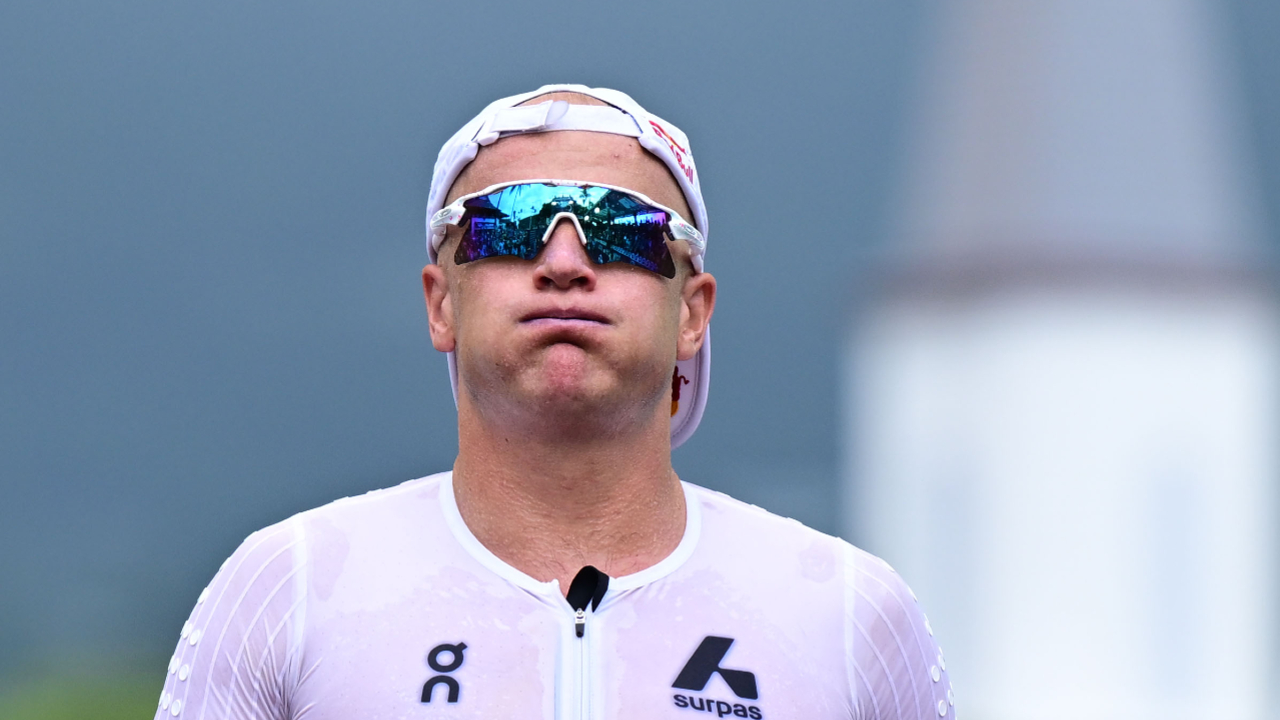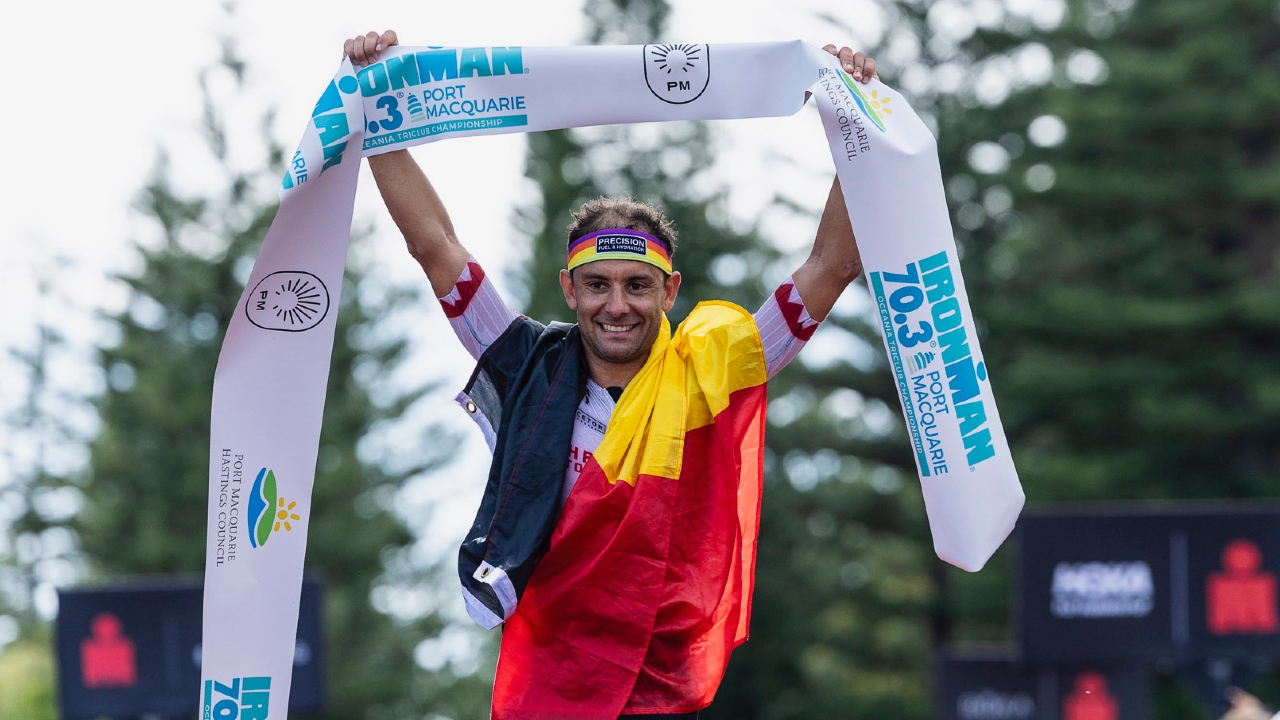


To plan your triathlon race schedule, start by choosing your most important event, then organize other races around its training and recovery requirements. Consider your experience, preferred race distances, available preparation time, and how much recovery you need between competitions. A realistic schedule should help you arrive at priority races prepared rather than exhausted. Triathlon calendars often include sprint, Olympic, middle distance, and Ironman events. Each distance places different demands on endurance, pacing, nutrition, and recovery. Entering too many races without considering these differences can interfere with consistent training. Beginners may benefit from a smaller number of events that allow time to develop confidence and experience. More experienced triathletes can use shorter races to practice transitions, pacing, and competition skills before a major event.
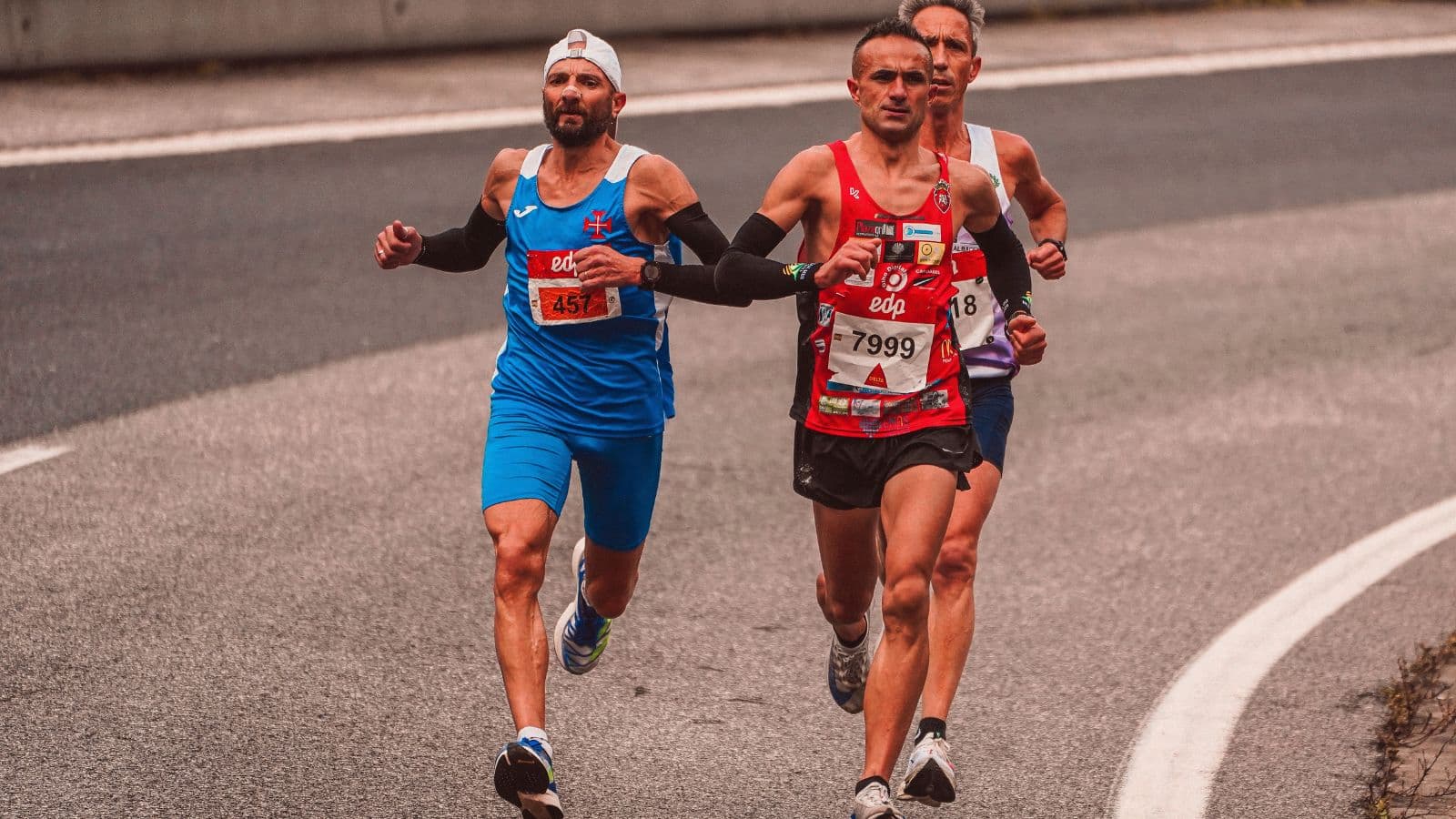
The goal is to create a season that balances racing with preparation. A good schedule provides enough time to build fitness, recover between events, and adjust when training or personal circumstances change.
In Short
- Choose your main race before planning other events.
- Match race distances to your current fitness.
- Allow sufficient preparation time.
- Use shorter events to practice race skills.
- Avoid scheduling demanding races too closely.
- Plan recovery after competitions.
- Consider travel and weather conditions.
- Leave flexibility for unexpected interruptions.
- Prioritize race quality over quantity.
Choose Your Main Triathlon Goal
Begin by identifying what you want to achieve during the season. Your goal might be completing a first sprint triathlon, improving an Olympic distance result, or preparing for an Ironman. Understanding how do you know if you are ready for a triathlon can help beginners choose an appropriate starting point. Once you select your main event, work backward from race day to establish training milestones. Avoid filling the calendar before deciding which race matters most.
Understand Different Race Priorities
Triathletes often organize events into three priority categories.
| Race priority | Purpose | Training approach |
|---|---|---|
| A race | Main seasonal goal | Full preparation and appropriate taper |
| B race | Secondary performance goal | Some training adjustments |
| C race | Practice and experience | Usually limited disruption to training |
A priority races deserve the greatest attention. C priority events can provide opportunities to test equipment, pacing, and transitions. Understanding how to structure a triathlon race strategy from start to finish can help athletes use smaller competitions to develop race execution skills. Not every event needs to produce a personal record.
Match Your Race Schedule to the Distance
Longer races generally require more preparation and recovery.
| Race distance | Scheduling consideration |
|---|---|
| Sprint | Often easier to fit into a training season |
| Olympic | Requires established endurance and recovery planning |
| Middle distance | Greater training and recovery demands |
| Ironman | Substantial preparation and careful scheduling |
These differences do not establish fixed recovery periods for every athlete. An experienced triathlete may tolerate frequent sprint races, while a beginner may need longer between events. Understanding how should cycling workouts change for different race distances can help athletes adapt their preparation to specific event demands.
Allow Enough Time Between Races
Recovery requirements depend on race distance, intensity, experience, and individual response. Shorter events may require several easier days, while an Ironman can create fatigue lasting considerably longer. Avoid scheduling another demanding event before normal training feels manageable. Understanding how to race two consecutive ironman in a season can help experienced athletes appreciate the additional recovery and preparation challenges involved. Persistent fatigue, unusual soreness, or declining performance may indicate that more recovery is needed.
Build Training Blocks Around Priority Events
Divide the season into periods focused on developing fitness, preparing for race demands, and recovering.
A simple progression includes:
- Base training to develop endurance.
- Build training to increase race specific fitness.
- Race preparation to practice pacing and nutrition.
- Tapering to reduce fatigue before competition.
- Recovery following the event.
Understanding how to build a weekly triathlon plan can help athletes organize swimming, cycling, and running around these phases. Training should remain flexible enough to accommodate work, family responsibilities, and illness.
Use Shorter Races as Preparation
A sprint or Olympic distance triathlon can provide useful experience before a longer event. These races allow athletes to practice open water starts, transitions, equipment setup, and pacing under competition conditions. Understanding how to pace a triathlon properly can help prevent excessive effort early in the race. However, shorter races should not create so much fatigue that they disrupt important training sessions. Choose preparation events that support your main goal.
Consider Travel and Weather
Race location affects more than convenience. Travel can influence sleep, hydration, equipment logistics, and recovery. Weather conditions may also differ significantly between events.
Consider:
- Travel time and cost.
- Expected temperature.
- Water conditions.
- Course elevation.
- Equipment transport.
- Time needed to recover from travel.
Understanding how can you prepare for extreme weather in a triathlon bike leg can help athletes prepare for challenging race environments. Whenever possible, allow enough time to settle into unfamiliar surroundings before competing.
Plan Your Taper Before Important Races
Tapering involves reducing training demands before competition to allow fatigue to decrease while maintaining fitness. The appropriate duration depends on the event and athlete. Understanding what is tapering before a triathlon can help athletes organize the final preparation period. Avoid placing another demanding race inside an important taper unless it has been deliberately incorporated into the training plan.
Avoid Overloading Your Season
Too many races can interfere with training consistency and recovery. Warning signs include persistent tiredness, declining motivation, and difficulty completing familiar workouts. Understanding how to prevent burnout while training for an ironman can help athletes recognize why recovery and manageable expectations matter. A smaller calendar with well prepared races may be more productive than frequent competition without adequate rest.
Example Triathlon Race Schedule
The following example illustrates a season built around one main Olympic distance race.
| Period | Main focus |
|---|---|
| January to February | Base endurance |
| March | Sprint practice race |
| April | Structured training |
| May | Secondary sprint or Olympic race |
| June | Race specific preparation |
| July | Main Olympic distance race |
| August | Recovery and reassessment |
This is an illustration rather than a universal schedule. Adjust the calendar to your experience, location, and available training time.
Common Mistakes
- Entering too many races.
- Choosing events before setting goals.
- Underestimating recovery needs.
- Racing hard during every competition.
- Ignoring travel fatigue.
- Scheduling races during important training blocks.
- Failing to plan a taper.
- Continuing to race through injury.
- Leaving no flexibility for setbacks.
Practical Tips
- Select one main seasonal goal.
- Classify races by priority.
- Check course and weather conditions.
- Allow sufficient recovery.
- Use shorter events for practice.
- Keep travel arrangements realistic.
- Protect important training blocks.
- Review the calendar after each race.
- Adjust plans when fitness changes.
Actionable Takeaways
- Choose your priority race first.
- Build training around that event.
- Space demanding competitions appropriately.
- Use secondary races strategically.
- Protect recovery throughout the season.