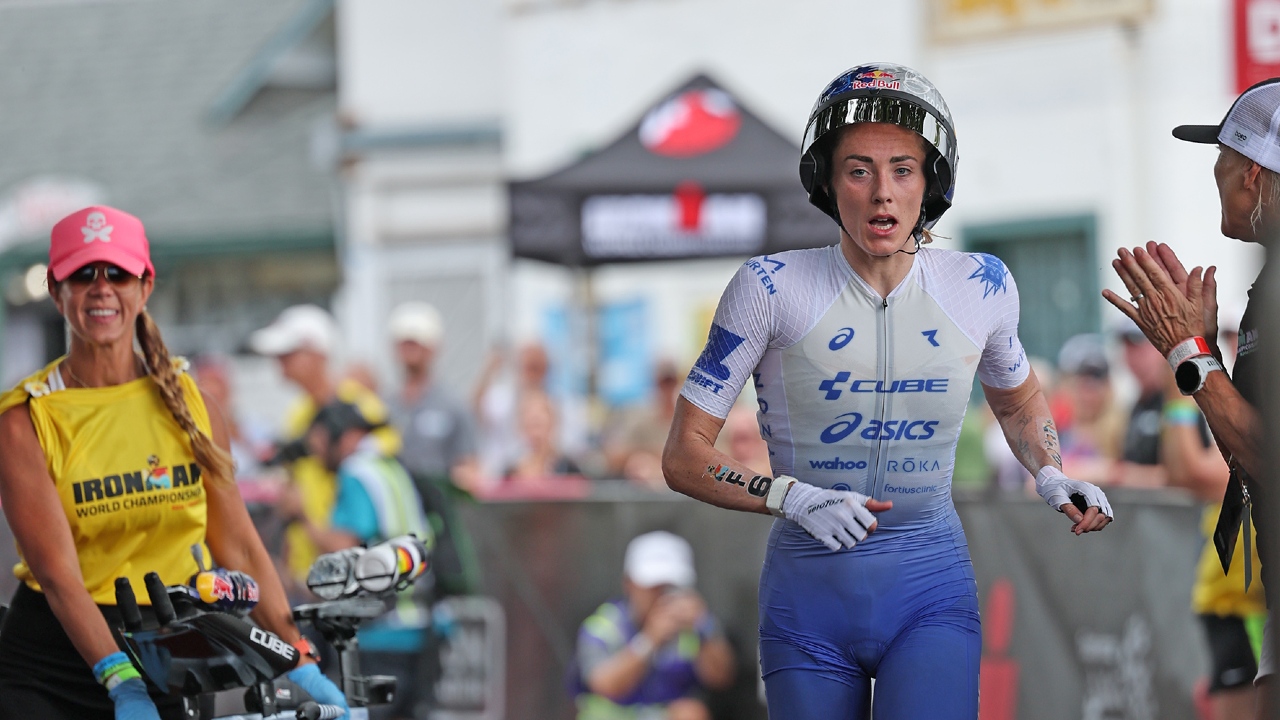


Few triathletes complete every training session exactly as planned. Illness, work, family commitments and injuries often interrupt even the best training plans. As race day approaches, many athletes begin asking the same question: Should I still race if I’m undertrained? The answer depends on why your training was interrupted, how underprepared you are and what your goals are. In many cases, completing a race safely is still possible, but expecting a personal best may not be realistic. The key is making an honest assessment before standing on the start line.

What Does “Undertrained” Actually Mean?
Missing a few workouts doesn’t make you undertrained.
You may genuinely be underprepared if you’ve:
- Missed several weeks of training.
- Skipped most long rides.
- Missed long runs.
- Rarely practised swimming.
- Done very few brick sessions.
- Been recovering from illness or injury.
Understanding the difference between “less prepared” and “unprepared” helps you make better decisions.
Consider Why Your Training Changed
The reason behind missed training matters.
Common causes include:
- Work commitments.
- Family responsibilities.
- Travel.
- Illness.
- Injury.
- Burnout.
If you’ve missed training because of injury or ongoing illness, racing may not be the safest choice. Many athletes first consider mental strategies that can help improve triathlon performance, helping them decide whether returning to competition is appropriate.
Your Race Goal May Need to Change
Being undertrained doesn’t automatically mean withdrawing. Instead, adjust your objective.
For example:
- Finish comfortably.
- Gain race experience.
- Practise nutrition.
- Build confidence.
- Enjoy the event.
Removing unnecessary performance pressure often leads to a much more positive race experience.
Be Honest About Your Fitness
Ask yourself:
- Can I complete the swim safely?
- Can I ride confidently for the full distance?
- Can I finish the run without risking injury?
- Have I practised my nutrition?
- Do I understand the course?
Answering these questions honestly is more important than comparing yourself with other athletes.
Don’t Chase Your Original Pace
One of the biggest mistakes undertrained athletes make is racing according to goals set months earlier.
Instead:
- Reduce your target intensity.
- Start conservatively.
- Monitor your breathing.
- Be prepared to slow down.
Many athletes benefit from following how to pace a triathlon properly, allowing effort to reflect current fitness rather than previous expectations.
Fuel More Carefully Than Ever
When fitness is lower, pacing and nutrition become even more important.
Focus on:
- Eating consistently.
- Drinking regularly.
- Following your nutrition plan.
- Avoiding large gaps between carbohydrate intake.
Many athletes improve this strategy through how should triathletes fuel during the bike leg, ensuring they arrive at the run with sufficient energy.
Expect the Run to Feel Different
Most undertrained athletes begin noticing fatigue during the run.
Prepare by:
- Starting slower than usual.
- Taking nutrition before T2.
- Walking aid stations if necessary.
- Maintaining steady effort.
Many athletes reduce the risk of late-race fatigue by understanding how to avoid bonking when running, particularly during longer events.
Respect the Swim
The swim deserves special attention.
If you’ve completed very little swim training:
- Start wide.
- Swim comfortably.
- Prioritise breathing.
- Stay relaxed.
There’s no benefit in forcing the pace during the opening discipline. Many beginners build confidence through how can triathletes manage pre-race nerves before the swim start, making calm decision-making easier when fitness isn’t where they’d hoped.
Don’t Ignore Warning Signs
Withdraw from the race if you experience:
- Chest pain.
- Severe dizziness.
- Difficulty breathing.
- Significant injury pain.
- Medical advice not to compete.
No finish line is worth risking your health.
Learn From the Experience
Even if the race doesn’t go perfectly, it can provide valuable lessons about:
- Pacing.
- Nutrition.
- Equipment.
- Transitions.
- Mental resilience.
Many athletes return stronger after identifying what limited them during their first attempt.
Prepare Mentally
Accept your current level of fitness before race day.
Instead of focusing on:
- Lost fitness.
- Missed workouts.
- Previous goals.
Focus on:
- Executing your plan.
- Making good decisions.
- Finishing safely.
- Enjoying the experience.
A positive mindset often leads to smarter pacing throughout the race.
Know When Not to Race
Sometimes withdrawing is the best decision.
Consider postponing if you:
- Are recovering from a significant injury.
- Have been advised not to exercise.
- Cannot complete the swim safely.
- Haven’t trained for the race distance at all.
- Have an illness that hasn’t fully resolved.
Missing one race is often better than creating a problem that affects an entire season.
Common Mistakes
Avoid these common errors:
- Racing at your original goal pace.
- Ignoring nutrition.
- Skipping hydration.
- Comparing yourself with fitter athletes.
- Trying to “make up time.”
- Hiding injury symptoms.
- Letting pride dictate decisions.
- Forgetting that finishing is still an achievement.
Good judgement often produces a far better race than excessive ambition.
Practical Tips
If you decide to race:
- Lower your expectations.
- Pace conservatively.
- Fuel consistently.
- Stay hydrated.
- Listen to your body.
- Walk if necessary.
- Focus on finishing well.
Many athletes also gain perspective by reviewing what should you do the week before your first triathlon, ensuring race-week preparation supports their current fitness instead of chasing missed training. Finally, building future consistency through what is zone 2 cycling in a triathlon can help prevent the same situation before your next race by developing a stronger aerobic foundation.
The Bottom Line
Being undertrained doesn’t automatically mean you shouldn’t race a triathlon. For many athletes, completing the event safely with adjusted expectations is entirely realistic. The important question isn’t whether you’ve missed training, it’s whether you can complete the race responsibly.
If you decide to start, forget your original performance goals. Race patiently, fuel consistently and listen to your body throughout the day. A smart, controlled finish is always more rewarding than pushing beyond what your preparation realistically supports.