

Triathlon bike workouts should change according to the distance you are preparing to race. Sprint triathlons generally require shorter, relatively intense cycling efforts, while Olympic distance events combine sustained power with aerobic endurance. Middle distance and Ironman races place greater emphasis on longer rides, consistent pacing, and fueling strategies. The cycling leg represents a substantial portion of most triathlons. Training at the wrong intensity can leave athletes unprepared for the race or excessively fatigued before the run. Effective preparation therefore involves more than simply increasing weekly cycling mileage. A beginner preparing for a sprint triathlon has different training requirements from an experienced athlete targeting an Ironman. Available training time, current fitness, course elevation, and expected race duration also influence workout selection.
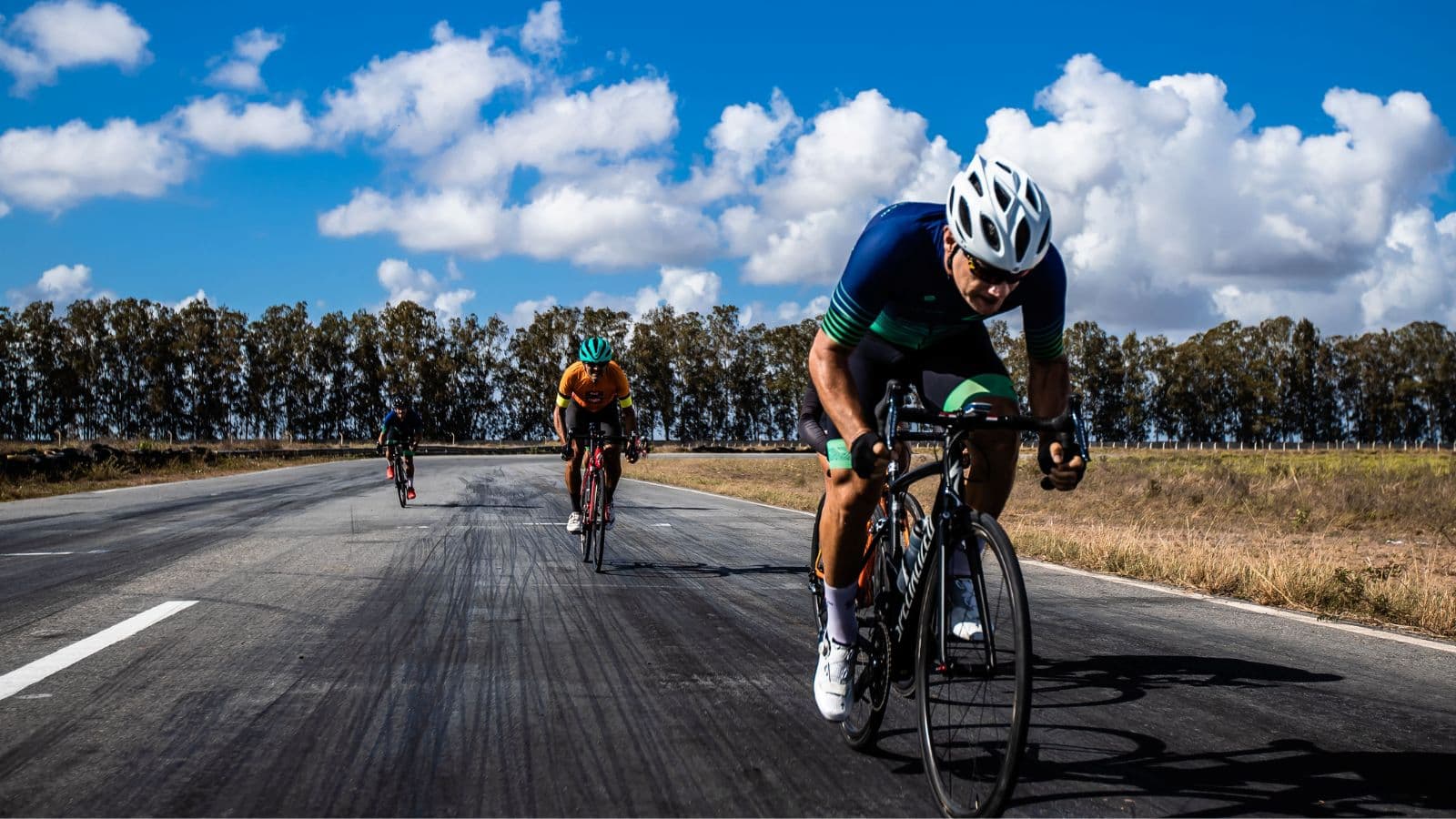
The goal is to develop cycling fitness that matches the demands of your event while preserving enough energy for the remaining race. A balanced program combines endurance, targeted intensity, recovery, and opportunities to practice riding before running.
In Short
- Sprint triathlons emphasize shorter, harder efforts.
- Olympic distance races require sustained aerobic power.
- Middle distance events prioritize endurance and pacing.
- Ironman cycling demands prolonged, controlled effort.
- Longer races require more fueling practice.
- Easy rides remain important at every distance.
- Brick workouts help prepare for running after cycling.
- Training should reflect race duration and terrain.
- Recovery must match workout demands.
How Does Race Distance Affect Cycling Training?
Different triathlon distances require different combinations of endurance, power, and pacing.
| Race distance | Typical bike leg | Main training emphasis |
|---|---|---|
| Sprint | 20 km | Higher intensity and speed endurance |
| Olympic | 40 km | Sustained power and aerobic fitness |
| Ironman 70.3 | 90 km | Endurance, pacing, and fueling |
| Ironman | 180 km | Long duration endurance and efficiency |
Actual distances can vary between events. Understanding what is ftp in triathlon cycling can help athletes use functional threshold power as one reference for organizing workout intensity. However, perceived effort and heart rate are also useful training tools.
Sprint Triathlon Bike Workouts
Sprint triathlons usually involve a relatively short cycling leg, allowing athletes to sustain a higher intensity than during longer races. Training should develop aerobic fitness alongside the ability to produce controlled, harder efforts.
Useful workouts include:
- Short intervals lasting two to five minutes.
- Moderate tempo rides.
- Easy aerobic sessions.
- Short bike to run workouts.
Example sprint cycling workout
- Warm up for 10 minutes.
- Complete five repetitions of three minutes hard.
- Recover for three minutes between repetitions.
- Cool down for 10 minutes.
The harder efforts should feel challenging but repeatable. Understanding how can interval training improve triathlon cycling speed can help athletes recognize why structured efforts support shorter race performance. Beginners should establish comfortable cycling fitness before adding demanding intervals.
Olympic Distance Bike Workouts
Olympic distance triathlons require athletes to maintain a relatively strong cycling effort over approximately 40 km. Training should develop sustained power without creating excessive fatigue before the run. Useful sessions include tempo intervals, threshold workouts, and longer aerobic rides.
Example Olympic distance workout
- Warm up for 15 minutes.
- Ride three repetitions of 10 minutes at a controlled, challenging effort.
- Recover easily for five minutes between repetitions.
- Cool down for 10 minutes.
Understanding how does sweet spot training improve cycling can help athletes develop sustained power through moderately demanding efforts.
Easy endurance rides should remain part of the weekly schedule.
Ironman 70.3 Bike Workouts
The 90 km bike leg of an Ironman 70.3 requires substantial aerobic endurance. Athletes must balance cycling performance with the energy needed for a half marathon afterward.
Training priorities include:
- Longer endurance rides.
- Sustained race effort intervals.
- Fueling practice.
- Aerodynamic position comfort.
- Controlled pacing on hills.
Example middle distance workout
Ride for two to three hours at a manageable aerobic effort, including two sustained blocks of 20 minutes near your intended race intensity. Understanding how to fuel for a 2 hour cycling ride in a triathlon can help athletes practice nutrition during longer sessions. Training duration should increase gradually according to experience and recovery.
Ironman Bike Workouts
Ironman cycling requires athletes to sustain movement over 180 km before beginning a marathon. The main objective is not simply producing maximum cycling power. Instead, athletes need sufficient endurance to maintain a controlled effort without compromising the run. Understanding which cycling workouts help you ride faster in an ironman can help athletes select sessions that develop long duration efficiency.
Important workouts include:
- Long aerobic rides.
- Extended steady effort intervals.
- Race position practice.
- Fueling sessions.
- Selected brick workouts.
A suitable long ride might include several hours of comfortable endurance cycling with controlled sections at intended race effort. The duration should reflect the athlete’s experience and training phase.
How Should Workout Intensity Change?
As race distance increases, sustainable race intensity generally decreases.
| Race distance | Relative race effort |
|---|---|
| Sprint | Relatively high |
| Olympic | Moderately high |
| Ironman 70.3 | Controlled moderate effort |
| Ironman | Predominantly sustainable aerobic effort |
These descriptions are broad guidelines rather than fixed power targets. Understanding how can heart rate zones improve triathlon cycling speed and fitness can help athletes monitor effort across different sessions. Training should still include a mixture of easy and challenging workouts regardless of race distance.
Easy Rides Are Important
Easy cycling helps develop aerobic endurance while creating less fatigue than repeated high intensity sessions. These rides are valuable for sprint and long distance triathletes alike. Understanding why are slower training sessions important for triathlon cycling can help athletes recognize why every workout does not need to feel difficult. Easy sessions also provide opportunities to practice pedaling technique and riding position.
How Should Brick Workouts Change?
Brick workouts combine cycling with running to prepare athletes for the transition between disciplines. Shorter races may benefit from brief runs following relatively intense cycling. Longer races require practice running after sustained endurance riding.
| Race distance | Example brick session |
|---|---|
| Sprint | 40-minute bike followed by 10-minute run |
| Olympic | 60-minute bike followed by 15-minute run |
| Ironman 70.3 | 2-hour bike followed by 20-minute easy run |
| Ironman | Long aerobic bike followed by 15–30-minute controlled run |
These are examples, not mandatory sessions. Understanding how can you bike smarter to improve your triathlon run can help athletes recognize why cycling intensity influences subsequent running performance. Avoid making every brick workout a demanding session.
Adjust Workouts for Hills and Race Terrain
Race courses differ in elevation, road surface, and wind exposure. A flat race may reward consistent power and aerodynamic efficiency. A hilly event requires athletes to manage changes in resistance without repeatedly exceeding sustainable effort. Understanding when should you climb seated vs standing on a bike can help triathletes practice climbing techniques. Train on terrain that resembles your event when practical, while keeping overall workload manageable.
Example Weekly Cycling Structure
A simple weekly cycling schedule might include:
| Session | Sprint or Olympic focus | Longer race focus |
|---|---|---|
| Quality workout | Intervals or tempo | Sustained steady intervals |
| Easy ride | Short aerobic ride | Moderate aerobic ride |
| Long ride | Moderate duration | Progressively longer endurance ride |
| Brick | Short transition run | Controlled run after endurance cycling |
Swimming, running, strength training, and rest must also fit into the overall plan.
Common Mistakes
- Using identical workouts for every race distance.
- Riding every session too hard.
- Neglecting long rides before an Ironman.
- Ignoring fueling during endurance sessions.
- Racing the bike without considering the run.
- Increasing training duration too quickly.
- Skipping recovery.
- Failing to practice race position.
- Ignoring course elevation.
Practical Tips
- Choose workouts based on your race distance.
- Build endurance before adding excessive intensity.
- Include one purposeful quality session.
- Practice race effort during longer rides.
- Test nutrition during training.
- Use easy rides to manage fatigue.
- Include occasional brick sessions.
- Match training terrain to race demands.
- Adjust volume according to recovery.
Actionable Takeaways
- Prioritize intensity for shorter races.
- Emphasize endurance for longer events.
- Practice sustainable race pacing.
- Include fueling and brick workouts.
- Protect recovery throughout training.