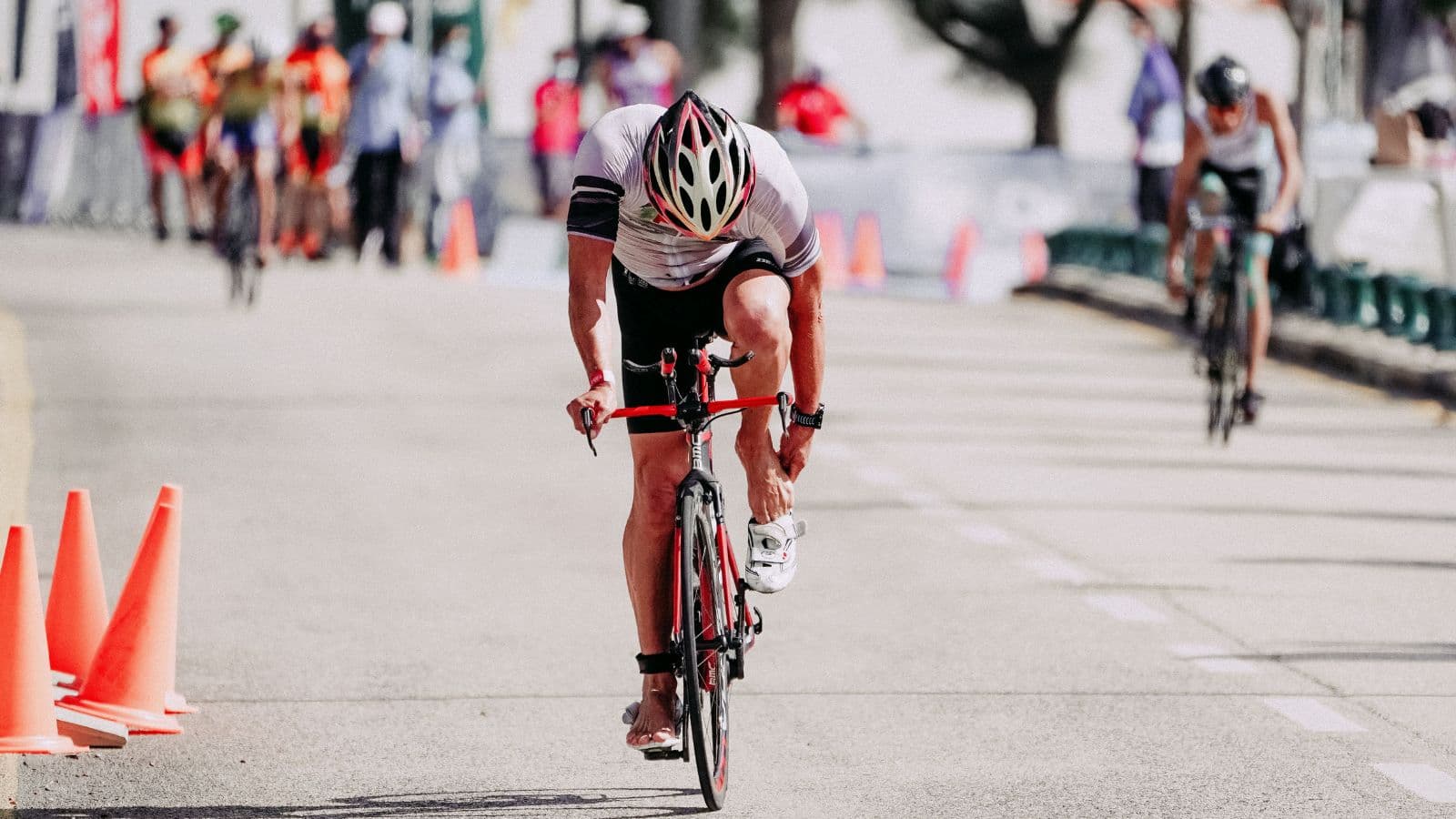


Few things can ruin a long ride faster than a burning sensation in your feet. Commonly known as “hot foot,” this uncomfortable condition affects many cyclists and triathletes, particularly during longer training rides and endurance races. Hot foot usually develops gradually, beginning with tingling or numbness before progressing to burning pain across the ball of the foot or toes. While it can be frustrating, it is rarely caused by a serious injury. Instead, it often results from prolonged pressure on nerves, restricted blood flow or issues with bike fit and footwear. The good news is that hot foot is usually preventable. Small adjustments to your cycling shoes, cleat position, riding technique and overall bike setup can often eliminate the problem and make long rides far more comfortable.
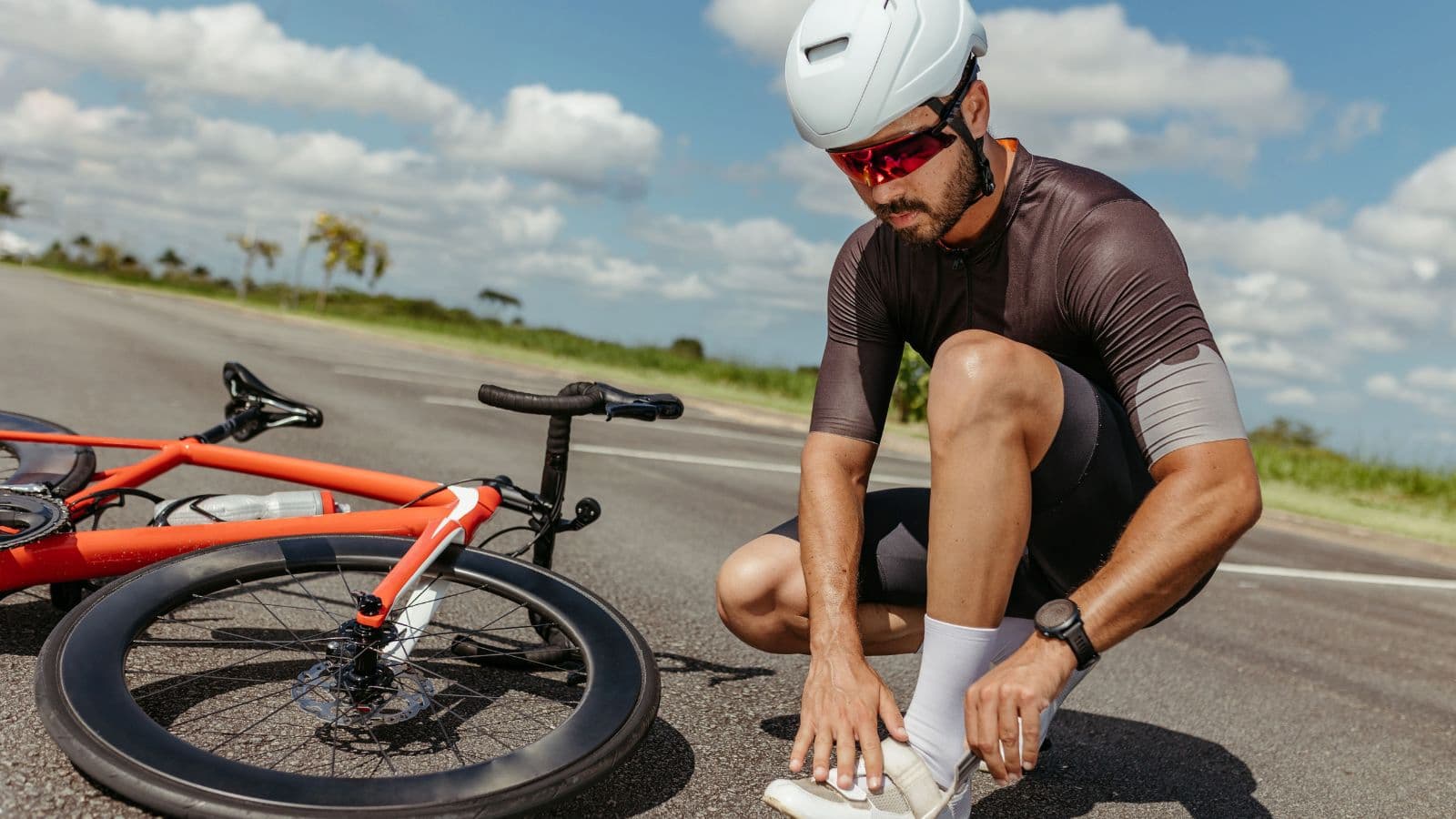
What Is Hot Foot?
Hot foot describes burning pain, tingling or numbness that develops in the forefoot during cycling.
Symptoms commonly affect:
- The ball of the foot.
- Toes.
- Forefoot.
- Occasionally the entire foot.
The discomfort often disappears after removing your cycling shoes or taking a break.
What Causes Hot Foot?
Several factors can contribute to hot foot during long rides.
The most common include:
- Tight cycling shoes.
- Excessive pressure on foot nerves.
- Poor cleat positioning.
- Swollen feet during long rides.
- Inadequate arch support.
- Poor bike fit.
- Long periods without changing foot position.
Often, more than one factor is responsible.
Tight Cycling Shoes
Cycling shoes should fit securely without compressing your feet.
Shoes that are too tight may:
- Restrict circulation.
- Compress nerves.
- Increase pressure across the forefoot.
- Worsen swelling during longer rides.
Many cyclists find that loosening their shoe straps slightly after the first hour improves comfort.
Foot Swelling During Long Rides
It’s normal for feet to swell slightly during prolonged exercise. As swelling increases, previously comfortable shoes may begin pressing on nerves and soft tissues.
This is particularly common during:
- Long endurance rides.
- Hot weather.
- Iron-distance triathlons.
- Multi-hour training sessions.
Cleat Position Matters
Cleat placement changes how force is distributed across your foot. Cleats positioned too far forward may increase pressure beneath the ball of the foot. Moving the cleats slightly rearward often helps spread pressure more evenly across the foot. If you’re making adjustments, change one variable at a time and test the results during shorter rides before race day as this may be the reason why you are not getting faster despite training alot.
Poor Bike Fit Can Increase Pressure
An incorrect bike position may place unnecessary stress on your feet.
Factors that influence foot pressure include:
- Saddle height.
- Saddle setback.
- Reach.
- Cleat alignment.
- Crank length.
A professional bike fit often resolves recurring hot foot problems by improving overall pedalling mechanics. Regular bike inspections also help prevent discomfort. What you should check on your bike before every ride explains the key setup checks every triathlete should perform.
Pedalling Technique Can Play a Role
Constantly pushing down hard on the pedals without varying foot pressure can contribute to discomfort over time.
Focus on:
- Smooth pedalling.
- Relaxed ankles.
- Even force application.
- Consistent cadence.
Improving pedalling efficiency helps reduce unnecessary pressure on the feet. How to develop a smoother pedal stroke in triathlon cycling explains techniques that encourage a more balanced pedal stroke.
High Temperatures Can Make Symptoms Worse
Hot weather often increases foot swelling and discomfort.
Warm conditions may also:
- Increase sweating.
- Cause feet to expand.
- Reduce overall comfort inside cycling shoes.
Wearing breathable socks and well-ventilated shoes may help reduce overheating during summer rides.
Stand Occasionally During Long Rides
Remaining seated for hours places continuous pressure on the same parts of your feet.
Standing on the pedals for:
- 10–20 seconds.
- During gentle climbs.
- Every 10–15 minutes.
can temporarily relieve pressure and restore circulation.
Wear the Right Socks
Bulky socks can make cycling shoes feel tighter than intended.
Choose socks that are:
- Thin.
- Moisture-wicking.
- Breathable.
- Well fitted.
Avoid socks that bunch or create pressure points inside your shoes.
Maintain Good Circulation
Small changes during your ride can improve blood flow.
Try to:
- Wiggle your toes occasionally.
- Relax your feet between harder efforts.
- Avoid clenching your toes.
- Shift your foot position slightly when safe.
These simple habits may reduce pressure on sensitive nerves during long rides.
Build Riding Time Gradually
Hot foot often becomes noticeable as ride duration increases. If you’re preparing for longer triathlons, increase your cycling volume progressively to allow your body to adapt. Gradual progression also gives you time to identify equipment issues before race day. How to improve lactate threshold for triathlon cycling explains how to safely increase long-distance riding capacity.
Stay Hydrated Throughout Your Ride
Dehydration contributes to reduced circulation and increased swelling, both of which can make hot foot worse. Aim to drink consistently throughout longer rides rather than waiting until you feel thirsty.
Hydration strategies should account for:
- Temperature.
- Humidity.
- Ride duration.
- Sweat rate.
Learning how much should you drink per hour when cycling in hot weather can help you stay hydrated and reduce the risk of discomfort during long sessions.
Check Your Arch Support
Your foot’s natural shape influences how pressure is distributed across the pedals.
Cyclists with particularly high or low arches may benefit from supportive cycling insoles that:
- Improve stability.
- Spread pressure more evenly.
- Reduce excessive movement inside the shoe.
- Support natural foot alignment.
If you’re unsure which insoles are appropriate, consider visiting a bike fitter or podiatrist with cycling experience.
Strengthen Your Feet
Strong feet are better able to tolerate long hours on the bike.
Simple exercises include:
- Toe curls.
- Heel raises.
- Picking up small objects with your toes.
- Single-leg balance exercises.
Although these exercises won’t eliminate hot foot on their own, they can improve foot stability and comfort over time.
Review Your Bike Fit Regularly
Even small changes to your position can affect foot pressure.
If hot foot develops after changing equipment or your riding position, review:
- Saddle height.
- Saddle fore-aft position.
- Cleat alignment.
- Handlebar reach.
- Shoe fit.
A professional bike fit is often the fastest way to identify problems that aren’t obvious during normal riding.
Don’t Ignore Persistent Symptoms
Occasional hot foot is common during long rides, but persistent or worsening symptoms deserve attention.
Seek advice from a healthcare professional or qualified bike fitter if:
- Burning pain occurs on every ride.
- Numbness continues after cycling.
- Symptoms affect walking.
- One foot is consistently worse than the other.
- Pain becomes progressively more severe.
Early assessment may identify underlying issues before they become chronic.
Improve Overall Cycling Efficiency
The harder you push on the pedals, the greater the pressure placed through your feet. Improving your overall cycling efficiency can reduce unnecessary loading and make long rides more comfortable. Developing how to become a more efficient cyclist can help you produce more power with less wasted effort, reducing strain throughout your body, including your feet.
Common Mistakes
- Wearing cycling shoes that are too tight.
- Fastening shoe straps excessively.
- Ignoring swollen feet during long rides.
- Positioning cleats too far forward.
- Remaining seated for hours without standing.
- Overlooking poor bike fit.
- Wearing thick socks in hot weather.
- Ignoring recurring symptoms instead of investigating the cause.
Practical Tips
- Loosen your cycling shoes slightly after the first hour if needed.
- Stand on the pedals regularly to relieve pressure.
- Use thin, breathable cycling socks.
- Check cleat position before making major bike fit changes.
- Wiggle your toes periodically during long rides.
- Stay well hydrated throughout training and racing.
- Increase ride duration gradually.
- Test any equipment changes before race day.
Actionable Takeaways
Hot foot is usually caused by prolonged pressure on the nerves in the forefoot rather than a serious injury. Tight shoes, poor cleat placement, swollen feet and an incorrect bike fit are among the most common contributing factors.
Fortunately, most cases can be prevented with small adjustments. Ensuring your shoes fit properly, optimising cleat position, maintaining good pedalling technique and taking regular opportunities to relieve pressure during long rides can make a significant difference. Addressing symptoms early will help you stay comfortable and perform your best throughout training and racing.