

As a triathlete it’s easy to get drawn in by pricey tech and think the latest wetsuit, deep-section wheels and carbon-plate running shoes are the key to a PB. This can come at a cost to your bank balance as well as your race times if you overlook free and cheap ways to go faster: leg shaving is one of these.
It’s fine if you don’t like the aesthetics of hairless legs and the faff isn’t worth it for you – here we’re only going to focus on the time savings. And they can be substantial for the minimal cost of a razor and shaving cream or foam!
In fact, the seconds it can trim off your bike split make leg shaving one of the most cost-effective ways to ride faster, as we explain with data from Ingmar Jungnickel, former aerodynamics lead at Specialized Bicycles. Since shaving your legs brings less benefit in the water, we’ve also asked Gabriella Burden from wetsuit brand Zone3 for her advice on how to make yourself more hydrodynamic.
The shocking amount of time (and watts) shaving your legs could save you on your triathlon bike split
The rationale behind shaving your legs for triathlon is straightforward.
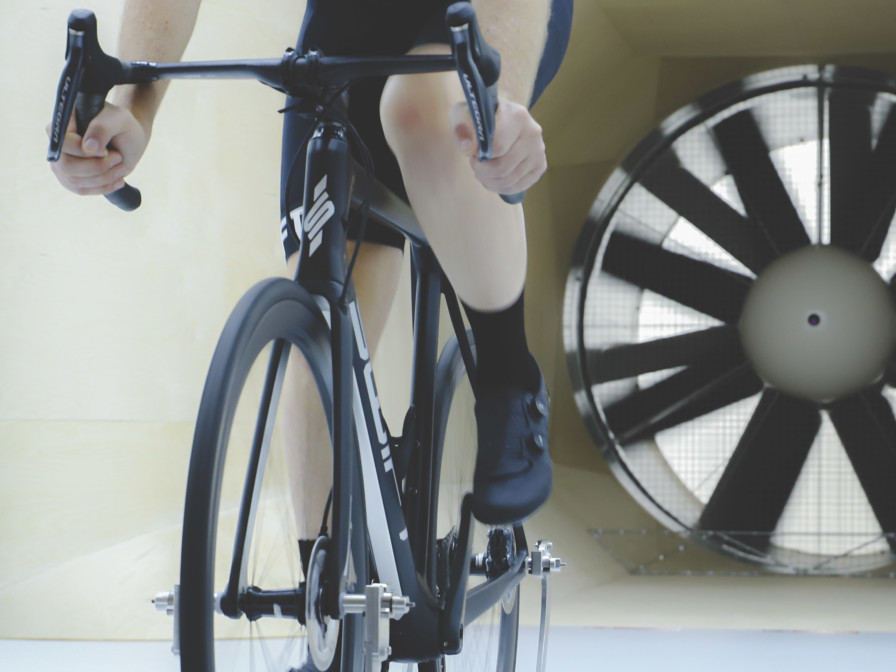
Wherever possible on your bike and on yourself (through your choice of clothing and helmet) you are trying to present a smooth surface to the wind to reduce aerodynamic drag. And by removing hair from your legs, you do the same. And evidence indicates it works very well.
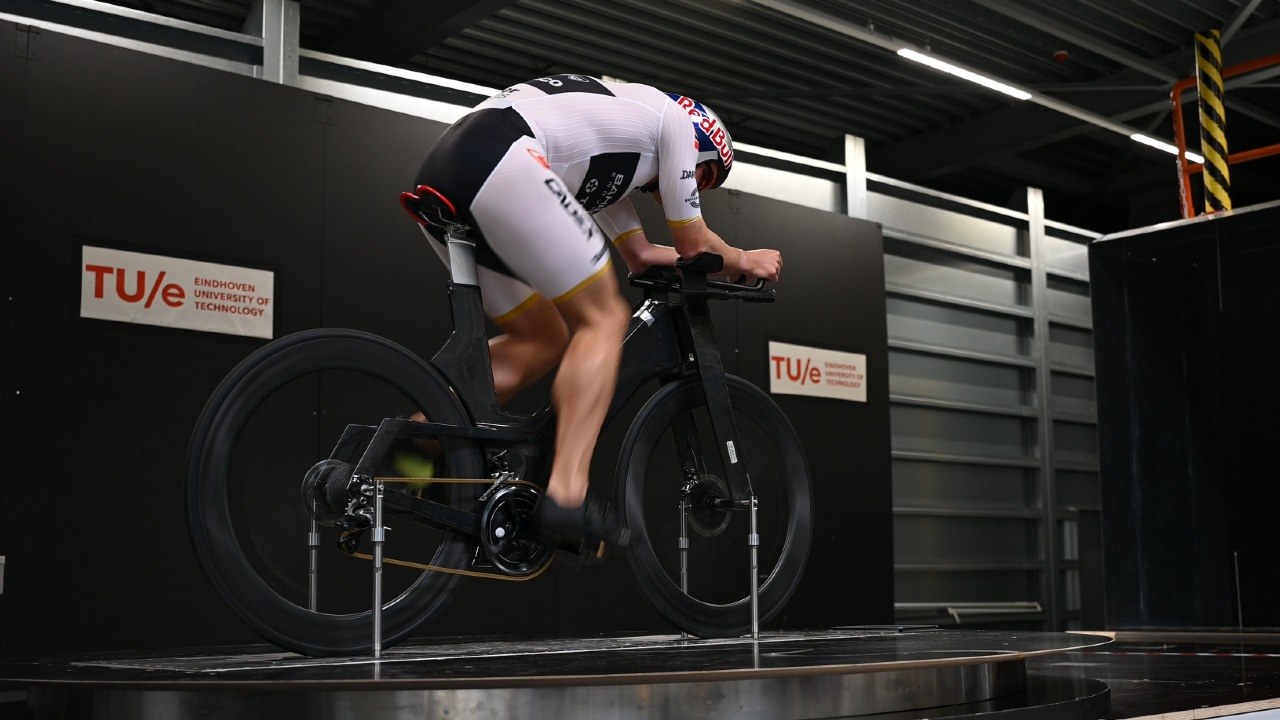
By shaving your legs Jungnickel says you can ride faster by an average of:
- 70 seconds over Olympic distance
- 2.5 minutes over half-Ironman distance
- 5 minutes over Ironman distance
It will be music to the ears of those of us who aren’t as fast as Taylor Knibb on the bike that anyone can save this much time.
“These savings are relatively independent of speed,” says Jungnickel.
The reason for this is that the slower you ride, the longer you spend in the wind.
In terms of power output, Jungnickel adds: “This is roughly 25 Watts at 45km/h, 18 Watts at 40km/h and 12 Watts at 35km/h.”
Anyone who’s completed a gruelling training plan to see their Functional Threshold Power rise by a seemingly measly 10 watts or so will know how hard it is to attain such numbers through fitness improvements.
Leg shaving could give you one of the highest aero returns on investment
Those time and watt savings sound impressive, but how do they compare to other aero cycling upgrades?
“Legs [shaving] savings are on the order of going from slightly baggy tri kit, to a high-end sleeved suit, or aero socks and helmet combined,” says Jungnickel.
Given that investing that much in kit could cost you hundreds of dollars or pounds, it’s clear why he believes leg shaving efficiencies are “probably the highest ROI savings you can find, other than position improvements.”
You could shave your arms as well for good measure, as Lionel Sanders did for a wind tunnel test. He found that removing leg and arm hair saved him the equivalent of more than two minutes over 70.3 and four minutes over IRONMAN distance.
However, because your arms are usually stationary on the bike, unlike your legs, they shouldn’t cause much drag. Therefore, most of the watts Sanders saved probably came from the removal of leg hair. In essence, if you leave your arms hairy, it’s unlikely to cost you much time.
How to make yourself more hydrodynamic for swimming
The benefit of shaving arm and leg hair is smaller for swimming, but it can still be beneficial.
“Shaving will give you marginal gains if you are not wearing a wetsuit because it reduces frictional drag,” says Gabriella Burden from Zone3.
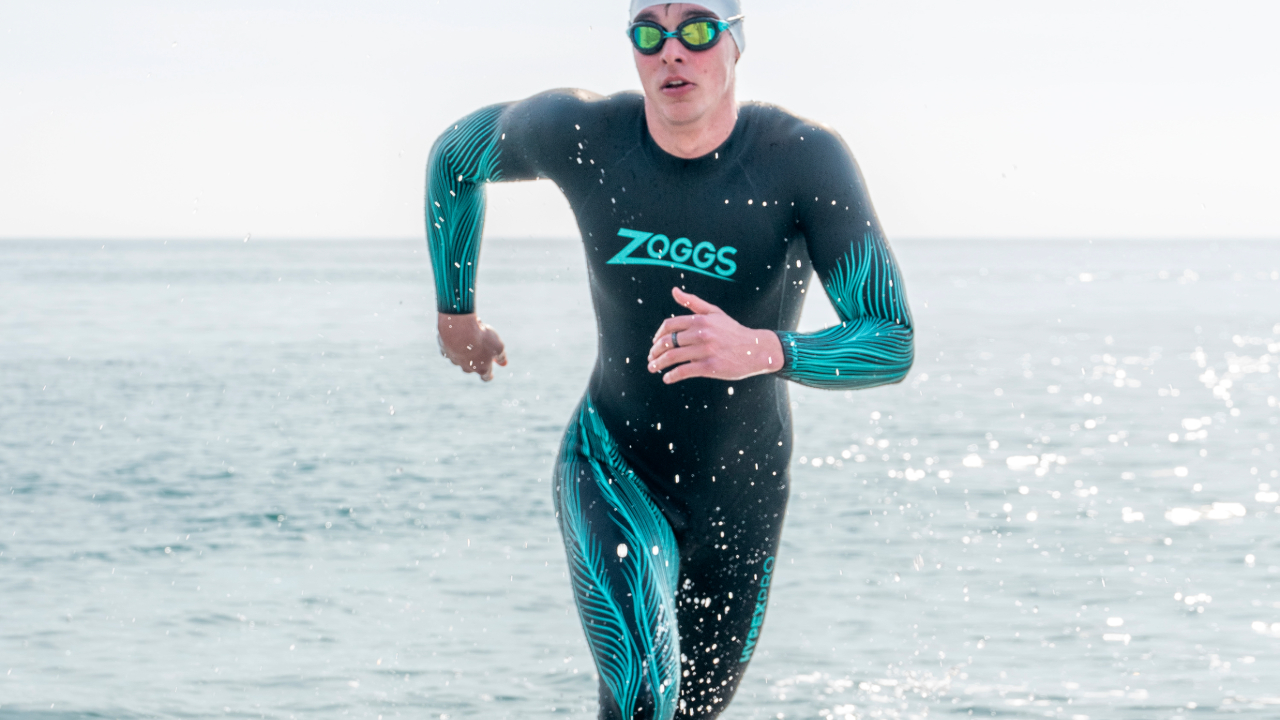
Ensuring your triathlon wetsuit fits well, improving body position and swim technique, and working on your sighting are surer ways to swim faster, according to the marketing manager.
A snug, wrinkle-free wetsuit reduces drag. Excess folds or baggy areas can catch or flush water and slow you down,” she says.
“We really emphasise taking the time to put a wetsuit on, and pulling it up bit by bit so that it is snug in the right places, but gives you good freedom of movement.”
You shouldn’t get sloppy even when wearing a wetsuit though.
“Focus on a horizontal, streamlined posture,” says Burden. “The buoyancy of the wetsuit raises your legs, but think about your head and eye position when breathing and a streamlined, light flutter to minimize drag.”
She says this goes hand in hand with learning how to sight correctly, adding: “Lift your head minimally when sighting buoys to prevent body drop and loss of forward momentum.”
In light of the hydro advantages of wearing a wetsuit, what should you do when water temperatures are too warm?
Burden says: “You should consider wearing a swimskin, a compressive, tightly woven, hydrodynamic suit made from water-repellent fabrics designed to be worn over your tri-suit.
“They reduce drag compared to swimming in just a trisuit.”
“If you can’t wear a swimskin, wearing tightly fitting swimwear or tri-suits will reduce drag in comparison to wearing something baggy.