




There’s plenty of cause for optimism at the start of 2026 judged on last year’s participation figures from both IRONMAN and Challenge Family.
They showed record numbers of younger athletes joining the sport of triathlon – and a significant increase in first timers.
‘A dynamic shift’
Starting with IRONMAN and the M-Dot brand had over 250,000 race registrations across their full-distance and 70.3 events. The former sees athletes swim 3.8km, bike 180km and run a marathon (42.2km), while 70.3 is exactly half the distance.
Unveiling their global participation data, IRONMAN showcased what they termed: “A dynamic shift in athlete demographics, record-breaking race registrations, and strategic expansion into emerging markets.”
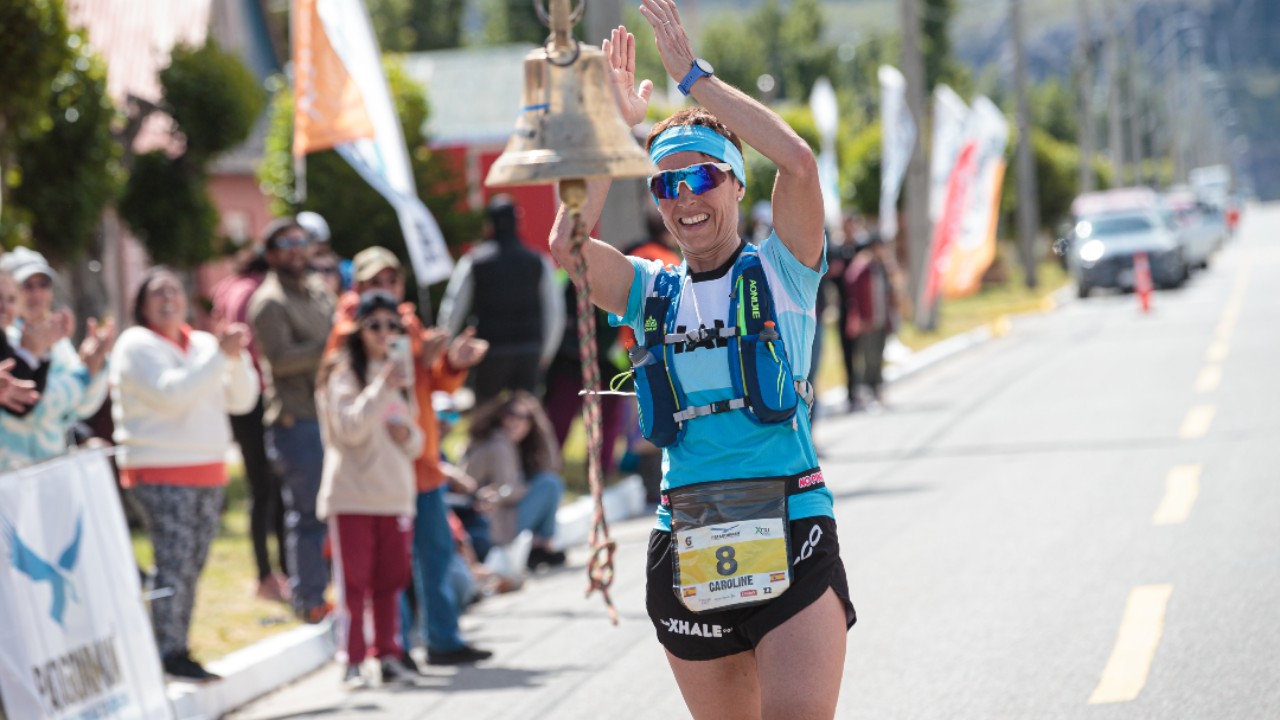
One of the most striking – and encouraging – trends in 2025 was the continued surge in younger athletes entering the sport. Participation among those under 30 grew by 35% for IRONMAN, while the 30-34 age group was the largest category for the second consecutive year.
And the number of first-time participants under 30 has more than doubled since 2019 with full-distance IRONMAN races seeing a 46% increase in this demographic since the previous year. This has been especially prominent among women 25-29 which has seen a nearly 44% growth YOY as part of a 9% YOY increase of female athletes overall.
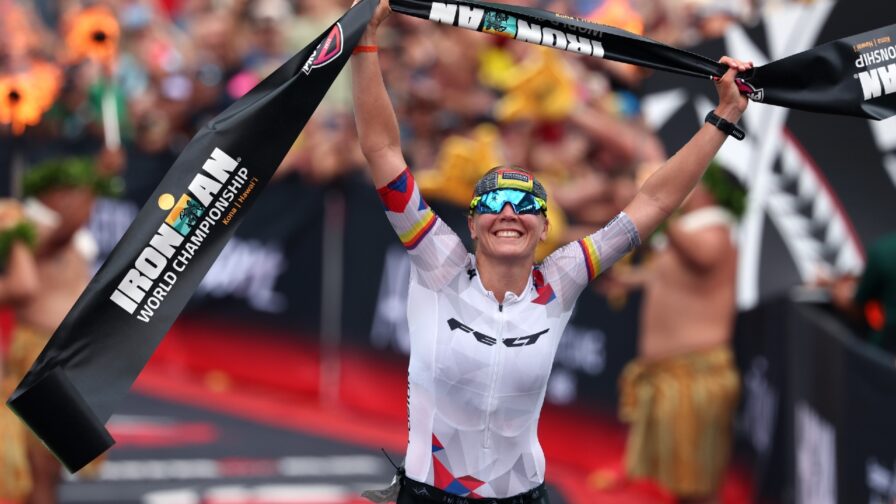
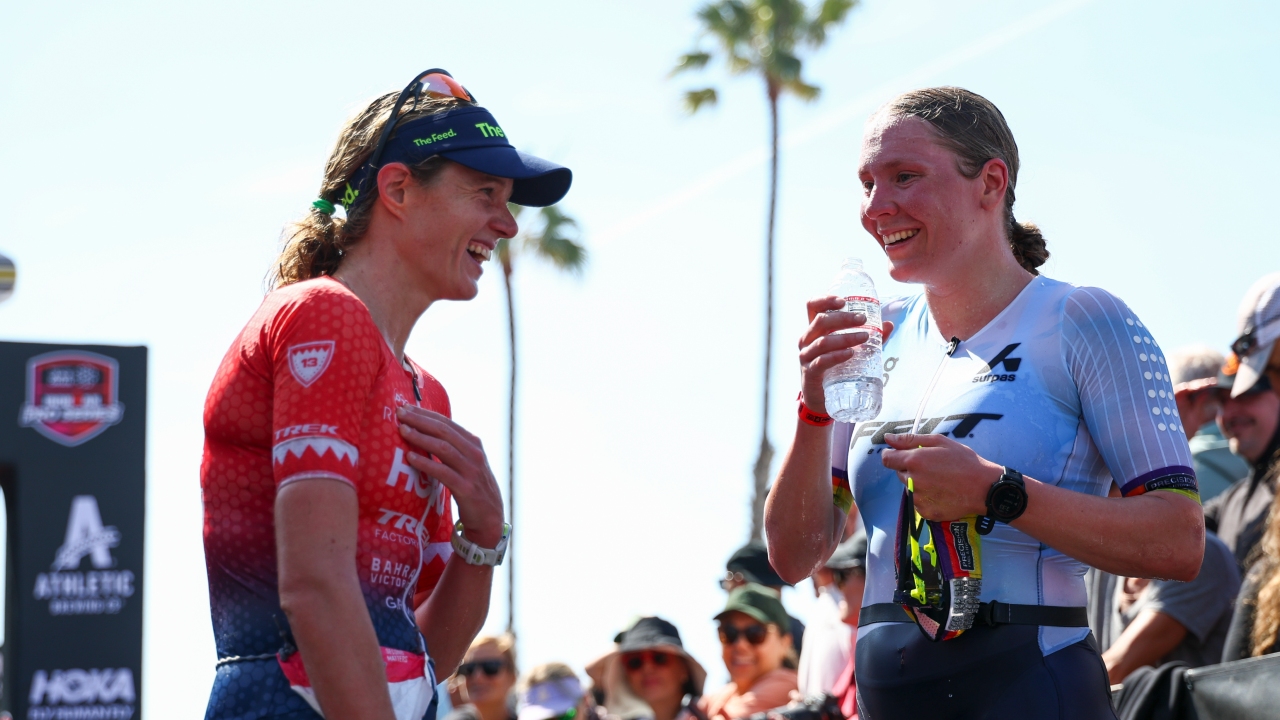
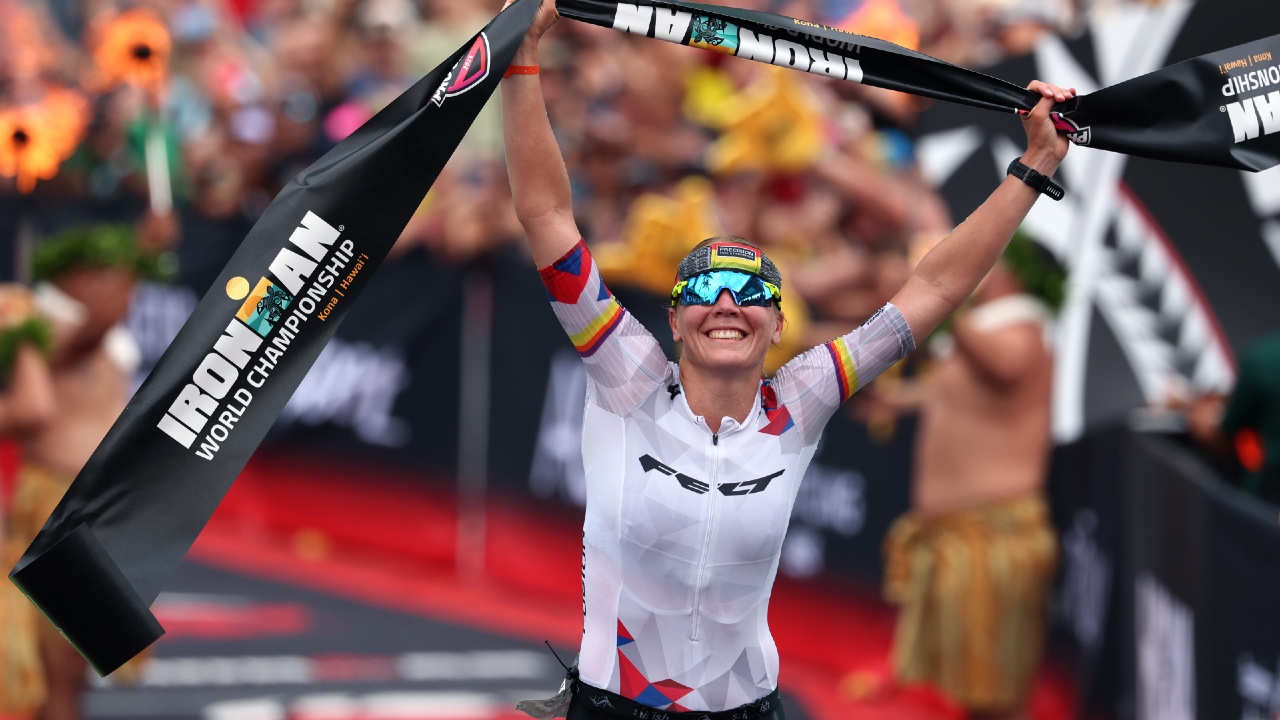
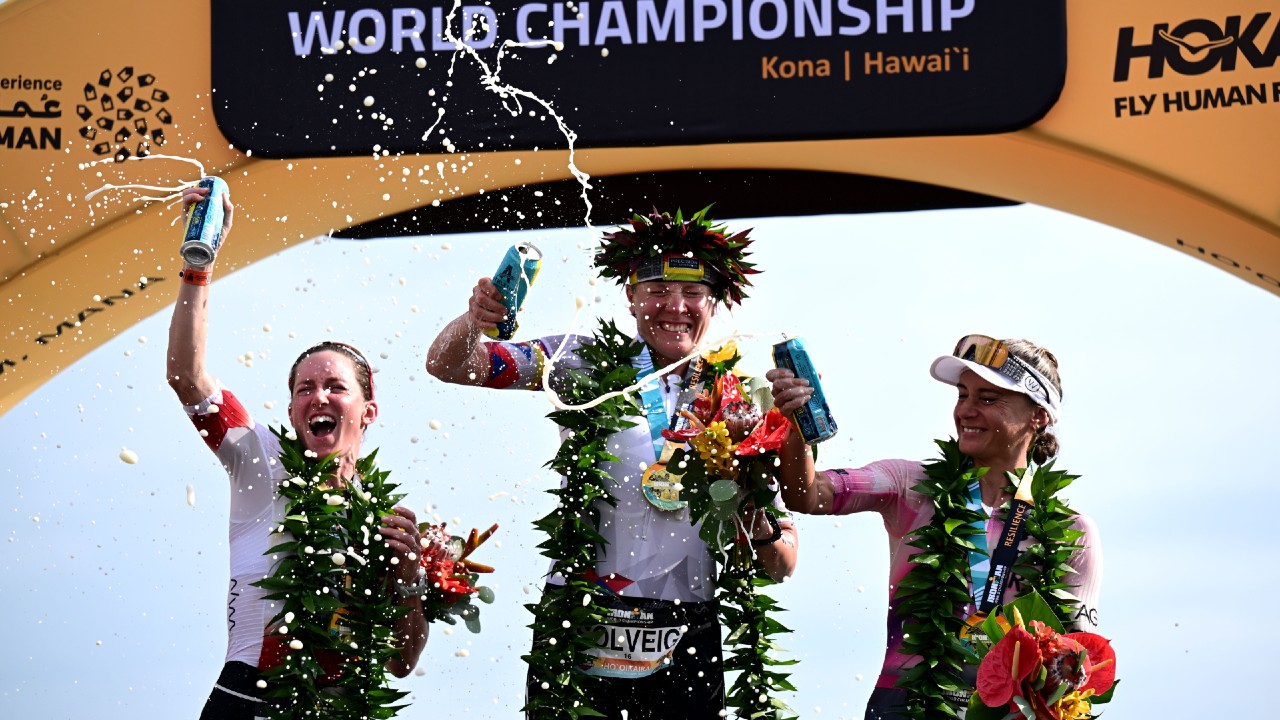
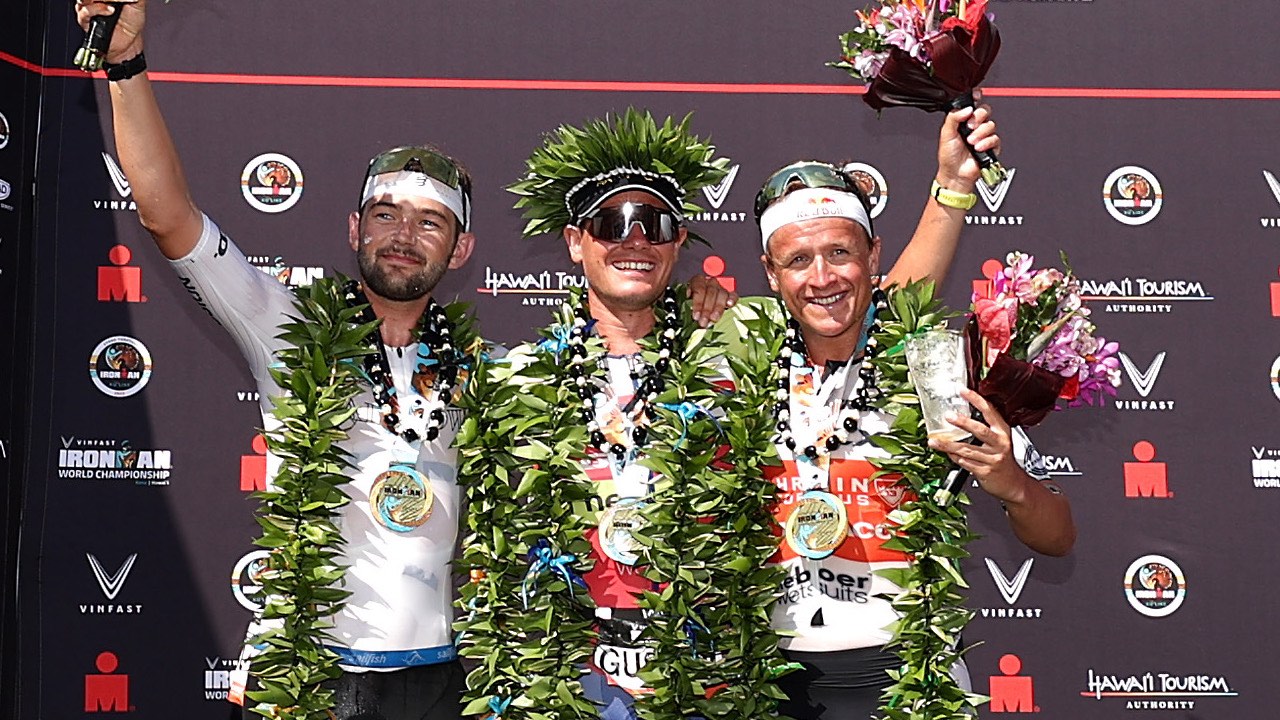
This is also reflected in the professional ranks, with 28-year-old Casper Stornes of Norway winning the men’s 2025 IRONMAN World Championship and 26-year-old Solveig Løvseth of Norway winning the women’s IRONMAN World Championship.
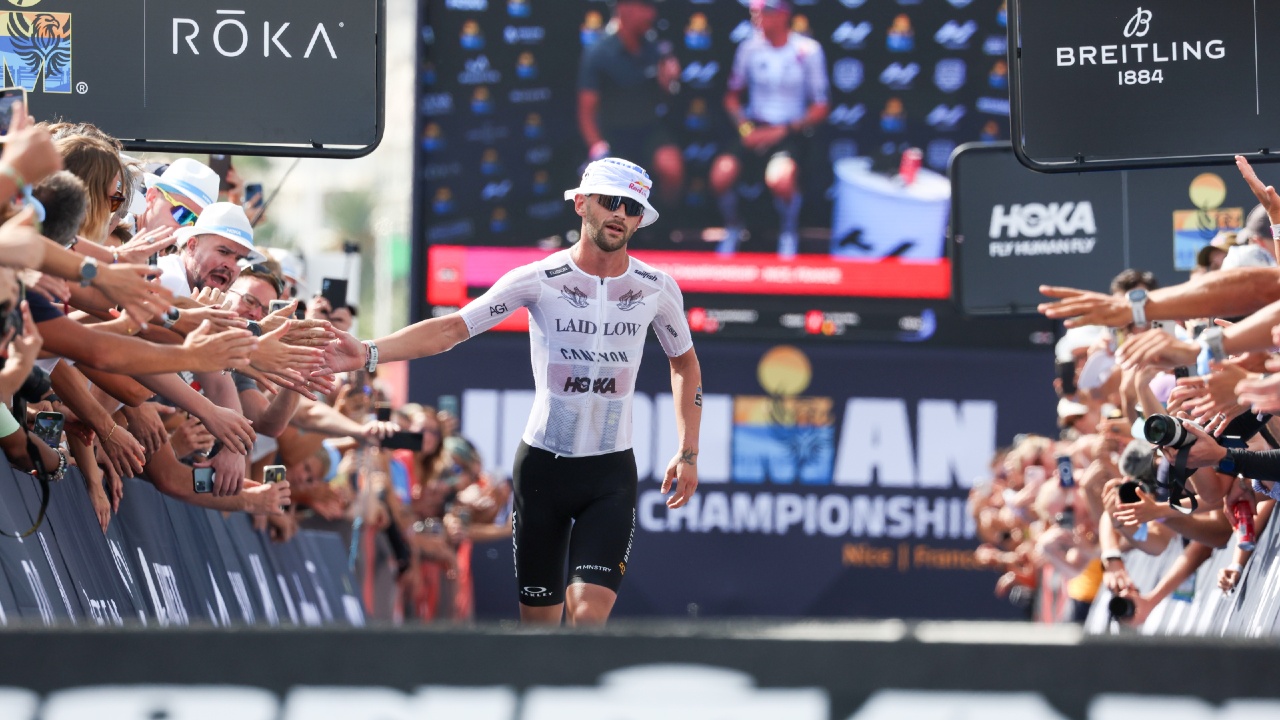
That follows on from the likes of Sam Laidlow (24 when he won in 2023), Kristian Blummenfelt, Gustav Iden and Lucy Charles-Barclay who have all become IRONMAN World Champions in their twenties in recent years, a marked shift compared to the previous generation.
Average age dips below 40
Female participation in IRONMAN and IRONMAN 70.3 events continues to grow, marking one of the strongest years to date. In 2025, nearly 49,500 women signed up to an IRONMAN or IRONMAN 70.3 triathlon – representing 22.5% of the global athlete community and reflecting a 7% year-over-year increase and the second highest year on record (the first being 2019 before the global COVID pandemic).
Women make up 17% of IRONMAN athletes (a 10% YOY increase) and 25% of IRONMAN 70.3 athletes (up 5.4% YOY), with early 2026 trends also indicating that more than a quarter of IRONMAN 70.3 participants will be women.
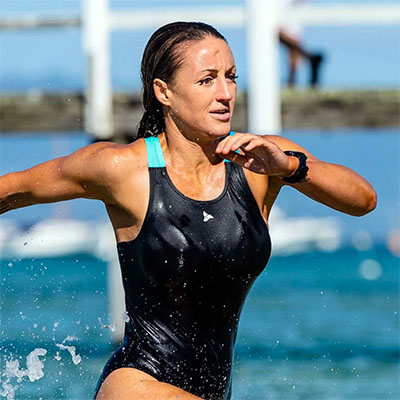
In line with global trends, younger women are joining the sport in record numbers – registrations among women under 30 surged by 36% in 2025, and for the first time the average age of female athletes dropped below 40.
IRONMAN summed up the current position by saying: “While there is still work to do, these milestones underscore the momentum behind making triathlon more accessible and inclusive for women worldwide.”
The Championship currently 37% female
And there were some striking similarities in Challenge Family’s figures.
There was an 18% increase in starters compared to 2024. Even more encouraging was that this growth was particularly strong among female athletes and young people. The latter resulted in a new initiative launched by Challenge Family for 2026, offering students aged 17 to 23 a special rate on their entry fees.
Women, meanwhile, were well represented at Challenge Family races worldwide, a trend that is continuing into 2026. For example, their flagship Championship event this year is already 37% female.



![Jonas Schomburg wins in Kalmar 2026. [Photo credit: IRONMAN]](https://www.tri247.com/wp-content/uploads/2026/08/1H5A7725_Gfhj69jc_20260815012118.jpg)