



The draft zone distance in IRONMAN may have moved a significant step closer to rising to 20 metres rather than 12.
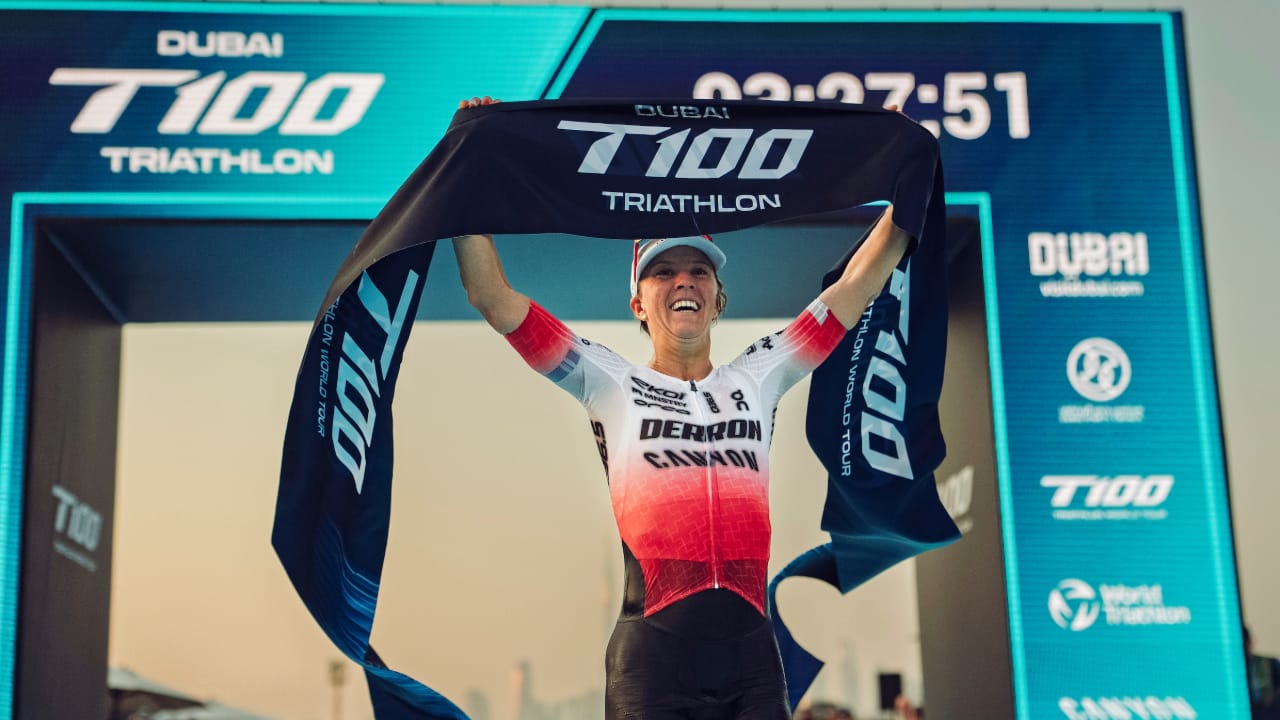
20 metres has been the norm in the T100 for some time – and has been used in conjunction with the RaceRanger anti-draft technology.
That has been met with widespread approval by the professionals so it comes as no great surprise that the M-Dot brand has conducted a trial and has additional plans for in-event testing early this year.
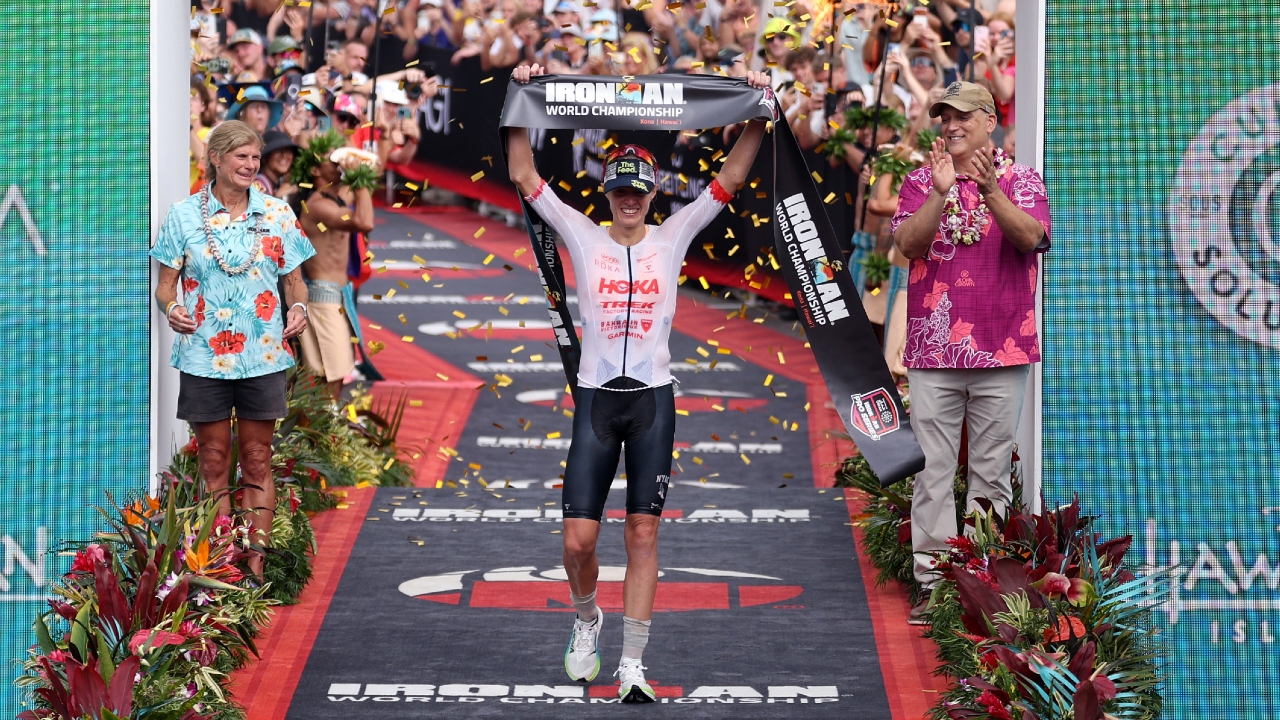
The highest-profile and most coveted title in long-distance racing is the IRONMAN World Championship in Kona – and the improvement in bike times there in recent years has been staggering.
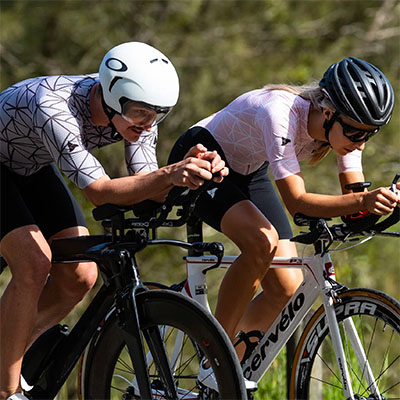
IRONMAN themselves recently conducted a trial with a number of professionals which looked at the data from draft zones at the current 12 metres, 16 metres and 20 metres.
The results of that are currently being analysed and added to that, Pro Tri News have conducted a survey of virtually all the top professionals to gauge their opinions – and the results of that are overwhelmingly in favour of a 20-metre draft zone, all the more so when the responses are filtered to those athletes who have experienced both a 20-metres zone (in PTO / T100 races) and the IRONMAN 12-metres.
‘A great opportunity’
One of those is Lionel Sanders and the popular Canadian – always one of the sport’s most proactive and engaging athletes – has given his take on the state of play in his latest YouTube video, which is embedded below.
There are all sorts of nuances to the argument but the evidence up until now would suggest that it’s a more level playing field at 20 metres compared to 12.
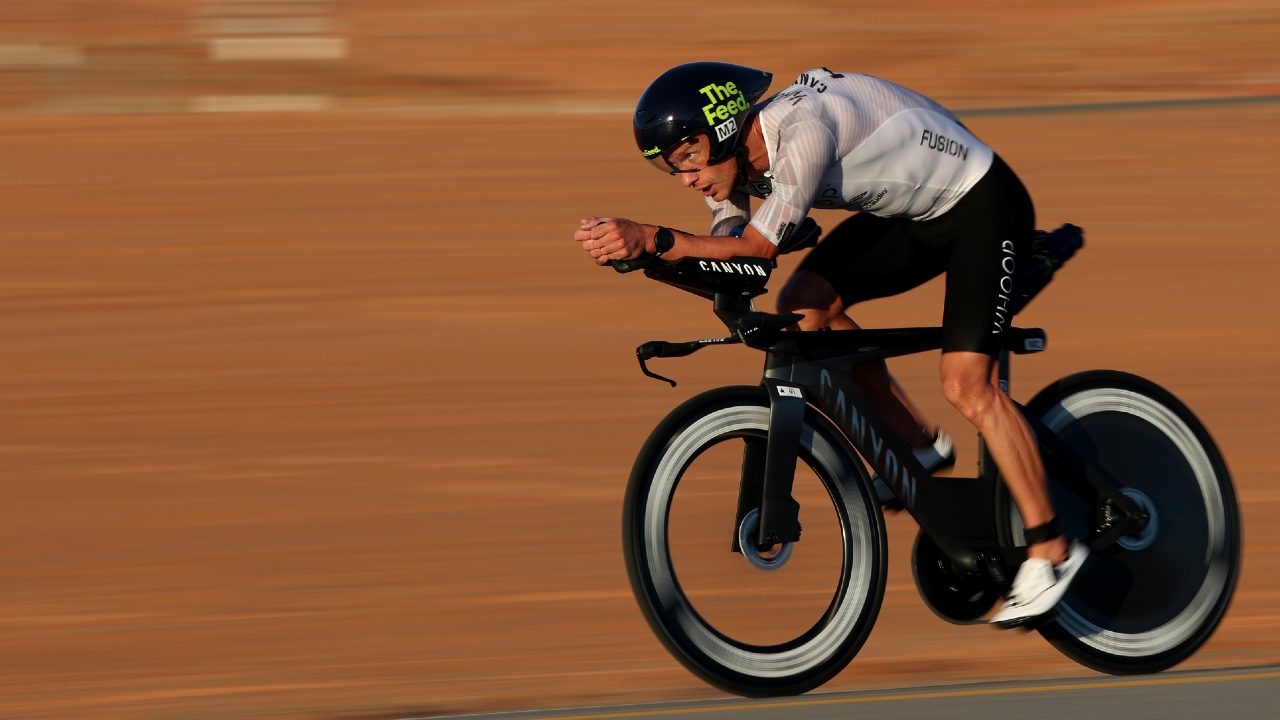
In the video Sanders explains: “I was able to participate in a draft study funded by IRONMAN about two weeks ago where they investigated using RaceRanger technology and five athletes circling off the effect of the draft zone at 12 metres, 16 metres and 20 metres.
“We’ve heard through the grapevine that IRONMAN executives are getting that data back this week and they’re meeting to discuss whether something needs to be done.
“As someone who’s raced for a long time and someone who’s really wanted this change to be made for a long time, I think it’s a great opportunity to voice my opinion on the topic as well as hopefully get some of my fellow pros to voice their opinion on this topic.”
12 metres ‘not sufficient’
He then gives the background as to why this is now a hotter topic than ever, explaining: “Like any maturing sport, the sport has evolved and we have significant increases in bike technology and we have a lot better athletes now and the speeds have gone up on the bike significantly in the pro field.
“When I first began racing it was good to ride 4:30 in Kona, that was excellent. And now, I mean I don’t know if anybody rides 4:30 anymore. Sam Laidlow’s riding 3:57, 33 minutes quicker than what was happening even 10 years ago.”
To give that added context and in simple terms – the faster the speeds, the bigger any drafting advantages will be.
Sanders continued: “And that’s not happened in the swim. The swim record is still old. It’s not really happened in the run, there has been a bit of an improvement in the run but the reality is the bike is the one that has greatly evolved and the bike is the one that we a long distance triathletes want to keep as non-draft.
“If you’re interested in draft-legal triathlon there’s a whole world out there for you where you can win an Olympic gold medal and you can make a lot of money and quite frankly a lot of those Olympic distance guys like the fact that there’s this whole other world waiting for them after their Olympic dreams.
“And so as the sport stands right now, it is moving ever so closer to draft-legal racing. When you get into these championship level races and the parity is so high in the swim, the 12-metre draft zone is no longer, not even remotely, sufficient to make non drafting biking.”
‘No system is going to be perfect’
That’s a hugely helpful summary of the current situation from Sanders’ perspective and the recent Pro Tri News survey canvassed the opinion of 356 current or former professionals, with landslide results from whichever angle you look at it.
Across the board 85.7% of that number support a 20-metre draft zone and that rises to 91.8% if narrowed down to the 182 out of the 356 who have experience of a 20-metre zone. That’s 167 of the 182.
Sanders continued: “And so the sport needs to evolve and we have a great opportunity right now. IRONMAN is listening. They’re looking into this deeply and they’re voting on it this week.
“This is our opportunity pros. And it’s no longer just me talking about this. PTN, who we owe a lot to because they’ve put in a lot of hard work for us on our behalf, have polled tons of pros.
“And right off the hop, 82% of the [Pro Series] women and 74% of the [Pro Series] men regardless of the study want to go to 20 metres. So I think that’s a huge piece that I hope that the IRONMAN executives consider in their meeting.
“This is something we want deeply because I think we as a cohort want to keep long distance triathlon an individual test.
“As someone who’s raced for a long time who talks to guys all over the place I think it’s pretty safe to say that there is a significant draft effect for us currently.
“Of course no system is going to be perfect. The 12-metre system isn’t perfect and a 20-metre system is not going to be perfect but it’s going to make the racing a lot more fair.
“There will be ramifications of going to 20 metres. Of course it will be harder to make a pass. There will be all sorts of things that we can’t even predict that will come up. But 74% of the men and 82% of the women want to take that on and learn the nuances.”
“So we’re willing to take all of the potential ramifications and I know it’s not going to be easy. I know there’s going to be growing pains. We all know this stuff, but we want to take it on because we care about our sport.”
Over to IRONMAN then – and we asked them when the decision will be announced as well as the earliest any changes could be implemented. It’s IRONMAN 70.3 Pucon this weekend but the race season proper – and the IRONMAN Pro Series – doesn’t get under way until IRONMAN New Zealand on March 7th.
And a spokesperson told us they have “no plans to announce anything right now”, adding: “As per our release from the end of last year, we have additional plans for in-event testing early this year to help us further validate findings in real-world conditions.”