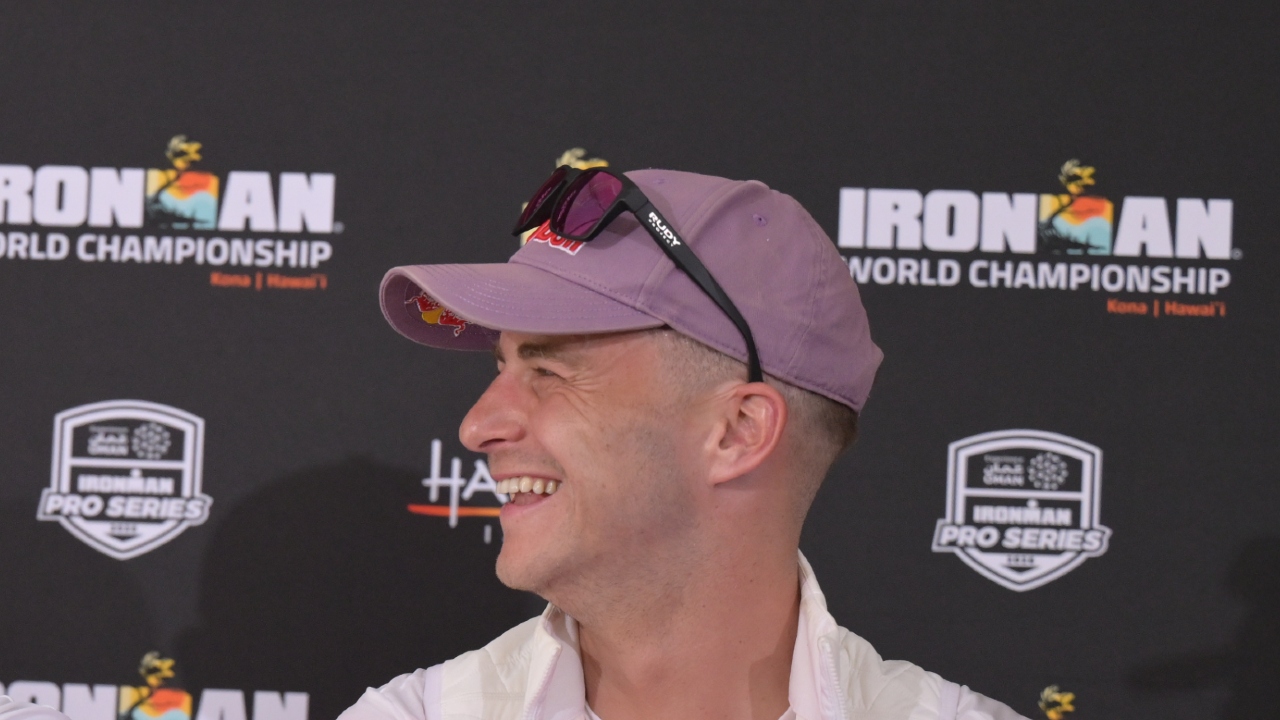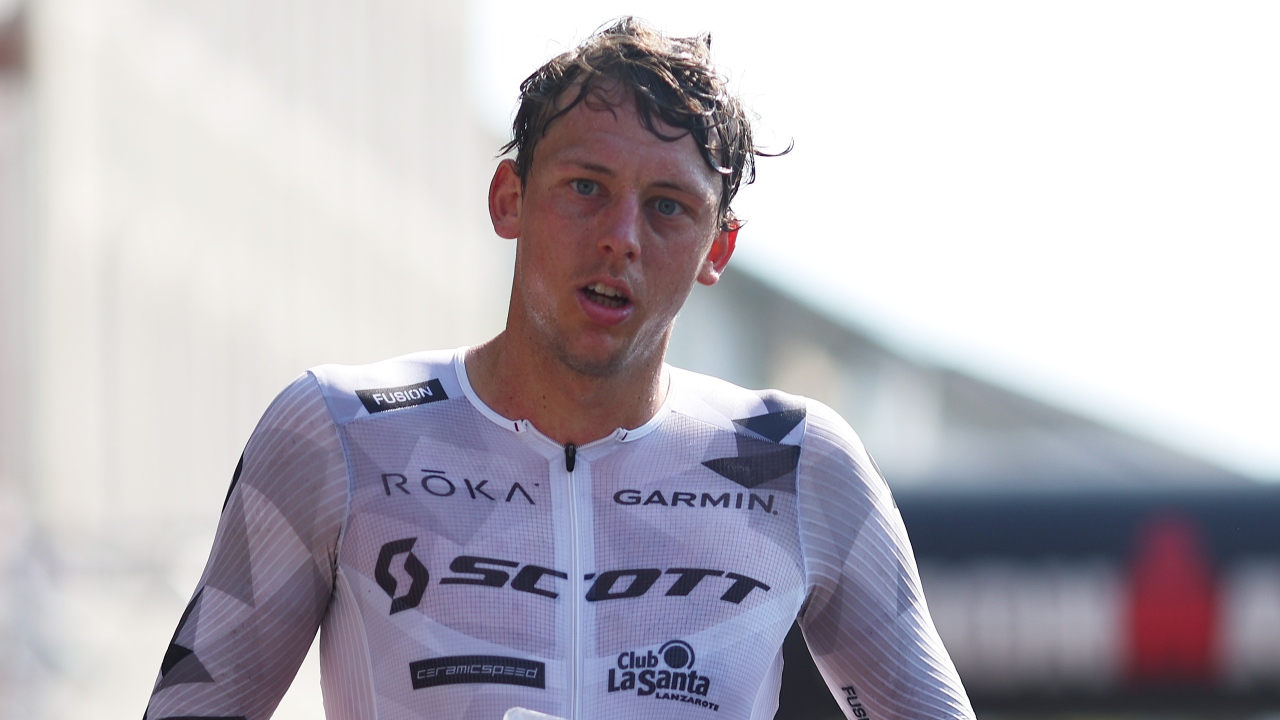




It looks as if IRONMAN are gradually moving closer to changing the draft zone in their pro races from the current 12 metres to 20 metres.
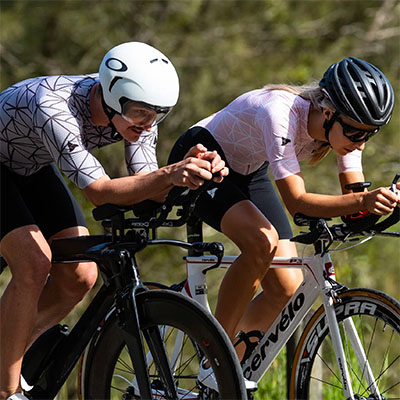
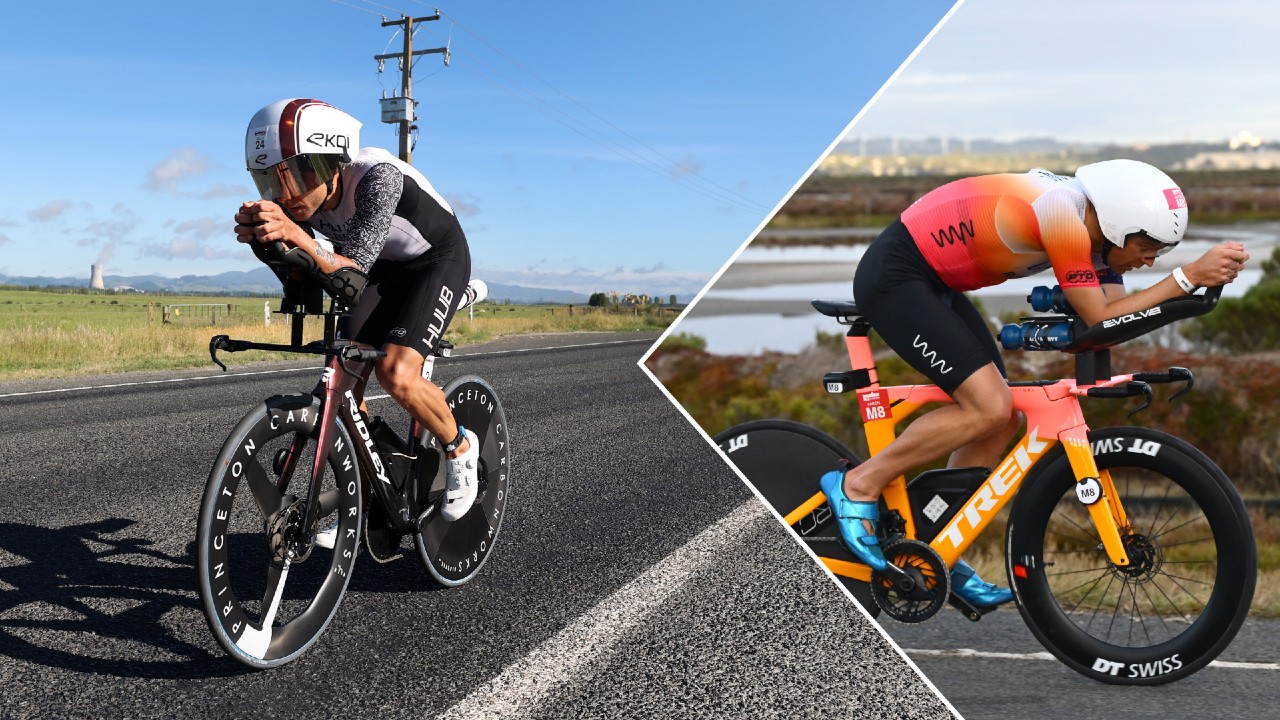
The M-Dot brand are pretty much out on their own at 12 metres, with the PTO’s T100 Triathlon World Tour and nearly every Challenge Family race already at 20 metres.
But IRONMAN recently conducted a trial with a number of professionals which looked at the data from draft zones at the current 12 metres, 16 metres and 20 metres. The results of that are currently being analysed and will be followed by “in-event testing early this year to help us further validate findings in real-world conditions.”
A recent Pro Tri News survey of virtually all the top professionals showed the vast majority are in favour of a 20-metre draft zone so the momentum is very much in that direction.
In theory that should make racing fairer and two groups likely to benefit most are the uber bikers who are often on their own at the front of the race so not getting any drafting assistance – plus those who are out the back in the swim and then find it harder than it might be to make up ground on that middle pack of riders.
Swim in the spotlight
But with the bike portion of a full-distance IRONMAN event (as well as 70.3 and T100) making up over 50% of the overall race time (the swim isn’t much more than 10%) it could be argued that things are already weighted heavily in favour of the stronger cyclists.
And that was a theme that reigning IRONMAN 70.3 World Champion Jelle Geens and Olympian Aaron Royle have been exploring in the latest episode of their All in Triathlon podcast, which is embedded below.
There’s lots that’s tongue in cheek – a time-trial format 10km swim, 90km bike and 34km run to even up the time spent on each discipline isn’t going to get many takers in the near future – but there’s also plenty of food for thought from two top tier athletes who have raced over a variety of distances and under both 12m and 20m drafting rules.
The now-retired Royle, one of the sport’s best swimmers, said at the start that he feels that 20 metres “is the fairest way to go moving forward even though it personally wouldn’t have helped me”.
He pointed out the difference between 12 metres and 20 metres on some courses is “insane” and Geens largely agrees before adding: “The funny thing though is there’s this emphasis about 20 metres on the bike.
“But no one says anything about drafting or swimming on someone’s hip or feet in the swim. Or Kristian [Blummenfelt, at the 70.3 Worlds last year] running 20km behind me and then trying to outsprint me – and it’s kind of the same thing.
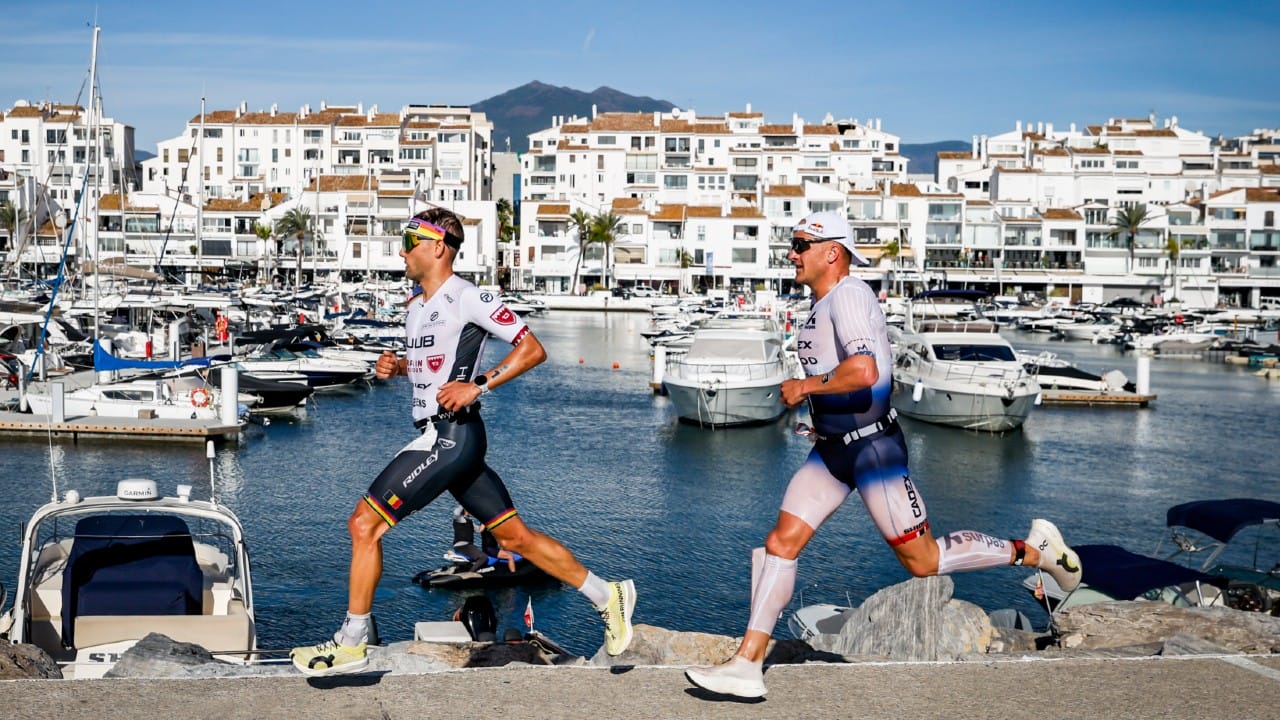
“I understand it’s really hard to not do it that way – the bike is the easiest way where you can spread it out and have these drafting rules.”
‘This one’s probably going to swing it even more’
Trying to quantify the potential gains of each discipline, Royle says: “I would argue the draft benefit of sitting on someone’s feet in the swim is almost equal to sitting on someone’s wheel in terms of percentage of effort saved.
“The bikers have so much in their favour – they already have a draft zone and they have by far the largest proportion of time [in the race].
“I always think if you’re a professional athlete and your swim is that bad that you can’t get back into the race then you’re not really a professional athlete.
“In PTO distance you’ve got a 25-minute leg versus an hour 50 bike and an hour run. The strong bikers have a lot in their favour already and this one’s probably going to swing it even more.”