
Open water swimming is one of the most unpredictable aspects of triathlon. Unlike a swimming pool, open water environments are constantly changing. Wind can create chop, currents can alter pacing, visibility may vary, and water temperature can shift dramatically from one race to the next.
The best triathletes aren’t necessarily the fastest swimmers in perfect conditions, they’re often the athletes who adapt most effectively when conditions become challenging. Developing specific open water skills can help triathletes remain calm, efficient, and confident regardless of what race day brings.
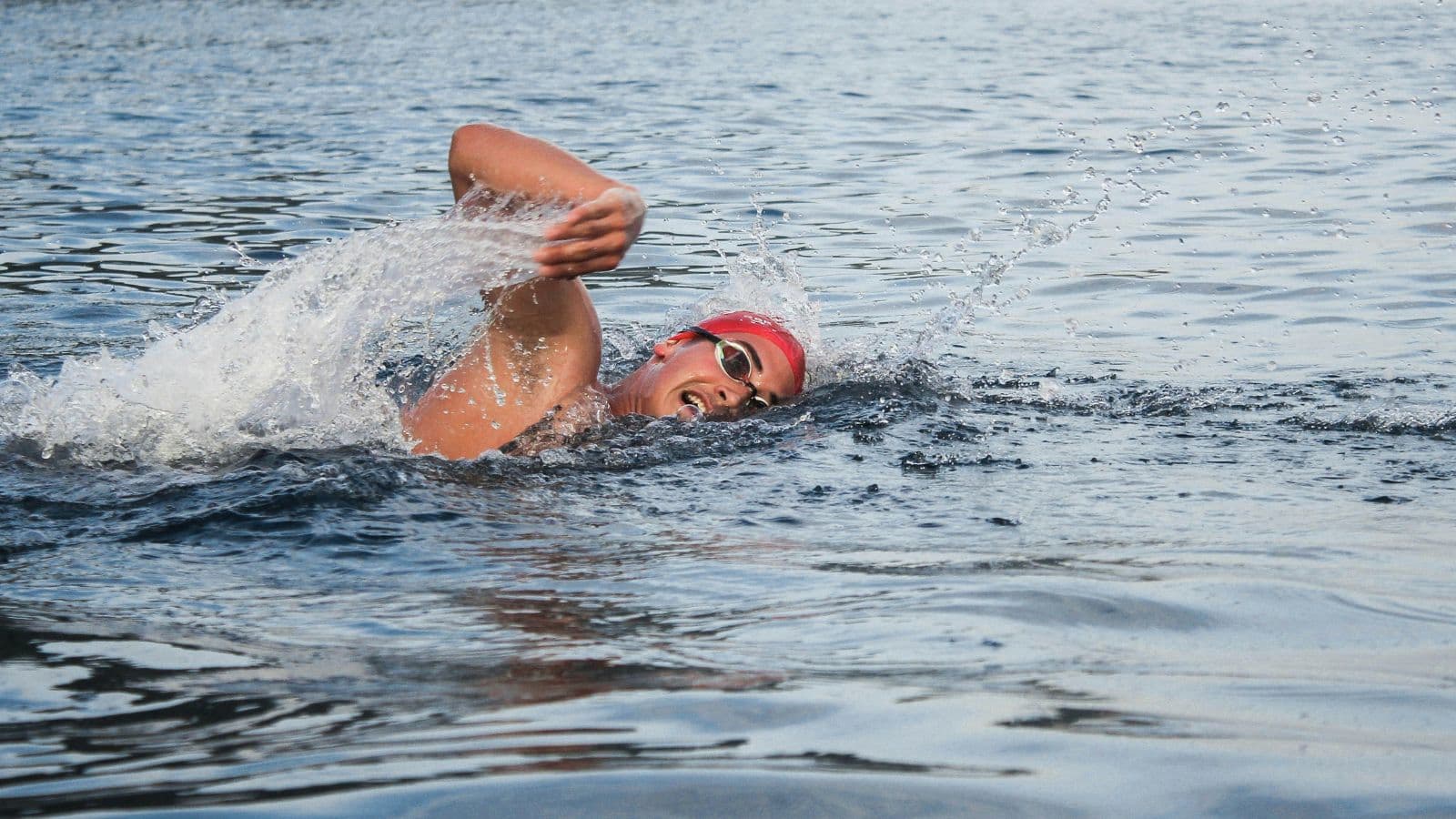
Situational Awareness
One of the most valuable open water skills is situational awareness.
Successful triathletes constantly monitor:
- Water conditions
- Competitor positioning
- Course markers
- Weather changes
Athletes who understand how can triathletes reduce the risk of a swim cancellation on race day know that environmental conditions can influence every aspect of the swim experience. Awareness helps athletes make better decisions in real time.
Effective Sighting Skills
Pool swimmers can rely on lane markings. Open water swimmers cannot.
Sighting allows athletes to:
- Stay on course
- Avoid unnecessary distance
- Navigate changing conditions
Athletes who regularly practice pool drills to improve triathlon swim technique often develop stronger foundational skills that transfer effectively to open water. Good sighting becomes even more important when waves or glare reduce visibility.
Breathing on Both Sides
Bilateral breathing can be extremely useful when conditions change.
Benefits include:
- Greater flexibility
- Improved navigation
- Better adaptation to waves and wind
If waves are hitting from one side, being able to breathe comfortably to the opposite side can make swimming significantly easier.
Remaining Calm Under Pressure
Open water conditions can change quickly.
Athletes may encounter:
- Crowded starts
- Physical contact
- Rough water
- Unexpected obstacles
Athletes who understand how can triathletes overcome the “dark place” during a race know that emotional control often influences performance just as much as physical preparation. Remaining calm allows better decision-making.
Adapting Stroke Rate
Conditions often determine the most effective stroke rhythm. In calm water, a longer stroke may be efficient.
In rough water, swimmers may benefit from:
- Slightly higher cadence
- Quicker arm turnover
- More frequent adjustments
Flexibility is often more valuable than rigid technique.
Understanding Water Movement
Many open water venues involve currents.
Triathletes who learn to recognize:
- Tidal flow
- River currents
- Wind-driven movement
can make smarter pacing and navigation decisions. This understanding often develops through experience rather than theory alone.
Confidence in Cold Water
Temperature can dramatically affect performance. Athletes who understand what are the real benefits of cold water swimming for triathletes know that cold-water adaptation requires both physiological and psychological preparation. Confident swimmers often handle sudden temperature changes more effectively.
Efficient Drafting
Drafting allows swimmers to conserve energy by positioning themselves behind or beside other competitors.
Benefits include:
- Reduced energy expenditure
- Improved efficiency
- Potentially faster swim splits
However, effective drafting requires awareness and adaptability when packs change position.
Pace Control
One of the most common mistakes in open water is starting too fast. Athletes who understand how can working professionals train for a 70.3 triathlon know that pacing plays a major role across all three disciplines. Maintaining a sustainable effort allows athletes to respond more effectively when conditions become difficult.
Comfort With Physical Contact
Open water racing often involves:
- Bumping
- Crowding
- Incidental contact
Athletes who panic during these situations often waste energy. Regular open water practice helps swimmers become more comfortable navigating crowded environments.
Strong Body Position
Maintaining efficient body position becomes increasingly important when conditions deteriorate. Athletes who understand why is a level body position important for triathlon swimming know that proper positioning reduces drag and improves overall efficiency. Good technique provides a foundation for adaptation.
Flexible Race Strategies
Changing conditions sometimes require tactical adjustments.
Athletes may need to:
- Modify pacing
- Alter breathing patterns
- Adjust navigation lines
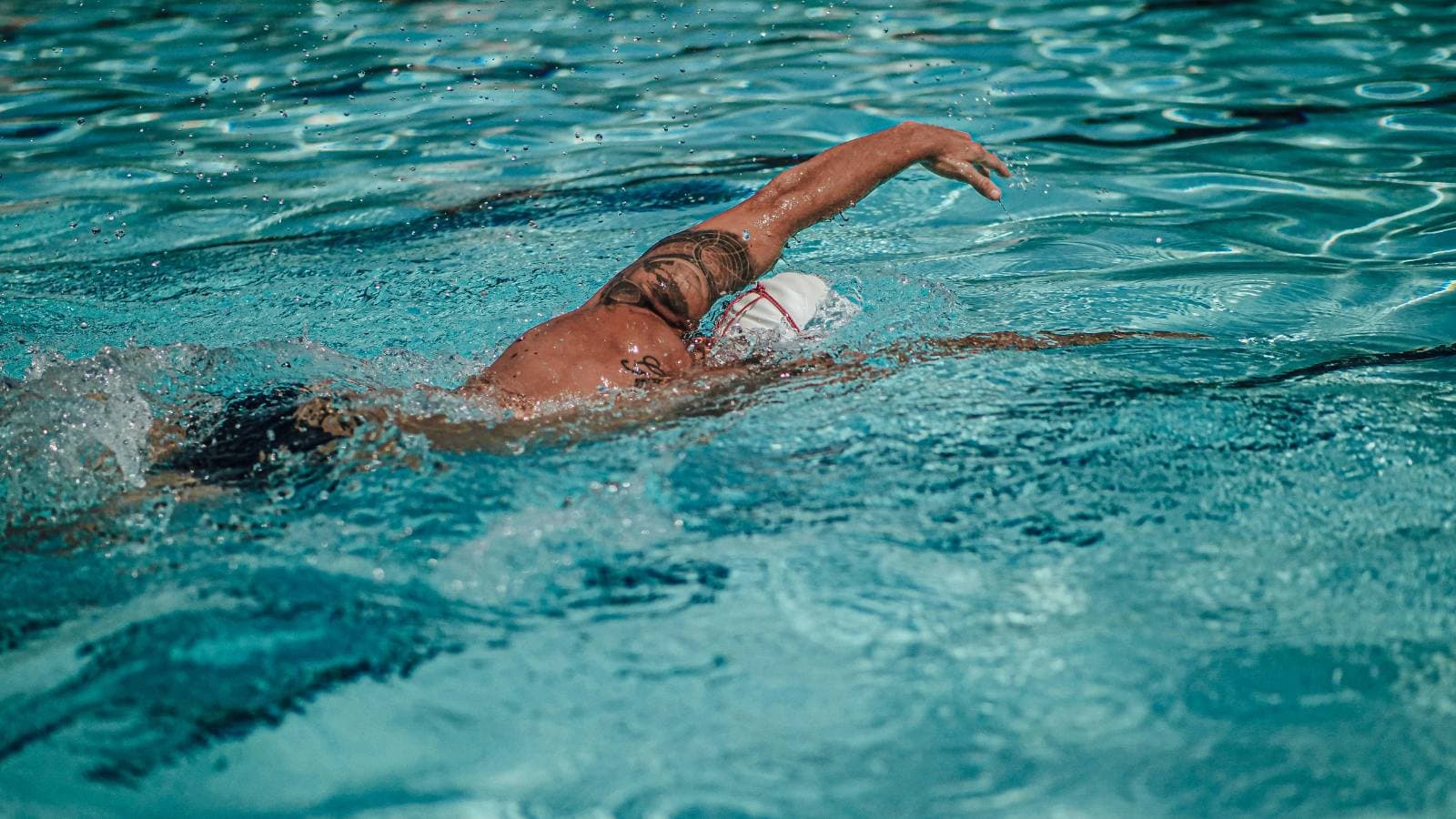
Rigid plans often fail when conditions change unexpectedly. Adaptable athletes usually perform better.
Learning to Read Weather Conditions
Before entering the water, experienced triathletes often assess:
- Wind direction
- Wave patterns
- Water temperature
- Visibility
Understanding these factors helps athletes prepare mentally and physically for the swim ahead.
Managing Energy Efficiently
Open water conditions can increase energy demands significantly. Athletes who understand how do carbs affect fat burning during endurance training know that energy management influences overall race performance. Efficient swimming helps preserve energy for cycling and running.
Recovering From Mistakes Quickly
Even experienced athletes occasionally:
- Miss buoys
- Lose draft groups
- Encounter unexpected waves
The ability to recover quickly and refocus is a valuable skill. Dwelling on mistakes often creates additional problems.
Building Open Water Experience
Experience remains one of the most powerful tools for adaptation.
Regular exposure to:
- Lakes
- Oceans
- Rivers
- Different weather conditions
helps athletes develop confidence and versatility. Athletes who understand how does balance triathlon training with ultrarunning know that diverse training experiences often build broader resilience.
Trusting Skills Over Data
Unlike cycling and running, swimming often provides limited real-time performance feedback. Athletes who understand are triathletes relying too much on training data know that experience, feel, and decision-making often matter more than numbers during open water swims. Adaptability frequently comes from judgment rather than technology.
Common Mistakes in Changing Conditions
Many triathletes:
- Panic when conditions worsen
- Breathe only to one side
- Start too aggressively
- Neglect open water practice
- Focus exclusively on pool training
- Ignore weather forecasts
- Overreact to contact
- Refuse to adjust pacing
These mistakes can often be reduced through preparation and experience.
How Triathletes Can Adapt Better?
Athletes can improve adaptability by:
- Practicing sighting regularly
- Developing bilateral breathing
- Building open water experience
- Learning drafting skills
- Managing pacing effectively
- Improving situational awareness
- Practicing in varied conditions
- Staying calm under pressure
Open water conditions rarely remain perfect throughout a race. The triathletes who perform best are often those who can stay composed, adjust their approach, and continue swimming efficiently when conditions become challenging.