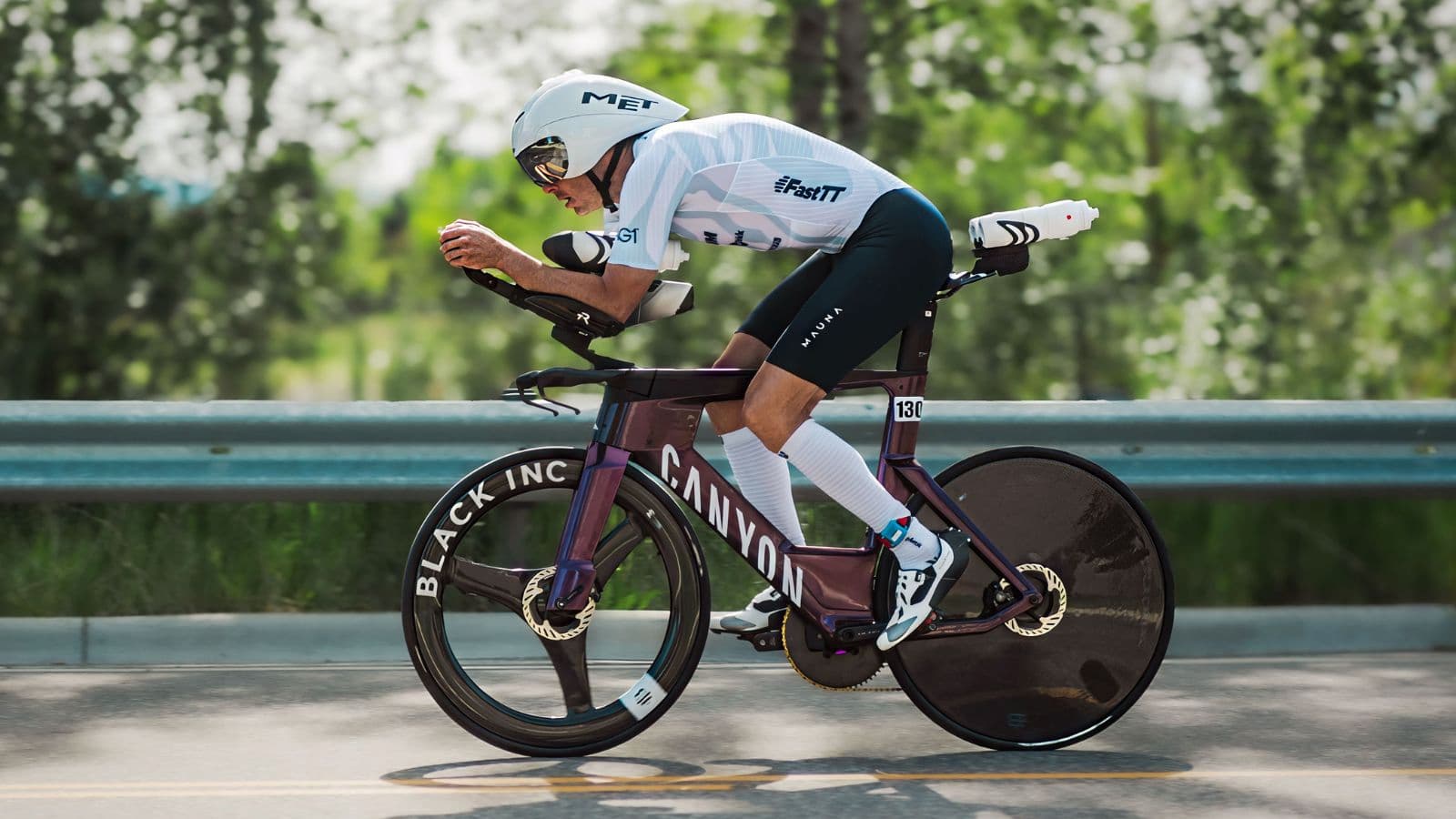


Many triathletes spend most of their cycling training riding alone, following structured intervals, and focusing on power numbers. While this approach develops fitness, it doesn’t always prepare athletes for the dynamic demands of race-day cycling. Participating in road bike races, criteriums, or local cycling events can help triathletes develop skills that are difficult to learn during solo training. From better bike handling to smarter pacing and increased confidence, bike racing offers valuable lessons that can translate into stronger triathlon performances. You don’t need to become a full-time cyclist to benefit. Even occasional bike races can make you a more capable and complete triathlete.
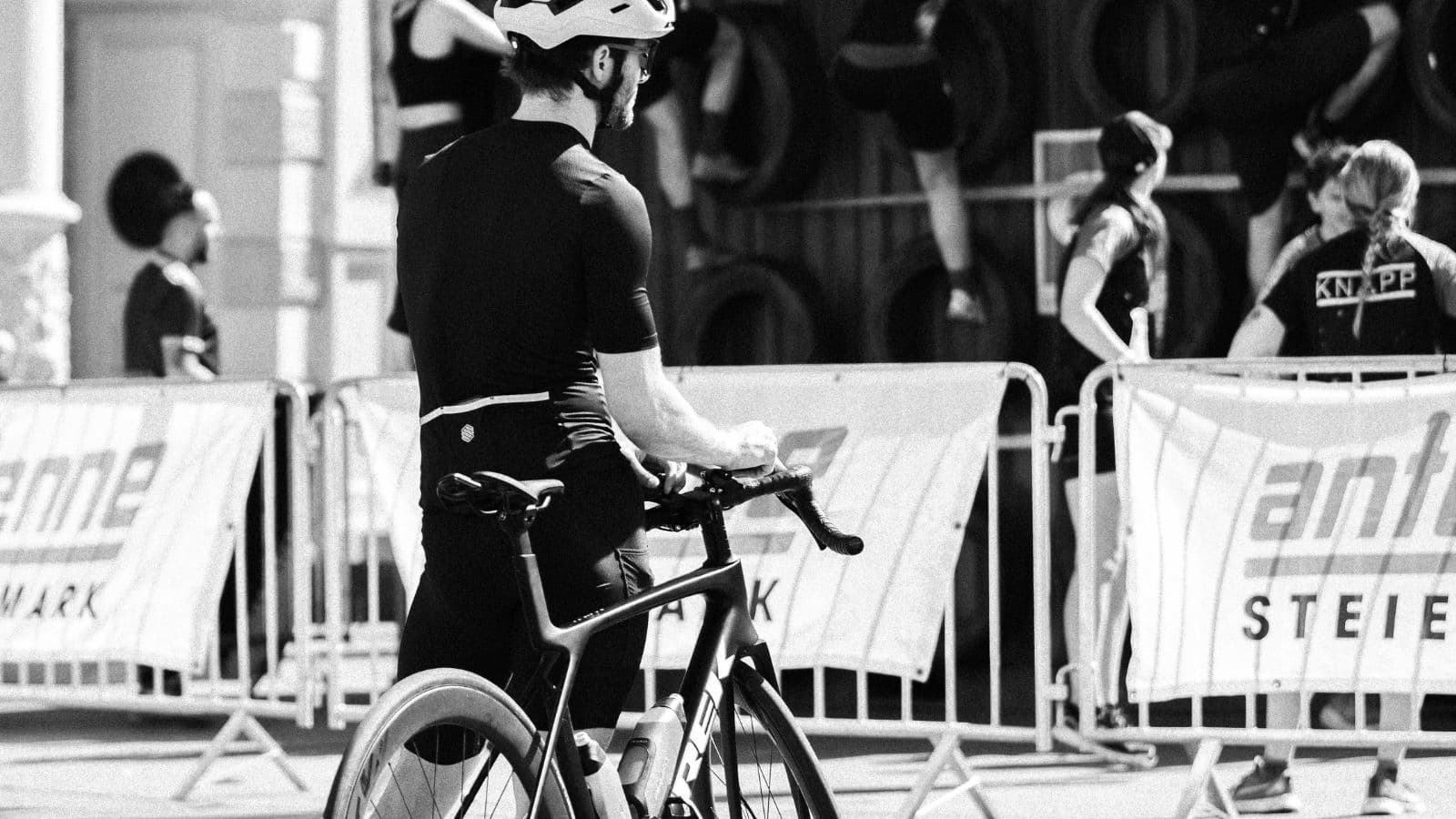
Bike Racing Improves Bike Handling
One of the biggest advantages of racing is learning to control the bike in demanding situations.
Riders become more comfortable with:
- Cornering
- Descending
- Riding at speed
- Reacting quickly
Athletes who understand what cycling drills help triathletes improve bike technique know that technical skills improve through deliberate practice rather than indoor training alone.
Confidence Increases
Many triathletes become nervous when riding fast or navigating technical sections.
Bike racing helps develop confidence by exposing riders to:
- Higher speeds
- Different road conditions
- Competitive environments
Greater confidence often carries directly into triathlon racing.
Better Cornering Skills
Every corner in a road race presents an opportunity to improve technique. Improving cornering skills is very important for triathletes.
Cyclists learn to:
- Choose better lines
- Brake efficiently
- Carry speed through turns
- Accelerate smoothly out of corners
These skills can save valuable time during triathlon bike legs.
Pack Awareness Improves
Even if you race in non-drafting triathlons, understanding rider movement is valuable.
Bike racing teaches athletes to:
- Read other riders
- Anticipate changes
- Maintain awareness
- Ride predictably
These habits improve safety during training and racing.
Riding Becomes More Efficient
Experienced bike racers waste very little energy.
They learn:
- Smooth pedaling
- Efficient positioning
- Better timing
- Intelligent pacing
Athletes who understand why is consistency more important than intensity for triathlon cycling success know that efficient riding often produces better long-term performance than simply riding harder.
Better Pacing Judgment
Road races are rarely ridden at perfectly steady power.
Instead, riders experience:
- Surges
- Climbs
- Accelerations
- Tactical changes
Learning how to respond without overreacting improves pacing awareness during triathlon racing.
Faster Decision-Making
Bike racing requires constant decision-making.
Riders continually evaluate:
- Position
- Speed
- Terrain
- Competitors
Making quick, effective decisions becomes easier with experience.
Improved Descending
Many triathletes lose time on descents because they lack confidence.
Bike racing encourages riders to:
- Relax
- Trust the bike
- Look ahead
- Choose smoother lines
Athletes who understand how can winter riding improve triathlon bike handling skills know that confidence often develops by riding in varied conditions rather than avoiding them.
Better Bike Position
Long races teach athletes how to remain comfortable and efficient on the bike.
Cyclists naturally learn:
- Relaxed upper-body posture
- Stable positioning
- Efficient weight distribution
This helps reduce unnecessary fatigue before the run.
Improved Recovery From Effort Changes
Bike races involve repeated accelerations.
Learning to recover after hard efforts can help triathletes manage:
- Hills
- Passing manoeuvres
- Technical sections
These abilities are useful even during steady-paced triathlon events.
Greater Mental Toughness
Competitive racing exposes athletes to:
- Pressure
- Fatigue
- Tactical uncertainty
Athletes who understand how can triathletes cope with a loss of identity after race season know that mental resilience develops through a variety of experiences, including challenging competitive situations. Bike racing provides valuable opportunities to strengthen mental skills.
Equipment Familiarity
Frequent racing helps cyclists become more comfortable with:
- Bike setup
- Tire pressure
- Nutrition
- Mechanical preparation
Small improvements in preparation often lead to smoother race experiences.
Stronger Aerobic Fitness
Bike racing naturally includes periods of:
- High intensity
- Threshold riding
- Recovery
- Sustained efforts
These changing demands help develop a broad range of aerobic adaptations. Athletes who understand how can triathletes reduce triathlon fatigue and run stronger know that stronger cycling fitness can leave more energy available for the run.
Learning To Stay Relaxed
Many beginner racers waste energy through tension.
Experienced racers learn to:
- Relax their shoulders
- Maintain smooth breathing
- Ride efficiently
Reduced tension often improves endurance.
Better Race Preparation
Bike racing teaches athletes to prepare thoroughly.
This includes:
- Nutrition planning
- Warm-ups
- Equipment checks
- Mental preparation
These habits transfer well to triathlon competition.
Exposure To Different Conditions
Road races are held in varying:
- Weather
- Wind
- Road surfaces
- Terrain
Athletes who understand what causes dizziness during T1 in a triathlon know that adapting to changing race conditions is an important skill throughout triathlon. Experience in varied cycling conditions builds confidence.
Greater Respect For Recovery
Racing places significant stress on the body. Athletes quickly learn that quality recovery supports future performance. Athletes who understand what does modern recovery look like for triathletes know that consistent recovery habits are essential for maintaining long-term progress.
Common Mistakes Triathletes Make
Many triathletes:
- Ride almost exclusively indoors
- Avoid competitive cycling events
- Neglect bike-handling skills
- Fear descending
- Overfocus on power numbers
- Ignore technical development
- Avoid challenging group rides
- Underestimate tactical awareness
These limitations can leave performance gains untapped.
How Bike Racing Helps Triathletes?
Triathletes can benefit from bike racing by:
- Improving bike handling
- Building confidence
- Learning better pacing
- Developing tactical awareness
- Improving cornering
- Becoming more efficient cyclists
- Strengthening mental resilience
- Preparing more effectively for race day
Bike racing isn’t essential for triathlon success, but it offers valuable experiences that structured training alone often cannot provide. By learning to ride confidently, make better decisions, and handle the bike efficiently under pressure, triathletes can become stronger, safer, and more complete athletes.