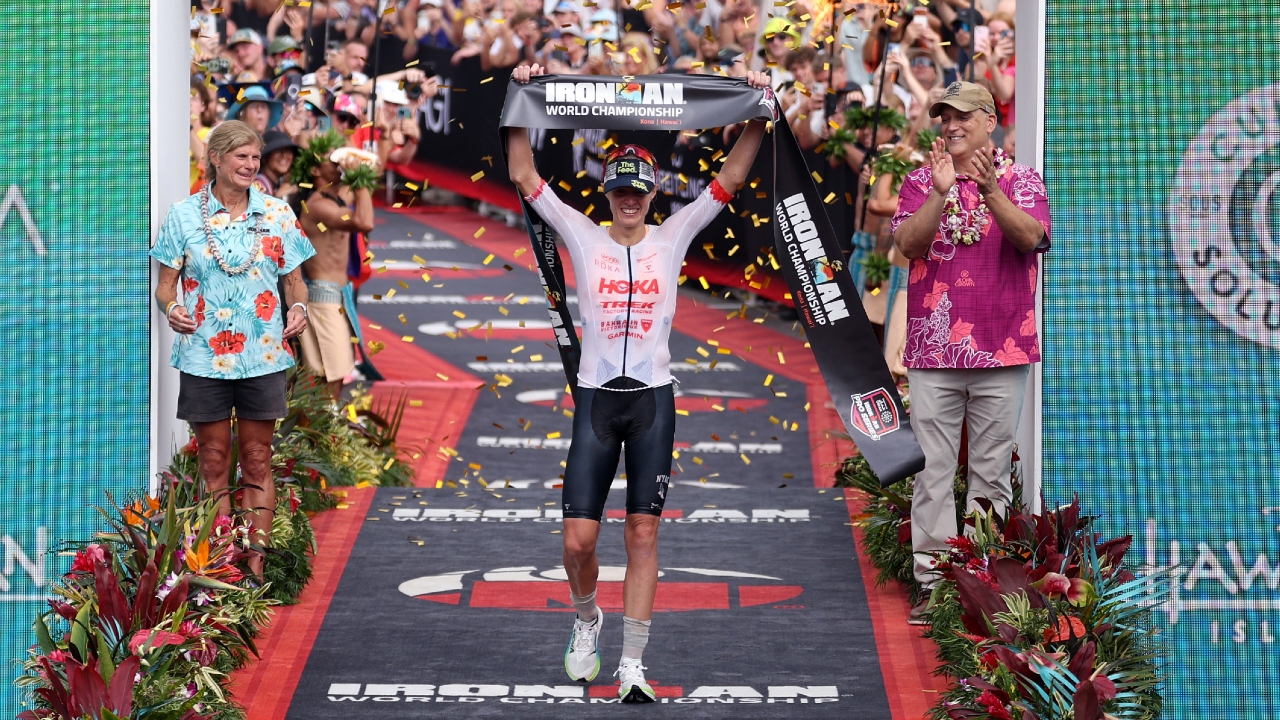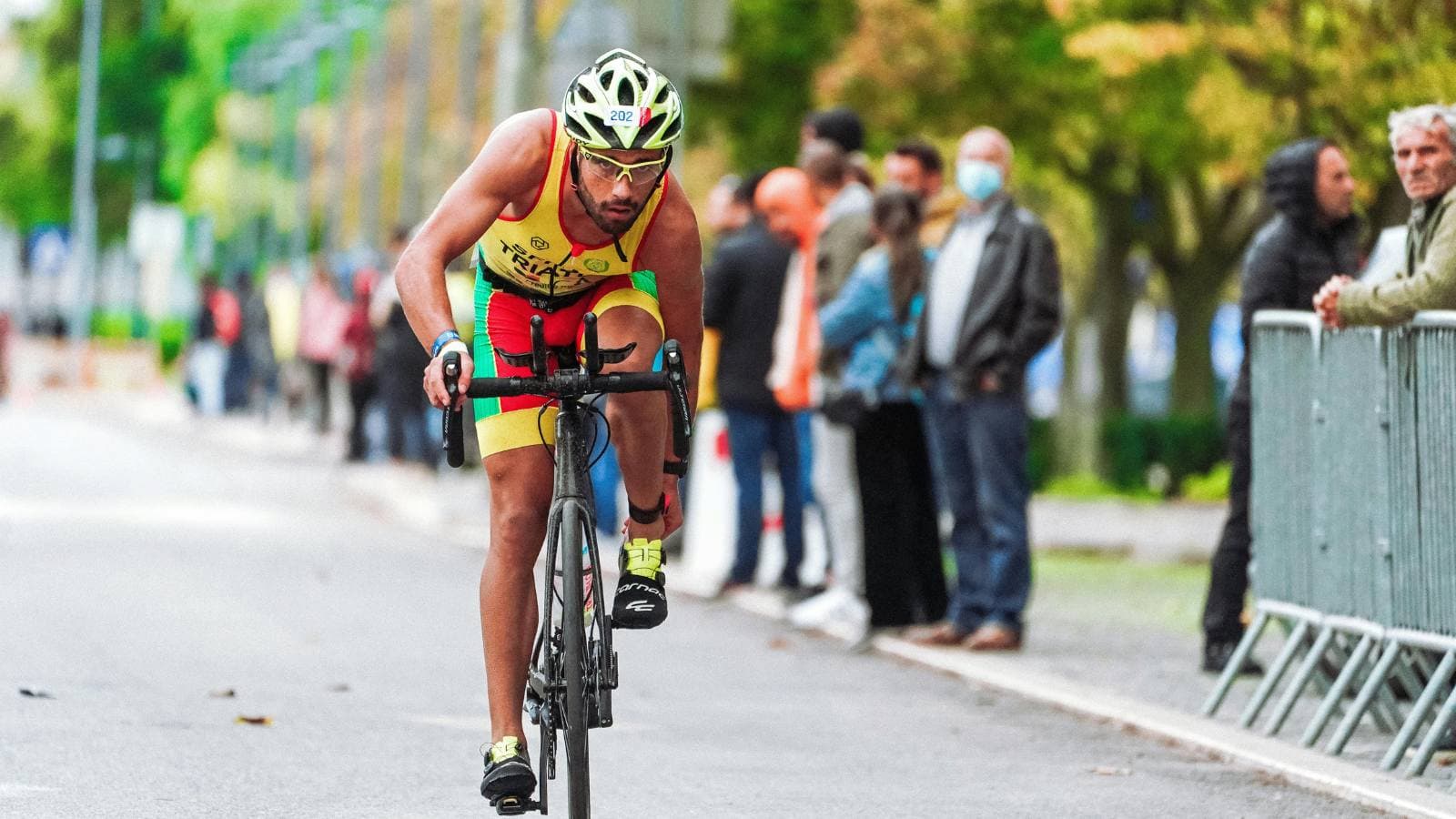


“Dead legs” after the bike is one of the most common challenges triathletes face. You come off the bike feeling strong, but within minutes of starting the run, your legs feel heavy, slow, and unresponsive. This is not just fatigue, it’s a combination of muscular stress, pacing errors, and poor transition preparation. The good news is that dead legs are largely preventable with the right training and strategy.
What Causes Dead Legs in Triathlon?
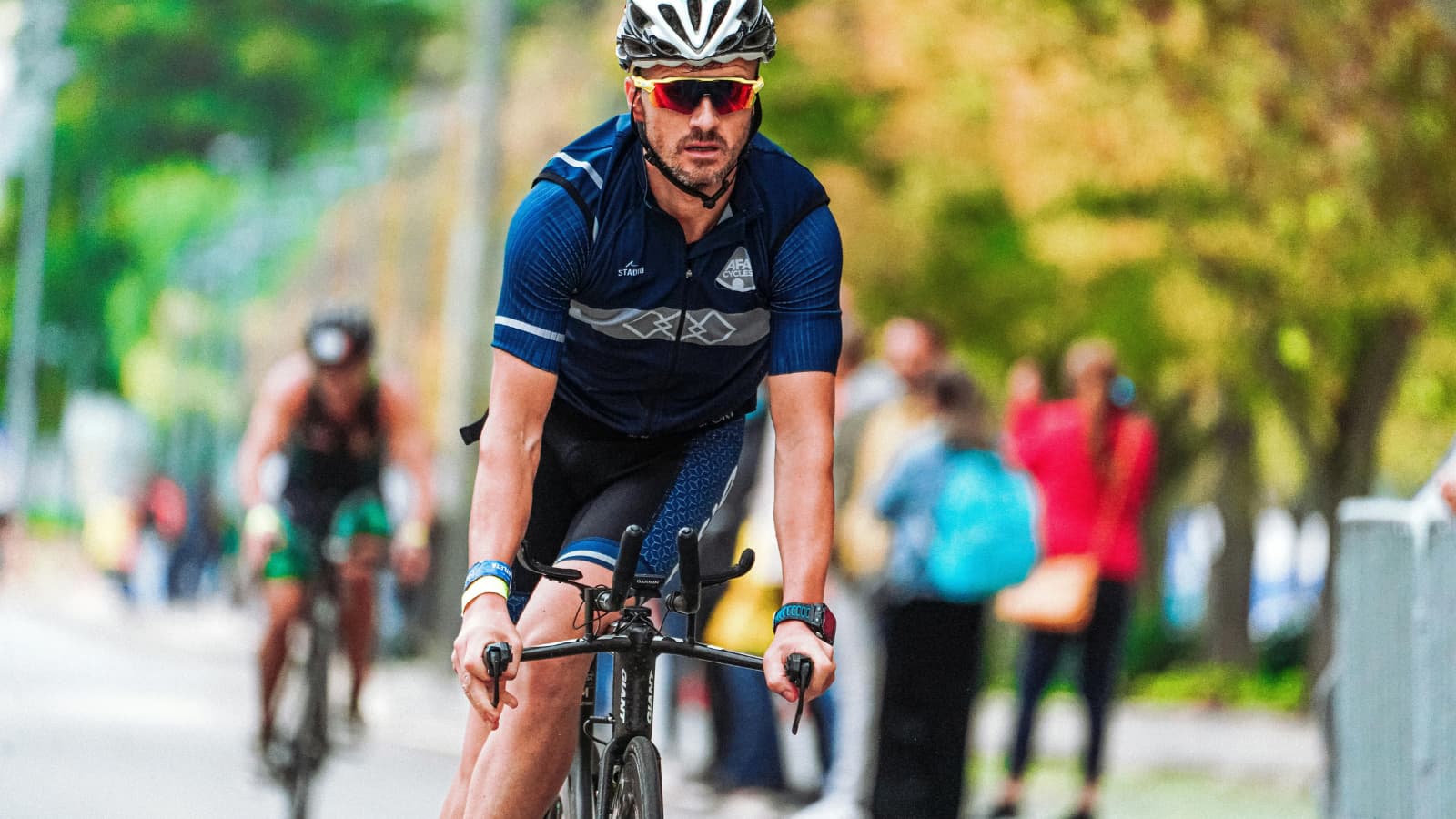
Dead legs occur when your muscles are overloaded during the bike leg and struggle to adapt quickly to the different movement pattern of running. Cycling relies heavily on sustained force through the quadriceps, while running requires elastic movement and coordination. The sudden switch can make your legs feel stiff and heavy. This issue is often linked to poor pacing and inefficient energy use, similar to challenges addressed in pacing and fueling the bike leg in a triathlon, where controlling effort is key to a strong run.
Why the Bike Leg Determines Your Run
In triathlon, the bike is not just about speed, it sets up your entire run performance. Riding too hard, especially early on, increases muscular fatigue and depletes energy reserves. Even small pacing mistakes can have a big impact later. Managing your effort properly ensures your legs are prepared for the transition rather than exhausted. This balance becomes especially important in longer races, as highlighted in training for a 70.3 triathlon effectively, where energy distribution across disciplines is critical.
Pace Conservatively on the Bike
One of the biggest causes of dead legs is riding above your sustainable effort. It may feel manageable during the bike, but it leads to fatigue that shows up immediately on the run.
To avoid this:
- Maintain a steady, controlled effort
- Avoid pushing hard on climbs or into the wind
- Keep your output consistent
Riding slightly easier than your limit often leads to a faster overall race because you run better.
Maintain an Efficient Cadence
- Cadence plays a major role in how your legs feel during the transition.
- Riding at a very low cadence increases muscular strain, making your legs feel heavier when you start running.
- Aim for a steady cadence that reduces muscle fatigue while maintaining efficiency.
- This helps your legs stay fresher and adapt more easily to running.
Practice Brick Workouts Regularly
Brick workouts, cycling followed immediately by running, are one of the most effective ways to train your body for the transition. They help your muscles adapt to the change in movement and reduce the shock of switching disciplines. Regular brick sessions improve coordination and make the transition feel more natural. This type of training is a core part of triathlon preparation, similar to structured sessions in brick workout in triathlon, where adaptation is the main goal.
Improve Your Bike Position
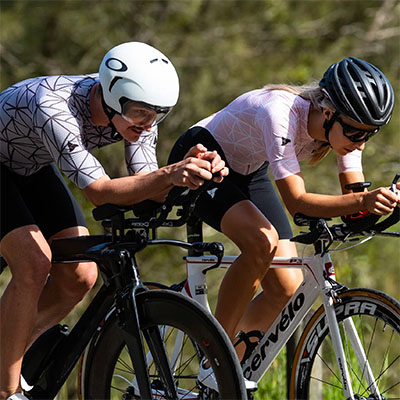
Your position on the bike affects how your muscles are used. An inefficient position can overload certain muscle groups, especially the quadriceps, leading to fatigue. A balanced position distributes effort more evenly and reduces unnecessary strain. This allows you to conserve energy and transition more smoothly into the run.
Strengthen the Right Muscle Groups
Weak or imbalanced muscles can contribute to dead legs. Strength training helps improve stability and endurance, making your legs more resilient.
Focus on:
- Glutes and hamstrings
- Core stability
- Hip strength
These muscles support efficient movement and reduce reliance on the quads, which are often overworked during cycling.
Fuel and Hydrate Properly
Nutrition plays a major role in preventing dead legs. Without adequate fuel, your muscles run out of energy, leading to fatigue and reduced performance. Consistent carbohydrate intake and proper hydration help maintain energy levels and support muscle function. This is especially important in longer events, as explained in fueling for an ironman triathlon effectively without GI issues, where energy management is critical.
Spin Out Your Legs Before Transition
In the final minutes of the bike leg, shifting to a slightly higher cadence with lower resistance can help prepare your legs for running.
This “spin-out” phase reduces muscle tension and helps your legs adjust to a quicker turnover, making the transition smoother.
Run Easy at the Start of T2
- Starting the run too fast is another common mistake.
- Your legs need time to adjust after cycling.
- Begin with a controlled, easy pace and gradually build your rhythm.
- This allows your body to adapt and reduces the feeling of heaviness.
Train Your Neuromuscular Coordination
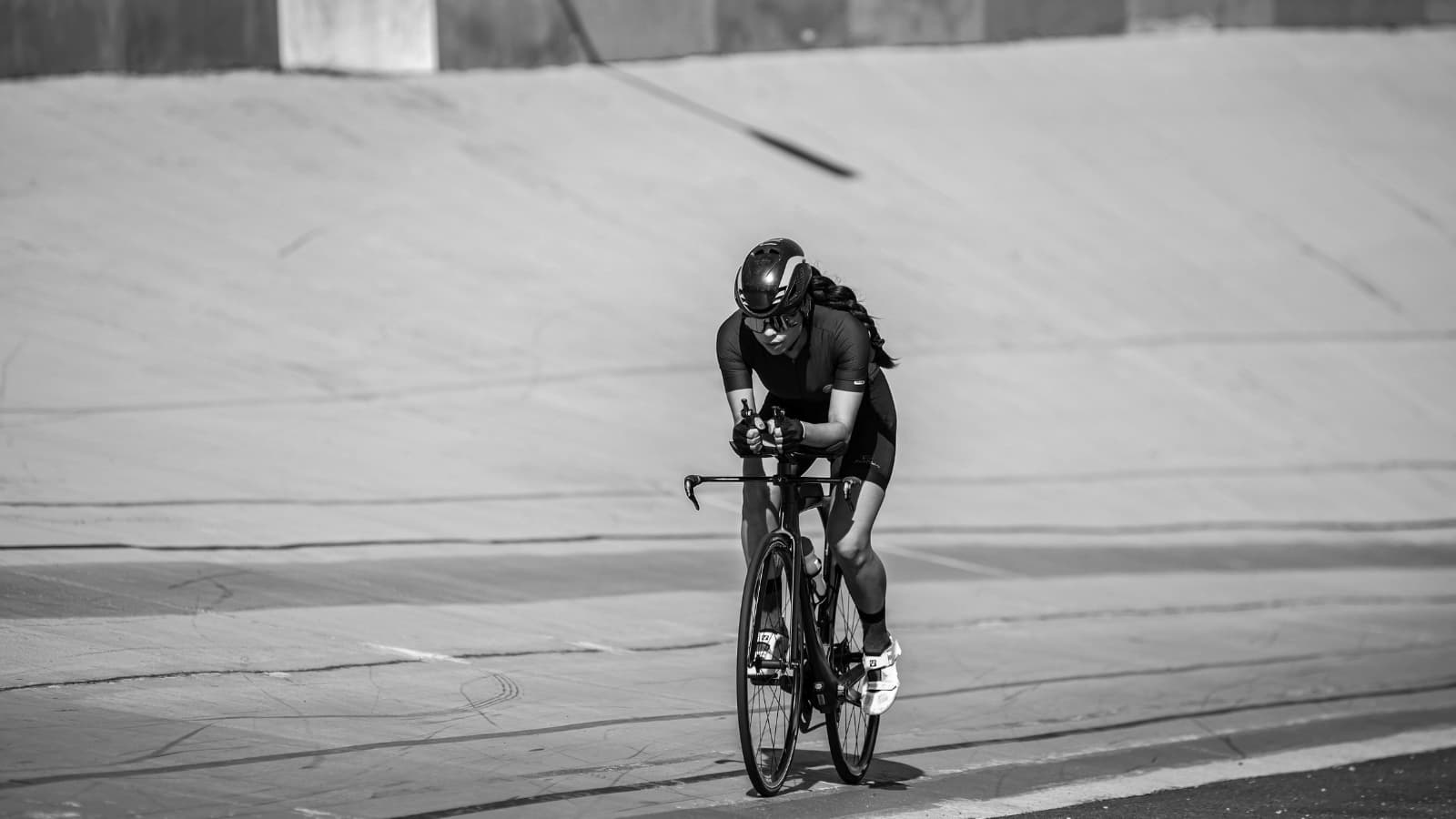
Dead legs are not just about strength, they are also about coordination. Your body needs to switch from a circular pedalling motion to a linear running stride. Practicing transitions improves neuromuscular efficiency, making the change smoother and more natural. This type of adaptation is also important in swimming transitions, as seen in improving open water swim transitions in triathlon, where coordination plays a key role.
Manage Overall Fatigue in Training
Dead legs are more likely when you are already fatigued from training. Managing your overall workload helps prevent excessive fatigue and improves recovery. Balancing intensity, volume, and recovery ensures your body can handle the demands of training and racing. This approach is similar to strategies in preventing burnout while training for an ironman, where managing stress is essential.
Common Mistakes That Cause Dead Legs
- Riding too hard early in the bike leg
- Using a cadence that is too low
- Skipping brick workouts
- Poor fueling and hydration
- Starting the run too fast
Avoiding these mistakes significantly improves your transition performance.
Practical Tips to Avoid Dead Legs
- Keep your bike effort controlled and steady
- Maintain an efficient cadence
- Practice regular brick workouts
- Fuel and hydrate consistently
- Spin out your legs before transition
- Start the run at a controlled pace
What You Should Do?
Start by reviewing your bike pacing and ensuring you are not overexerting early in the ride. Add regular brick sessions to your training to improve adaptation. Focus on maintaining cadence and proper nutrition throughout your race.
Over time, these adjustments will help your legs feel lighter and more responsive during the run. Managing your energy effectively, like in how to structure a triathlon race strategy from start to finish, ensures a smoother transition and better overall performance.