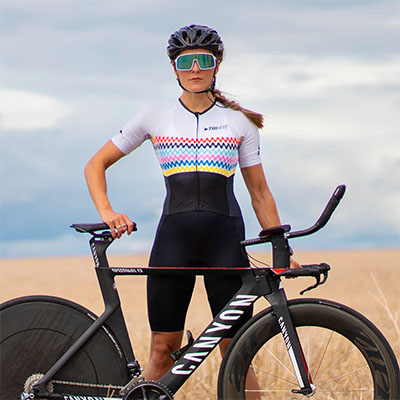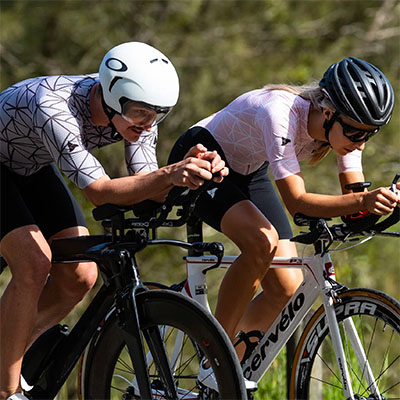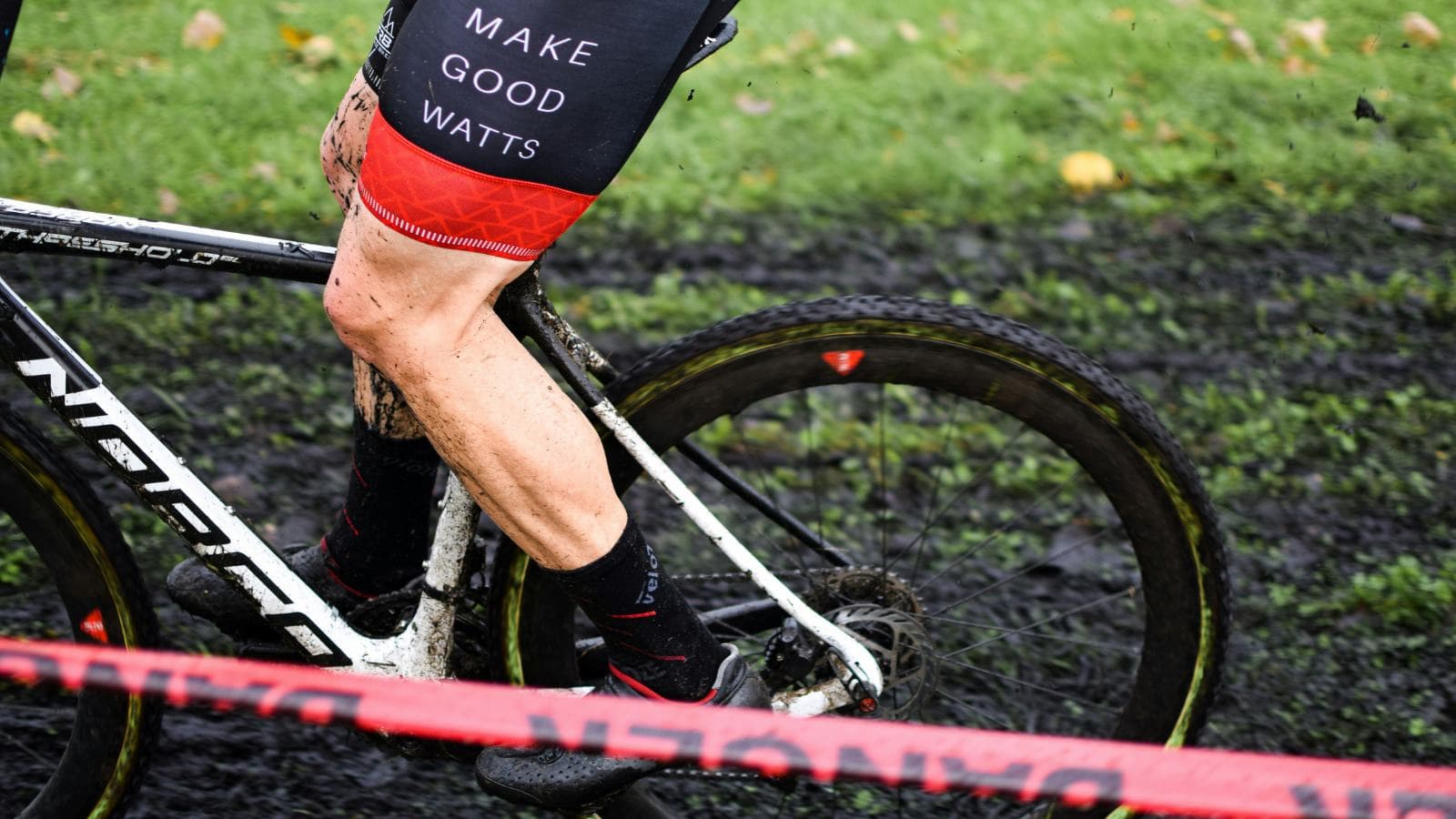


Knee pain is one of the most common complaints among triathletes, particularly during the cycling leg. While some discomfort may seem like a normal part of training, persistent knee pain should never be ignored. Left unaddressed, it can affect not only your cycling performance but also your ability to run effectively after getting off the bike. The good news is that most cycling-related knee pain is preventable. In many cases, it stems from factors such as bike fit issues, training errors, muscle imbalances, or poor recovery habits rather than serious injury. By understanding the common causes and making a few strategic adjustments, triathletes can reduce knee stress and enjoy more comfortable, productive training sessions.
Understand Where the Pain Is Located
The location of knee pain often provides clues about its cause.
For example:
- Front of the knee may indicate saddle height issues or excessive workload
- Outside of the knee can sometimes be linked to IT band irritation
- Inside of the knee may relate to alignment problems
- Back of the knee can occur when the saddle is too high
Athletes who understand what causes knee pain during a triathlon run often recognise that identifying the source of pain is the first step toward solving the problem.
Get a Proper Bike Fit
One of the most common causes of cycling-related knee pain is poor bike positioning.
Small adjustments can significantly influence:
- Joint angles
- Pedalling mechanics
- Force distribution
Key areas include:
- Saddle height
- Saddle fore-aft position
- Cleat alignment
- Reach to the handlebars
Athletes who focus on how to mount and dismount your bike smoothly in a race often discover that bike setup influences far more than race-day transitions. A proper fit supports both comfort and performance.
Avoid Increasing Training Load Too Quickly
Many knee problems develop when training stress increases faster than the body can adapt.
Examples include:
- Sudden mileage increases
- Extra hill sessions
- More frequent rides
- High-intensity intervals
Athletes who understand what are adaptations in a triathlon training plan know that fitness develops most effectively when workload progresses gradually.
The body needs time to adapt.
Improve Pedalling Technique
Efficient pedalling helps distribute forces more evenly through the legs.
Many cyclists benefit from focusing on:
- Smooth power application
- Consistent cadence
- Avoiding excessive force at low cadence
Athletes who work on how to increase cycling power without burning out often discover that efficiency is just as important as strength.
Better mechanics can reduce unnecessary knee stress.
Maintain an Appropriate Cadence
Grinding large gears at very low cadences can place additional stress on the knees.
Many triathletes find that maintaining a moderate-to-high cadence helps:
- Reduce joint loading
- Improve efficiency
- Delay fatigue
Cadence preferences vary, but constantly pushing oversized gears is rarely the most knee-friendly strategy.
Strengthen Supporting Muscles
The knees rely heavily on surrounding muscles for support.
Important areas include:
- Glutes
- Hamstrings
- Quadriceps
- Core
Athletes who understand how to recover faster after a triathlon often appreciate that injury prevention is not only about training less but also about becoming stronger and more resilient. Strength training can help improve cycling mechanics and reduce injury risk.
Don’t Neglect Mobility
Limited mobility can alter cycling posture and pedalling mechanics.
Areas worth addressing include:
- Hips
- Ankles
- Quadriceps
- Hamstrings
Improved mobility may help athletes maintain more efficient positions on the bike. Small restrictions can create larger issues when repeated thousands of times during long rides.
Pay Attention to Cleat Position
Cleat alignment affects how force travels through the foot, ankle, and knee.
Poor positioning may contribute to:
- Knee tracking issues
- Joint discomfort
- Excessive stress
Athletes who understand how to handle sudden weather changes during a triathlon race often appreciate that small details can have a surprisingly large impact on performance.
The same applies to bike setup.
Build Volume Gradually After Time Off
Returning from:
- Injury
- Illness
- Off-season breaks
requires patience. Jumping immediately back into previous training volumes can overload tissues that are no longer conditioned for the workload.
Athletes who focus on how can triathletes stay on track after missing a workout often understand that consistency beats rushing back too quickly.
Fuel Properly During Training
Fatigue often contributes to deteriorating cycling mechanics. As muscles tire, movement patterns may become less efficient. Athletes who understand how does glucose monitoring affect training and recovery in a triathlon often recognise that proper fueling supports both performance and movement quality. Energy availability matters.
Consider the Impact of Running
Triathletes must remember that cycling is only one part of the sport.
Heavy training loads from:
- Running
- Strength work
- Racing
can influence how the knees feel on the bike. Athletes who follow what strategies should triathletes follow for a better recovery often monitor overall training stress rather than focusing solely on individual sessions.
The body responds to total workload.
Watch for Early Warning Signs
Many injuries begin with subtle symptoms.
Examples include:
- Mild soreness after rides
- Stiffness during warm-ups
- Discomfort on climbs
- Persistent tenderness
Addressing small issues early is usually easier than managing significant pain later.
Ignoring symptoms rarely improves outcomes.
Improve Flexibility Around Training
Long periods of sitting outside training can sometimes contribute to:
- Tight hip flexors
- Reduced mobility
- Poor posture
Simple mobility routines may help counteract these effects. Athletes who understand what mindset helps triathletes perform at their best often appreciate that long-term success comes from paying attention to small daily habits.
Recovery Matters
The body becomes stronger during recovery, not during the workout itself.
Athletes should prioritise:
- Sleep
- Nutrition
- Hydration
- Easy days
Those who understand how much sleep do triathletes need to recover often find that recovery habits significantly influence injury risk and performance.
Tired bodies are more vulnerable to problems.
Common Mistakes That Lead to Knee Pain
Many triathletes create knee issues by:
- Riding with poor bike fit
- Increasing training volume too quickly
- Using gears that are too large
- Ignoring mobility work
- Neglecting strength training
- Riding through pain
- Overlooking recovery
- Failing to address minor symptoms early
Most of these factors are preventable.
Practical Ways to Protect Your Knees
Triathletes can reduce knee pain risk by:
- Getting a professional bike fit
- Maintaining efficient cadence
- Strengthening supporting muscles
- Improving mobility
- Managing training load carefully
- Fueling appropriately
- Monitoring recovery
- Addressing discomfort early
Healthy knees allow triathletes to train consistently, ride efficiently, and perform better across all three disciplines. Prevention is almost always easier than rehabilitation.