
Yes, you can start triathlon training with no previous experience, provided you begin at an appropriate level and develop your fitness gradually. Triathlon combines swimming, cycling, and running, but beginners do not need to be strong athletes in all three disciplines before starting. The most important requirements are a willingness to learn, a realistic training schedule, and an emphasis on safety. Many first-time triathletes begin with limited swimming ability, little cycling experience, or an inconsistent running routine. These challenges are manageable when training focuses on fundamental skills rather than immediate speed or distance. A beginner-friendly triathlon plan develops aerobic endurance, movement efficiency, and confidence across the three sports. Short, manageable sessions can provide a foundation before longer workouts or more demanding race preparation.
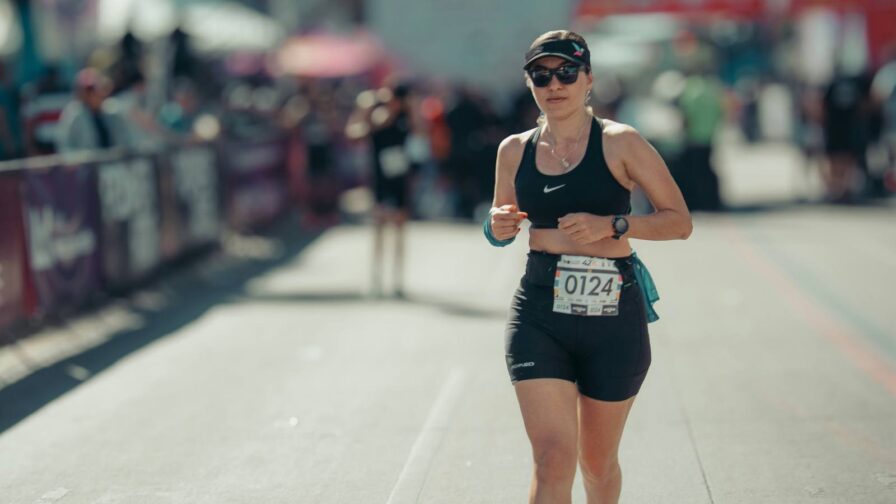
The goal of early training is not to become competitive immediately. It is to establish consistent habits, improve basic technique, and prepare for a suitable first event without unnecessary fatigue or injury.
In Short
- Beginners can start triathlon training without previous racing experience.
- Swimming ability and water safety should be early priorities.
- Short, consistent workouts build initial fitness.
- Sprint and super-sprint races are suitable starting options.
- Expensive equipment is not necessary.
- Training should include all three disciplines.
- Recovery is essential for beginners.
- Basic cycling and running technique reduce unnecessary strain.
- Brick workouts help prepare for transitions.
- Gradual progression supports long-term improvement.
Do You Need to Be Fit Before Starting Triathlon Training?
You do not need an established endurance background to begin training. However, your starting fitness determines how much exercise you can safely tolerate. Someone who regularly walks, cycles, or swims may adapt more quickly than a person beginning from a sedentary lifestyle.
Beginners should initially focus on:
- Developing comfortable aerobic exercise habits.
- Learning essential swimming skills.
- Building confidence riding a bicycle.
- Introducing manageable running or run-walk sessions.
- Establishing a sustainable weekly routine.
Understanding how do you know if you are ready for a triathlon can help beginners assess their preparation before choosing a race.
Being ready to start training is different from being ready to compete.
Choosing Your First Triathlon Distance
Selecting an appropriate race distance makes training more manageable. Triathlon events vary considerably in length and difficulty.
| Triathlon format | Swim | Bike | Run |
|---|---|---|---|
| Super-sprint | Often 200 – 400 m | Around 10 km | Around 2.5 km |
| Sprint | Usually 750 m | 20 km | 5 km |
| Olympic | 1.5 km | 40 km | 10 km |
| Middle distance | Around 1.9 km | 90 km | 21.1 km |
| Ironman | 3.8 km | 180 km | 42.2 km |
Distances can vary between organizers, especially for super sprint and beginner events. For most inexperienced athletes, a super sprint or sprint triathlon offers a more practical introduction than a longer race. Choose an event with manageable terrain, clear safety arrangements, and sufficient preparation time.
Start With Basic Swimming Skills
Swimming is often the most intimidating discipline for new triathletes. Unlike cycling and running, swimming requires coordinated breathing, body positioning, and movement through water.
Beginners should prioritize:
- Becoming comfortable in the water.
- Learning controlled breathing.
- Developing a relaxed floating position.
- Practicing basic freestyle technique.
- Building the ability to swim continuously.
- Learning water safety procedures.
Understanding why is swimming the hardest part of a triathlon for beginners can help athletes recognize common technical and confidence related challenges. If you cannot swim safely, take lessons with a qualified instructor before attempting independent endurance workouts. Open water swimming should only begin when basic swimming competence has been established, with appropriate supervision and safety support.
Build Cycling Confidence Before Speed
Cycling makes up a substantial portion of most triathlon races. Beginners should first become comfortable controlling the bicycle before focusing on speed.
Essential skills include:
- Starting and stopping safely.
- Using brakes smoothly.
- Changing gears.
- Riding in a straight line.
- Cornering confidently.
- Maintaining a comfortable riding position.
- Checking traffic and road conditions.
A basic road bike, hybrid bike, or other event permitted bicycle may be sufficient for a first triathlon. A well-fitting helmet and properly maintained bike are more important than expensive aerodynamic equipment. Understanding what you should check on your bike before every ride can help beginners establish safe equipment habits.
Introduce Running Gradually
Running places repetitive impact forces on the legs. Beginners who increase running distance too quickly may experience excessive soreness or overuse injuries. A run walk approach can help develop endurance without requiring continuous running immediately.
For example:
| Training stage | Example session |
|---|---|
| Starting | 1 minute running, 2 minutes walking |
| Developing | 2 minutes running, 2 minutes walking |
| Progressing | 3 minutes running, 1 minute walking |
| Established | 15 – 25 minutes comfortable continuous running |
These are examples rather than a fixed progression schedule. Repeat each stage until it feels manageable before increasing running time. Understanding how to avoid running injuries as mileage increases in a triathlon can help beginners build running fitness while managing training load.
How Many Days a Week Should Beginners Train?
Many beginners can start with approximately three to five training days per week. The appropriate frequency depends on current fitness, available time, and recovery. Initially, short sessions are often more useful than attempting long workouts in every discipline.
A simple training week might include:
| Day | Workout |
|---|---|
| Monday | Rest |
| Tuesday | Swim, 20 – 30 minutes |
| Wednesday | Easy bike, 30 minutes |
| Thursday | Run walk, 20 – 25 minutes |
| Friday | Rest or gentle mobility |
| Saturday | Bike, 40 minutes |
| Sunday | Swim or easy run walk, 20 – 30 minutes |
This schedule provides a manageable introduction rather than a complete race preparation plan. Understanding how should you adjust triathlon training when time is limited can help beginners prioritize consistency when training must fit around other commitments.
Build Aerobic Fitness Before Adding Intensity
Aerobic fitness allows the body to sustain exercise using oxygen dependent energy production. It forms the foundation for all three triathlon disciplines. Beginners generally benefit from completing most workouts at an intensity that allows comfortable breathing and conversation.
Easy aerobic training helps develop:
- Cardiovascular endurance.
- Exercise tolerance.
- Sustainable training habits.
- Recovery between sessions.
- Confidence during longer efforts.
Understanding how to build an aerobic base for running a triathlon can help beginners recognize why comfortable training matters. High intensity intervals are not necessary during the earliest stages of preparation.
When Should You Introduce Brick Workouts?
A brick workout combines two triathlon disciplines within one training session. The most common example involves cycling immediately followed by running. This helps athletes become familiar with the unusual sensation of running after cycling.
A beginner brick session might include:
- 20 – 30 minutes of easy cycling.
- A short transition.
- 5 – 10 minutes of comfortable running or run walk intervals.
The objective is learning the transition rather than completing a demanding workout. Understanding how can you bike smarter to improve your triathlon run can help beginners manage cycling effort before the final discipline. One short brick session every week or two may be enough initially.
Learn Basic Triathlon Transitions
Transitions are the changes between swimming, cycling, and running. The first transition, T1, involves moving from swimming to cycling. The second transition, T2, involves moving from cycling to running.
Beginners should practice:
- Locating their bicycle.
- Putting on a helmet before handling the bike.
- Organizing shoes and equipment.
- Mounting and dismounting in permitted areas.
- Changing from cycling to running safely.
- Following event-specific transition rules.
Practicing these steps can reduce confusion and unnecessary stress on race day. Speed is less important than safety and familiarity during a first event.
Recovery and Training Progression
Beginners improve through consistent training followed by sufficient recovery. Increasing workout duration, frequency, and intensity simultaneously can create excessive fatigue.
A practical approach involves:
- Starting with manageable sessions.
- Increasing duration gradually.
- Keeping most workouts comfortable.
- Scheduling regular rest days.
- Maintaining adequate sleep.
- Eating enough to support training.
- Reducing exercise when illness or persistent pain develops.
Understanding what training habits increase injury risk in runners can help new triathletes recognize why rapid progression and inadequate recovery can be problematic during the running discipline. Rest days are part of the training process rather than missed opportunities.
How Long Does It Take to Prepare for a First Triathlon?
Preparation time depends on swimming ability, general fitness, race distance, and training consistency. Some active beginners may prepare for a short event in approximately eight to twelve weeks. Others may need several months, particularly when learning to swim or building fitness from a low starting point.
Before entering a race, aim to:
- Complete the required swim distance safely.
- Ride the bike distance comfortably.
- Finish the run distance using running or planned walking.
- Practice basic transitions.
- Understand event rules.
- Test race-day equipment.
Understanding how can visualization help triathletes perform better can help beginners mentally rehearse transitions and unfamiliar race situations.
Mental preparation complements physical training but does not replace essential swimming and cycling skills.
Common Mistakes
- Choosing an excessively long first race.
- Ignoring swimming technique.
- Training hard during every session.
- Increasing running distance too quickly.
- Buying expensive equipment unnecessarily.
- Neglecting cycling safety.
- Skipping recovery days.
- Avoiding transition practice.
- Comparing progress with experienced athletes.
- Entering open water before developing safe swimming skills.
Practical Tips
- Choose a beginner-friendly race.
- Learn swimming fundamentals first.
- Start with short workouts.
- Use run-walk intervals when necessary.
- Practice basic bike handling.
- Keep most sessions comfortable.
- Introduce short brick workouts.
- Schedule regular rest days.
- Test equipment before race day.
- Prioritize finishing safely over speed.
Actionable Takeaways
- Start training at your current fitness level.
- Develop swimming safety and basic technique.
- Build consistent swim, bike, and run habits.
- Choose a manageable first race.
- Progress gradually and protect recovery.