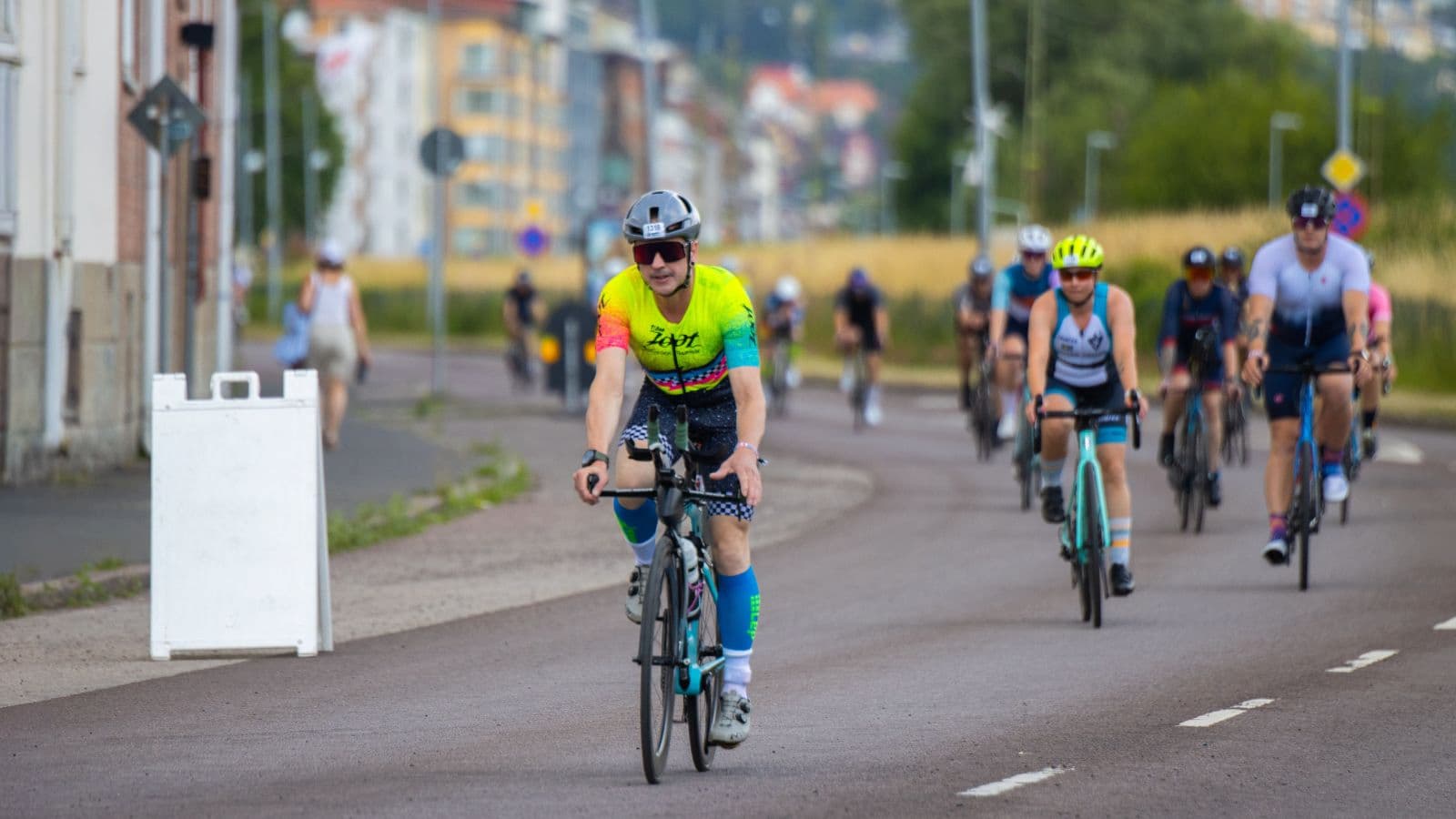


Cycling is the longest discipline in most triathlons, making it the biggest opportunity to improve your overall race time. Getting faster isn’t just about producing more power, it requires better aerodynamics, structured training, efficient pacing and smart energy management so you can still run well after T2. Whether you’re preparing for a Sprint, Olympic, 70.3 or Ironman, the fastest athletes combine fitness with efficiency rather than relying on brute force.
Focus on Aerobic Endurance First
A strong aerobic engine is the foundation of faster cycling. Most triathlon bike training should be completed at an easy, sustainable intensity that allows you to ride longer while improving cardiovascular efficiency. Building aerobic fitness also helps you recover between harder sessions and maintain power throughout long races. Athletes who consistently develop zone 2 training in triathlon often see steady improvements in cycling speed without dramatically increasing training volume.
Increase Your Functional Threshold Power (FTP)
FTP represents the highest average power you can sustain for approximately one hour. Improving it allows you to ride faster while keeping your effort under control.
Effective FTP sessions include:
- 2 × 20 minutes at threshold
- 3 × 12-minute threshold intervals
- Sweet spot workouts
- Progressive tempo rides
Improving FTP in triathlon gives you a higher sustainable race pace across every triathlon distance.
Include Structured Interval Sessions
Once you’ve developed a solid aerobic base, interval training helps increase power output and improve your ability to respond to changes in terrain and race intensity.
Useful workouts include:
- VO2 max intervals
- Short hill repeats
- Over-under intervals
- High-cadence efforts
Limit these sessions to one or two per week so they complement rather than replace endurance riding.
Improve Your Bike Position
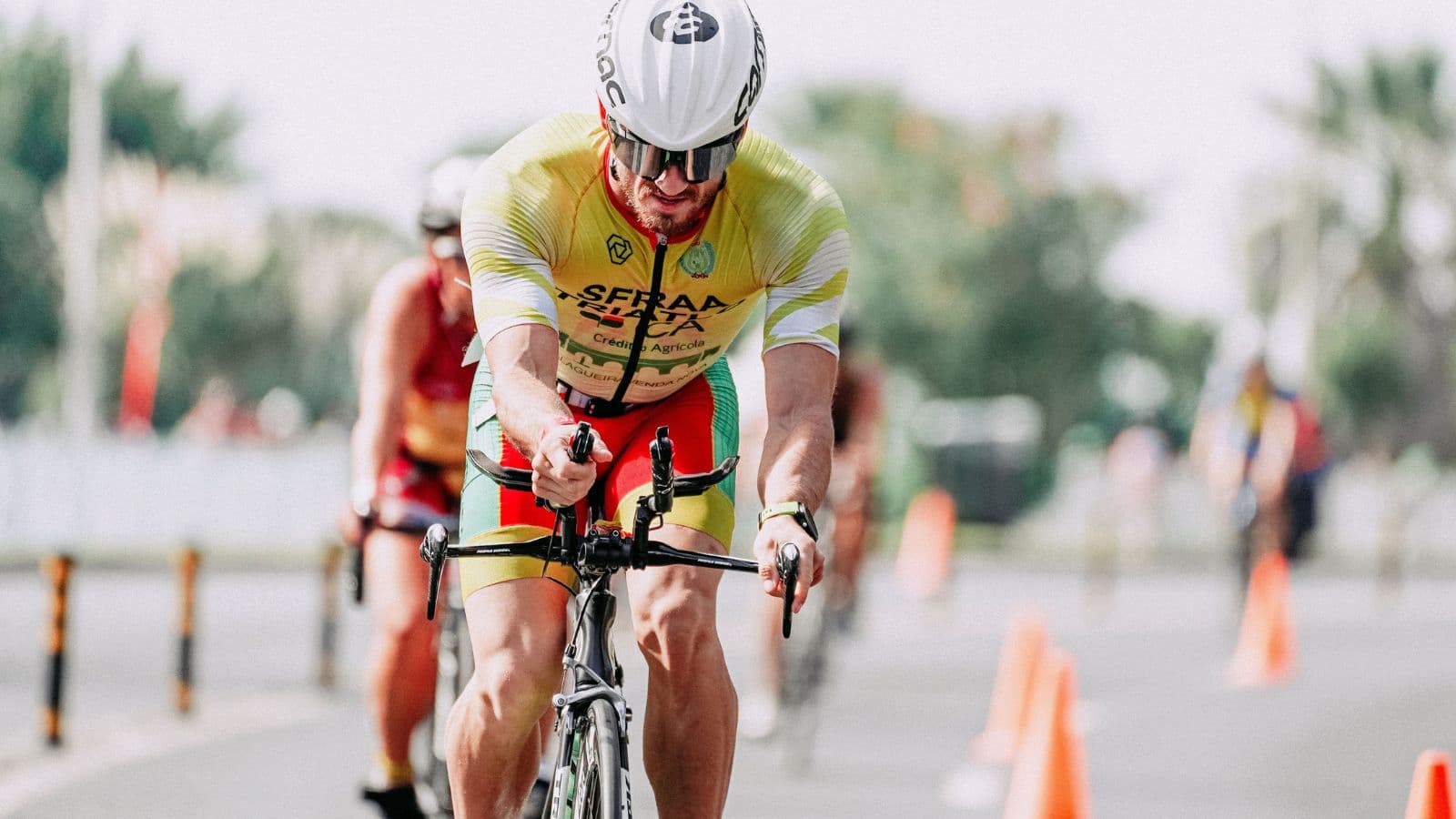
Aerodynamics play a huge role in cycling performance. Reducing drag often saves more time than adding extra watts.
A good bike position should allow you to:
- Produce consistent power
- Stay comfortable for long periods
- Maintain an aerodynamic posture
- Transition smoothly into the run
Small improvements in position can make a significant difference over Olympic and long-distance races.
Build Stronger Legs in the Gym
Strength training helps you generate more force with every pedal stroke while improving stability and injury resistance.
Focus on exercises such as:
- Squats
- Romanian deadlifts
- Split squats
- Step-ups
- Core exercises
- Glute bridges
Two strength sessions per week are usually enough during the main training block.
Improve Pedalling Efficiency
Cycling isn’t just about pushing harder. A smoother pedal stroke reduces wasted energy and helps maintain speed over long distances.
Work on:
- Maintaining even pressure throughout the pedal stroke
- Riding at a comfortable cadence
- Staying relaxed through the upper body
- Eliminating unnecessary movement
Better efficiency becomes increasingly important during longer events where every watt matters.
Practise Race Pacing
Many triathletes ride the bike too aggressively and pay for it during the run. Instead of chasing other competitors, ride according to your planned effort.
Good pacing allows you to:
- Preserve glycogen
- Reduce muscular fatigue
- Keep heart rate under control
- Finish the bike feeling ready to run
Learning how to pace a triathlon properly helps maximize your overall finish time instead of simply producing a faster bike split.
Train Your Nutrition Strategy
Cycling is where most triathlon nutrition takes place.
Failing to eat and drink enough on the bike usually results in slower running and increased fatigue later in the race.
Practise:
- Taking carbohydrates every 20–30 minutes
- Drinking consistently throughout the ride
- Using products you’ve tested in training
- Adjusting intake for heat and race duration
Developing how to fuel for a triathlon during training reduces the risk of energy crashes on race day.
Don’t Neglect Brick Sessions
Cycling speed means little if it leaves your legs unable to run efficiently. Brick workouts teach your body to handle the transition between disciplines while helping you identify the highest sustainable bike effort.
A simple session could include:
- 90-minute ride at race pace
- 20-minute steady run immediately afterwards
These workouts help refine pacing while improving confidence before race day. Athletes looking to maximize performance should regularly practice how to improve your run off the bike, ensuring gains on the bike don’t come at the expense of the final discipline.
Improve Bike Handling Skills
Confident bike handling helps you maintain speed without unnecessary braking or wasted effort.
Spend time practising:
- Cornering
- Descending
- Riding in crosswinds
- Climbing efficiently
- Drinking while riding
- Mounting and dismounting
Technical skills become increasingly valuable on challenging race courses.
Prioritise Recovery
Fitness improves during recovery, not during training.
To maximise adaptation:
- Sleep seven to nine hours per night
- Fuel properly after hard rides
- Schedule recovery weeks
- Include easy rides between key sessions
- Monitor fatigue rather than constantly increasing training load
Consistent recovery allows you to train harder over the long term without burning out.
Think About the Entire Race
A faster bike split doesn’t always produce a faster overall triathlon. The goal isn’t simply to cycle as hard as possible, it’s to cycle efficiently enough that you can still run well. Athletes who understand how to avoid blowing up in a triathlon usually finish stronger because they balance effort across all three disciplines instead of chasing speed too early. Likewise, developing how to become an efficient triathlete helps improve performance through smarter training, better technique and more consistent execution rather than simply increasing intensity.
Key Takeaways
- Build aerobic endurance before increasing intensity.
- Improve FTP with structured threshold sessions.
- Include one or two interval workouts each week.
- Optimise your bike position for comfort and aerodynamics.
- Strength train consistently.
- Practise race nutrition during training.
- Develop confident bike handling skills.
- Pace the bike to support a strong run.