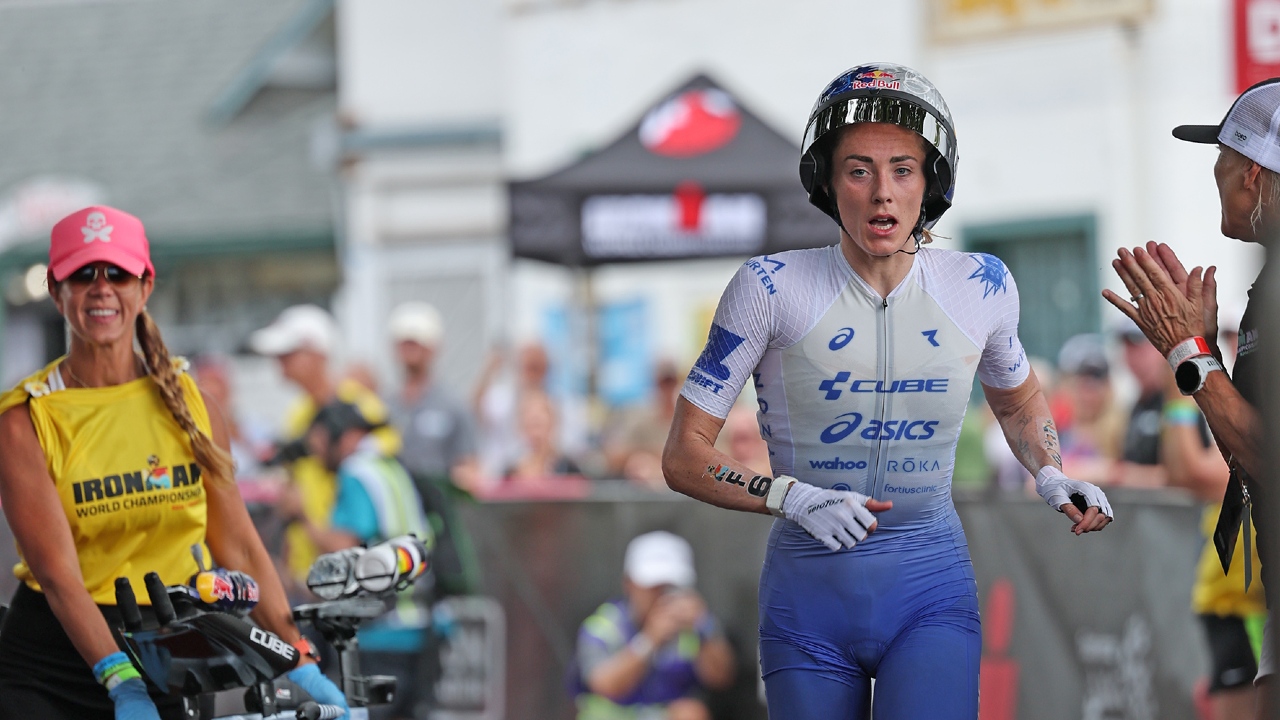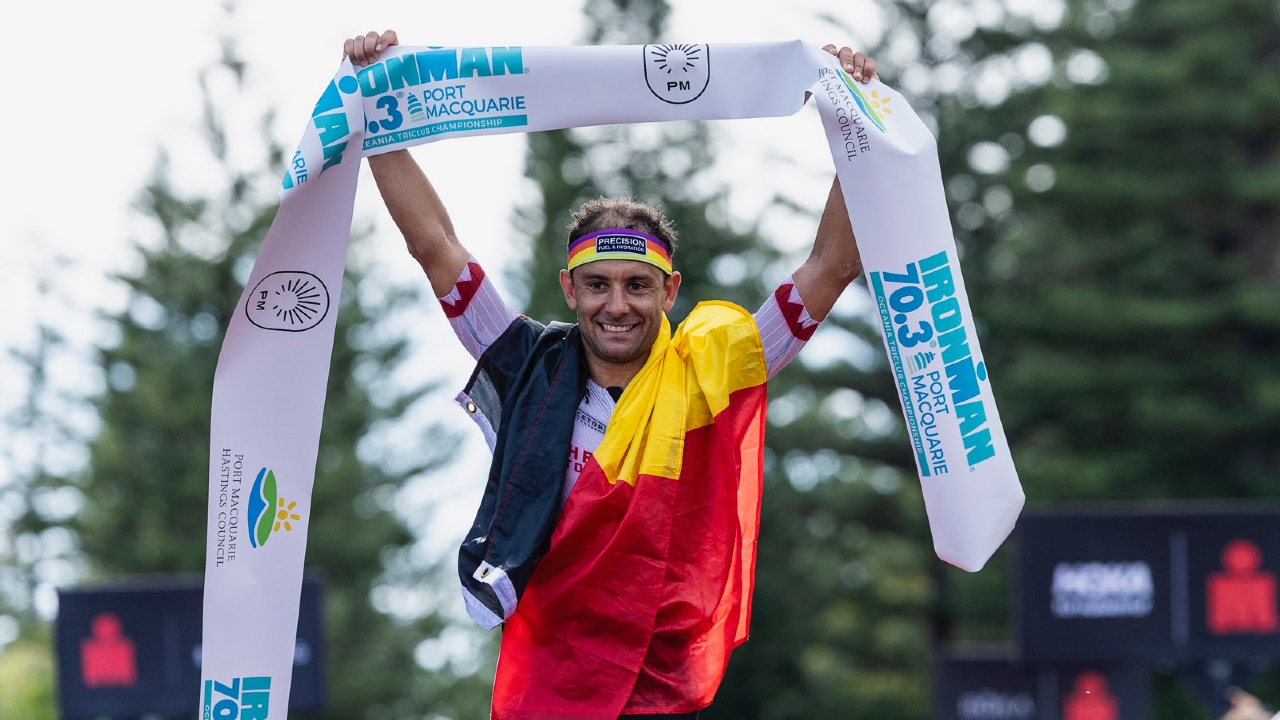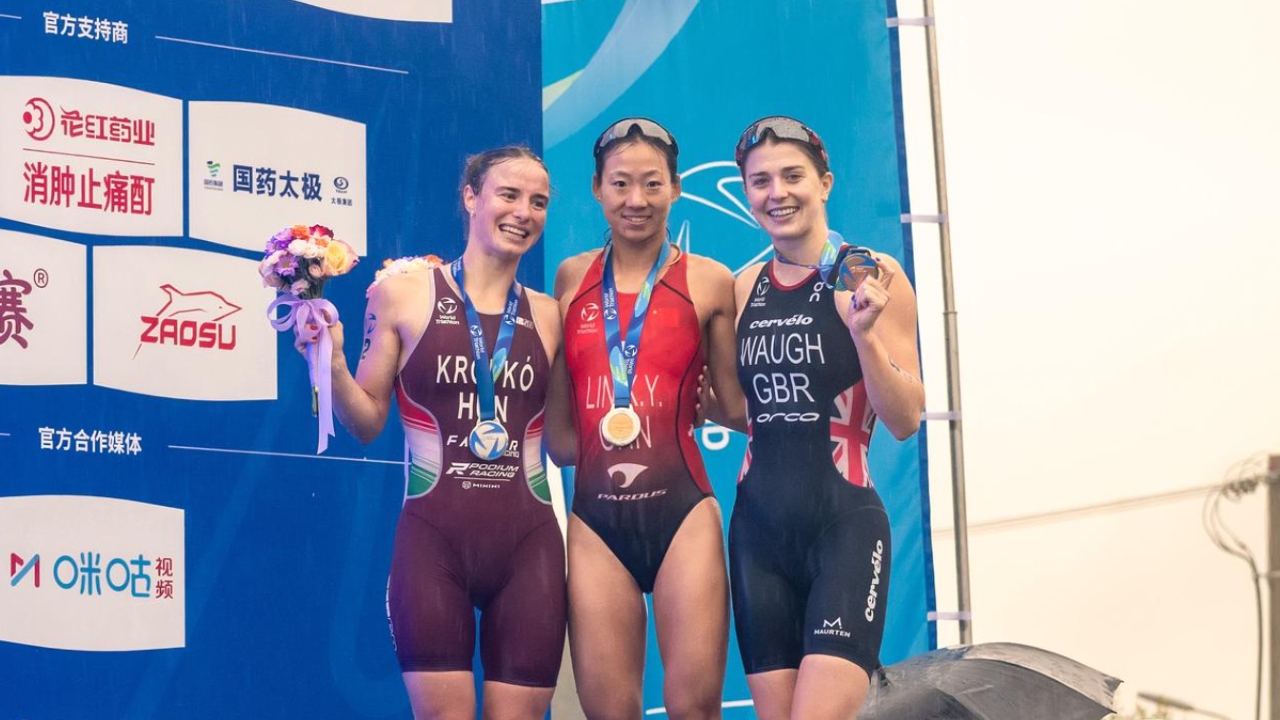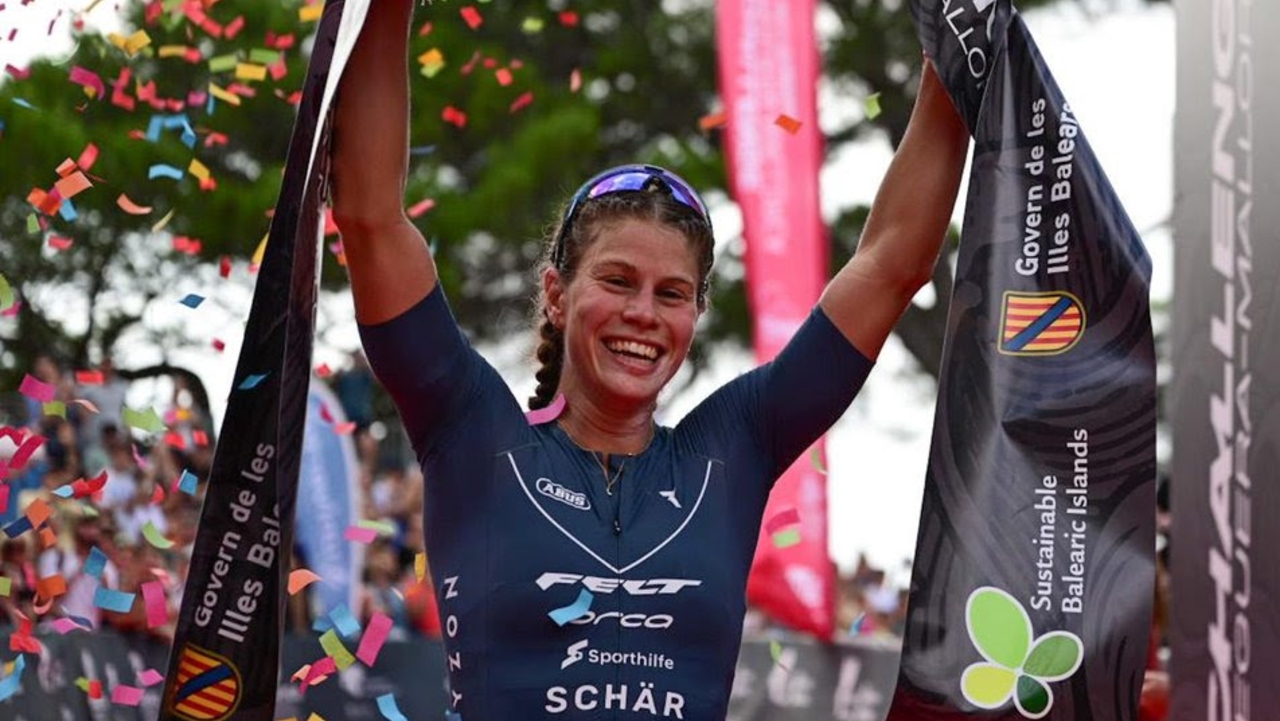


Negative thoughts before a triathlon do not automatically mean you are underprepared. As race day approaches, athletes often become more aware of everything that could go wrong, from struggling in the swim to having a mechanical problem or slowing dramatically during the run. Trying to force every negative thought out of your mind can make you focus on it even more. A better approach is to recognize the thought, decide whether it identifies a problem you can act on, and then return your attention to something useful. Good mental preparation does not require believing the race will be perfect. It means arriving with realistic confidence, a clear plan, and practical responses for the difficult moments that are normal in endurance racing.

In Short
- Pre race doubts are common and do not predict your performance.
- Focus on actions you can control rather than possible outcomes.
- Use realistic self talk rather than exaggerated positive statements.
- Prepare solutions for likely race problems.
- Avoid repeatedly testing your fitness immediately before race day.
Why Do Negative Thoughts Increase Before a Triathlon?
Race day creates uncertainty.
You may start thinking:
- What if I cannot finish the swim?
- What if I am too slow?
- What if I get a puncture?
- What if my legs feel terrible?
- What if I cannot hold my planned pace?
- What if all my training was not enough?
These thoughts can become more noticeable as training decreases before the race because you have more time to think about the event. The presence of doubt itself is not the problem. What matters is how much attention and energy you give it.
Build Confidence From Evidence
Confidence does not need to come from telling yourself that everything will be easy. Use evidence from your training.
Think about the sessions you have already completed:
- Long rides.
- Brick workouts.
- Open water swims.
- Long runs.
- Race pace efforts.
- Difficult sessions you finished.
- Training completed in poor conditions.
You do not need perfect preparation to race successfully. Instead of focusing entirely on sessions you missed, consider the work you actually completed. If doubts are coming from uncertainty about your overall preparation, how do you know if you are ready for a triathlon can help you assess readiness more objectively.
Avoid Last Minute Fitness Tests
Anxiety often creates a desire to prove that your fitness is still there.
You may suddenly want to complete:
- A hard interval workout.
- A long ride.
- A fast run.
- A maximum swim effort.
- A personal best attempt.
These sessions rarely provide meaningful new fitness immediately before a race and may create unnecessary fatigue. Trust your established training rather than repeatedly testing yourself for reassurance.
Use Realistic Self Talk
Positive self talk can be useful, but it should be believable.
More useful statements include:
- I have prepared for this.
- I only need to manage the next section.
- I can adjust if conditions change.
- Difficult moments are temporary.
- I do not need a perfect race.
- I can control my effort and decisions.
The purpose is not to pretend difficulty does not exist. It is to keep your attention on actions that help you continue.
Break the Race Into Smaller Parts
Thinking about the entire race at once can make the challenge feel overwhelming, particularly before an Ironman or other long distance triathlon. Break it into manageable stages:
- Swim: Find space, establish breathing, sight, and settle into rhythm.
- T1: Stay calm and complete the transition methodically.
- Bike: Control effort, fuel consistently, and respond to conditions.
- T2: Reset mentally and prepare for the run.
- Run: Focus on pacing, fueling, aid stations, and the next manageable section.
You do not need to mentally complete the entire race while standing at the start.
Visualize Problems as Well as Success
Visualization should not consist only of imagining yourself crossing the finish line. Mentally rehearse realistic challenges.
Imagine:
- A crowded swim start.
- Missing a buoy slightly.
- Strong headwinds.
- A dropped bottle.
- A slow transition.
- Heavy legs starting the run.
- A difficult final section.
Then visualize yourself responding calmly and continuing. How can visualization help triathletes perform better can help you develop this skill throughout training rather than using it only on race morning.
Reduce Anxiety About the Swim
The swim creates considerable anxiety for many beginners because open water feels less predictable than cycling or running. If your thoughts are centered on swimming, focus on the skills you have practiced rather than the entire distance.
Remember:
- Start according to your ability.
- Find clear water when possible.
- Control your breathing.
- Sight regularly.
- Settle into your own pace.
If the start itself worries you, why is swimming the hardest part of triathlon for beginners can help you choose a calmer position and manage contact without wasting energy. The more familiar sighting, waves, other swimmers, and limited visibility become, the fewer unknowns you carry onto the start line.
Prepare for Bike Problems Instead of Worrying About Them
Mechanical problems are possible, but repeatedly imagining a puncture does not prevent one.
Before race day:
- Inspect the bike.
- Check tires and brakes.
- Make sure gears work properly.
- Confirm bottles and nutrition are secure.
- Carry the repair equipment permitted and appropriate for your event.
- Know how to use it.
A simple routine based on what you should check on your bike before every ride can remove many avoidable equipment worries. Knowing how do i fix a puncture on a road bike can also turn a feared race ending problem into something you have a plan to manage.
Control Your Early Effort
Negative thinking can increase when an athlete starts too hard. If you are already struggling early in the bike or run, your mind may quickly jump from “this feels difficult” to “I cannot finish.” Avoid creating that situation unnecessarily.
During the run, understanding what is zone 2 running in a triathlon can help reinforce why controlled aerobic effort has an important place in endurance performance.
Have a Plan for Fatigue
Feeling tired during a triathlon does not mean the race is going wrong. Fatigue is expected, particularly during longer events. Focus on solving the immediate problem. The strategies in how can you reduce fatigue during the triathlon run leg can help you distinguish normal late race fatigue from pacing and fueling mistakes that may be manageable.
Stop Comparing Yourself With Other Athletes
Race venues can make comparison difficult to avoid. You may see athletes with expensive equipment, professional looking setups, or years of experience and immediately question whether you belong. Their appearance tells you very little about how your race will go.
Focus on:
- Your equipment.
- Your pacing.
- Your nutrition.
- Your warm up.
- Your race plan.
Someone else’s confidence, speed, or bike does not change the preparation you have completed.
Keep Race Week Predictable
Uncertainty encourages unnecessary worry, so remove avoidable decisions before race morning.
Prepare:
- Race clothing.
- Goggles and wetsuit if required.
- Bike shoes and running shoes.
- Helmet.
- Nutrition.
- Bottles.
- Transition equipment.
- Timing and travel details.
Check the athlete guide and understand transition procedures. Avoid making unnecessary last minute changes to equipment, nutrition, bike fit, or technique. Familiarity creates confidence.
Protect Sleep Without Obsessing Over It
Athletes sometimes become so worried about sleeping before a race that the pressure itself makes sleep harder. Prioritize good sleep throughout the days leading into the event rather than expecting one perfect night. Keep your normal routine where practical and reduce unnecessary late night preparation by organizing equipment earlier.
If you sleep poorly the night immediately before the race, do not automatically assume your performance is ruined. Focus on the preparation you can still control that morning.
Accept That the Race May Not Be Perfect
Trying to guarantee a perfect race creates pressure because endurance events contain too many variables to control completely. Weather may change. Your pace may be slower than expected. You might lose time in transition or have a difficult section. A successful response is adaptation. Athletes who expect some uncertainty are often better prepared to make calm decisions when something changes. Your plan should guide you without becoming so rigid that one small problem feels like failure.
Focus on Process Goals
Outcome goals can provide motivation, but they are not completely controllable.
Instead of focusing only on a finishing time or placing, create process goals such as:
- Start the swim calmly.
- Sight consistently.
- Stay within planned bike effort.
- Fuel according to the practiced schedule.
- Avoid chasing other athletes.
- Begin the run under control.
- Stay focused when fatigue increases.
Process goals give you something useful to do throughout the race.
Use Training to Build Mental Confidence
Mental preparation should not begin the evening before competition. Training provides repeated opportunities to practice responding to discomfort and uncertainty.
For example, you can learn to remain composed when:
- A session feels harder than expected.
- Weather changes.
- You miss a pace target.
- Your legs feel tired.
- You need to adjust a workout.
Consistency itself can also build confidence. How do triathletes stay fit with one hour indoor workouts can be useful when life prevents ideal training, helping you maintain productive habits rather than assuming a shorter session has no value.
Know When to Change Your Goal
Sometimes negative thoughts are based on genuine changes in circumstances. Changing a race goal is not the same as giving up.
You might shift from:
- Racing for a time to finishing comfortably.
- Chasing a personal best to pacing conservatively.
- Competing aggressively to gaining experience.
Make decisions according to your current condition rather than an expectation created months earlier.
Common Mistakes
- Trying to eliminate every negative thought.
- Comparing yourself constantly with other athletes.
- Testing fitness immediately before race day.
- Imagining only perfect race scenarios.
- Changing equipment or nutrition at the last minute.
- Starting too hard because of nerves.
- Allowing one poor pre race workout to destroy confidence.
Practical Tips
- Separate controllable problems from uncontrollable worries.
- Review evidence from completed training.
- Use believable self talk.
- Break the race into manageable sections.
- Visualize how you will respond to problems.
- Prepare equipment and logistics early.
- Accept that some uncertainty is unavoidable.
Actionable Takeaways
Negative thoughts before a triathlon are not evidence that you will perform badly. They often appear because race day matters to you and contains uncertainties that normal training does not. Instead of trying to eliminate every doubt, decide whether each concern requires action. Equipment worries can lead to a bike check. Swim anxiety can lead to better positioning and open water practice. Concerns you cannot control should be acknowledged and then replaced with attention to your own pacing, fueling, breathing, and decision making.
You do not need to feel completely fearless on the start line. You need a plan you trust and the ability to return your attention to the next useful action when negative thoughts appear.