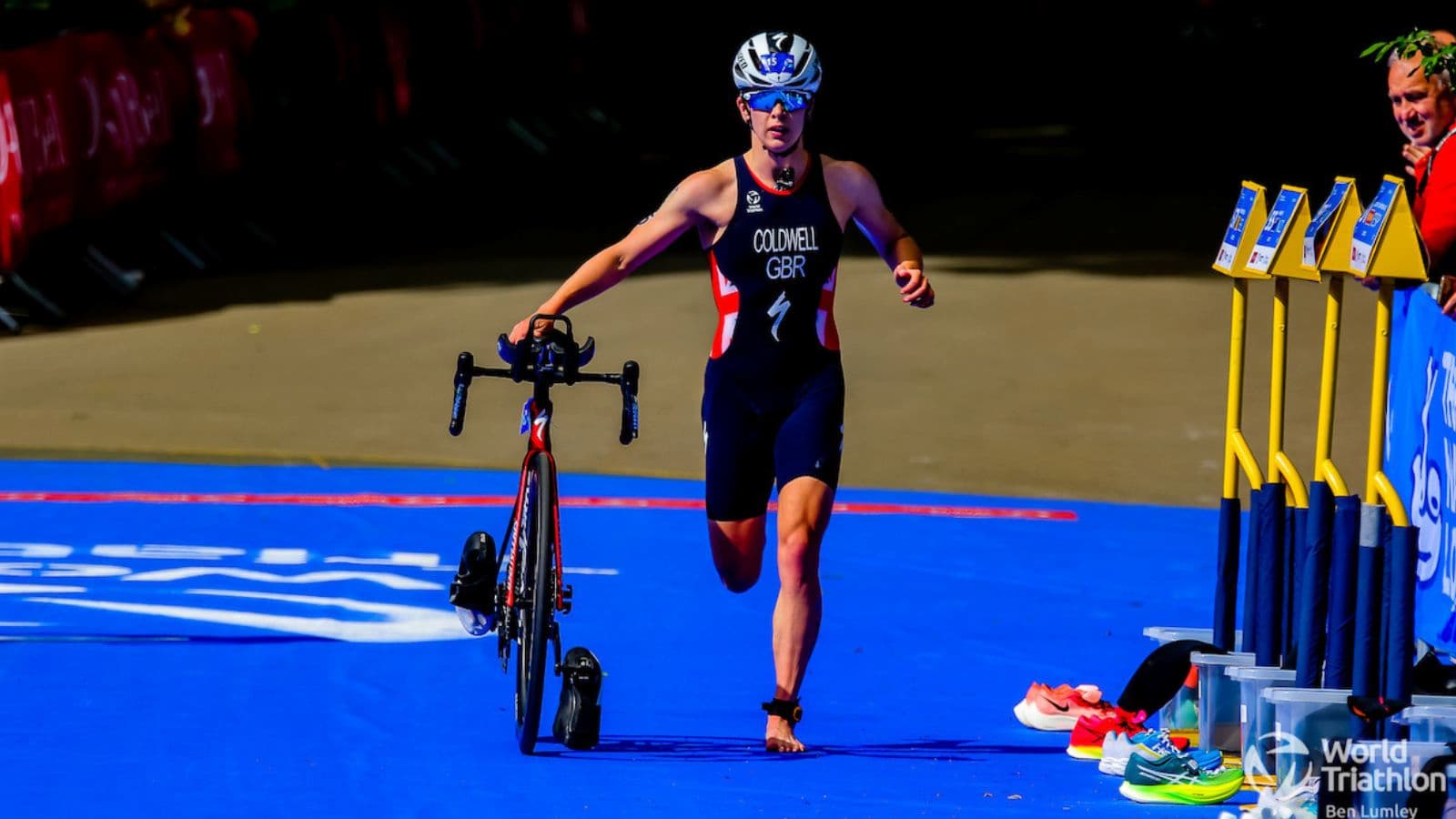

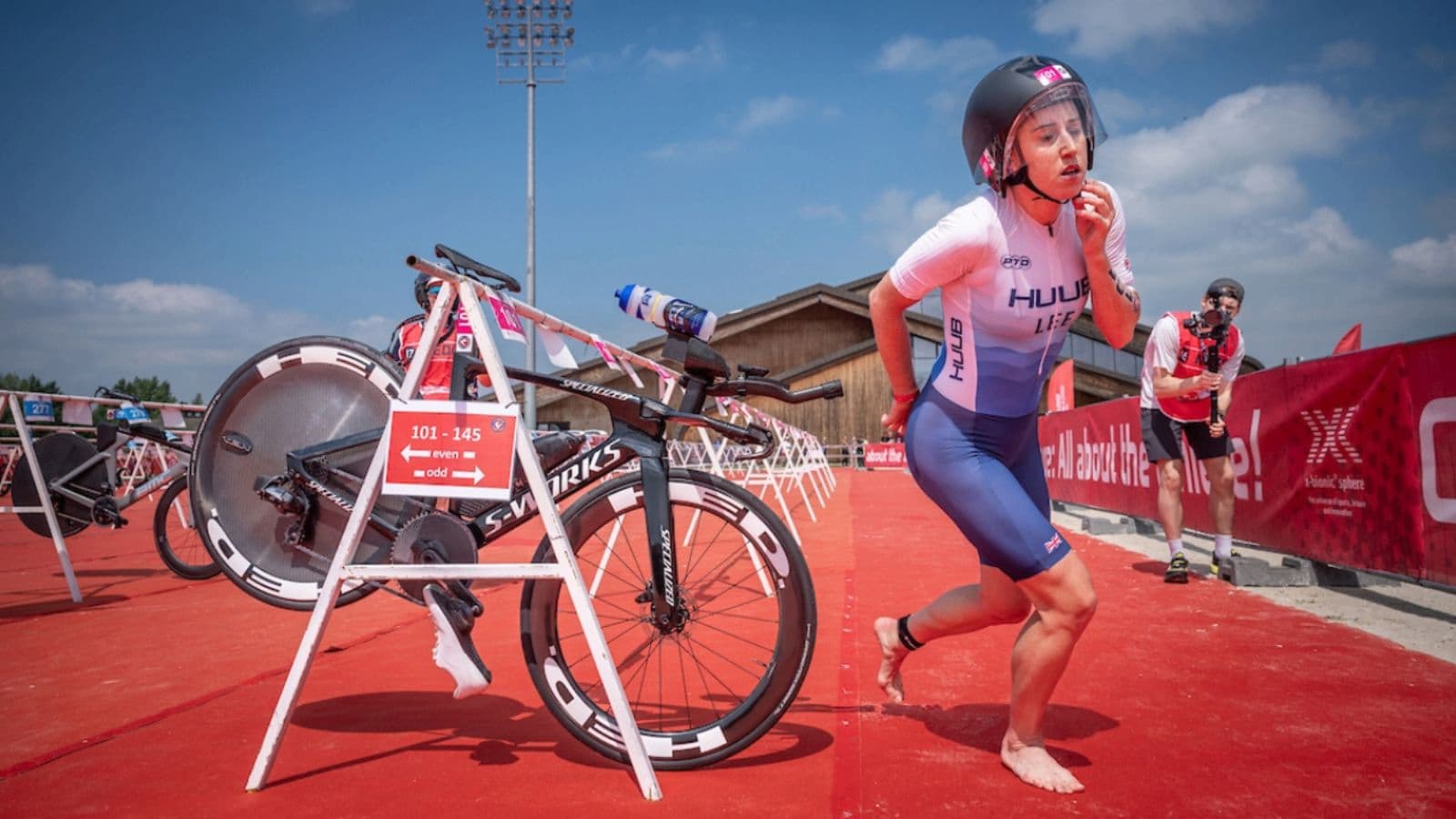
You can put on running shoes faster in T2 by using elastic laces, preparing your shoes before the race, and practicing a simple transition routine. These small adjustments reduce unnecessary movements and help you begin the run without wasting time tying traditional shoelaces. The second transition, commonly called T2, is where triathletes move from cycling to running. After completing the bike leg, athletes must rack their bikes, remove their helmets, change footwear, and leave the transition area through the designated run exit. Although changing shoes seems straightforward, fatigue and unfamiliar movements can make the process slower. Tight shoes, tangled laces, and poor equipment placement can create frustration when athletes are already tired from cycling. A fast T2 does not require complicated techniques or expensive equipment. The most effective approach combines reliable shoe preparation, efficient movements, and repeated practice while maintaining safety and comfort.
In Short
- Use elastic or quick release shoelaces.
- Prepare your shoes before the race.
- Open the shoe collars for easy entry.
- Keep shoes in a consistent position.
- Practice transitions after cycling.
- Avoid rushing and losing balance.
- Check that shoes fit securely.
- Prioritize comfort over saving a few seconds.
Understanding the Importance of T2
T2 connects the cycling and running portions of a triathlon. Unlike T1, where athletes manage swimming equipment and prepare for cycling, T2 generally involves fewer equipment changes. However, small mistakes can still waste time. Understanding how to transition faster in a triathlon can help beginners recognize why preparation and consistent movements are important. An efficient T2 allows athletes to leave the transition area calmly and begin running without unnecessary delays.
Using Elastic Shoelaces
Elastic shoelaces are among the simplest ways to make running shoes easier to put on. Unlike traditional laces, elastic systems allow the shoe opening to stretch as the foot enters.
Benefits include:
- No need to tie knots during T2.
- Faster shoe entry.
- Adjustable tension.
- Fewer loose lace ends.
- Consistent fit between training and racing.
Elastic laces should be adjusted before race day. If they are too tight, getting your foot into the shoe becomes difficult. If they are too loose, the shoe may move excessively while running. Test them during normal runs and brick sessions before racing.
Preparing Shoes Before the Race
A well prepared pair of running shoes can make the transition noticeably smoother.
Before entering the starting area:
- Loosen the shoe openings.
- Position the tongues correctly.
- Check that elastic laces are secure.
- Remove unnecessary packaging or accessories.
- Place shoes where permitted within your transition space.
Avoid leaving the tongues folded inside the shoes. Understanding triathlon race day checklist: what to bring can help athletes organize essential equipment before arriving at the venue. Your shoes should be ready to wear without requiring additional adjustments.
Positioning Running Shoes in T2
Poor equipment placement can slow down even a well practiced transition. Running shoes should be positioned in the designated transition area according to race rules. Place them where you can reach them comfortably after racking your bike. Understanding what is a triathlon transition area can help beginners become familiar with equipment organization and movement through transition zones.
A practical setup includes:
- Shoes placed together.
- Openings facing a convenient direction.
- Laces tucked away securely.
- No unnecessary equipment blocking access.
Keep your transition space tidy and avoid interfering with neighboring athletes.
Learning a Simple Shoe Entry Technique
A consistent shoe entry technique reduces hesitation during T2.
Practice the following sequence:
- Rack your bike securely.
- Remove your helmet after racking the bike.
- Move to your running shoes.
- Open the shoe collar with your fingers.
- Slide your foot into the shoe.
- Check that the heel is fully seated.
- Repeat with the second shoe.
- Leave through the designated run exit.
Avoid stepping forcefully onto the heel counter, as this can damage the shoe and affect its fit. Understanding how can you improve your triathlon transition times can help athletes identify unnecessary movements during both transitions. The goal is to complete each action smoothly rather than rushing.
Practicing T2 After Cycling
Practicing transitions while fresh is useful, but fatigue changes coordination. After a demanding bike session, legs may feel heavy or awkward when standing and running. Understanding what causes jelly legs after bike to run transition in a triathlon can help athletes recognize why T2 movements sometimes feel difficult. Practice by completing a short bike ride followed by a simulated transition and easy run.
Focus on:
- Dismounting safely.
- Moving to the transition space.
- Racking the bike.
- Removing the helmet.
- Putting on running shoes.
- Beginning the run smoothly.
Repeated practice makes the sequence more familiar.
Deciding Whether to Wear Socks
Some triathletes run without socks to reduce transition time. However, this approach may increase friction, blisters, or discomfort, especially during longer races.
Factors to consider include:
- Race distance.
- Shoe construction.
- Personal comfort.
- Previous blister problems.
- Weather conditions.
If you choose to race without socks, practice during training first. For longer distances, wearing socks may be worth the additional transition time. Avoid changing your footwear routine for the first time on race day.
Avoiding Shoe Fit Problems
Running shoes must remain secure after the transition. Shoes that are too loose can cause unwanted foot movement, while excessively tight laces may create pressure or numbness. Understanding how to improve your run off the bike can help athletes appreciate why comfortable footwear matters once the run begins.
Before racing, confirm that:
- The heel stays securely positioned.
- Toes have sufficient room.
- The upper does not create pressure points.
- Laces remain secure while running.
- The shoes feel comfortable after cycling.
Saving a few seconds in T2 is not worthwhile if your shoes cause discomfort throughout the run.
Staying Calm During Transition
Rushing can create mistakes such as dropping equipment, forgetting required actions, or struggling with footwear. A calm, practiced routine is often more reliable than trying to move at maximum speed. Understanding how can mental strategies improve triathlon performance can help athletes develop better concentration during demanding race moments.
Use a simple mental sequence:
- Rack.
- Helmet off.
- Shoes on.
- Run exit.
Following the same order during training can reduce confusion on race day.
Practicing Transition Speed Safely
Athletes can improve T2 efficiency through short, repeated drills.
Try this practice session:
- Set up your shoes in a safe practice area.
- Simulate arriving from the bike.
- Follow the complete T2 sequence.
- Check shoe comfort.
- Repeat three to five times.
- Review unnecessary movements.
Understanding what is a brick workout in triathlon can help athletes combine transition practice with realistic bike to run training. Do not sacrifice balance, equipment security, or race rules to save time.
Common Mistakes
- Using unfamiliar elastic laces.
- Leaving shoes tightly closed.
- Folding shoe tongues inside.
- Placing equipment carelessly.
- Rushing before racking the bike.
- Forgetting to remove the helmet.
- Wearing shoes that are too loose.
- Trying sockless running without practice.
Practical Tips
- Install elastic laces before race week.
- Practice opening shoes quickly.
- Keep shoe placement consistent.
- Use the same T2 routine every time.
- Practice after bike workouts.
- Check that heels are fully seated.
- Follow transition area rules.
- Prioritize secure footwear.
Actionable Takeaways
- Elastic laces simplify shoe entry.
- Proper preparation saves time.
- Consistent movements improve efficiency.
- Practice T2 after cycling.
- Comfort and safety come first.