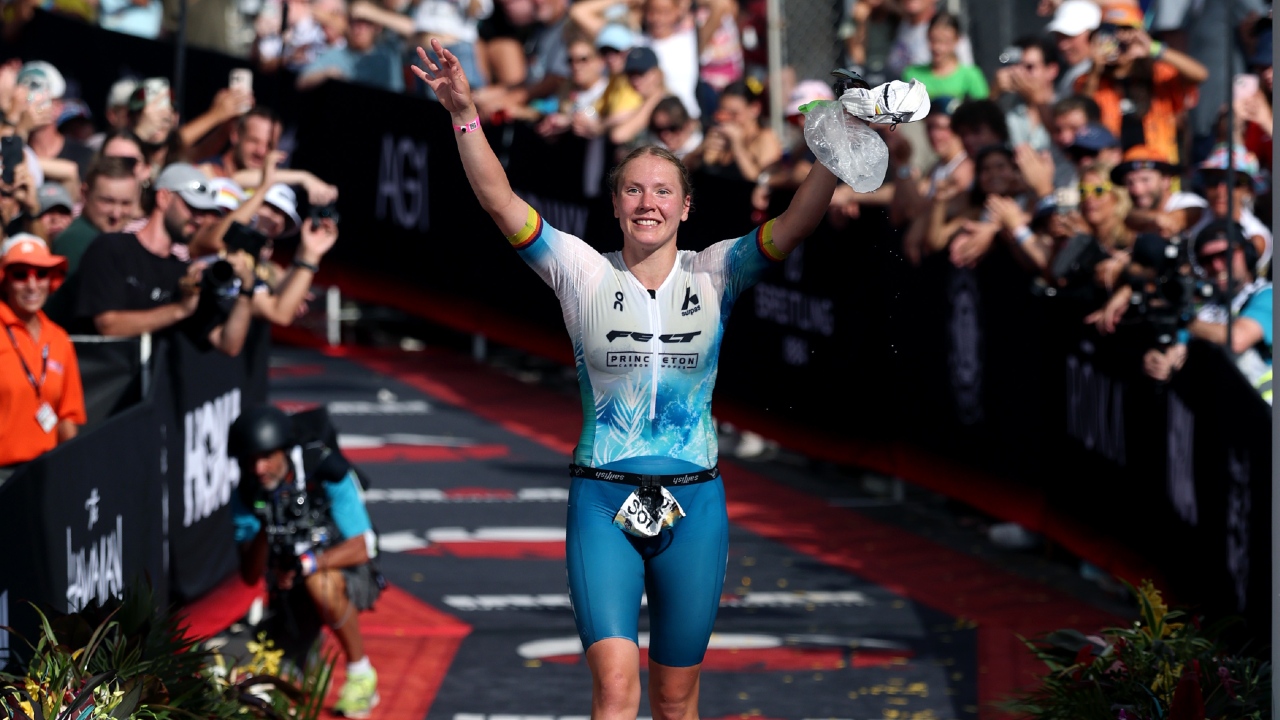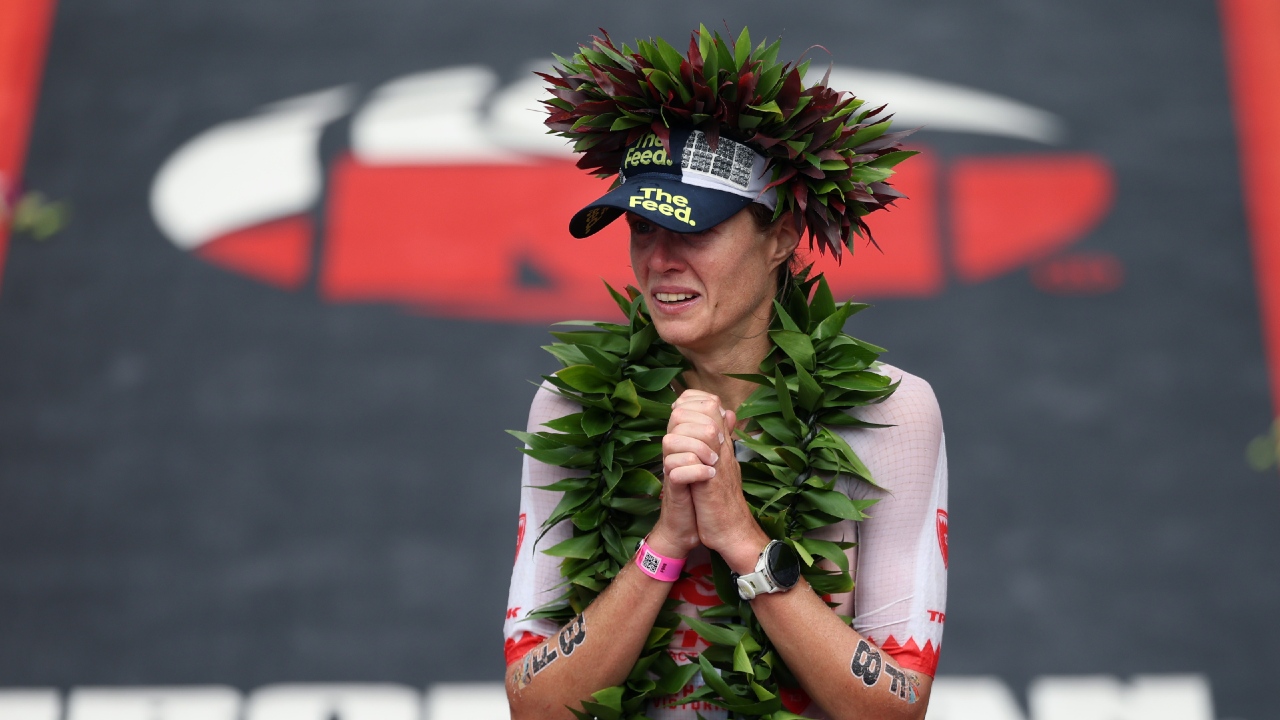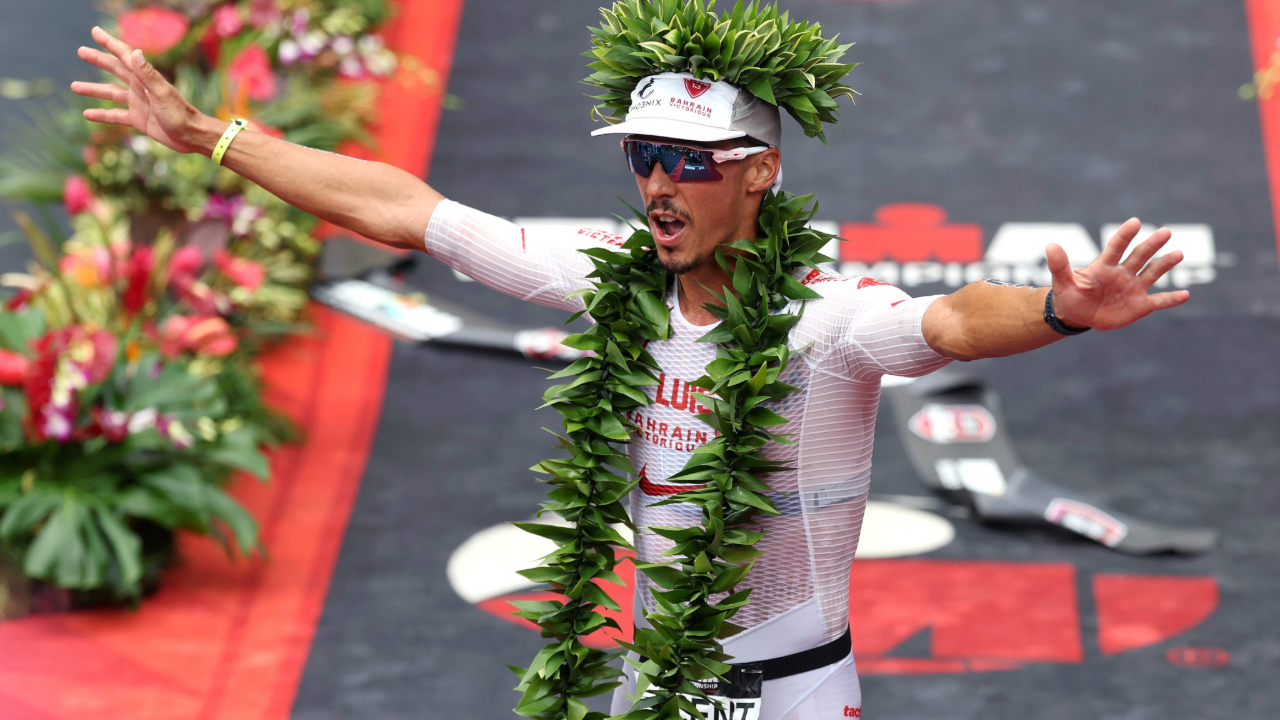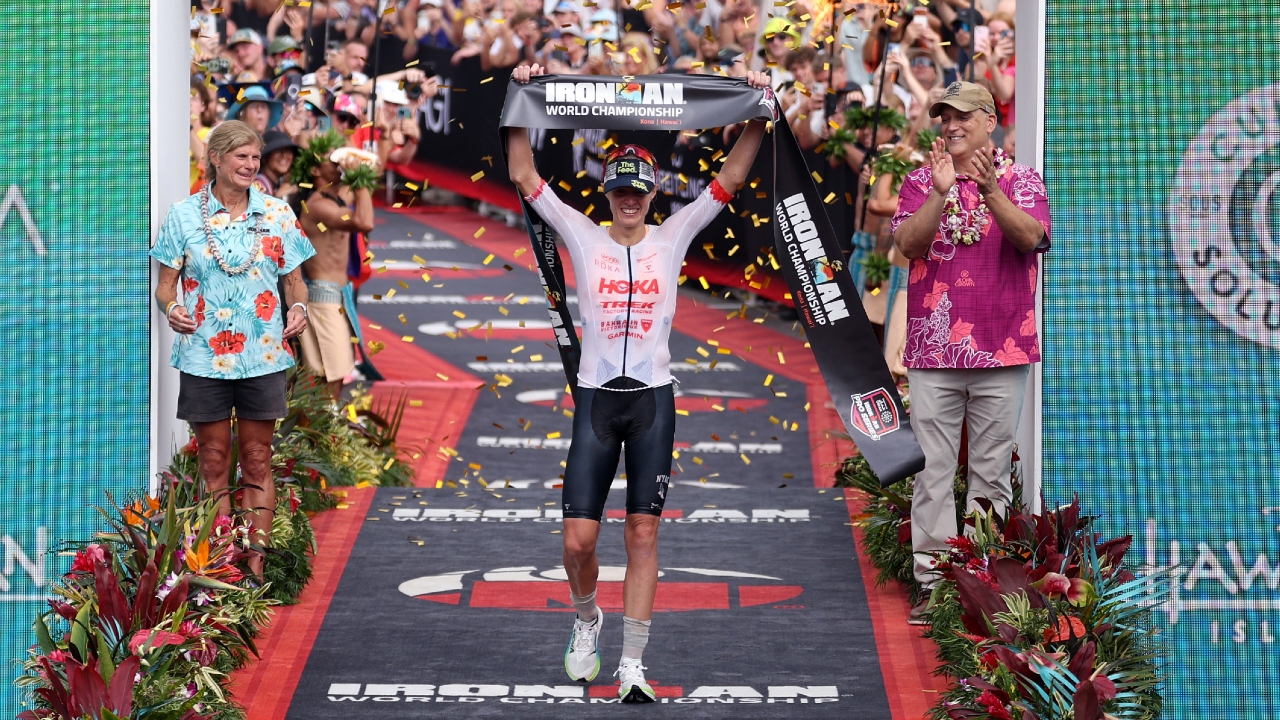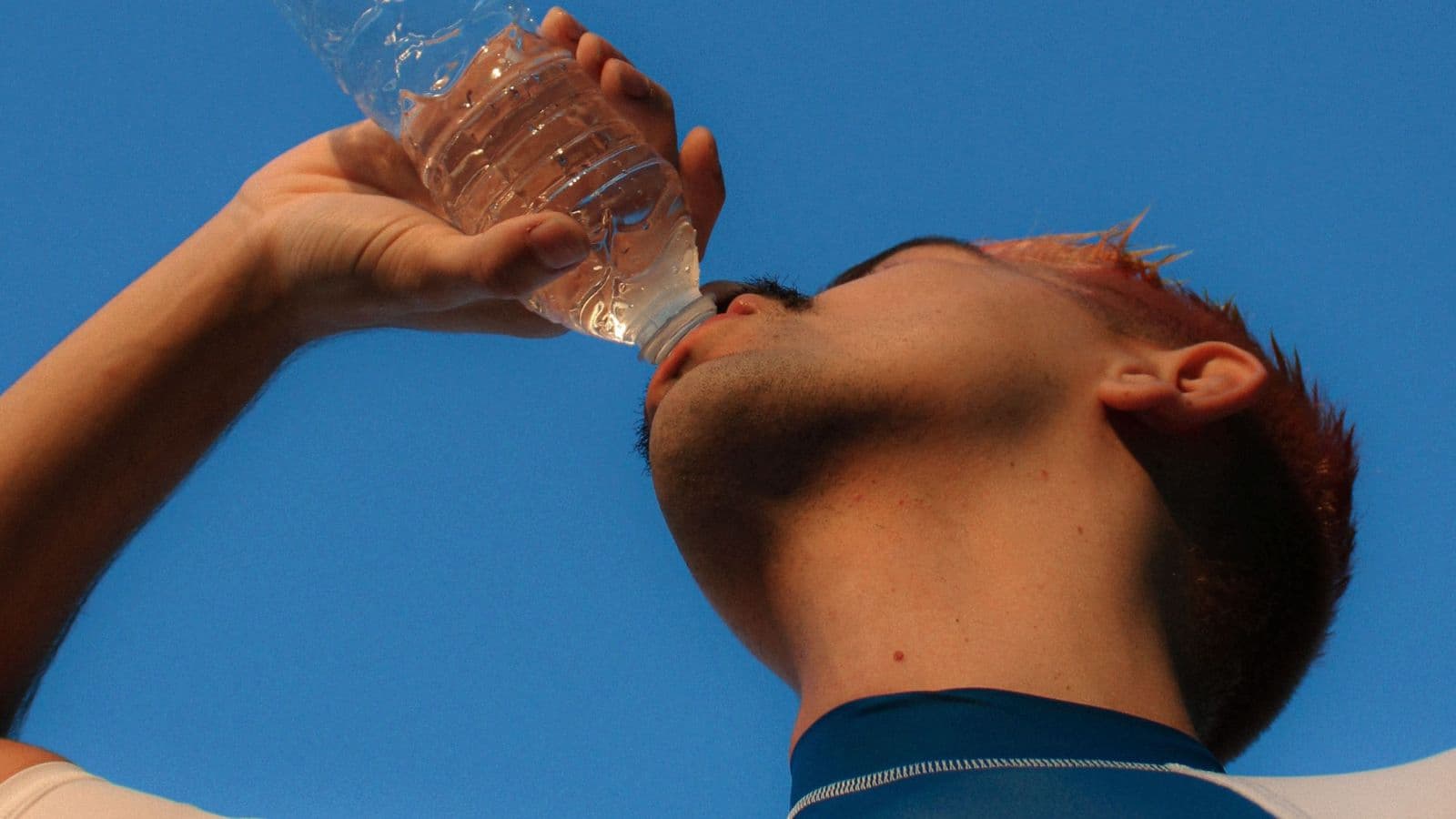


An Ironman triathlon pushes your body to its limits over several hours of continuous swimming, cycling and running. During that time, you’ll lose significant amounts of fluid through sweat, particularly in warm or humid conditions. If those losses aren’t replaced appropriately, dehydration can reduce performance, increase fatigue and make even simple race decisions more difficult. The goal isn’t to drink as much as possible. Instead, it’s to replace enough fluid and electrolytes to support performance while avoiding both dehydration and overhydration. A personalized hydration strategy, practiced during training rather than invented on race day, is one of the most valuable parts of Ironman preparation.
In Short
- Start the race well hydrated.
- Drink consistently rather than occasionally.
- Replace electrolytes as well as fluids.
- Match hydration to weather conditions.
- Practise your hydration plan during training.
Why Dehydration Matters?
Even mild dehydration can affect your performance during an Ironman.
It may lead to:
- Reduced endurance.
- Higher heart rate.
- Faster fatigue.
- Poor concentration.
- Slower recovery.
- Reduced power output.
As dehydration becomes more severe, maintaining your planned pace becomes increasingly difficult.
Start Hydrating Before Race Morning
Hydration begins well before you enter the water.
In the days leading up to your race:
- Drink fluids consistently.
- Include electrolyte-rich drinks when appropriate.
- Eat water-rich foods.
- Avoid excessive alcohol.
- Monitor urine colour as a simple hydration check.
Planning alongside hydration strategy for triathlon explained helps ensure you arrive at the start line properly hydrated instead of trying to catch up on race morning.
Don’t Wait Until You’re Thirsty
Thirst usually appears after some fluid loss has already occurred.
Instead of drinking large amounts infrequently:
- Sip regularly.
- Follow your planned schedule.
- Adjust according to weather.
- Drink at aid stations when appropriate.
Steady intake is generally easier for your stomach than consuming large volumes all at once.
Replace Electrolytes as Well as Water
Sweat contains more than water.
During long races, you also lose important electrolytes including sodium.
Replacing electrolytes helps support:
- Fluid balance.
- Muscle function.
- Nerve signalling.
- Endurance performance.
Understanding electrolytes for triathletes makes it easier to build a balanced hydration strategy.
Practise Your Hydration Strategy
Your race-day hydration plan should never be a surprise.
Use your long training sessions to test:
- Drink types.
- Bottle placement.
- Drinking frequency.
- Electrolyte intake.
- Stomach comfort.
Long brick sessions are particularly useful because they closely simulate race conditions. Combining this practice with how to fuel for an ironman triathlon allows your hydration and nutrition strategies to work together.
Adjust for Weather Conditions
Hydration needs vary from one race to another.
Factors that increase fluid requirements include:
- High temperatures.
- Humidity.
- Strong sunlight.
- Long climbs.
- Higher sweat rates.
On cooler days, you may require less fluid but should still drink consistently throughout the race. Learning how to handle sudden weather changes during a triathlon race helps you adapt your hydration plan instead of following a rigid schedule.
Drink More on the Bike Than the Run
The bike leg provides the best opportunity to hydrate effectively.
Compared with running, cycling makes it easier to:
- Access bottles.
- Drink comfortably.
- Consume electrolytes.
- Stick to your hydration schedule.
Using the bike section wisely reduces the risk of starting the run already dehydrated. This fits naturally with how to pace and fuel the bike leg in a triathlon, where hydration is a central part of your overall race strategy.
Recognise the Early Signs of Dehydration
The sooner you identify dehydration, the easier it is to correct.
Watch for:
- Unusual thirst.
- Dry mouth.
- Rising heart rate.
- Reduced concentration.
- Headaches.
- Declining performance.
Respond early by adjusting both your fluid and electrolyte intake rather than waiting until symptoms become severe.
Avoid Drinking Too Much
More fluid isn’t always better. Overdrinking can dilute sodium levels in the blood and increase the risk of exercise-associated hyponatraemia.
Avoid this by:
- Drinking to your planned schedule.
- Matching intake to your sweat rate.
- Including electrolytes where appropriate.
- Avoiding excessive fluid at aid stations.
Your aim is to replace enough fluid to support performance, not every drop of sweat you lose.
Combine Hydration with Nutrition
Hydration and fuelling work together throughout an Ironman. Simply drinking water without consuming enough carbohydrates may leave you low on energy, while eating without enough fluid can increase the risk of stomach discomfort.
A balanced race plan should include:
- Regular carbohydrate intake.
- Consistent fluid consumption.
- Appropriate electrolyte replacement.
- Small, frequent feeding intervals.
Following what to eat during a triathlon alongside your hydration strategy makes it easier to maintain steady energy levels throughout the race.
Monitor Your Body Throughout the Race
Hydration requirements can change as conditions evolve.
Pay attention to:
- Rising temperatures.
- Increased sweating.
- Wind exposure.
- Changes in pace.
- Signs of stomach discomfort.
Be prepared to make small adjustments rather than rigidly following a plan that no longer suits the conditions.
Recover Your Fluid Losses After the Finish
Hydration doesn’t end at the finish line.
Recovery should include:
- Gradual fluid replacement.
- Electrolyte-rich drinks if needed.
- Carbohydrate and protein intake.
- Continued drinking over the following hours.
Avoid trying to replace all lost fluids immediately after finishing. Learning how to avoid rehydration mistakes after a triathlon helps you recover safely without causing unnecessary stomach discomfort.
Know Your Sweat Rate
Every triathlete loses fluid at a different rate.
Factors influencing sweat rate include:
- Body size.
- Fitness level.
- Environmental conditions.
- Exercise intensity.
- Clothing.
Testing your sweat rate during long training rides and runs provides valuable information for planning race-day hydration. If you’re unsure how much to drink during long bike sessions, how much should you drink per hour on the bike provides useful guidance for different conditions.
Practise During Every Long Session
Ironman hydration should become automatic.
Use every long ride, long run and brick workout to rehearse:
- Bottle changes.
- Aid station strategy.
- Electrolyte timing.
- Drinking frequency.
- Nutrition alongside hydration.
By race day, your hydration routine should feel familiar rather than experimental.
Common Mistakes
- Starting the race already dehydrated.
- Waiting until you’re thirsty to drink.
- Drinking large amounts infrequently.
- Ignoring electrolyte replacement.
- Trying unfamiliar drinks on race day.
- Drinking too much plain water.
- Failing to adjust for hot conditions.
- Neglecting hydration during the bike leg.
Practical Tips
- Arrive well hydrated before the race.
- Sip fluids regularly throughout the event.
- Include electrolytes during long races.
- Practise your hydration strategy during training.
- Monitor your sweat rate.
- Adjust intake according to weather.
- Combine hydration with carbohydrate intake.
- Continue rehydrating after the finish.
Actionable Takeaways
Dehydration is one of the most common causes of declining performance during an Ironman, but it is largely preventable with careful planning. Starting the race well hydrated, drinking consistently, replacing electrolytes and practising your strategy during training all help you maintain performance over long distances.
Remember that hydration is highly individual. Use your training sessions to refine a plan that suits your own sweat rate, nutrition strategy and the environmental conditions you’re likely to face on race day.