

The easiest way to find your bike in a triathlon transition area is to memorize its rack position, identify permanent landmarks, and walk the route from the swim entrance before racing. Large transition areas can contain hundreds or thousands of bicycles, making it surprisingly difficult to recognize your equipment immediately after swimming. During the first transition, known as T1, athletes move from swimming to cycling. Breathing may still be elevated, spectators can create distractions, and rows of similar bicycles may look almost identical. Without preparation, even experienced triathletes can lose valuable time searching. Fortunately, finding your bicycle is a skill that improves through simple preparation. Understanding the transition layout, using official rack numbers, and creating a clear mental picture of your location can make the process easier.
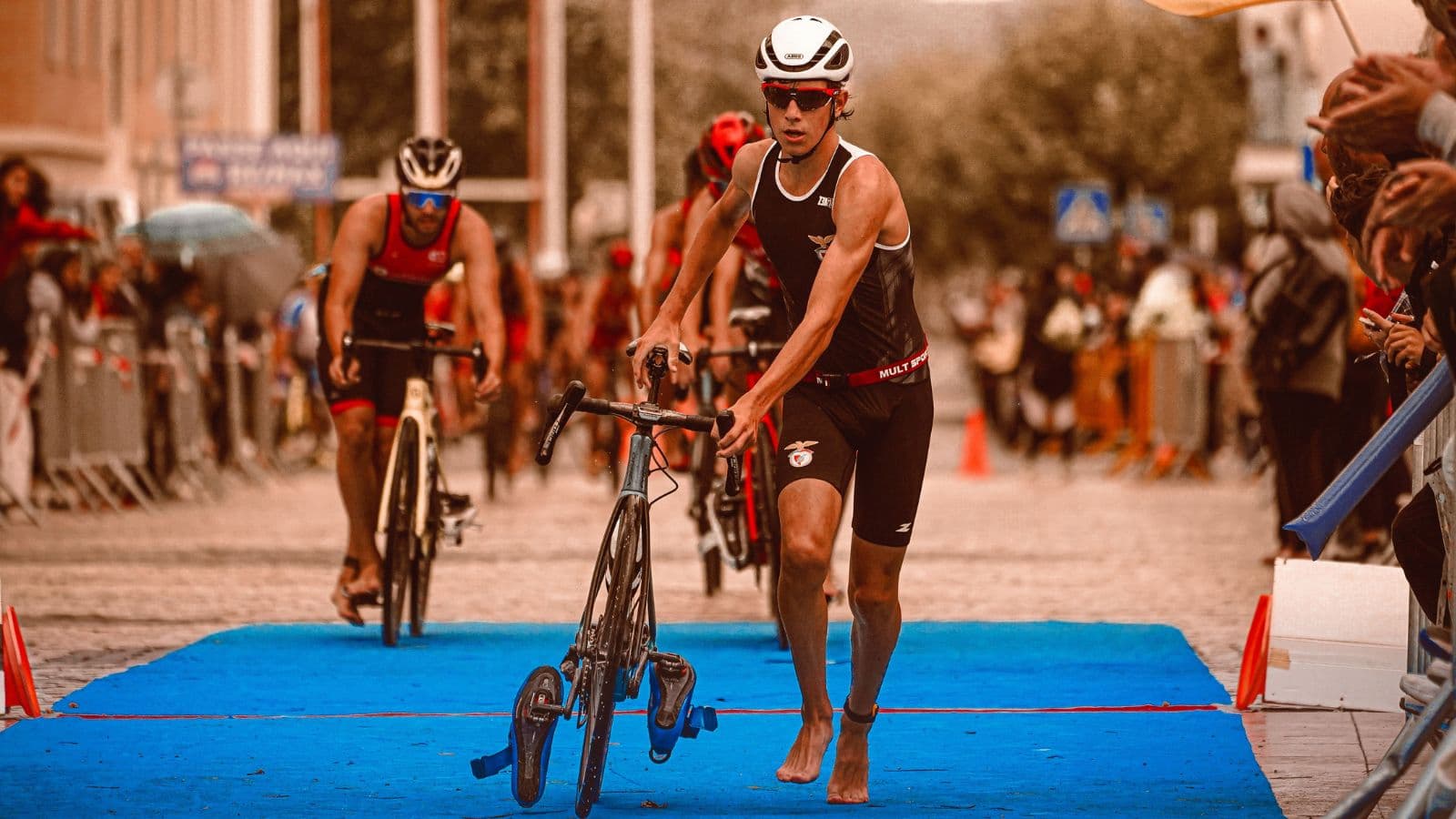
Beginners should prioritize a calm, repeatable routine rather than trying to move as quickly as possible. A few minutes of preparation before the race can prevent unnecessary confusion and help you begin the cycling leg safely.
In Short
- Memorize your assigned bike rack position.
- Use official row numbers and fixed landmarks.
- Walk the route from swim entrance to your bicycle.
- Count rack rows when useful.
- Check the layout from the direction you will enter.
- Keep your transition equipment organized.
- Avoid relying on other athletes’ bicycles.
- Follow race rules about markers and equipment.
- Practice your transition route before the start.
- Stay calm if you temporarily lose your position.
Understand the Transition Area Layout
A triathlon transition area is the designated space where athletes store their bicycles and equipment between race disciplines. Most events provide separate entry and exit points for swimming, cycling, and running.
The main areas typically include:
- Swim entrance.
- Bike racks.
- Bike exit.
- Bike entrance.
- Run exit.
- Mount and dismount lines.
Layouts vary between races, so do not assume every transition area follows the same arrangement. Understanding what should triathletes know about race etiquette can help beginners follow transition rules and avoid obstructing other competitors. Always follow official signage and instructions from race marshals.
Memorize Your Bike Rack Number
Many organized triathlons assign rack positions using race numbers, numbered sections, or designated rows. These markings are often the most reliable way to locate your bicycle.
Before leaving transition:
- Confirm your assigned rack position.
- Identify the row or section number.
- Note which side of the rack holds your bike.
- Check how the rack appears from the swim entrance.
- Repeat the route until it feels familiar.
Avoid memorizing only the location relative to nearby bicycles. Other athletes may remove their bikes before you arrive, changing how the row looks.
Use Fixed Landmarks
Fixed landmarks provide useful visual references when rows look similar.
Good landmarks include:
- Official rack number signs.
- Permanent fencing.
- Transition entrance structures.
- Buildings.
- Large fixed signs.
- Clearly marked aisles.
For example, your bicycle might be in the third rack row after entering, near a numbered sign. Use two references when possible: an official row identifier and a fixed landmark. Do not attach unauthorized balloons, flags, or markers to racks. Some events prohibit personal identification markers because they can obstruct competitors or interfere with equipment.
Walk the Route From Swim Exit to Your Bike
One of the most effective preparation techniques is physically walking the transition route before racing. Start at the point where athletes enter transition after swimming. Then walk toward your assigned rack as you would during the race. Pay attention to turns, aisles, signs, and barriers. Repeat the walk at least twice if access and time permit. Understanding how do you start an open water swim in a triathlon can help beginners prepare for the sequence of events leading into T1. Remember that race organizers may restrict access shortly before the start.
Visualize Your Transition Route
Mental rehearsal can reinforce the route you practiced.
Before racing, picture yourself:
- Leaving the water.
- Entering transition.
- Following the correct aisle.
- Reaching your rack.
- Removing swimming equipment.
- Putting on your helmet.
- Collecting your bicycle.
- Moving toward the bike exit.
Understanding how can visualization help triathletes perform better can help athletes use mental rehearsal to prepare for unfamiliar race situations.
Visualization works best when based on a route you have already checked.
Organize Your Equipment Clearly
An organized transition space makes your bicycle location easier to recognize and reduces confusion once you arrive. Place equipment according to race rules and within your permitted space.
A simple arrangement might include:
| Equipment | Suggested position |
|---|---|
| Bike | Assigned rack position |
| Helmet | On bike or designated equipment area |
| Cycling shoes | Within permitted transition space |
| Running shoes | Neatly positioned for T2 |
| Race belt | Accessible when required |
| Sunglasses | Secure and easy to reach |
Avoid spreading belongings into neighboring spaces. Understanding what you should check on your bike before every ride can help ensure the bicycle is mechanically ready before entering transition.
What to Do if You Cannot Find Your Bike?
If you enter transition and cannot immediately locate your bicycle, avoid running randomly between racks.
Instead:
- Slow down enough to think clearly.
- Locate the nearest official rack sign.
- Identify the correct row or section.
- Return to the route you practiced.
- Check both sides of the rack if necessary.
- Ask a race marshal for directions if you remain confused.
A short pause is usually better than repeatedly searching the wrong aisle. Understanding how can triathletes manage pre-race nerves before the swim start can help athletes develop calming routines that remain useful during unexpected race situations.
Why Swimming Can Make Transition Navigation Harder?
The transition from swimming to running toward your bicycle can feel disorienting. Athletes may experience elevated breathing, fatigue, or temporary dizziness after leaving the water. Crowds and noise can add further distraction. Understanding why do you feel dizzy after swimming in a triathlon can help athletes recognize possible causes and important warning signs. If you feel dizzy, unstable, or unwell, stop and seek medical assistance rather than rushing through transition.
Practice T1 Before Race Day
Transition practice helps make equipment changes more familiar.
Set up a simple practice area and rehearse:
- Finishing a swim or simulated swim.
- Removing your cap and goggles.
- Finding your equipment.
- Putting on your helmet.
- Collecting your bike.
- Walking or running with the bicycle safely.
Understanding how can you avoid getting swum over at the start of a triathlon can also help beginners manage swim-start stress before reaching transition. Practice accuracy before attempting faster transitions.
Prepare for the Second Transition
Finding your rack is also important when returning from the cycling leg. During T2, athletes rack their bicycles before beginning the run. The transition area may look different because many bikes have moved. Learn the route from bike entrance to your rack as carefully as the route from swim entrance. Understanding how can you bike smarter to improve your triathlon run can help athletes approach the end of cycling with enough control to complete T2 safely. Do not remove your helmet until your bicycle is correctly racked, in accordance with event rules.
Common Mistakes
- Memorizing only nearby bicycles.
- Ignoring official rack numbers.
- Failing to walk the transition route.
- Entering the wrong aisle.
- Relying on unauthorized markers.
- Leaving equipment scattered.
- Rushing when confused.
- Forgetting the T2 route.
- Blocking other athletes.
- Ignoring marshal instructions.
Practical Tips
- Arrive early enough to inspect transition.
- Memorize your rack number.
- Identify two fixed landmarks.
- Walk both T1 and T2 routes.
- Count rows if helpful.
- Keep equipment neatly arranged.
- Rehearse the route mentally.
- Follow official transition signage.
- Stay calm if you make a mistake.
- Prioritize safety over transition speed.
Actionable Takeaways
- Learn your rack position before racing.
- Walk the route from both transition entrances.
- Use official signs and fixed landmarks.
- Keep your equipment organized.
- Slow down briefly if you lose your way.