

A two-hour cycling ride sits in the ideal training range for developing endurance, aerobic fitness and race-specific preparation. While it’s not as demanding as an all-day ride, it’s long enough that poor nutrition can noticeably reduce both performance and recovery. Many triathletes either under-fuel because they believe two hours isn’t long enough to require nutrition, or they overcomplicate their strategy by consuming far more than necessary. The reality is that effective fuelling is straightforward. By eating before your ride, consuming carbohydrates and fluids during the session, and recovering properly afterwards, you’ll complete higher-quality workouts and adapt more effectively to your training.
In Short
- Eat a carbohydrate-rich meal before riding.
- Begin fuelling early during the ride.
- Consume carbohydrates regularly.
- Stay hydrated throughout the session.
- Replace electrolytes when appropriate.
- Practise your race nutrition during training.
- Recover with carbohydrates and protein.
- Adjust your intake for weather and intensity.
Why Nutrition Matters on a Two-Hour Ride?
Although two hours may seem relatively short compared with long-course triathlon racing, your body still burns a significant amount of energy.
Without adequate nutrition, you may experience:
- Falling energy levels.
- Reduced power output.
- Increased fatigue.
- Poor concentration.
- Slower recovery afterwards.
Good fuelling allows you to maintain consistent effort throughout the ride while supporting the quality of your next training session.
Fuel Before You Start
Your nutrition begins well before you clip into the pedals. Aim to eat a balanced meal two to four hours before your ride that contains easily digestible carbohydrates along with moderate protein following what to eat before a triathlon guide.
Suitable options include:
- Porridge with fruit.
- Rice with eggs.
- Toast with peanut butter and banana.
- Bagels with jam.
- Yoghurt with granola.
If you have less time before riding, a smaller carbohydrate-based snack around 30 to 60 minutes beforehand may be more comfortable. Avoid trying unfamiliar foods immediately before important sessions.
Start Fuelling Early
One of the biggest mistakes triathletes make is waiting until they feel hungry. By that point, energy levels have already begun to fall. Instead, begin consuming carbohydrates within the first 20 to 30 minutes of your ride and continue eating at regular intervals.
This steady approach helps maintain energy availability rather than trying to recover from a deficit later.
How Much Carbohydrate Do You Need?
The amount of carbohydrate you require depends on your training intensity, body size and individual tolerance.
For most two-hour rides, a practical target is approximately:
- 30–60 grams of carbohydrate per hour for steady endurance rides.
- Up to 90 grams per hour for higher-intensity sessions if your digestive system is trained to tolerate it.
Sources can include:
- Energy gels.
- Sports drinks.
- Energy chews.
- Bananas.
- Low-fibre energy bars.
Experiment during training to discover which options work best for you. If you’re learning how to pace longer rides, how to pace and fuel the bike leg in a triathlon explains how nutrition and pacing work together.
Stay Hydrated Throughout the Ride
Hydration needs vary according to temperature, humidity, sweat rate and exercise intensity. Rather than drinking only when thirsty, sip fluids regularly throughout the ride.
Most athletes benefit from:
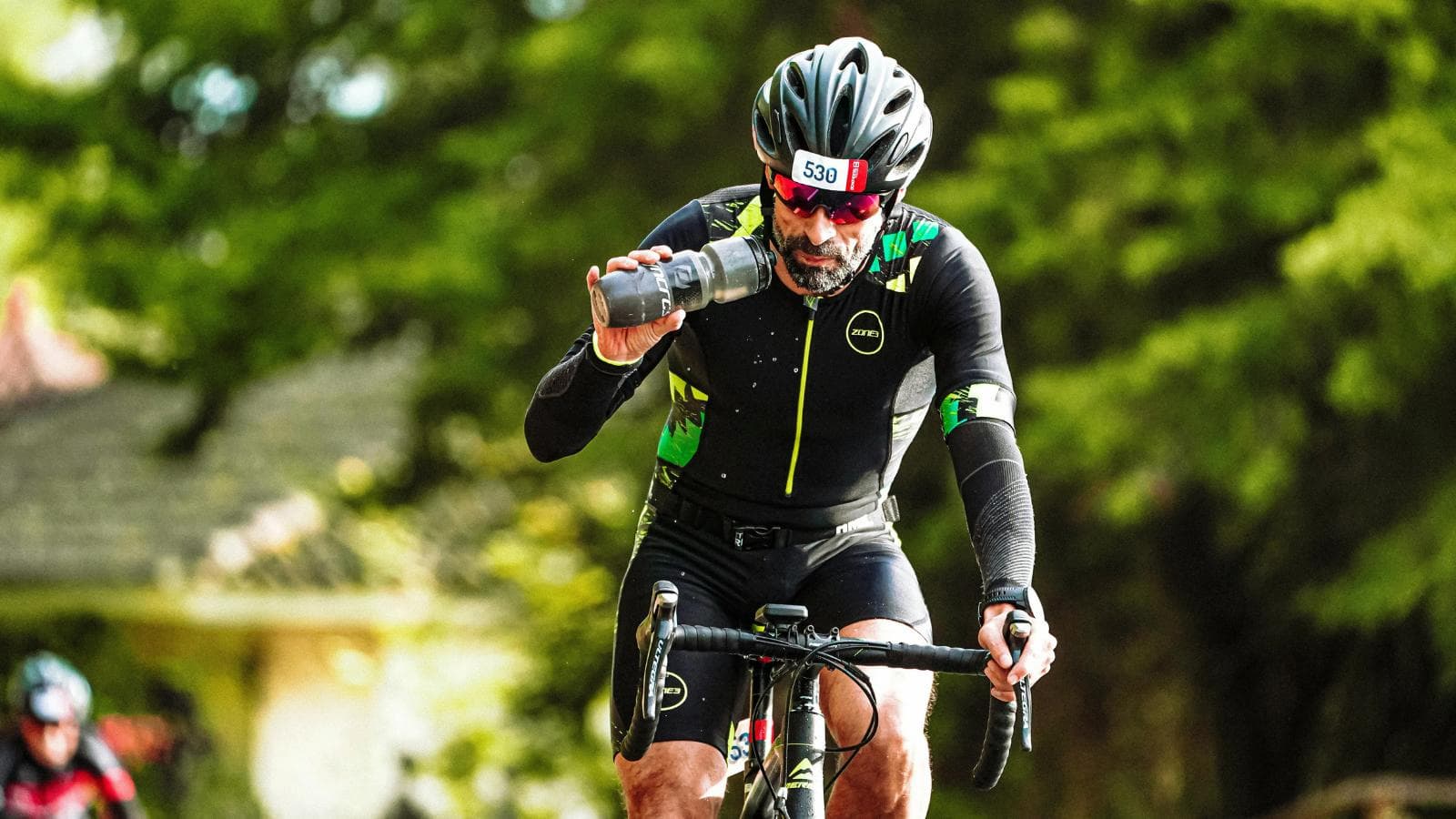
- Drinking consistently every 10 to 20 minutes.
- Carrying at least one bottle for a two-hour ride.
- Increasing fluid intake in hot weather.
- Monitoring urine colour after training as a rough hydration guide.
Avoid both dehydration and excessive drinking.
Don’t Forget Electrolytes
Sweat contains sodium and other electrolytes that are necessary and help regulate fluid balance and muscle function. For many moderate rides in cool weather, water alone may be sufficient.
However, electrolyte replacement becomes increasingly important during:
- Hot conditions.
- High sweat rates.
- Indoor trainer sessions.
- Higher-intensity workouts.
- Athletes prone to muscle cramps.
Electrolyte drinks or tablets can help replace some of the sodium lost through sweat.
Match Your Fuel to the Session
Not every two-hour ride has the same nutritional demands. An easy aerobic session generally requires less carbohydrate than a workout containing long threshold intervals or repeated hill efforts.
For example:
- Easy Zone 2 rides often require lower carbohydrate intake.
- Tempo rides increase energy demands.
- Interval sessions rely more heavily on carbohydrate stores.
Understanding the purpose of your workout helps you choose an appropriate fuelling strategy. If you’re building aerobic fitness, what is zone 2 cycling in a triathlon explains why lower-intensity rides remain an important part of endurance training.
Practise Race Nutrition
Training rides provide the ideal opportunity to test the nutrition you’ll use on race day.
Use longer sessions to practise:
- Opening gels while riding.
- Drinking from bottles in the aero position.
- Timing carbohydrate intake.
- Combining fluids and solid foods.
- Identifying products your stomach tolerates well.
Practicing nutrition reduces surprises during competition and increases confidence on race day.
Recover Properly After the Ride
Your recovery nutrition is almost as important as your fuelling during the ride itself. Refuelling helps replenish glycogen stores, repair muscle tissue and prepare you for your next training session.
Aim to consume:
- Carbohydrates to restore energy.
- Protein to support muscle repair.
- Fluids to replace sweat losses.
- Electrolytes if you’ve sweated heavily.
Examples of effective recovery meals include:
- Chicken and rice.
- Pasta with lean meat.
- Greek yoghurt with fruit and granola.
- A recovery smoothie containing fruit and protein.
Try to eat within the first hour after finishing your ride, particularly if you have another training session later in the day.
Adapt Your Nutrition to the Weather
Environmental conditions can significantly influence your fueling needs. On hot or humid days, you’ll typically lose more fluid and sodium through sweat, increasing the importance of hydration. In cooler weather, you may not feel as thirsty, but your body still requires regular fluids and carbohydrates to perform well. This is where hydration strategy by distance and weather plays its part.
Adjust your plan by:
- Carrying extra fluids during hot rides.
- Drinking smaller amounts more frequently.
- Increasing electrolyte intake when sweating heavily.
- Monitoring how your body responds in different conditions.
Practising in a range of weather conditions helps you develop a nutrition strategy that works on race day.
Avoid Trying New Products Before Races
Training rides are the best place to experiment with sports nutrition. Race day is not the time to discover that a new gel, drink or energy bar causes stomach discomfort. Triathletes must follow how to fuel for a triathlon without GI issues in order to avoid getting themselves troubled.
During your training, test:
- Different carbohydrate sources.
- Drink concentrations.
- Gel timing.
- Electrolyte products.
- Combinations of solid and liquid nutrition.
By race day, your nutrition plan should feel as familiar as your pacing strategy.
Balance Nutrition with Training Goals
Not every ride requires exactly the same fuelling approach. If your coach has prescribed a specific session to develop fat metabolism or train under reduced carbohydrate availability, your nutrition may differ from a race-specific workout. However, these sessions should be planned carefully rather than becoming your default approach.
For most triathletes, consistently fuelling key workouts leads to:
- Better training quality.
- Higher sustainable power.
- Improved recovery.
- Greater consistency.
- Stronger race-day performance.
If you’re aiming to improve overall cycling performance, how to increase cycling power without burning out explains why recovery and consistent training matter just as much as hard workouts.
Common Mistakes
- Starting the ride without eating beforehand.
- Waiting until hunger develops before fuelling.
- Consuming too little carbohydrate.
- Forgetting to drink regularly.
- Ignoring electrolyte replacement in hot weather.
- Trying unfamiliar nutrition products before races.
- Under-fuelling harder training sessions.
- Neglecting recovery nutrition.
Practical Tips
- Eat a carbohydrate-rich meal two to four hours before riding.
- Start fuelling within the first 20 to 30 minutes.
- Consume carbohydrates regularly throughout the ride.
- Drink small amounts consistently.
- Replace electrolytes when conditions require it.
- Practise your race nutrition during training.
- Recover with carbohydrates and protein after finishing.
- Adjust your intake based on weather and workout intensity.
Actionable Takeaways
A two-hour cycling ride is long enough that nutrition has a direct impact on both performance and recovery. Starting the session well fuelled, consuming carbohydrates consistently during the ride and replacing fluids as you go helps maintain energy levels and supports higher-quality training.
The best nutrition strategy is one you’ve already tested in training. By practising your fuelling plan regularly and adjusting it for intensity, weather and personal preferences, you’ll build confidence and prepare yourself for more demanding race-day conditions.