

Almost every triathlete has wondered whether their running form is holding them back. After watching elite athletes glide effortlessly across the road, it’s easy to believe that changing every aspect of your technique is the key to running faster. In reality, constantly thinking about your arm swing, foot strike or posture during every run often does more harm than good. Running is a highly automatic movement, and over-analyzing each stride can make you feel stiff, inefficient and frustrated. The goal isn’t to run with “perfect” form. Instead, it’s to develop efficient movement patterns that feel natural, conserve energy and remain consistent even as fatigue builds during a triathlon.
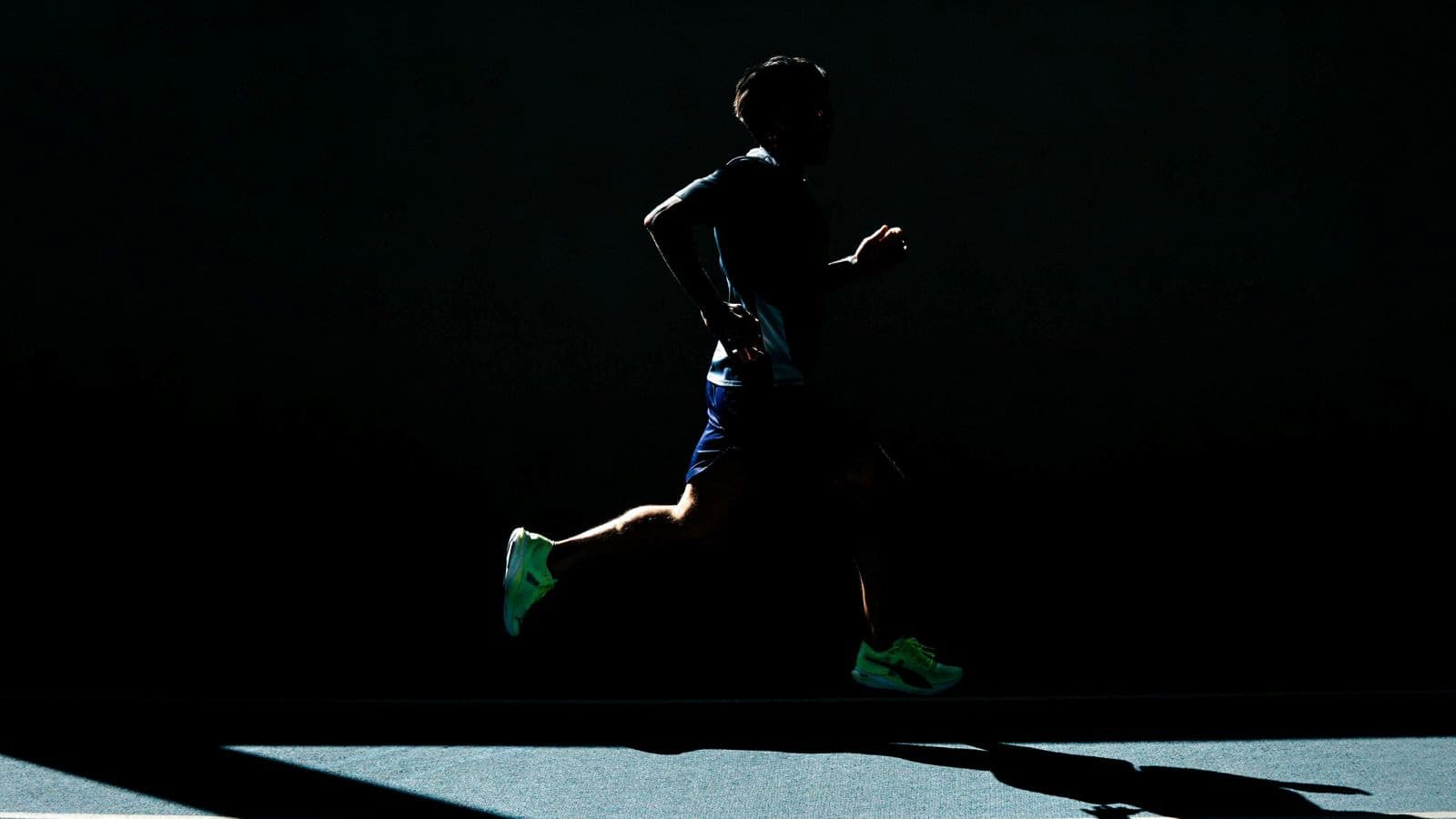
Is There a Perfect Running Form?
One of the biggest misconceptions in endurance sports is that every runner should move the same way. Elite runners all display slightly different mechanics. Differences in height, flexibility, limb length, muscle strength and experience create unique movement patterns that still produce excellent results.
Instead of chasing an ideal running style, focus on developing a form that allows you to:
- Stay relaxed.
- Minimise wasted movement.
- Maintain efficiency.
- Avoid unnecessary discomfort.
- Finish strong.
Your best running form is the one that works consistently for your body.
Why Overthinking Running Form Can Slow You Down?
Running depends heavily on automatic movement. When you consciously monitor every joint and muscle, your body often becomes tense and less efficient. This is known as “paralysis by analysis.”
Common signs you’re overthinking include:
- Constantly changing your foot strike.
- Watching every stride on your smartwatch.
- Feeling stiff during easy runs.
- Trying to remember multiple technique cues simultaneously.
- Comparing your running style to others.
Instead of improving performance, this mental overload often reduces running economy and enjoyment.
Focus on Relaxation First
Relaxation is one of the simplest ways to improve running form. A relaxed runner wastes less energy than someone carrying unnecessary tension in their shoulders, arms or hands.
During your next run, periodically check whether you’re:
- Clenching your fists.
- Raising your shoulders.
- Tightening your jaw.
- Swinging your arms excessively.
Simply releasing this tension often improves efficiency immediately without changing your natural running mechanics.
Maintain an Upright Posture
Good posture doesn’t mean running like a soldier standing to attention. Instead, aim for a tall, relaxed posture with a slight forward lean originating from your ankles rather than your waist.
This position helps you:
- Breathe more easily.
- Maintain efficient stride mechanics.
- Reduce unnecessary braking forces.
- Improve balance.
Rather than forcing your body into an exaggerated position, think about running “tall” while remaining relaxed.
Let Your Cadence Improve Naturally
Many runners become obsessed with achieving a specific cadence, such as 180 steps per minute. While cadence influences running efficiency, forcing an arbitrary number often creates unnatural movement.
Instead:
- Allow cadence to increase gradually as fitness improves.
- Shorten overstriding naturally rather than consciously taking tiny steps.
- Maintain a comfortable rhythm that matches your pace.
Cadence usually improves as your strength, endurance and running economy develop. If you’re building long-term endurance, how to build an aerobic base for running a triathlon explains why efficient movement often develops naturally through consistent aerobic training.
Strength Creates Better Running Mechanics
Good running form begins long before your feet touch the ground. Weak hips, glutes and core muscles often cause inefficient movement patterns that become more noticeable as fatigue sets in.
Strength training helps improve:
- Stability.
- Balance.
- Posture.
- Force production.
- Running economy.
Rather than constantly correcting your stride, strengthen the muscles responsible for maintaining efficient movement. For practical guidance, how hip extension affects speed and efficiency of triathlete runners explains how targeted strength work supports better running form.
Use Simple Running Drills
Running drills reinforce efficient movement without requiring you to think about every stride during your runs. Including a few minutes of drills before one or two sessions each week helps improve coordination, balance and rhythm.
Useful drills include:
- High knees.
- Butt kicks.
- A-skips.
- B-skips.
- Straight-leg bounds.
- Carioca drills.
- Strides.
These exercises encourage smooth, controlled movement that naturally transfers into your running.
Don’t Obsess Over Foot Strike
One of the most debated topics in running is whether you should land on your heel, midfoot or forefoot. For most triathletes, this isn’t something that needs deliberate correction.
Your foot strike usually adapts based on:
- Running speed.
- Terrain.
- Fatigue.
- Footwear.
- Individual biomechanics.
Trying to force a different landing pattern often creates new problems rather than solving existing ones. Instead, focus on maintaining relaxed, efficient movement. Your foot strike will usually take care of itself.
Improve Mobility, Not Just Flexibility
Good running mechanics depend on having enough mobility to move efficiently through each stride.
Areas worth maintaining include:
- Hips.
- Ankles.
- Thoracic spine.
- Hamstrings.
- Hip flexors.
Dynamic mobility before running and light mobility work afterwards can improve movement quality without requiring lengthy stretching routines. If your hips feel tight during longer runs, benefits of running without gps data explains how mobility contributes to both efficiency and injury prevention.
Let Fatigue Guide Your Technique Work
Your running form during the final kilometres of a race matters far more than during the first few minutes of an easy run.
Instead of analysing every stride, pay attention to how your form changes as fatigue increases.
Ask yourself:
- Am I staying relaxed?
- Are my shoulders still loose?
- Is my posture collapsing?
- Am I maintaining a steady rhythm?
Simple check-ins every few kilometres are often more effective than constant self-monitoring.
Build Fitness Before Chasing Perfection
Many running technique issues improve automatically as your fitness increases.
As your aerobic capacity, strength and endurance develop, you’ll naturally:
- Run with less vertical movement.
- Maintain posture more easily.
- Hold a steadier cadence.
- Produce smoother, more economical strides.
This is one reason why experienced runners often appear effortless, they’ve built thousands of efficient repetitions through consistent training. If you’re aiming to improve endurance alongside technique, how to improve running endurance fast explains the training principles that support long-term progress.
Use Video Sparingly
Occasionally recording your running can help identify obvious issues such as excessive arm movement or poor posture. However, avoid analyzing every training session. A short video every few months provides enough feedback to monitor progress without encouraging unnecessary overthinking and relying too much on the training data.
If possible, record yourself:
- Running at an easy pace.
- Running at race pace.
- During the later stages of a longer run.
Comparing these videos often reveals whether fatigue affects your mechanics.
Common Mistakes
- Trying to copy another runner’s technique.
- Thinking about multiple form cues at once.
- Forcing a specific foot strike.
- Chasing an arbitrary cadence.
- Ignoring strength and mobility.
- Becoming tense while running.
- Making major technique changes before races.
- Expecting instant improvements.
Practical Tips
- Focus on one technique cue at a time.
- Stay relaxed throughout your run.
- Include running drills once or twice each week.
- Strength train consistently.
- Perform regular mobility exercises.
- Let cadence improve naturally.
- Record your running occasionally instead of constantly.
- Trust consistent training over constant analysis.
Actionable Takeaways
Improving your running form doesn’t require rebuilding your stride from scratch. Most triathletes benefit more from becoming stronger, more mobile and more relaxed than from consciously changing every aspect of their technique. By focusing on simple habits, such as maintaining good posture, staying relaxed, incorporating drills and building overall fitness, you’ll develop a more efficient running style that feels natural and holds up throughout the demands of triathlon racing.