
Pacing a hilly triathlon bike course requires controlling your effort on climbs, maintaining efficient cycling technique, and avoiding unnecessary fatigue before the run. The goal is not to achieve the fastest possible bike split, but to complete the bike leg without compromising your overall race performance. Hilly courses create additional challenges because gradients constantly change your speed and power demands. Riding too aggressively uphill can increase muscular fatigue and leave your legs struggling during the run. Unlike a flat course, where maintaining relatively steady power is easier, hilly terrain requires controlled adjustments in effort. Knowing when to increase power slightly and when to recover can make a significant difference. Successful pacing depends on your fitness, race distance, course profile, and available equipment. Whether you use a power meter or perceived effort, a disciplined strategy can help you finish the bike leg with enough energy to run well.
In Short
- Avoid attacking every climb.
- Keep power and effort reasonably controlled.
- Shift early to maintain a comfortable cadence.
- Use descents for recovery when safe.
- Avoid excessive standing on steep climbs.
- Fuel consistently throughout the bike leg.
- Practice riding hills before race day.
- Prioritize your total race time over your bike split.
Why Hilly Bike Courses Affect Running Performance?
Climbing requires greater muscular force and cardiovascular effort than riding on flat terrain. Repeatedly pushing above your sustainable intensity can increase fatigue and carbohydrate use, making the following run more demanding.
Common consequences include:
- Heavy or tired legs.
- Difficulty maintaining running pace.
- Increased breathing effort.
- Earlier fatigue.
- Reduced running efficiency.
Understanding how should you pace the bike to run better in a triathlon can help athletes recognize why controlled cycling effort matters.
Control Your Power on Climbs
One of the biggest mistakes on hilly courses is trying to maintain the same speed uphill as on flat roads. Instead, allow speed to decrease while keeping power reasonably close to your planned race intensity. A small increase in power on climbs may be appropriate, but repeated large surges can create unnecessary fatigue.
Useful strategies include:
- Avoiding sudden accelerations.
- Using easier gears early.
- Maintaining smooth pedaling.
- Limiting prolonged efforts above your sustainable power.
- Returning to planned effort after steep sections.
Learning how can you maintain steady power during a triathlon bike leg can help athletes manage changing terrain.
Choose the Right Cadence for Climbing
Cycling cadence influences how much force your muscles produce with each pedal stroke. Using excessively hard gears at low cadence can increase muscular demands, particularly on steep climbs.
To manage cadence:
- Shift before the gradient becomes steep.
- Use gears that allow comfortable pedaling.
- Avoid grinding unnecessarily.
- Maintain a relaxed upper body.
- Practice climbing at different cadences.
Understanding how do you find the right cycling cadence for a triathlon can help athletes identify a sustainable rhythm. There is no universal ideal cadence, but avoiding prolonged muscular strain can help preserve running readiness.
Seated vs Standing Climbing
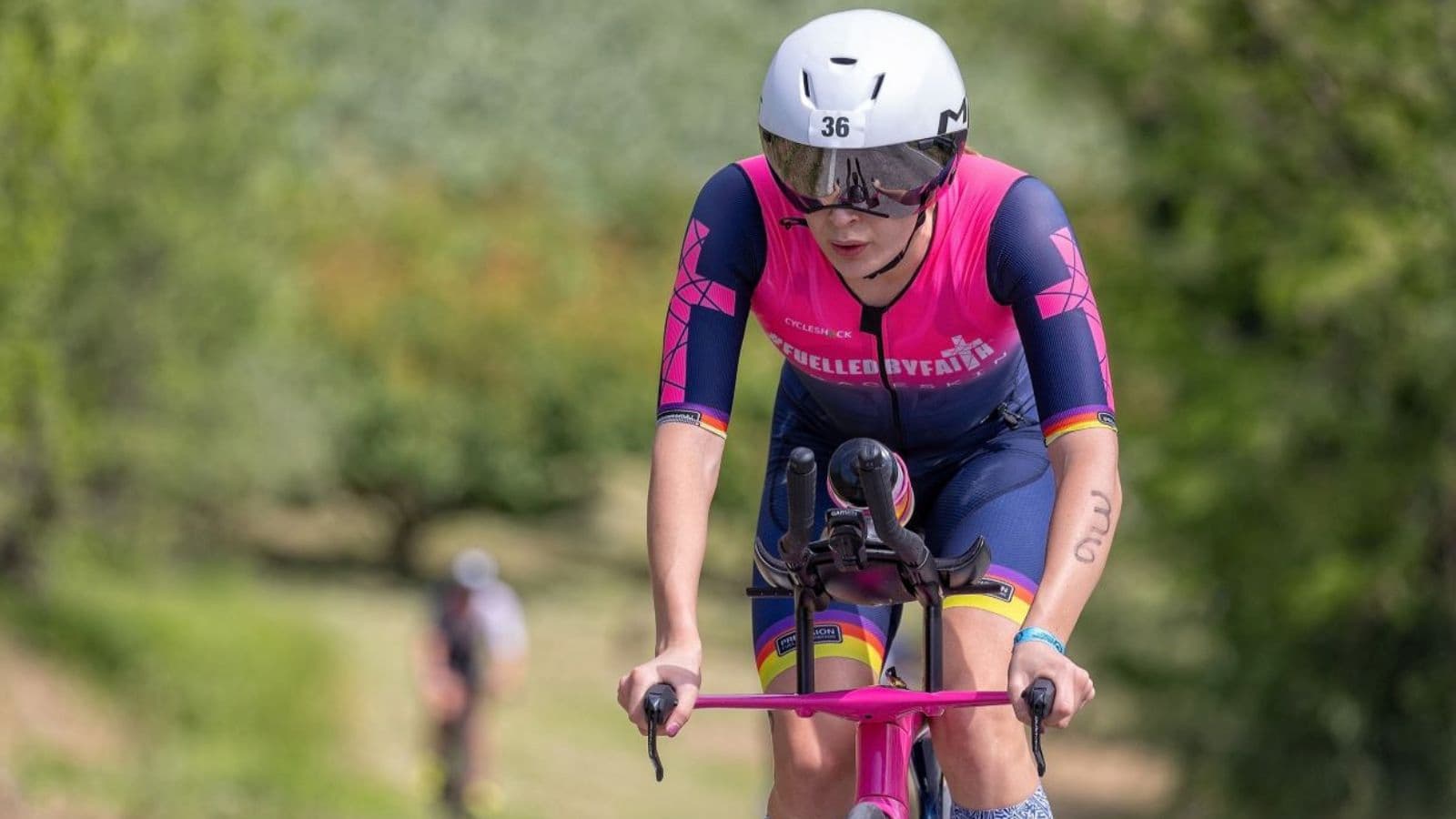
Both seated and standing climbing can be useful during a triathlon. Seated climbing generally allows a more consistent effort, while standing can provide temporary relief or help negotiate steeper gradients.
| Seated climbing | Standing climbing |
|---|---|
| Useful for sustained climbs | Useful for short steep sections |
| Supports steady pacing | Allows a change in muscle recruitment |
| Often easier to control power | Can increase power and effort |
| Suitable for longer climbs | Best used selectively |
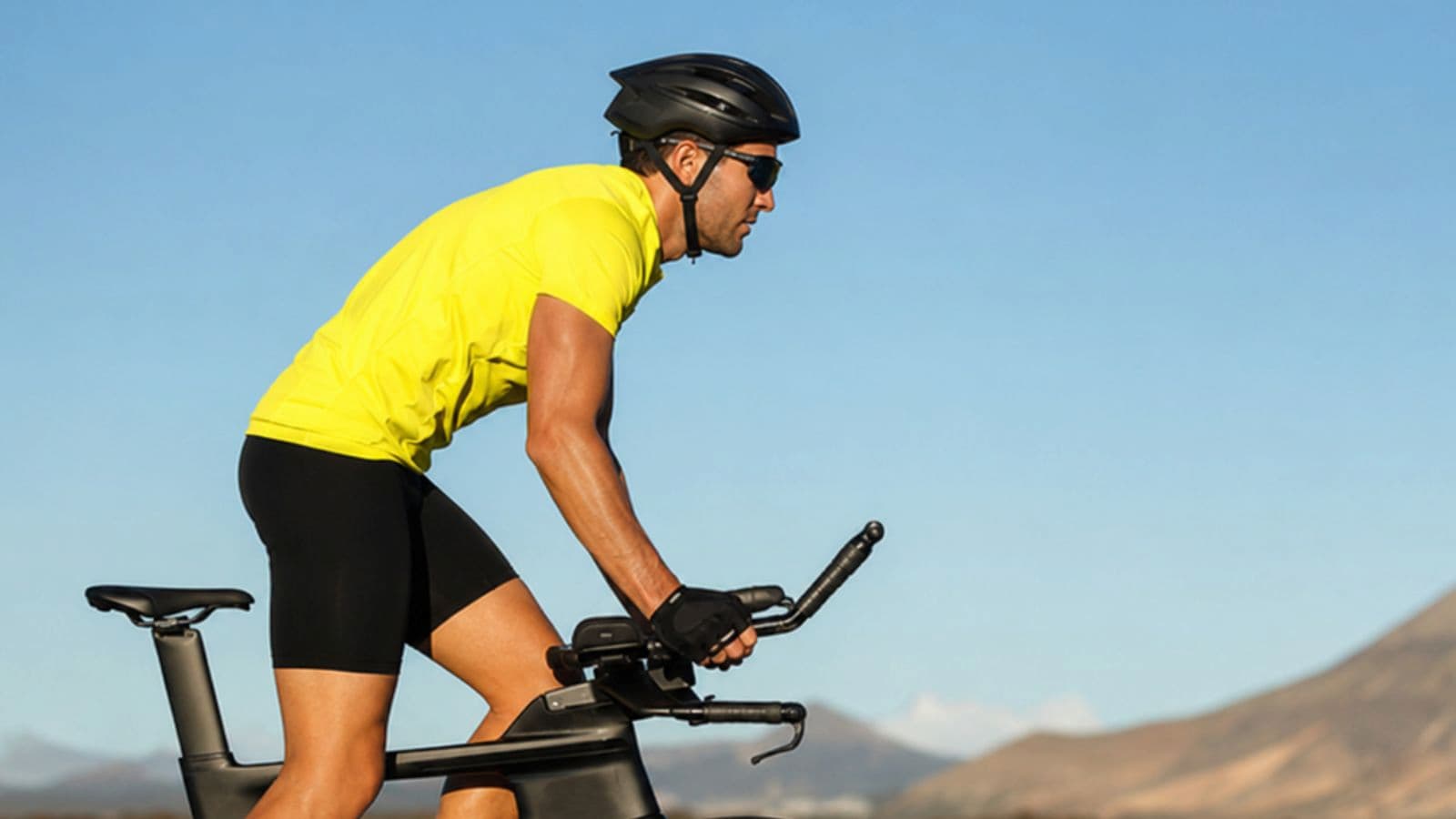
Understanding when should you climb seated vs standing on a bike can help triathletes choose the appropriate technique. Avoid standing and accelerating aggressively whenever the road becomes steeper.
Use Descents Without Wasting Energy
Descents provide opportunities to reduce pedaling effort and recover from climbing. However, chasing speed downhill can create unnecessary risk, especially on technical roads.
Focus on:
- Maintaining a controlled position.
- Braking before corners.
- Looking ahead.
- Avoiding unnecessary acceleration.
- Pedaling only when useful and safe.
Learning how can you improve downhill cycling in a triathlon can help athletes descend more confidently. Safety should always take priority over gaining a few seconds.
Fuel Before Fatigue Develops
Hilly courses can increase energy demands, particularly when repeated climbs require higher power. Waiting until you feel exhausted before fueling can compromise both cycling and running performance.
Practical habits include:
- Starting the bike leg adequately fueled.
- Consuming carbohydrates regularly.
- Drinking according to conditions and individual needs.
- Practicing race nutrition during training.
- Using easier terrain to eat and drink safely.
Understanding how to pace and fuel the bike leg in a triathlon can help athletes coordinate nutrition with pacing. For longer events, many athletes aim for approximately 60–90 grams of carbohydrate per hour when trained to tolerate it, although individual requirements vary.
Adjust Your Strategy to Race Distance
The longer the event, the more important it becomes to avoid excessive early effort.
| Race distance | Pacing priority |
|---|---|
| Sprint | Controlled but relatively high intensity |
| Olympic | Sustainable effort with limited surges |
| Half Ironman | Conservative climbing and consistent fueling |
| Ironman | Strong emphasis on energy conservation |
Your exact intensity should reflect fitness and race conditions. Understanding how to pace a triathlon properly can help athletes build a strategy that accounts for all three disciplines.
Practice Hilly Bike to Run Sessions
Training on hills helps athletes understand how different cycling efforts affect their running legs.
A useful practice session might include:
- 45–90 minutes of cycling on rolling terrain.
- Controlled climbing efforts.
- Comfortable cadence throughout.
- A short 10–20 minute transition run.
Keep the run easy initially and assess how your legs respond. Understanding how can you reduce fatigue during the triathlon run leg can help athletes develop better bike to run preparation. Avoid making every brick session excessively demanding.
Common Mistakes
- Attacking every climb.
- Trying to maintain flat road speed uphill.
- Grinding in excessively hard gears.
- Standing and sprinting unnecessarily.
- Neglecting fueling.
- Taking risks on descents.
- Ignoring the demands of the run.
Practical Tips
- Study the course elevation profile.
- Identify the longest climbs.
- Set realistic power or effort targets.
- Shift before steep gradients.
- Use descents for controlled recovery.
- Fuel consistently.
- Practice running after hilly rides.
Actionable Takeaways
- Keep climbing efforts controlled.
- Avoid unnecessary power surges.
- Maintain comfortable cadence.
- Use descents wisely.
- Save enough energy to run strongly.