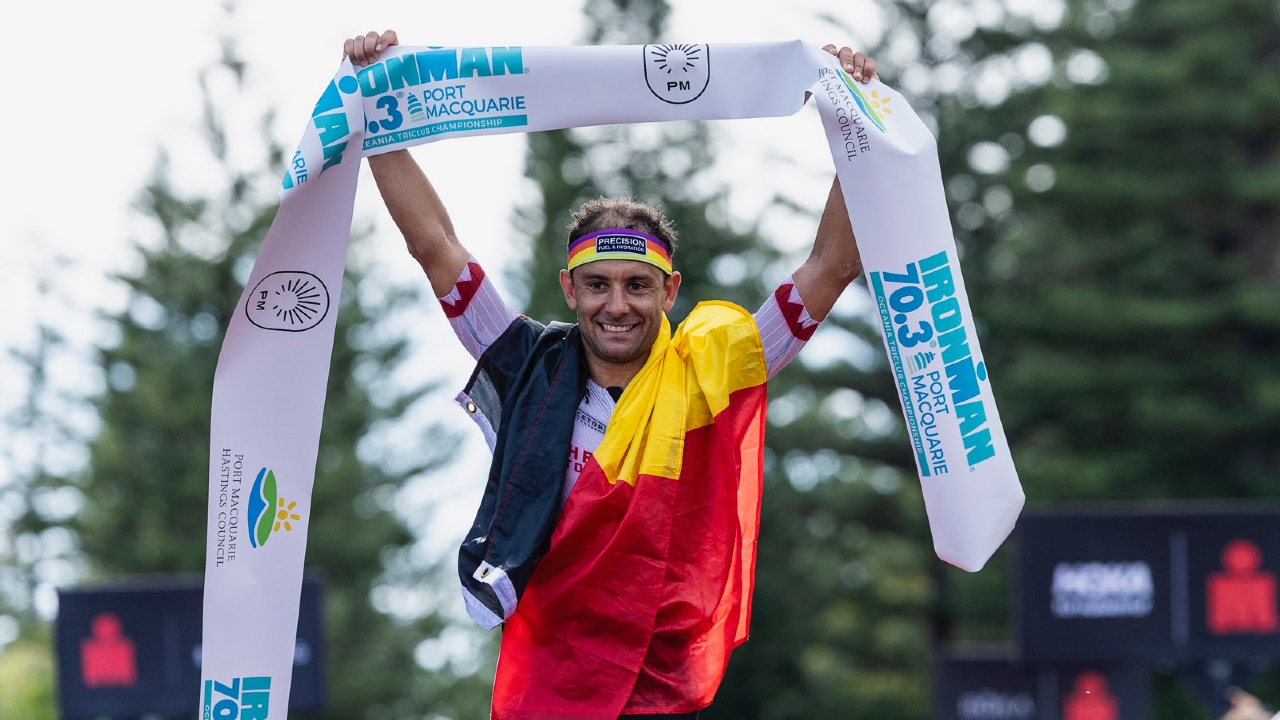


Elite triathletes don’t rely on physical fitness alone. While swimming, cycling, and running form the foundation of performance, mental preparation often determines how well athletes execute their fitness under pressure. Professional triathletes train their minds just as deliberately as they train their bodies. They develop routines to stay focused, manage setbacks, control emotions, and make smart decisions when races become physically and mentally demanding. The good news is that these mental skills are trainable. Age-group triathletes can adopt many of the same strategies to improve confidence, resilience, and consistency throughout training and racing.

They Focus on the Process
Professional athletes rarely obsess over race results every day.
Instead, they focus on:
- Completing quality sessions
- Executing the training plan
- Improving small details
- Building consistent habits
Athletes who understand free triathlon training plan for olympic triathlon know that long-term success comes from repeatedly doing the fundamentals well.
They Embrace Discomfort
Triathlon inevitably involves discomfort.
Rather than fearing it, professionals learn to accept:
- Fatigue
- Muscle soreness
- Difficult conditions
- Temporary setbacks
Viewing discomfort as a normal part of competition helps prevent panic when races become challenging.
They Prepare for Different Scenarios
Elite triathletes don’t assume every race will go perfectly.
They mentally rehearse situations such as:
- Rough swim starts
- Mechanical issues
- Poor weather
- Missed nutrition
- Difficult transitions
Preparing for problems before they happen allows athletes to respond calmly rather than emotionally.
They Stay Present
Professionals avoid thinking too far ahead during races.
Instead, they concentrate on:
- The next buoy
- The next climb
- The next kilometre
- The next aid station
Breaking races into smaller sections makes long events feel more manageable. Athletes who understand how can triathletes overcome the “dark place” during a race know that staying present often helps athletes navigate difficult moments more effectively.
They Practice Visualization
Many elite athletes regularly visualize races before they happen.
They imagine:
- Smooth swim starts
- Strong bike handling
- Controlled pacing
- Successful finishes
Visualization helps make race situations feel familiar before they actually occur.
They Don’t Fear Bad Days
Professional athletes know that poor sessions happen.
Instead of allowing one workout to define their confidence, they:
- Learn from mistakes
- Continue following the plan
- Focus on long-term progress
This mindset helps maintain consistency throughout the season.
They Control What They Can
Elite athletes understand that some variables remain outside their control.
Rather than worrying about competitors or weather, they focus on:
- Preparation
- Nutrition
- Pacing
- Execution
Athletes who understand how to adapt to a triathlon training plan while traveling know that flexibility often produces better outcomes than trying to control every situation.
They Build Confidence Through Preparation
Confidence isn’t simply positive thinking.
Professional triathletes develop confidence by:
- Completing training
- Practicing skills
- Solving problems
- Building experience
Preparation reduces uncertainty on race day.
They Use Positive Self-Talk
The conversations athletes have with themselves matter.
Professionals replace negative thoughts with constructive reminders such as:
- Stay relaxed.
- Keep moving forward.
- Control your effort.
- Trust your training.
This helps maintain focus under pressure.
They Learn From Every Race
After competition, elite athletes evaluate:
- What worked well
- What needs improvement
- Lessons for future races
Athletes who understand what does modern recovery look like for triathletes know that reflection is an important part of recovery and future development. Every race becomes a learning opportunity.
They Don’t Depend on Motivation
Motivation naturally rises and falls.
Professionals rely more on:
- Discipline
- Routine
- Consistency
This allows them to continue progressing even when motivation is low.
They Accept That Perfection Doesn’t Exist
Very few races unfold exactly as planned.
Professionals expect:
- Small mistakes
- Unexpected challenges
- Changing conditions
Accepting imperfection reduces frustration during competition.
They Build Mental Resilience in Training
Mental strength isn’t developed only during races.
Professionals challenge themselves by:
- Completing difficult intervals
- Training in varied weather
- Finishing sessions when tired
- Maintaining focus during long workouts
These experiences prepare them for race-day adversity. Athletes who understand how can winter riding improve triathlon bike handling skills know that training in less-than-perfect conditions often develops both physical and mental resilience.
They Avoid Comparing Themselves Constantly
Professional athletes study competitors without allowing comparisons to undermine confidence.
Instead, they concentrate on:
- Personal improvement
- Individual strengths
- Their own race plan
Comparison rarely improves performance.
They Balance Confidence With Humility
Elite triathletes believe in their preparation while remaining willing to learn.
They continually seek improvements in:
- Technique
- Recovery
- Pacing
- Decision-making
This growth mindset supports long-term success.
They Recover Mentally as Well as Physically
Mental fatigue deserves attention too.
Professionals include time for:
- Family
- Hobbies
- Relaxation
- Time away from structured training
Athletes who understand how can triathletes cope with a loss of identity after race season know that maintaining perspective supports both wellbeing and long-term performance.
They Trust Experience Over Perfection
Professional triathletes use technology, but they don’t let it dictate every decision.
They combine:
- Data
- Experience
- Physical sensations
- Race awareness
Athletes who understand relying on training data know that learning to trust perceived effort is a valuable mental skill, particularly when race conditions differ from expectations.
Common Mental Mistakes
Many triathletes:
- Focus only on outcomes
- Fear discomfort
- Compare themselves constantly
- Panic after setbacks
- Depend entirely on motivation
- Ignore mental recovery
- Chase perfection
- Lose focus on the present moment
Recognizing these habits is the first step toward improving mental performance.
How to Develop a Professional Mindset?
Triathletes can strengthen their mental game by:
- Following consistent routines
- Practicing visualization
- Building confidence through preparation
- Staying present during races
- Using constructive self-talk
- Learning from setbacks
- Accepting discomfort
- Prioritizing mental recovery alongside physical recovery
Professional triathletes understand that mental strength isn’t something athletes either have or don’t have. It is developed through daily habits, consistent preparation, and experience. By training the mind with the same commitment as the body, triathletes at every level can improve confidence, decision-making, resilience, and race-day performance.