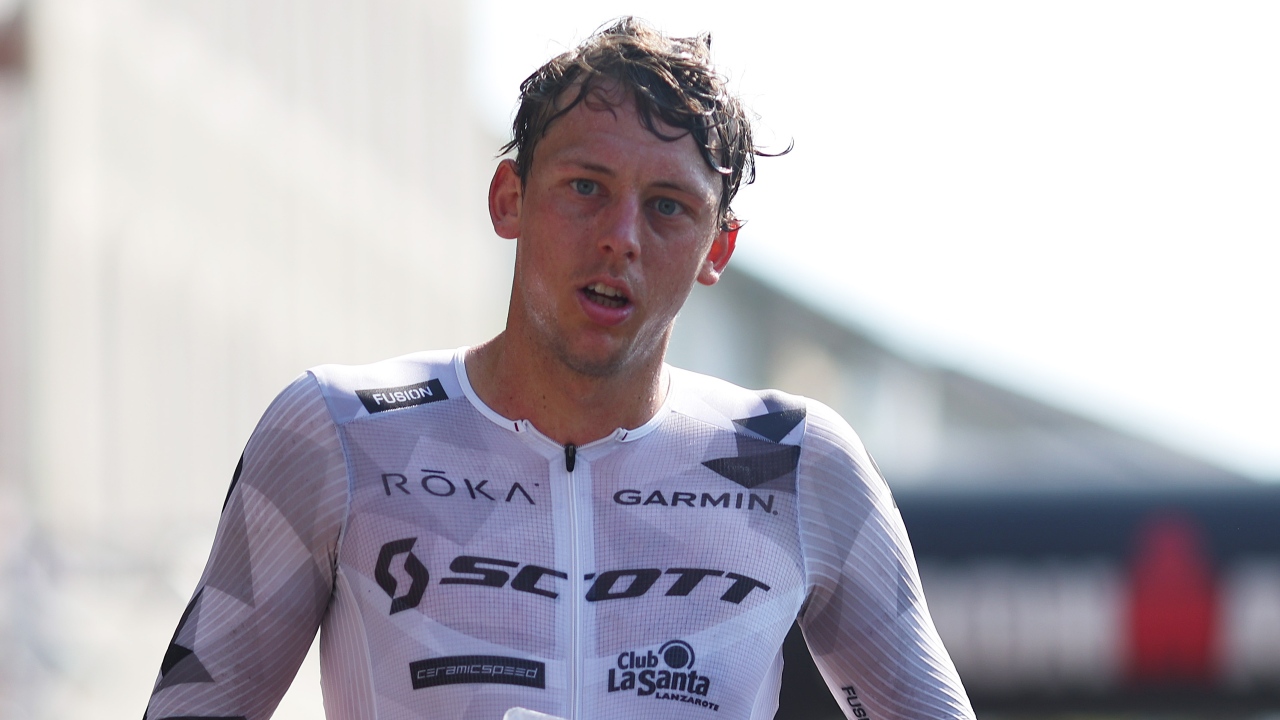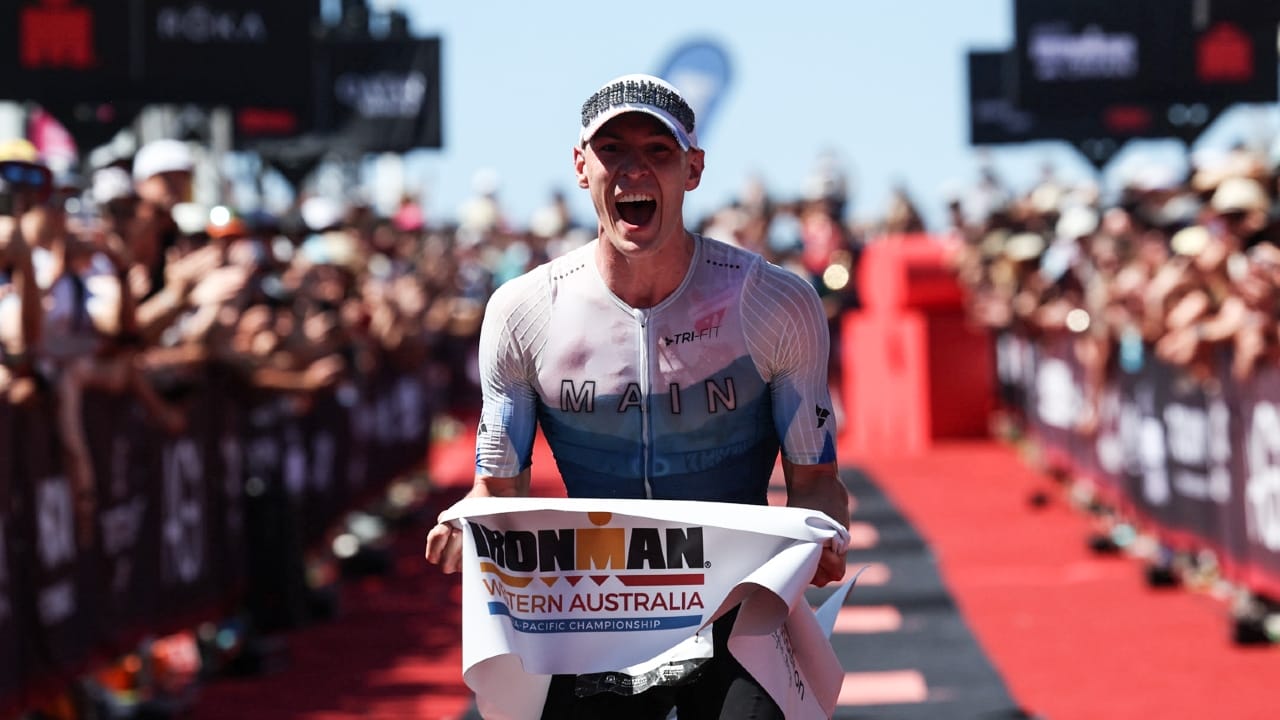


Triathletes should sometimes train faster than race pace because controlled high intensity workouts can improve speed, aerobic fitness, and the ability to sustain challenging efforts. However, faster training should represent only part of a balanced program. Most sessions should remain comfortable enough to support endurance development and recovery. Race pace varies considerably between sprint, Olympic, middle distance, and Ironman triathlons. An intensity that is faster than Ironman race pace may still be relatively easy for an experienced athlete, while exceeding sprint race pace can require substantial effort. Faster workouts create useful training adaptations, but they also produce fatigue. Completing too many demanding sessions can interfere with swimming, cycling, and running consistency.
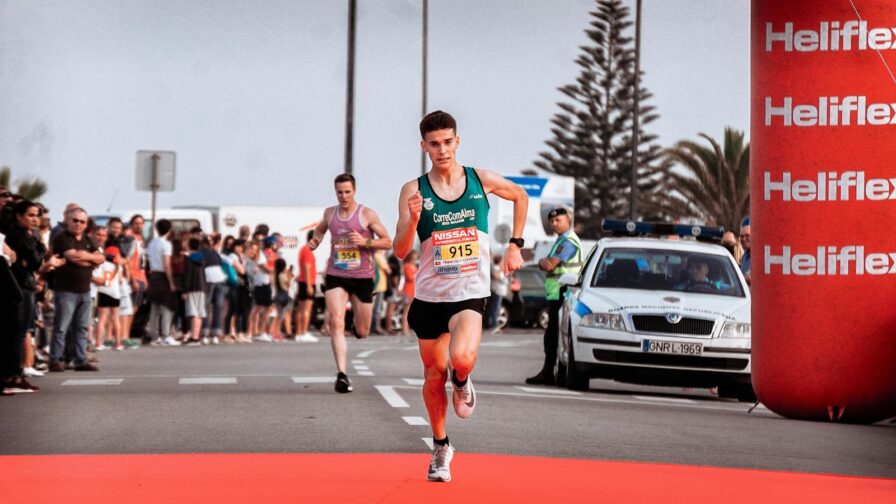
The goal is to use faster efforts strategically rather than make every workout a test of fitness. Beginners and experienced triathletes can benefit from appropriate intensity when it matches their race goals, training history, and recovery capacity.
In Short
- Faster than race pace training can improve speed and aerobic fitness.
- Workout intensity should reflect race distance.
- Short intervals are often more manageable than continuous hard efforts.
- Easy training remains essential.
- Swimming, cycling, and running require different approaches.
- Faster workouts should not compromise recovery.
- Race pace practice is still important.
- Consistency matters more than frequent maximum efforts.
What Does Faster Than Race Pace Mean?
Faster than race pace means exercising at a speed or intensity above what you expect to sustain during competition. For swimming and running, athletes often compare pace directly. Cyclists may use power output, heart rate, or perceived effort because speed changes with wind, terrain, and road conditions. Understanding how to pace a triathlon properly can help athletes identify realistic race intensities before selecting faster workouts. Race pace should reflect the demands of the complete event, not an isolated swim, bike, or run performance.
Faster Training Can Improve Performance
Faster intervals can challenge the cardiovascular system and develop the ability to produce higher efforts. Depending on the workout, they may improve aerobic power, movement efficiency, and tolerance for sustained intensity.
Potential benefits include:
- Developing speed.
- Improving aerobic capacity.
- Practicing efficient technique at higher effort.
- Increasing confidence.
- Making intended race pace feel more manageable.
However, improvements depend on appropriate training progression.
Faster is not automatically better.
How Does Race Distance Affect Faster Training?
The relative intensity of race pace decreases as event duration increases.
| Race distance | Faster training emphasis |
|---|---|
| Sprint | Short, challenging intervals and race speed |
| Olympic | Intervals and sustained tempo efforts |
| Ironman 70.3 | Controlled intensity alongside endurance |
| Ironman | Primarily aerobic endurance with selected faster sessions |
An Ironman athlete can benefit from workouts above expected race intensity without needing frequent maximum effort sessions. Understanding how should cycling workouts change for different race distances can help athletes adapt workout intensity to event demands.
Should Triathletes Swim Faster Than Race Pace?
Yes. Short, controlled swimming intervals can develop speed and technique. However, swimming faster should not involve sacrificing body position or stroke efficiency.
An example session includes:
- Warm up with easy swimming.
- Swim six repetitions of 100 meters faster than intended race pace.
- Recover comfortably between repetitions.
- Finish with easy swimming.
Understanding how to increase triathlon swim speed can help athletes develop faster swimming without relying exclusively on harder efforts.
Maintain controlled breathing and consistent technique.
Triathletes Should Cycle Above Race Intensity
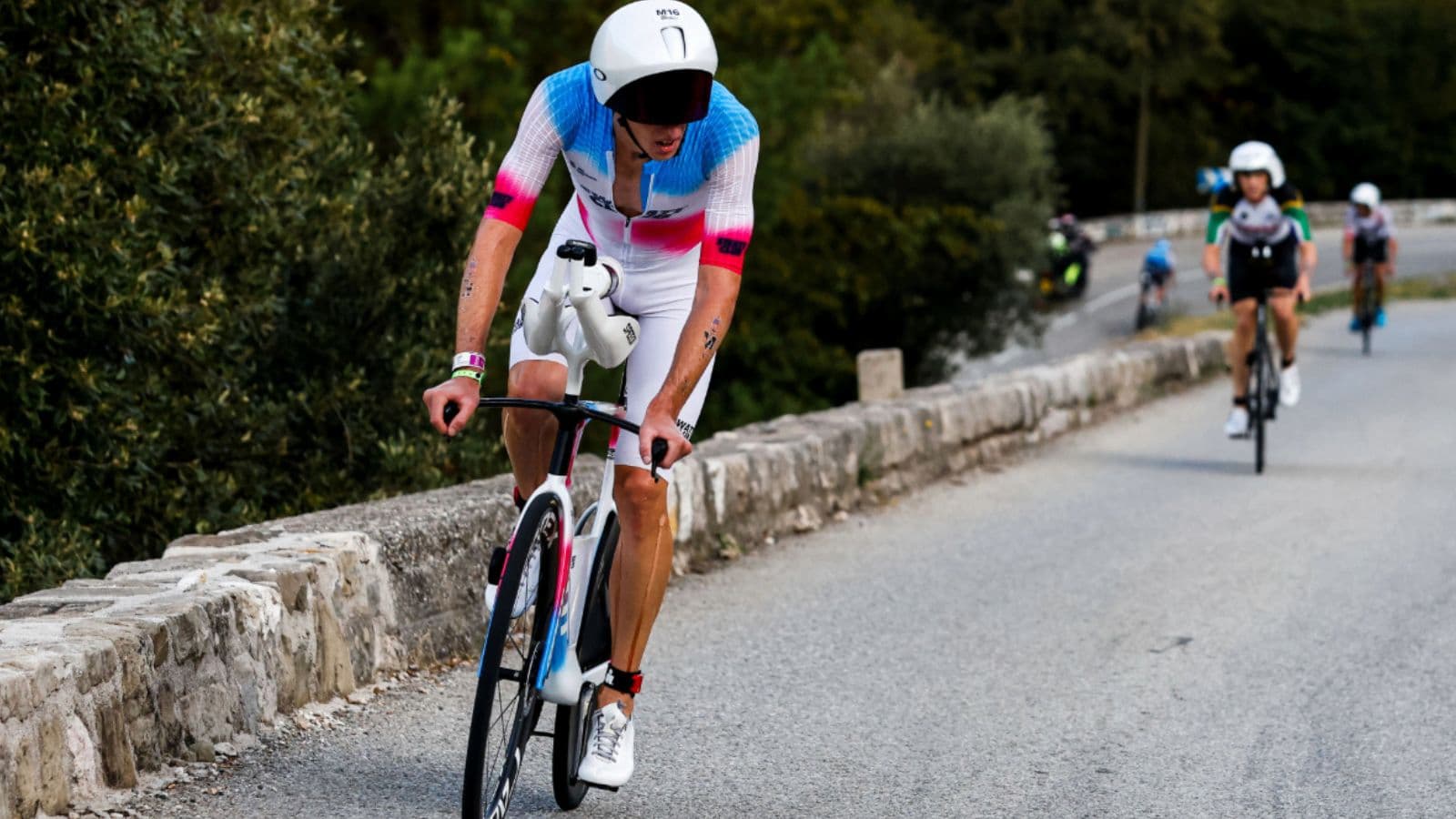
Cycling intervals above race intensity can improve aerobic power and the ability to handle changes in terrain. For example, athletes might complete several three minute efforts at a challenging intensity with easy recovery. Understanding how can interval training improve triathlon cycling speed can help athletes choose suitable interval sessions. Power output can provide a useful intensity reference, particularly on indoor trainers. Avoid performing every cycling workout above race intensity, especially during heavy running weeks.
Should Triathletes Run Faster Than Race Pace?
Running faster than race pace can develop speed and improve comfort at higher intensities. However, running creates substantial mechanical loading, so demanding sessions require careful progression.
A practical workout might include:
- Ten minutes of easy running.
- Five repetitions of two minutes faster than intended race pace.
- Two minutes of easy jogging between repetitions.
- Ten minutes of cooling down.
Understanding how to increase running speed without overtraining can help athletes balance faster sessions with adequate recovery. For beginners, shorter efforts and fewer repetitions may be appropriate.
Why Is Easy Training Still Important?
Easy sessions support aerobic development while limiting fatigue. They also allow triathletes to complete training across three disciplines without making every workout demanding. Understanding what is zone 2 training in triathlon can help athletes recognize the role of comfortable aerobic exercise. Faster sessions should complement easy training rather than replace it.
How Often Should Triathletes Train Faster?
The appropriate frequency depends on experience, total workload, and race preparation. Many recreational triathletes benefit from one or two demanding sessions across their weekly program, although some experienced athletes can manage more. Understanding how should triathletes balance easy and hard training can help athletes distribute intensity sensibly. Avoid adding:
- Hard swimming
- Cycling
- Running workouts
- simply because each discipline has its own training plan.
Consider the combined fatigue of all sessions.
Practice Race Pace Alongside Faster Workouts
Training above race pace develops certain fitness qualities, but athletes also need to practice sustainable competition intensity. Race pace workouts help establish pacing judgment and confidence. Understanding how to avoid blowing up in a triathlon can help athletes recognize why controlling early effort matters. Include sessions that simulate expected race demands, especially during the final preparation period.
Recognize When Faster Training Becomes Excessive
Frequent high intensity training can produce fatigue that affects performance and recovery.
Warning signs include:
- Declining workout quality.
- Persistent soreness.
- Unusual tiredness.
- Poor sleep.
- Reduced motivation.
- Difficulty maintaining familiar training efforts.
Understanding how can heart rate help detect overtraining can help athletes interpret heart rate changes alongside other recovery indicators. No single metric can reliably diagnose overtraining. Persistent symptoms deserve appropriate assessment.
Common Mistakes
- Running every workout faster than race pace.
- Ignoring accumulated fatigue.
- Using unrealistic race pace targets.
- Sacrificing swimming technique for speed.
- Neglecting endurance training.
- Increasing intensity too quickly.
- Scheduling demanding sessions too closely.
- Treating maximum effort as the goal of every interval.
Practical Tips
- Establish a realistic race pace.
- Keep most training comfortable.
- Introduce faster intervals gradually.
- Use controlled recovery periods.
- Maintain good technique.
- Adjust intensity for race distance.
- Monitor fatigue across all disciplines.
- Practice race pace regularly.
- Reduce intensity when recovery is inadequate.
Actionable Takeaways
- Train faster than race pace selectively.
- Match intensity to your race distance.
- Keep easy workouts genuinely easy.
- Practice sustainable race effort.
- Prioritize recovery and consistency.