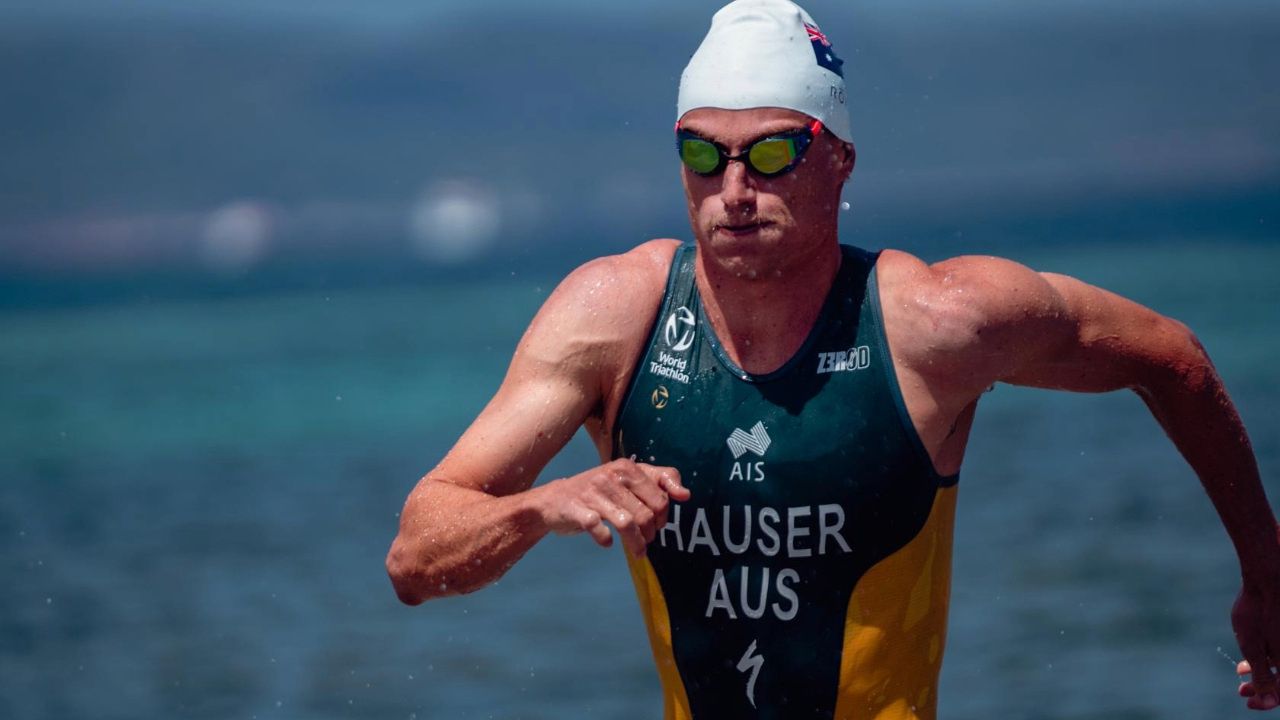


One of the biggest challenges beginner and intermediate triathletes face in the water is keeping their legs near the surface. Instead of gliding efficiently through the water, many swimmers feel as though their legs are dragging behind them like an anchor. This is commonly known as “sinky legs.” Sinky legs increase drag, waste energy, and make swimming feel much harder than it should. Fortunately, this problem is rarely caused by poor fitness alone. More often, it results from technique, body position, breathing habits, and core control. By understanding why sinky legs occur, triathletes can make small technical adjustments that significantly improve swimming efficiency and conserve valuable energy for the bike and run.
What Are Sinky Legs?
Sinky legs occur when a swimmer’s hips and legs sit lower than the rest of the body instead of remaining close to the water’s surface.
This creates:
- Increased drag
- Slower swimming speeds
- Greater energy expenditure
- Poor body alignment
Rather than moving forward efficiently, swimmers spend extra energy overcoming water resistance.
Poor Body Position
The most common cause of sinky legs is poor body position. When the head, hips, and legs are not aligned, the lower body naturally drops. Athletes who understand why is a level body position important for triathlon swimming know that maintaining a streamlined position is one of the biggest contributors to efficient swimming. A flatter body position reduces drag considerably.
Looking Too Far Forward
Many triathletes swim with their head lifted too high.
Looking forward causes:
- The head to rise
- The hips to sink
- The legs to drop
Instead, keep your eyes directed slightly downward while maintaining a relaxed neck. This helps the entire body remain more horizontal.
Weak Core Engagement
Swimming is not just about arm strength.
A stable core helps connect:
- Upper body
- Hips
- Legs
Without good core engagement, the lower body often trails behind. Core stability allows swimmers to transfer force more effectively through the water.
Poor Breathing Technique
Breathing incorrectly can disturb body position.
Common mistakes include:
- Lifting the head
- Holding the breath
- Rotating excessively
Athletes who understand swim tip: coordinate your breathing with your stroke know that smooth breathing helps maintain rhythm and body alignment. Good breathing minimizes unnecessary movement.
Limited Hip Rotation
Efficient freestyle involves controlled body rotation.
Without proper rotation:
- Stroke efficiency decreases
- Balance suffers
- Legs often sink
Rotation should come from the hips and torso rather than excessive shoulder movement.
Kicking From the Knees
Many beginners bend their knees too much while kicking.
This creates:
- Extra drag
- Reduced propulsion
- Increased fatigue
Instead, kicks should originate primarily from the hips with relaxed ankles and only a slight bend at the knees.
Poor Balance in the Water
Swimming is largely about balance rather than brute force.
Triathletes who feel unstable often compensate by:
- Lifting the head
- Overkicking
- Fighting the water
These reactions usually make sinky legs even worse.
Lack of Streamlining
Every unnecessary movement creates drag. Athletes who regularly practice pool drills to improve triathlon swim technique often develop better streamlining and body awareness. A streamlined position allows swimmers to move through the water with less resistance.
Tight Hip Flexors
Triathletes spend considerable time:
- Cycling
- Sitting at work
- Driving
Tight hip flexors can make it more difficult to maintain an extended body position in the water. Regular mobility work may improve posture and alignment.
Overkicking
Many swimmers believe kicking harder will lift the legs.
In reality, excessive kicking often:
- Wastes energy
- Raises heart rate
- Reduces efficiency
A relaxed, controlled kick usually produces better results during triathlon swimming.
Lack of Swimming-Specific Practice
Swimming efficiency develops through repetition. Athletes who primarily focus on cycling and running may struggle to maintain good body position simply because they lack sufficient swim-specific practice. Athletes who understand what skills help triathletes adapt to changing open water conditions know that confidence and technique improve through regular exposure to different swimming environments.
Poor Catch Mechanics
The front of the stroke influences the back of the body.
An ineffective catch often causes:
- Loss of balance
- Reduced propulsion
- Sinking hips
Good propulsion helps keep the body moving forward rather than downward.
Fatigue Changes Technique
As swimmers become tired, technique often deteriorates.
Common changes include:
- Shorter strokes
- Poor posture
- Reduced core engagement
Athletes who understand what are the real benefits of cold water swimming for triathletes know that efficient technique becomes even more important when environmental conditions increase physical demands.
Improve Body Awareness
Many swimmers simply don’t realize their legs are sinking.
Useful drills include:
- Side kicking
- Balance drills
- Streamline glides
- Pull buoy comparisons
These exercises help athletes recognize proper body position.
Build Swimming Efficiency
Correcting sinky legs isn’t about becoming stronger. It’s about becoming more efficient. Athletes who understand how do elite triathletes run fast after cycling know that conserving energy during one discipline benefits performance across the entire race. Swimming efficiently leaves more energy available for cycling and running.
Practice in Open Water
Pool swimming provides valuable technique practice, but open water introduces additional challenges. Athletes who understand how can triathletes reduce the risk of a swim cancellation on race day know that race-day conditions often require swimmers to maintain good body position despite waves, currents, and reduced visibility. Practicing in both environments develops versatility.
Don’t Chase Speed First
Many triathletes try to swim faster before improving technique.
Instead, prioritize:
- Balance
- Body position
- Streamlining
- Relaxation
Speed naturally improves as efficiency increases.
Common Mistakes That Cause Sinky Legs
Many triathletes:
- Lift their head too high
- Kick from the knees
- Neglect core engagement
- Hold their breath
- Overkick
- Ignore body alignment
- Skip technique drills
- Rush stroke development
Correcting even one or two of these habits can noticeably improve swimming efficiency.
How to Correct Sinky Legs?
Triathletes can improve body position by:
- Looking slightly downward
- Engaging the core
- Rotating smoothly
- Improving breathing technique
- Kicking from the hips
- Practicing balance drills
- Maintaining a streamlined position
- Swimming consistently with good technique
Sinky legs are one of the most common technical issues in triathlon swimming, but they are also one of the most fixable. By focusing on body position, balance, breathing, and efficiency rather than simply trying to swim harder, triathletes can reduce drag, conserve energy, and begin every race with a stronger, more economical swim.