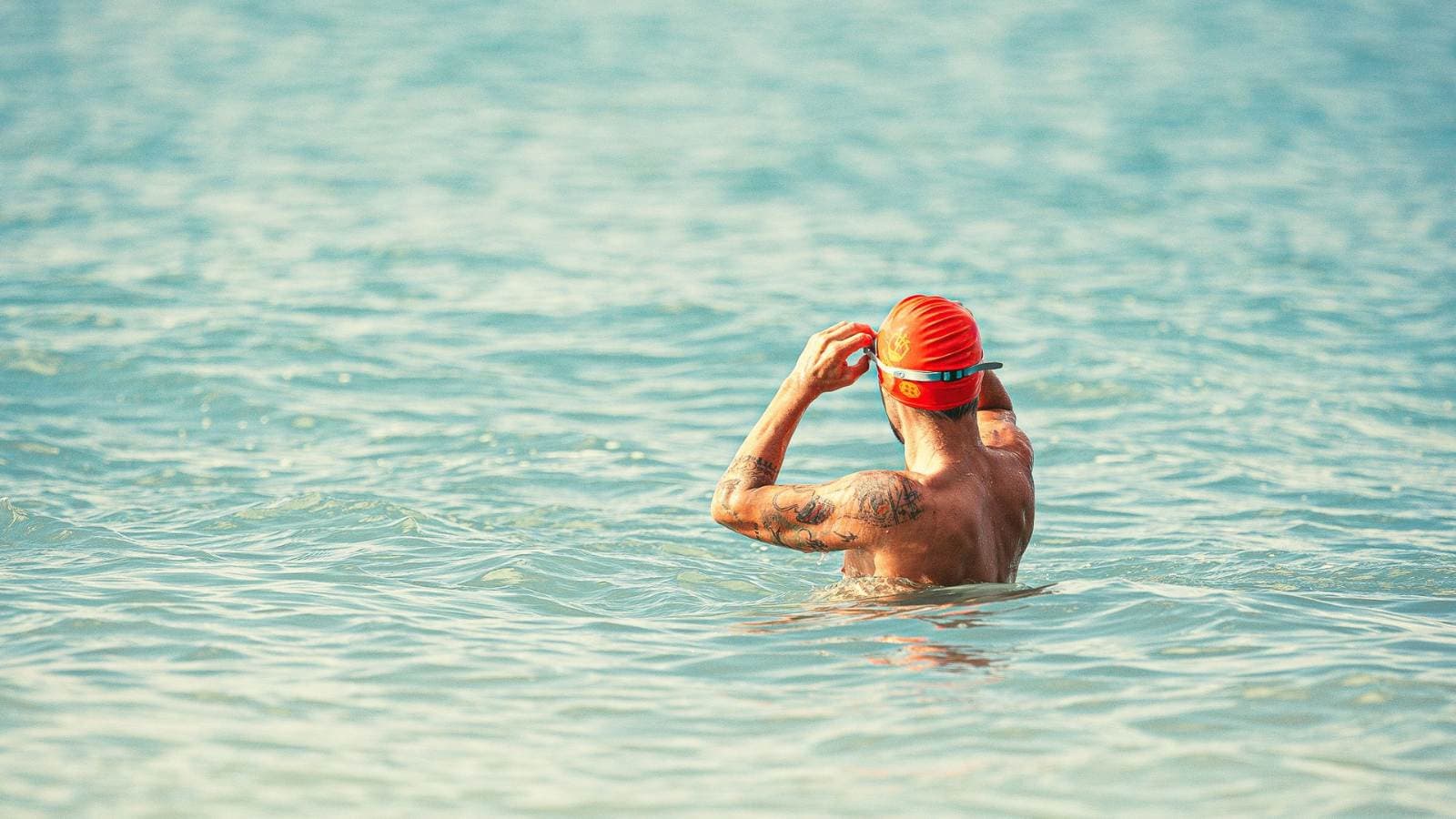


Itchy skin after swimming is common among triathletes and swimmers, especially after long pool sessions or open-water training. The irritation usually happens because swimming affects the skin barrier through:
- Chlorine exposure
- Dry skin
- Salt water
- Cold water
- Friction
- Allergic reactions
- Poor post-swim hygiene
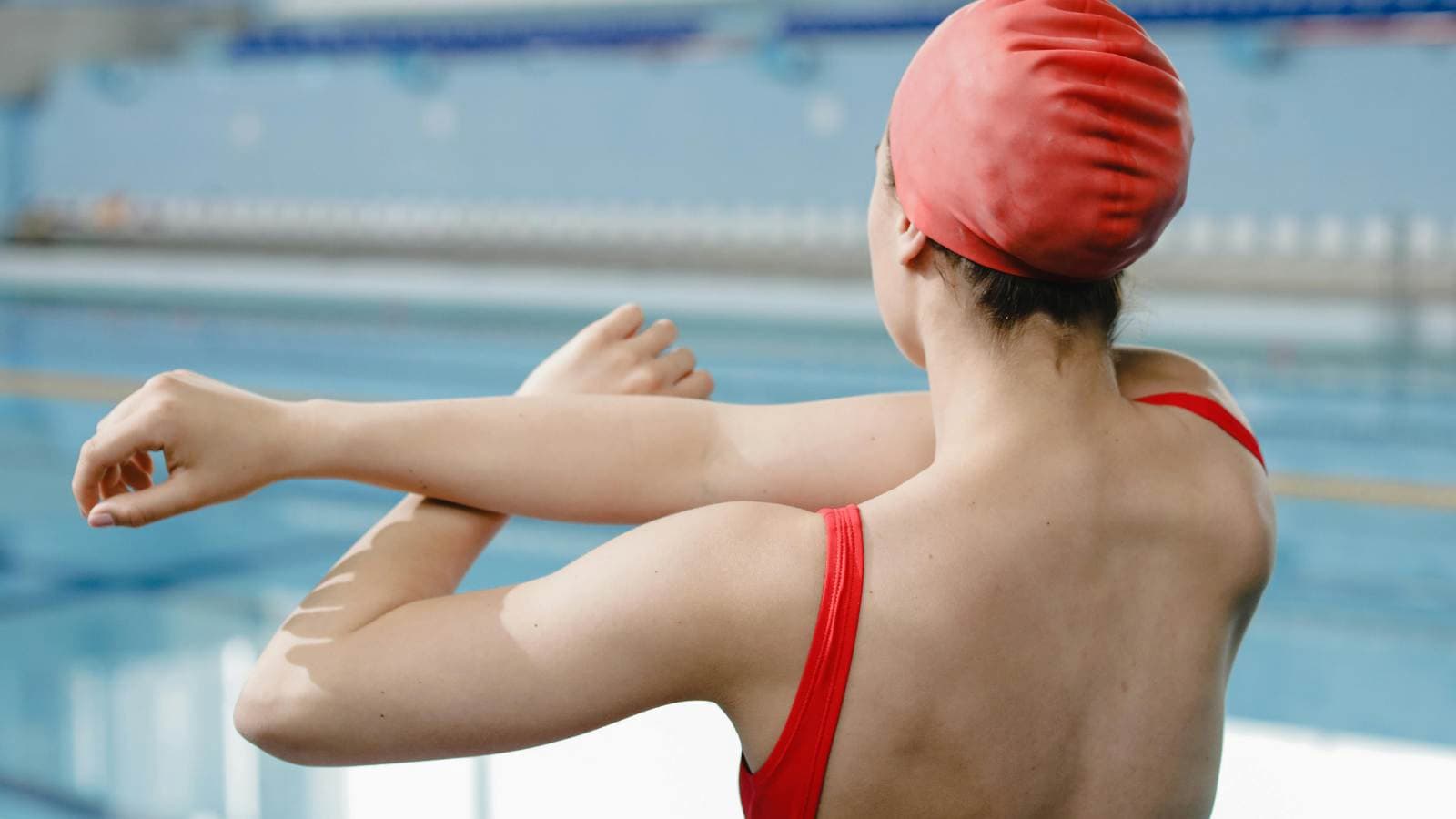
In most cases, itchy skin is temporary and manageable, but persistent irritation may signal:
- Chemical sensitivity
- Skin inflammation
- Eczema
- Swimmer’s itch
- Excessive dryness
The goal is identifying the cause early and reducing irritation before it affects swim consistency or comfort. This becomes especially important during larger training blocks discussed in structure triathlon race strategy from start to finish, where frequent swim sessions increase repeated skin exposure over time.
Chlorine Is the Most Common Cause
Pool chlorine is one of the biggest reasons swimmers develop itchy skin.
Chlorine helps disinfect pools, but it also strips away natural skin oils that protect:
- Moisture balance
- Skin barrier function
- Skin elasticity
Repeated exposure may cause:
- Dryness
- Tight skin
- Redness
- Mild rashes
- Itching after swimming
Some athletes become more sensitive after:
- Higher swim volume
- Double swim sessions
- Winter training
- Long indoor pool blocks
Triathletes improving consistency through how to recover faster after a triathlon often realise skin recovery matters alongside muscular recovery too.
Dry Skin Gets Worse After Swimming
Swimming naturally dries the skin because water exposure weakens the outer protective barrier temporarily.
This becomes worse when swimmers:
- Skip moisturising
- Shower excessively
- Swim multiple times daily
- Use hot water after training
Dry skin often feels:
- Tight
- Flaky
- Irritated
- Itchy after the skin cools down
Athletes with naturally dry skin may notice symptoms more aggressively during heavy swim training periods.
Salt Water Can Irritate Sensitive Skin
Open-water swimming in the ocean sometimes causes skin irritation because salt water:
- Draws moisture from the skin
- Dries sensitive areas
- Increases friction
- Irritates existing cuts or abrasions
Salt residue left on the body after swimming may continue irritating the skin for hours if not rinsed properly. Athletes training through how to swim in open water for triathlon often experience different skin reactions compared to pool swimming because environmental exposure changes significantly.
Cold Water Can Trigger Skin Reactions
Cold-water swimming sometimes causes:
- Tingling
- Red patches
- Temporary itching
- Histamine response
Rapid temperature changes affect:
- Blood circulation
- Nerve sensitivity
- Skin response
Some athletes experience mild cold-induced skin irritation after:
- Winter swims
- Ice baths
- Cold open-water sessions
This irritation usually improves once body temperature normalises again.
Friction and Wetsuits Can Cause Irritation
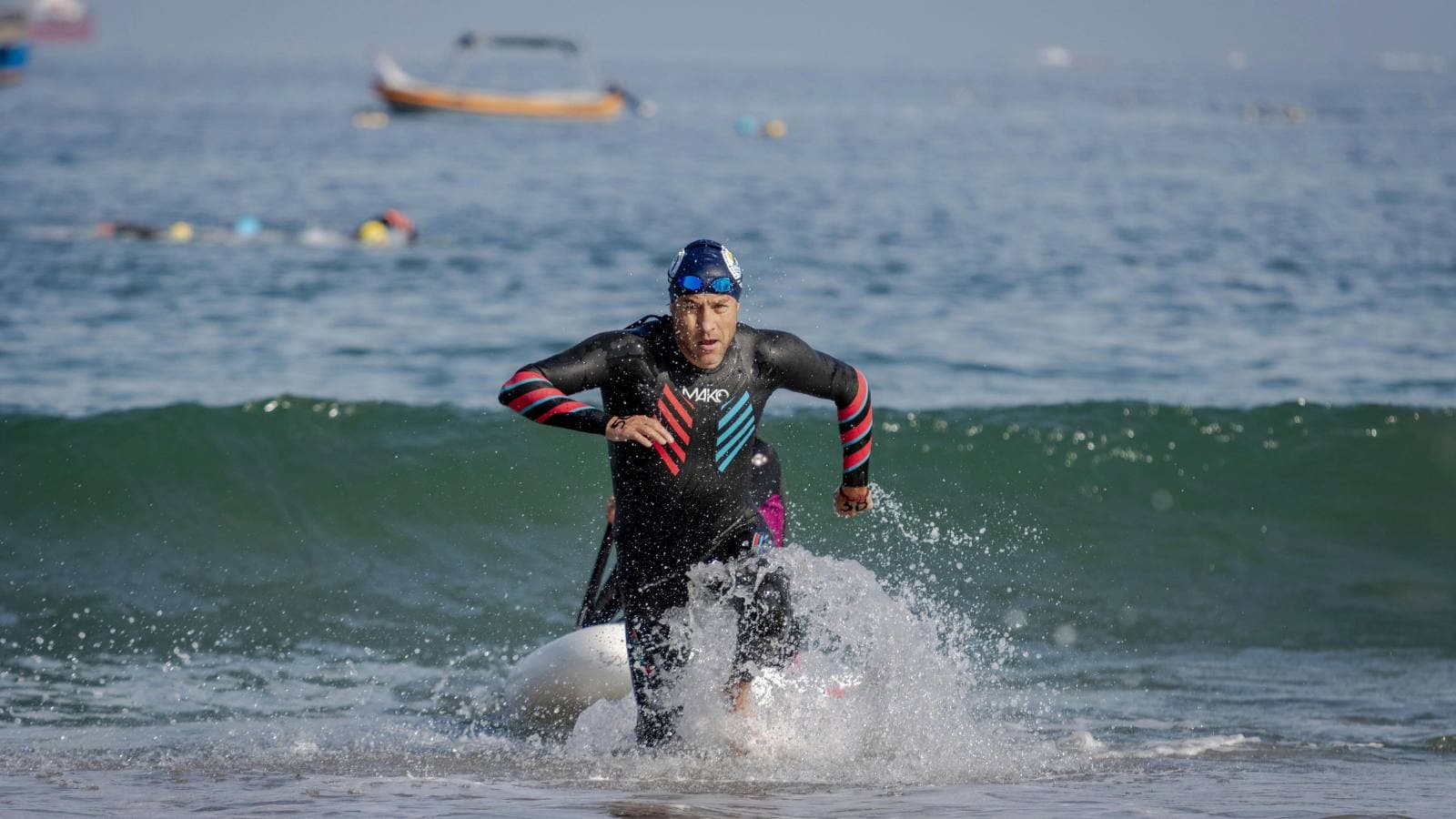
Triathlon wetsuits sometimes create itchy skin through:
- Rubbing
- Trapped moisture
- Salt buildup
- Tight seams
Common problem areas include:
- Neck
- Underarms
- Inner thighs
- Wrists
- Ankles
Long swim sessions increase repetitive friction significantly. Athletes improving through triathlon swimsuits that you need for open water swimming often discover that poorly fitted wetsuits contribute heavily to skin irritation and chafing problems.
Swimmer’s Itch Is Different from Chlorine Irritation
Swimmer’s itch is a skin reaction caused by tiny parasites found in some lakes and freshwater environments.
Symptoms commonly include:
- Red bumps
- Intense itching
- Rash-like irritation
- Small raised spots
This usually appears:
- Several hours after swimming
- More commonly in freshwater
- After shallow-water exposure
Unlike chlorine dryness, swimmer’s itch often creates visible bumps or rash patterns.
Hot Showers After Swimming Can Worsen Dryness
Many swimmers shower immediately with very hot water after training.
Hot water may further:
- Strip skin oils
- Increase dryness
- Irritate sensitive skin
- Worsen inflammation
Warm or lukewarm showers are usually better for maintaining skin moisture after swimming sessions.
Allergic Reactions Sometimes Develop
Some swimmers develop sensitivity to:
- Pool chemicals
- Cleaning agents
- Wetsuit materials
- Sunscreens
- Laundry detergents
This may cause:
- Persistent itching
- Red patches
- Hives
- Swelling
Symptoms that consistently worsen after swimming may require medical evaluation, especially if irritation becomes severe or widespread.
Pool Hygiene and Water Quality Matter
Poorly maintained pools sometimes increase skin irritation risk because:
- Chemical balance becomes inconsistent
- Chlorine concentration rises excessively
- Water contaminants increase
Strong chlorine smell often indicates poor pool chemistry rather than proper sanitation. Athletes swimming regularly during strength training may notice skin irritation increase during high-volume pool blocks if water quality fluctuates.
Sweat and Chlorine Together Increase Irritation
Many triathletes enter the pool immediately after:
- Running
- Cycling
- Strength sessions
Sweat mixing with chlorine may increase:
- Skin irritation
- Dryness
- Chemical sensitivity
Quick pre-swim rinsing sometimes helps reduce skin stress significantly.
Eczema Can Become Worse with Swimming
Athletes with eczema often experience:
- Increased itching
- Dry patches
- Inflammation
after frequent pool exposure.
However, swimming itself is not always the direct problem. Often the issue comes from:
- Chlorine residue
- Poor moisturising
- Excessive skin drying
Proper skincare routines usually help swimmers continue training comfortably.
Tight Clothing After Swimming Can Trap Irritation
Remaining in:
- Wet swimsuits
- Tight tri suits
- Damp clothing
after swimming may worsen:
- Skin irritation
- Friction
- Moisture buildup
Changing into dry clothing quickly often helps reduce prolonged irritation significantly.
Hydration Affects Skin Health Too
Dehydration affects:
- Skin elasticity
- Recovery
- Moisture retention
Heavy swim training combined with poor hydration may worsen:
- Dryness
- Sensitivity
- Itching
Athletes improving through electrolytes for triathletes often understand hydration affects recovery well beyond cycling performance alone.
Overwashing the Skin Can Make Things Worse
Some swimmers respond to itchy skin by:
- Scrubbing aggressively
- Using harsh soaps
- Showering repeatedly
This often removes even more protective oils and worsens dryness. Gentle skincare routines usually work better than aggressive cleaning.
Recovery and Sleep Influence Skin Health
Skin recovery is affected by:
- Sleep quality
- Stress
- Recovery balance
- Nutrition
Heavy training blocks combined with poor recovery may increase overall inflammation and skin sensitivity. Athletes improving through how much sleep does triathletes need to recover often notice recovery quality influences skin health and immune response too.
Nutrition Can Affect Skin Irritation
Some athletes experience greater skin sensitivity when:
- Recovery nutrition is poor
- Essential fats are low
- Overall inflammation increases
Balanced nutrition supports:
- Skin repair
- Barrier function
- Recovery quality
This becomes increasingly important during larger endurance training blocks. Proper fueling techniques are mandatory to avoid complications such as itchy skin.
Common Mistakes Swimmers Make
Many triathletes worsen itchy skin through avoidable habits.
Common mistakes include:
- Skipping post-swim rinsing
- Using very hot showers
- Wearing poorly fitted wetsuits
- Ignoring moisturising
- Staying in wet clothing too long
- Overwashing irritated skin
Simple recovery habits usually improve symptoms significantly.
Practical Ways to Reduce Itchy Skin After Swimming
Swimmers can reduce irritation by:
- Rinsing immediately after swimming
- Using moisturiser regularly
- Wearing properly fitted wetsuits
- Avoiding excessively hot showers
- Hydrating consistently
- Changing out of wet clothing quickly
- Monitoring pool exposure
- Using gentle skincare products
The best prevention strategies focus on protecting the skin barrier while maintaining consistent swim training.