

Choosing the right free triathlon training plan determines how effectively you train, recover, and perform on race day. Not all plans are equal, some are too generic, others too advanced. The goal is to select a plan that matches your current fitness, race distance, and available time so you can progress consistently without burnout.

What a Good Triathlon Training Plan Actually Includes?
A structured triathlon plan balances swim, bike, and run while managing fatigue and progression. It should include a mix of endurance sessions, technique work, and recovery. Most effective plans follow a phased structure, building base fitness, increasing intensity, and tapering before race day.
Without structure, training becomes inconsistent and less effective.
Why Choosing the Right Plan Matters?
- Following a structured plan provides clarity, progression, and consistency.
- It removes guesswork and ensures all three disciplines are trained effectively.
- Well-designed plans also reduce injury risk by managing training load.
- A poor plan can lead to fatigue, imbalance, or undertraining.
Match the Plan to Your Race Distance
- Different triathlon distances require different training approaches.
- Sprint races focus on shorter, higher-intensity efforts.
- Olympic distance requires more endurance and pacing control.
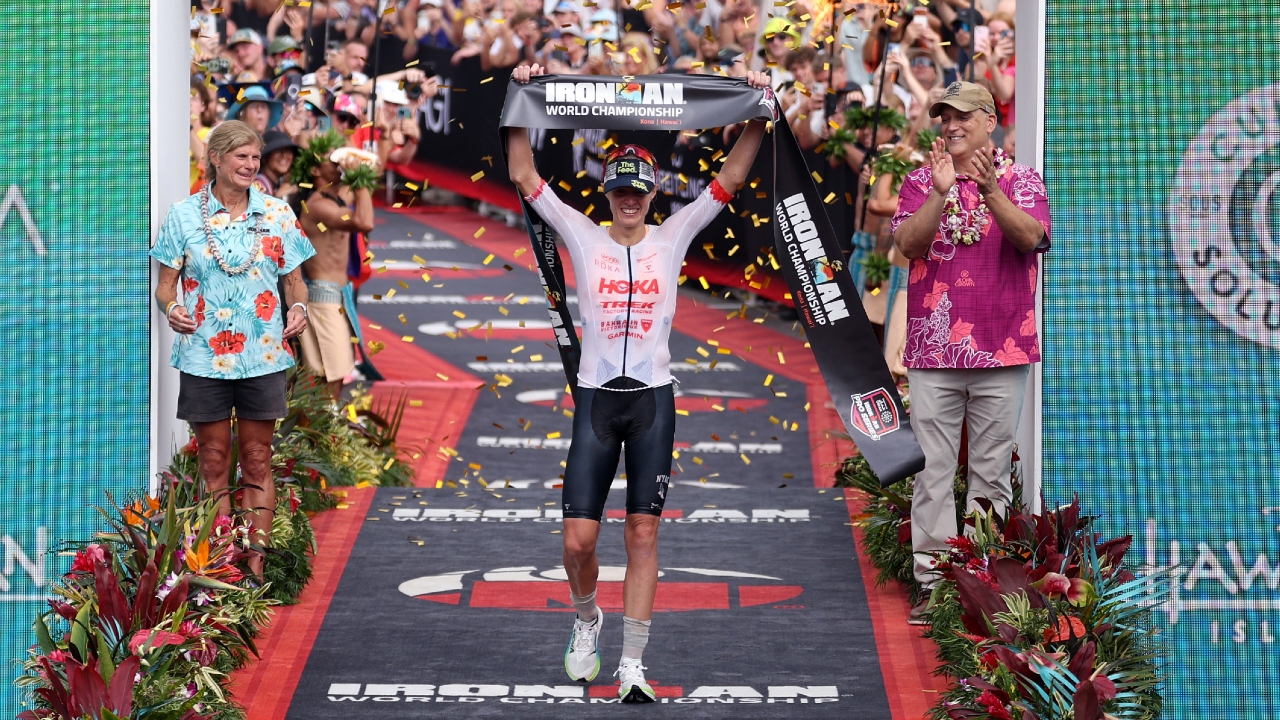
- Ironman demands long-duration endurance and structured progression.
- Distances vary significantly, from shorter formats to long-distance events like Ironman, which combine swim, bike, and run over extended durations.
- Choosing a plan specific to your race distance ensures your training matches the demands of the event.
Choose Based on Your Experience Level
- Beginner, intermediate, and advanced plans are designed differently.
- Beginners need simpler structure and gradual progression.
- Intermediate athletes require more volume and intensity.
- Advanced plans include higher workload and more complex sessions.
- Selecting the wrong level often leads to either undertraining or overload.
Consider Your Weekly Time Availability
- Training plans must fit your schedule.
- Sprint plans may require fewer hours per week, while longer distances demand significantly more time.
- For example, shorter distances may require a few hours weekly, while long-distance training can require much higher weekly volume. A plan that does not fit your schedule will not be sustainable.
Look for Balanced Swim, Bike, Run Structure
- A good plan distributes training across all three disciplines.
- Neglecting one discipline creates performance gaps.
- Balanced plans include multiple sessions per discipline each week.
- This ensures overall development rather than focusing on one area.
Ensure Progressive Overload
- Progression is key to improvement.
- A good plan gradually increases volume and intensity over time.
- Sudden increases lead to fatigue and injury risk.
- Controlled progression allows the body to adapt safely.
Check for Brick Workouts
- Brick sessions combine cycling and running.
- They are essential for race preparation.
- These workouts train your body to transition between disciplines.
- Plans that include bricks better prepare you for race-day demands.
Recovery and Rest Days
- Recovery is a core part of any effective plan.
- Rest days allow the body to repair and adapt.
- Without recovery, fatigue accumulates and performance declines.
- A well-structured plan includes both active and passive recovery.
Specific Guidance for Each Distance
Sprint Triathlon Plans
- Sprint plans are shorter and more accessible.
- They focus on building basic endurance and confidence across disciplines.
- Ideal for beginners or those new to triathlon.
Olympic Distance Plans
- Olympic plans require more structure and endurance.
- They include longer sessions and more focus on pacing.
- These plans bridge the gap between beginner and long-distance racing.
Ironman Training Plans
- Ironman plans are highly structured and long-term.
- They focus on endurance, pacing, and fueling strategies.
- Training volume is significantly higher than shorter distances.
Understanding how long-distance training works becomes clearer when aligned with how to train for ironman triathlon, where consistency and progression are essential.
Check for Flexibility and Adaptability
- A good training plan should allow adjustments.
- Life, fatigue, and unexpected events affect training consistency.
- Flexible plans help maintain progress without causing stress.
- Rigid plans often lead to missed sessions or burnout.
Avoid Generic One Size Plans
- Free plans can sometimes be too generic.
- They may not account for individual fitness, schedule, or goals.
- Look for plans that provide guidance on adjusting intensity and volume.
- Personalisation improves effectiveness and consistency.
Test and Adjust During Training
- No plan works perfectly from the start.
- Monitoring how your body responds is essential.
- Adjusting sessions based on fatigue and performance improves results.
- Training should evolve with your progress.
This approach aligns with best triathlon races for beginners, where adaptability improves long-term performance.
Common Mistakes
- Choosing a plan that is too advanced leads to fatigue and injury.
- Selecting a plan that is too easy limits progress.
- Ignoring recovery reduces training effectiveness.
- Not matching the plan to your schedule causes inconsistency.
- Following a plan without adjustment limits improvement.
Practical Checklist
- Match the plan to your race distance
- Choose the right experience level
- Ensure it fits your schedule
- Look for balanced swim bike run sessions
- Include recovery and progression
- Test and adjust during training
What You Should Do?
- Start by defining your race distance and current fitness level.
- Choose a plan that fits your schedule and allows consistent training.
- Focus on progression and recovery rather than intensity.
- Adjust the plan as needed based on how your body responds.
- The best plan is not the most complex, it is the one you can follow consistently.