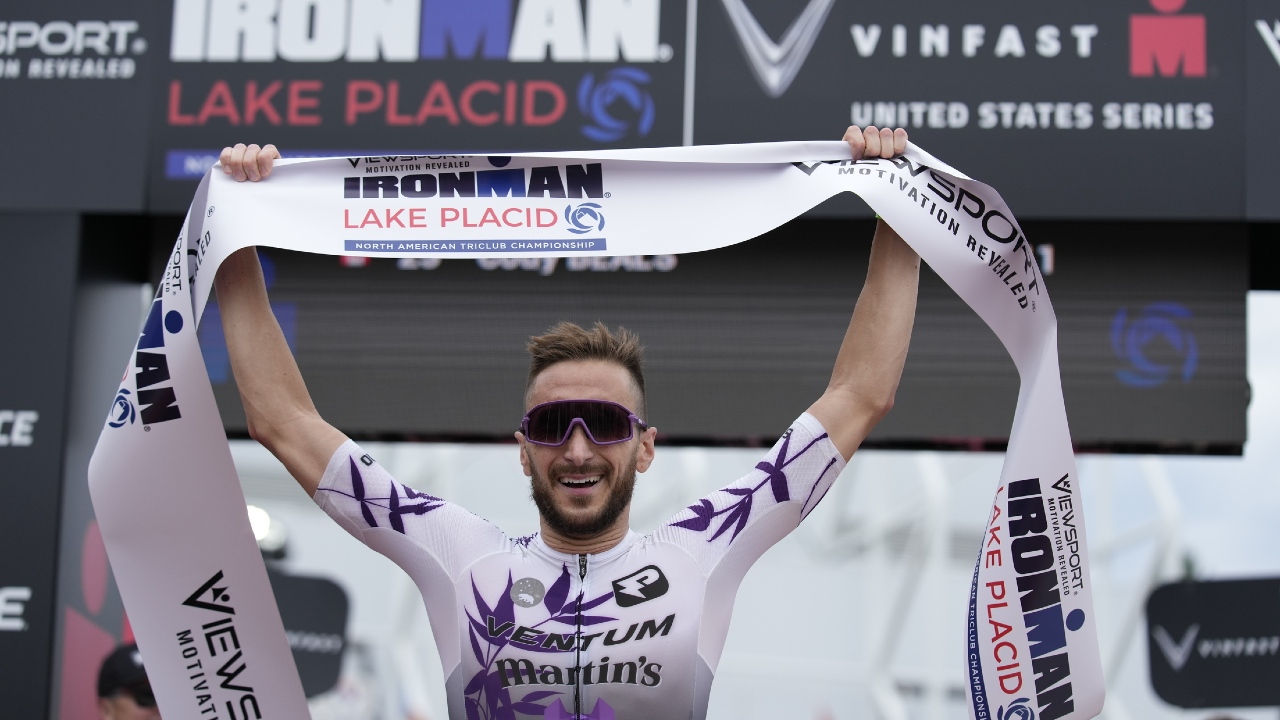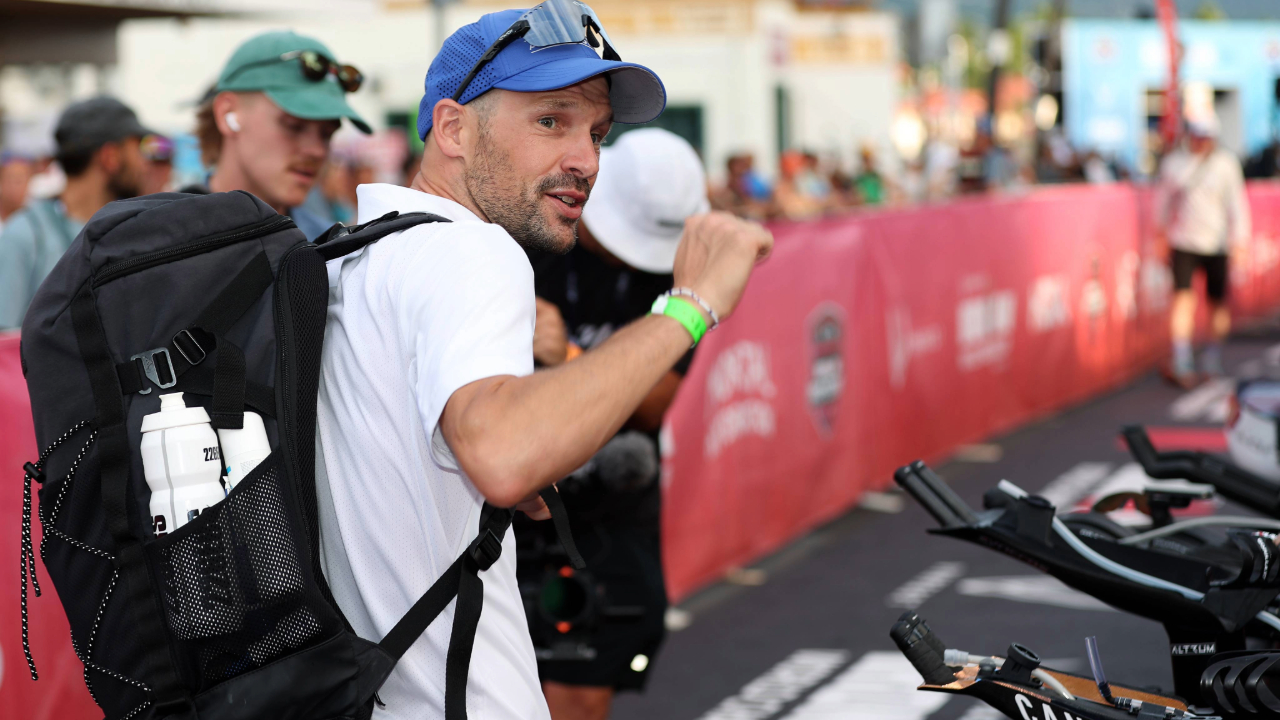


Glycogen is carbohydrate stored mainly in the muscles and liver. During a triathlon, your body breaks down glycogen to provide energy, particularly when exercise intensity increases. Those stores are limited. During longer races, relying on stored carbohydrate without taking in additional fuel can eventually make your planned intensity difficult to sustain. Triathletes often describe severe carbohydrate depletion as bonking or hitting the wall. The result is more than simply feeling hungry. Cycling power can fall, running pace may slow dramatically, perceived effort increases, and concentration can become more difficult.

You cannot completely prevent glycogen use because it is a normal part of endurance exercise. The practical goal is to begin appropriately fueled, pace the race sensibly, and consume carbohydrate during longer events so available carbohydrate does not become a major performance limitation.
In Short
- Glycogen is stored carbohydrate used for exercise.
- Muscle and liver glycogen stores are limited.
- Longer and harder exercise uses carbohydrate more quickly.
- Low glycogen can cause a major drop in cycling and running performance.
- Normal race pace may suddenly feel much harder.
- Concentration and decision making can deteriorate.
- Bike fueling is particularly important before the run.
- Training, pacing, fueling, and hydration should work together.
What Is Glycogen?
When you eat carbohydrate, some of it can be stored as glycogen in your muscles and liver. Muscle glycogen provides readily available fuel for working muscles. Liver glycogen helps maintain blood glucose. During exercise, your body uses a mixture of carbohydrate and fat for energy. The exact contribution changes with:
- Exercise intensity
- Duration
- Training status
- Other factors
As intensity rises, carbohydrate generally becomes increasingly important. That makes glycogen particularly valuable during racing, where triathletes often need to sustain considerably more power and pace than during relaxed training.
Why Glycogen Matters in Triathlon?
Triathlon creates an unusual fueling challenge because you must complete three disciplines consecutively. The swim already requires energy before you begin cycling. The bike then provides the longest opportunity to consume fuel in many triathlons, while the final run can expose mistakes made earlier. Longer races increase the importance of managing available carbohydrate. This is one reason how to fuel for a 2 hour cycling ride in a triathlon is useful even in training. Athletes need to practice consuming carbohydrate while moving rather than experimenting for the first time during competition.
What Does Running Out of Glycogen Feel Like?
Severe glycogen depletion can feel dramatic.
Common experiences include:
- Sudden loss of power.
- Heavy legs.
- Major pace reduction.
- Increased perceived effort.
- Difficulty concentrating.
- Strong hunger.
- Irritability.
- Feeling weak or empty.
Not every bad patch during a triathlon is caused by glycogen depletion.
- Dehydration
- Overheating
- Poor pacing
- Gastrointestinal problems
- Muscular fatigue
- Illness
- Inadequate preparation
can produce overlapping symptoms. Look at the whole situation rather than automatically calling every difficult period a bonk.
Cycling Power Can Fall
Glycogen depletion can become obvious on the bike when a power output that previously felt manageable becomes increasingly difficult to maintain. You may find yourself shifting into easier gears while speed drops. Trying to solve the problem by repeatedly pushing harder can accelerate fatigue. A strong aerobic foundation developed through how do you build an aerobic base for triathlon cycling helps you sustain longer efforts efficiently, but fitness does not remove the need for appropriate race fueling. Even well trained athletes have finite carbohydrate stores.
The Run Often Exposes Earlier Fueling Mistakes
A triathlete can feel reasonably good during the bike leg and then struggle soon after starting the run. The problem may have started much earlier. If you underfuel during the bike, you begin the run with less carbohydrate available for an activity that is already demanding after swimming and cycling. Strategies covered in how can you reduce fatigue during the triathlon run leg therefore need to consider what happened before transition, not just running fitness. The run is often where the consequences of poor pacing and fueling become most visible.
Perceived Effort Rises
One of the frustrating features of glycogen depletion is that slowing down does not necessarily make you feel immediately comfortable. A pace that was manageable earlier may suddenly feel disproportionately hard. You may still be able to continue because the body can use other energy sources, particularly fat, but the intensity you can sustain may fall substantially.

This is why “running out of glycogen” does not literally mean the body has no energy left. It means carbohydrate availability has become sufficiently limited that maintaining the desired race intensity becomes much harder.
Concentration Can Deteriorate
Fueling affects more than the legs. During severe carbohydrate depletion, some athletes experience difficulty concentrating, making decisions, or staying mentally engaged with the race.
You may still need to:
- Control the bike safely.
- Navigate corners.
- Follow the course.
- Manage equipment.
- Remember fueling.
- Respond to changing conditions.
If you feel severely weak, confused, dizzy, or otherwise unwell, prioritize safety rather than trying to preserve race pace. Not every serious symptom should be assumed to be a simple fueling problem.
Starting Too Hard Can Increase the Risk
Race intensity influences how quickly you use carbohydrate. A common mistake is starting at an unsustainable effort because you feel fresh. That can happen during the bike or run. The importance of why is your starting pace important for long distance running extends directly to triathlon. An aggressive early pace can consume energy quickly and create fatigue that becomes difficult to reverse later. A controlled start may feel conservative, but endurance racing rewards what you can sustain across the entire event.
Bike Pacing Affects Glycogen Use
Cycling too hard can create two problems. First, the higher effort can increase carbohydrate demand. Second, excessive bike intensity can leave your legs heavily fatigued before the run. That is why how can you bike smarter to improve your triathlon run involves more than simply achieving the fastest possible bike split. The bike needs to be paced as part of the entire race. The best bike effort is one that contributes to the fastest sustainable overall performance, including the run that follows.
Carbohydrate During Racing Provides Additional Fuel
For longer events, consuming carbohydrate during exercise provides an external source of fuel.
- Sports drinks
- Gels
- Chews
- Bars
- Other foods
can all be used depending on race duration and individual tolerance. There is no single food that every triathlete must use.
The priorities are to find options that:
- Provide suitable carbohydrate.
- Are practical to carry.
- Are easy to consume.
- Work with your hydration strategy.
- Are tolerated during race intensity.
Practice your plan during training.
Your gastrointestinal system also needs experience handling food and fluid while exercising.
Do Not Wait Until You Bonk to Start Fueling
Once severe depletion has developed, eating carbohydrate does not instantly restore performance. Carbohydrate must be consumed, digested, absorbed, and made available. A proactive strategy is therefore generally better than waiting until you feel empty. Create a fueling schedule appropriate for the race and practice it during training. The nutritional principles in what should cyclists eat for better training and recovery also matter between sessions because daily carbohydrate intake influences how well glycogen stores are restored before subsequent training.
Race day fueling starts with your overall preparation, not the first gel after the swim.
Hydration and Glycogen Are Different Problems
Dehydration and carbohydrate depletion can occur together, but they are not the same problem. Drinking plain water does not replace carbohydrate. Similarly, consuming carbohydrate does not automatically provide enough fluid. During long course racing, you need to consider both. The guidance in how to beat dehydration during an ironman triathlon is relevant because fluid requirements vary with conditions, sweat rate, intensity, and individual physiology.
Do not respond to every loss of performance by drinking more water. Excessive fluid consumption can also be dangerous.
Easy Training Still Has a Role
Not every session needs large amounts of carbohydrate during exercise, and not every workout should be performed at race intensity.
- Controlled aerobic training helps develop endurance and metabolic flexibility.
- Using what is zone 2 running in a triathlon can help athletes understand why easier training remains important.
- The goal is not to deliberately exhaust glycogen stores on every session.
- Training quality depends on matching nutrition and intensity to the purpose of the workout.
Tapering Can Help You Arrive Better Fueled
Race preparation is not the time to create unnecessary fatigue. Reducing training load before an important event can allow fatigue to decrease while athletes maintain appropriate nutrition and hydration. The principles behind how can you maintain fitness while tapering for an ironman help explain why the final days before a race should focus on arriving prepared rather than squeezing in extra exhausting sessions. You cannot gain major new endurance immediately before race day. You can, however, compromise your preparation by arriving excessively fatigued or poorly fueled.
Common Mistakes
- Starting the race too hard.
- Waiting until severe hunger appears before fueling.
- Underfueling the bike leg.
- Trying new foods on race day.
- Assuming water alone provides enough energy.
- Confusing every difficult period with glycogen depletion.
- Ignoring daily recovery nutrition.
- Failing to practice fueling during training.
- Trying to overcome a bonk by simply pushing harder.
Practical Tips
- Begin longer races appropriately fueled.
- Practice race nutrition during training.
- Start fueling before severe depletion develops.
- Use the bike leg as a major fueling opportunity.
- Pace the early race conservatively.
- Choose carbohydrate sources you tolerate.
- Plan hydration separately from carbohydrate needs.
- Refuel appropriately between demanding sessions.
- Adjust the plan for race duration and conditions.
Actionable Takeaways
When triathletes become severely depleted of glycogen, maintaining race intensity becomes much harder. Cycling power can decline, running pace may collapse, perceived effort rises, and concentration can deteriorate. The problem can be especially damaging during long-course racing because underfueling early may not become obvious until the run.
Remember that glycogen depletion is only one possible cause of a sudden performance decline. Heat, dehydration, excessive pacing, gastrointestinal problems, illness, and muscular fatigue can produce similar symptoms. Successful fueling is therefore part of a wider race strategy. Combine appropriate carbohydrate intake with sensible pacing, hydration, aerobic conditioning, and recovery so that energy availability supports your performance from the swim start to the finish line.