

Triathlon race day gear mistakes can affect performance, comfort, and safety across all three disciplines. Common problems include using unfamiliar equipment, forgetting essential items, making last minute bike adjustments, and organizing transition gear poorly. Unlike single sport events, triathlons require athletes to manage equipment for swimming, cycling, and running. A small mistake during preparation can create problems later in the race. Beginners are particularly vulnerable because they may not have practiced using all their equipment together. Even experienced triathletes can overlook simple details when preparing for an important event. The best approach is to test equipment during training, prepare a checklist, and organize everything before race morning. Reliable gear and familiar routines are generally more valuable than making unnecessary upgrades immediately before competition.
In Short
- Avoid using unfamiliar equipment on race day.
- Check your bike before arriving.
- Test wetsuits and goggles during training.
- Prepare transition gear in advance.
- Avoid changing nutrition products.
- Check race equipment regulations.
- Keep essential items organized.
- Practice transitions before racing.
Using New Equipment on Race Day
One of the most common mistakes is introducing new equipment immediately before a race. Unfamiliar gear can cause discomfort, poor fit, or unexpected problems.
Examples include:
- New running shoes.
- Untested wetsuits.
- Different cycling shoes.
- Unfamiliar helmets.
- New hydration systems.
- Recently purchased tri suits.
Understanding how to structure a triathlon race strategy from start to finish can help athletes recognize why equipment preparation belongs in their overall race plan. Test important items during training before relying on them in competition.
Choosing the Wrong Wetsuit
A poorly fitting wetsuit can restrict shoulder movement, affect breathing, and make swimming uncomfortable.
Common mistakes include:
- Choosing the wrong size.
- Wearing an untested wetsuit.
- Ignoring water temperature.
- Failing to practice removal.
- Using a wetsuit when regulations prohibit it.
Wetsuit rules depend on the event, athlete category, and water temperature. Understanding how to acclimate to cold water for open water swimming in winter can help triathletes prepare for challenging swimming conditions. Always check the race organizer’s wetsuit regulations before arriving.
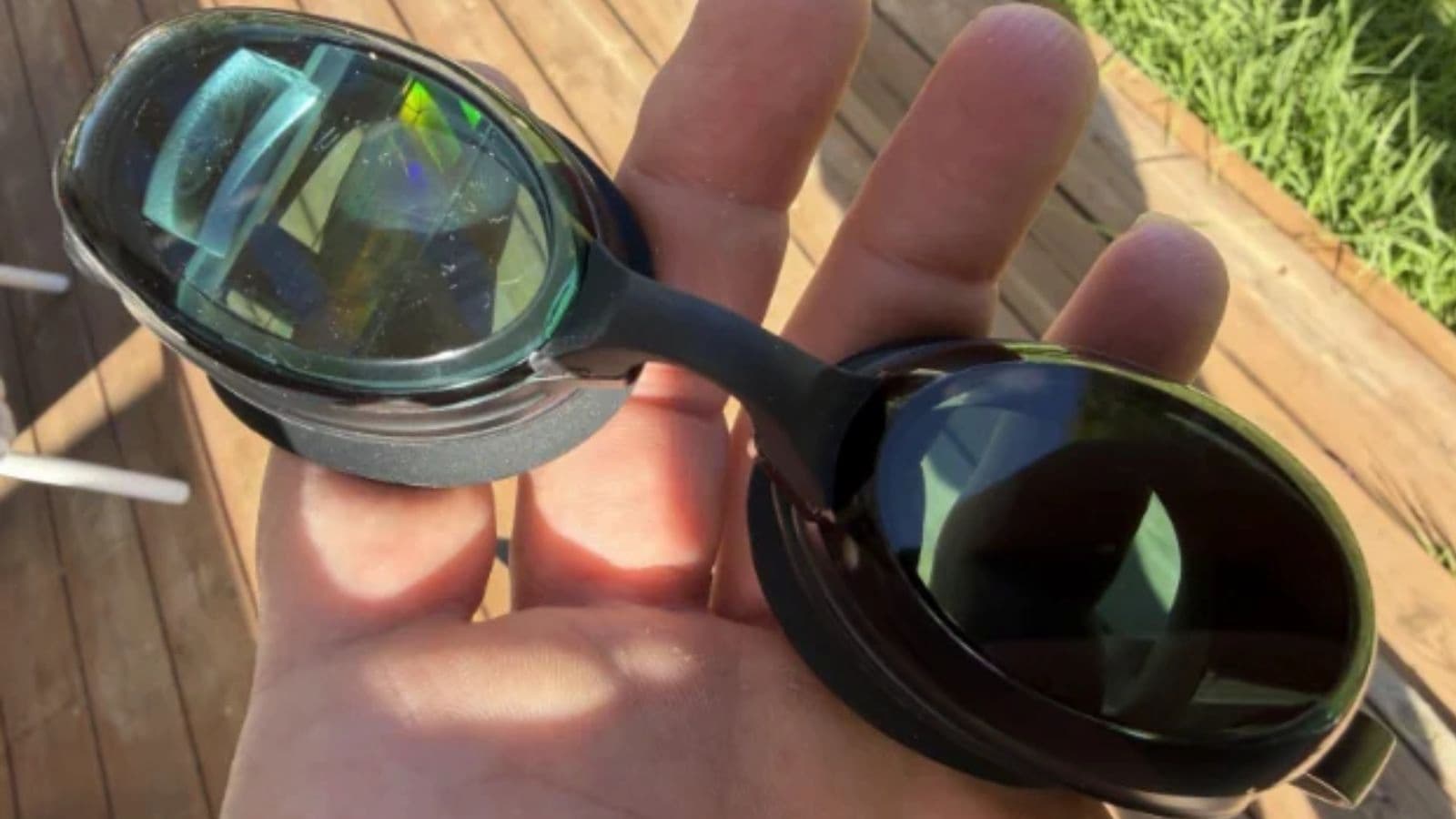
Forgetting to Check Goggles
Goggles may seem like a small piece of equipment, but poor visibility can disrupt swimming.
Potential problems include:
- Loose straps.
- Leaking seals.
- Fogging.
- Scratched lenses.
- Unsuitable lenses for lighting conditions.
Test goggles during training and consider bringing a familiar spare pair.
Avoid experimenting with a new model immediately before the swim start.
Ignoring Basic Bike Checks
Mechanical problems can turn a well prepared race into a frustrating experience.
Before race day, inspect:
- Tire condition and pressure.
- Brakes.
- Chain and drivetrain.
- Wheel security.
- Gears.
- Bottle cages.
- Pedals.
- Helmet condition.
Understanding what you should check on your bike before every ride can help athletes establish a reliable inspection routine. Complete major repairs well before race day and test the bike afterward.
Making Last Minute Bike Adjustments
Changing saddle height, handlebar position, or cleat alignment immediately before racing can create discomfort. Even small adjustments may affect pedaling mechanics and muscle recruitment.
Avoid:
- Changing saddle height without testing.
- Moving cleats before the race.
- Installing unfamiliar aerobars.
- Changing cycling shoes.
- Adjusting the cockpit without practice.
Understanding how to stop hand numbness and saddle discomfort on long rides can help athletes recognize why bike comfort matters. Make necessary adjustments during training and allow enough time to evaluate them.
Poor Transition Area Organization
A disorganized transition area can waste time and increase stress.
Common mistakes include:
- Forgetting running shoes.
- Misplacing the helmet.
- Leaving equipment scattered.
- Confusing bike rack locations.
- Forgetting race numbers.
- Blocking neighboring athletes.
A simple transition setup should keep essential items visible and accessible. Practice moving between swimming, cycling, and running equipment before race day. Understanding how to improve your run off the bike can help athletes prepare for the physical and practical demands of the second transition.
Choosing the Wrong Running Shoes
Running shoes should be comfortable and familiar. New shoes may cause blisters, pressure points, or unexpected discomfort.
Consider:
- Fit.
- Sock choice.
- Lacing.
- Comfort after cycling.
- Weather conditions.
- Race distance.
Practice running in your intended race shoes during training.
Avoid assuming expensive or lightweight shoes will automatically improve performance.
Forgetting Nutrition and Hydration Equipment
Triathletes often concentrate on their bike and shoes while overlooking fueling equipment.
Common mistakes include:
- Forgetting energy gels.
- Using unfamiliar drink mixes.
- Carrying insufficient fluids.
- Failing to secure bottles.
- Misplacing nutrition in transition.
- Ignoring aid station arrangements.
Understanding how to pace and fuel the bike leg in a triathlon can help athletes prepare a practical nutrition strategy. Check what the race provides and practice your planned fueling approach beforehand.
Using an Unfamiliar Helmet
A helmet must fit correctly and meet the event’s safety requirements.
Potential mistakes include:
- Incorrect strap adjustment.
- Poor fit.
- Using a damaged helmet.
- Forgetting the helmet.
- Failing to secure it before moving the bike.
A more aerodynamic helmet is not necessarily beneficial if it causes discomfort or restricts visibility.
Choose equipment you can use safely and comfortably.
Ignoring Weather Conditions
Weather can affect equipment choices across all three disciplines.
Prepare for:
- Rain.
- Strong winds.
- High temperatures.
- Cold water.
- Changing visibility.
- Unexpected temperature drops.
Understanding how can you prepare for extreme weather in a triathlon bike leg can help athletes select appropriate equipment. Check the forecast close to race day and follow official race instructions.
Overpacking Unnecessary Equipment
Bringing excessive equipment can make preparation more complicated. Focus on essential items rather than carrying multiple unfamiliar alternatives.
| Discipline | Essential equipment |
|---|---|
| Swim | Goggles, swim cap, suitable swimwear |
| Bike | Bike, helmet, cycling shoes if used |
| Run | Running shoes, race number if required |
| Nutrition | Familiar fuel and hydration |
| Transition | Necessary equipment arranged clearly |
Equipment requirements vary by event, so confirm the official rules.
Failing to Practice Race Equipment Together
Equipment that works individually may create problems when used during transitions. For example, a tri suit may feel comfortable while cycling but cause irritation during running.
Useful practice sessions include:
- Swimming in race clothing.
- Cycling with planned nutrition.
- Running after cycling.
- Practicing wetsuit removal.
- Rehearsing helmet and shoe changes.
Understanding what is a brick workout in triathlon can help athletes combine equipment preparation with transition training.
Common Mistakes
- Racing with new equipment.
- Skipping bike inspections.
- Ignoring wetsuit regulations.
- Forgetting essential items.
- Making last minute adjustments.
- Using unfamiliar nutrition.
- Disorganizing transition gear.
Practical Tips
- Prepare a race gear checklist.
- Test equipment during training.
- Inspect the bike before traveling.
- Pack familiar spare items.
- Check event regulations.
- Organize transition equipment.
- Review weather conditions.
- Prepare everything the night before.
Actionable Takeaways
- Use familiar race equipment.
- Check your bike thoroughly.
- Prepare transitions in advance.
- Test nutrition and clothing.
- Follow official equipment rules.