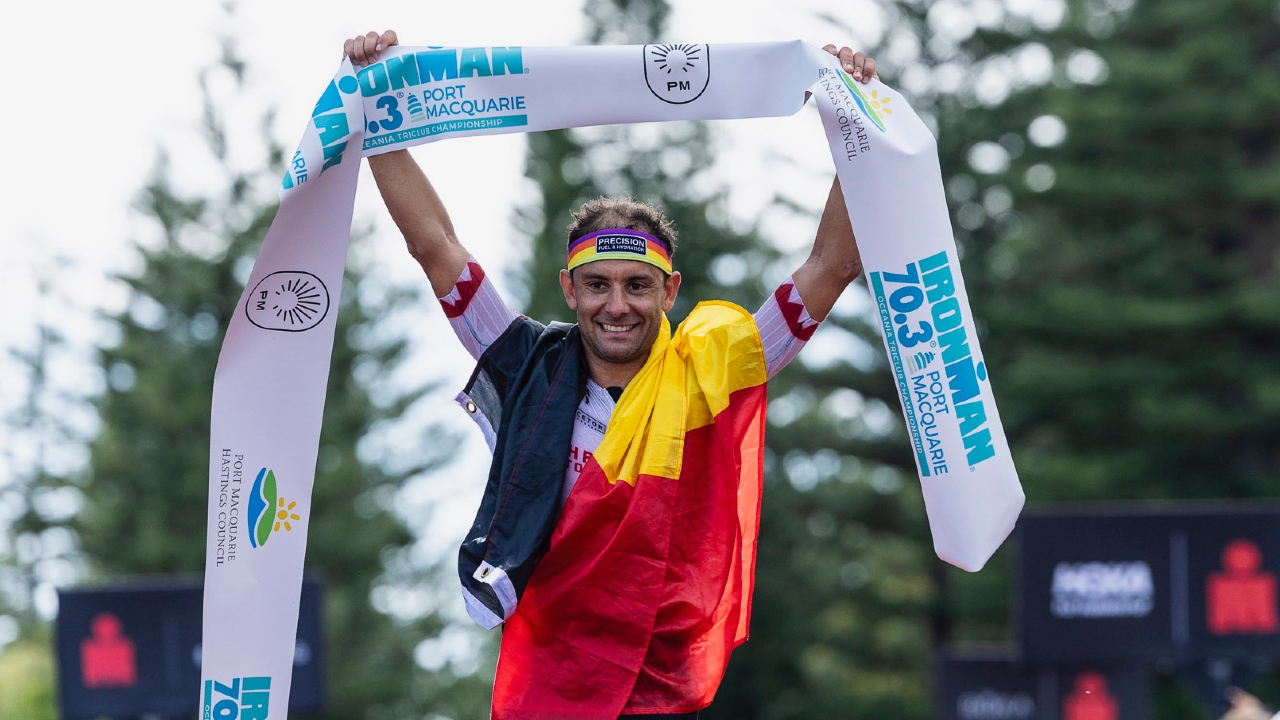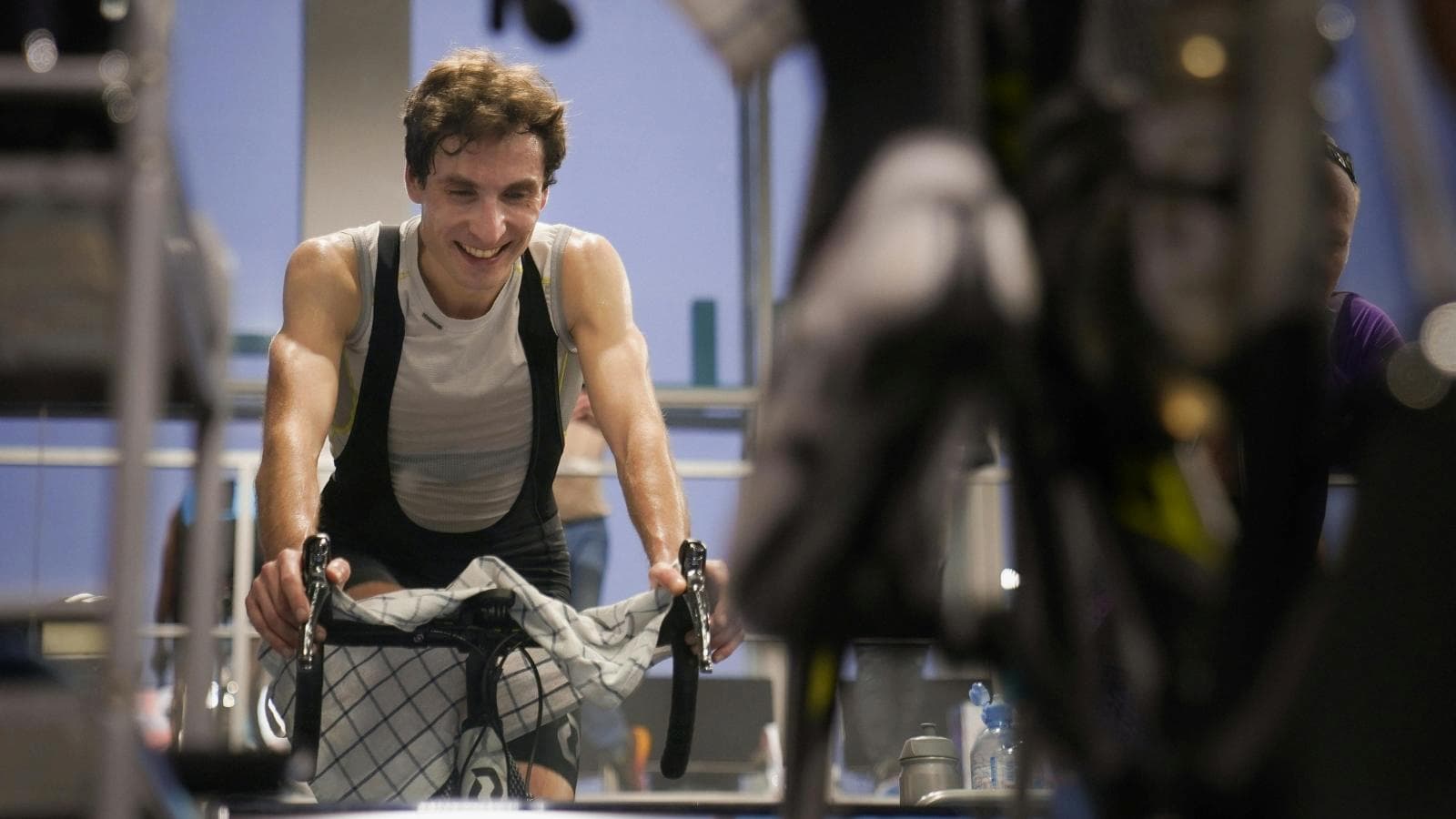


The workout that best prepares you for an Ironman is a long, race specific bike ride followed by a short, controlled run, commonly known as a brick workout. This session helps triathletes practice sustainable cycling effort, nutrition, hydration, and the transition from riding to running. An Ironman involves a 2.4 mile swim, 112 mile bike ride, and 26.2 mile marathon. Completing these distances consecutively requires strong aerobic endurance, effective pacing, and the ability to manage fatigue over many hours. Many athletes assume that the best preparation involves completing the full race distance during training. However, extremely long simulation sessions can create unnecessary fatigue, increase recovery demands, and interfere with consistent training. The most effective approach is to use carefully planned race specific workouts alongside regular swimming, cycling, running, and recovery. A long brick session is particularly valuable, but no single workout can replace the fitness developed through months of consistent preparation.
In Short
- Long bike-to-run brick sessions provide valuable Ironman preparation.
- Practice cycling at a sustainable race effort.
- Keep the transition run controlled.
- Rehearse fueling and hydration.
- Develop endurance through regular aerobic training.
- Avoid completing full Ironman simulations unnecessarily.
- Increase workout duration gradually.
- Include separate long runs and swims.
- Prioritize recovery after demanding sessions.
Why Brick Workouts Are Important for Ironman Training?
A brick workout combines two disciplines in one training session, usually cycling followed immediately by running. This helps athletes experience the physical demands of transitioning between activities. After several hours of cycling, running can initially feel uncomfortable because the body must adjust to a different movement pattern.
Brick workouts allow triathletes to practice:
- Running after sustained cycling.
- Controlling early run pace.
- Managing accumulated fatigue.
- Transitioning between disciplines.
- Practicing race nutrition.
- Maintaining technique when tired.
Understanding what is a brick workout in triathlon can help beginners recognize how these sessions fit into an Ironman training plan.
Brick workouts do not need to be extremely long to provide useful adaptation.
The Best Race Specific Ironman Workout
For an experienced athlete with an established endurance base, a long bike ride followed by a short run is one of the most useful race-specific sessions.
Example Ironman Brick Workout
| Segment | Duration | Intensity |
|---|---|---|
| Bike warm-up | 15–20 minutes | Easy |
| Main bike ride | 3–4 hours | Comfortable Ironman-specific effort |
| Final bike section | 20–30 minutes | Controlled race effort |
| Transition | 5–10 minutes | Practice changing equipment |
| Brick run | 20–40 minutes | Easy to planned Ironman run effort |
| Recovery | After training | Fluids, food, and rest |
Total training time is approximately four to six hours, depending on the athlete. This is an example for appropriately prepared athletes, not a starting workout for beginners. Athletes should adjust the duration according to their current fitness, training history, and race preparation. Understanding how to train for an ironman triathlon (step-by-step guide) can help athletes build the endurance required before attempting longer race specific sessions.
Focus on Sustainable Bike Pacing
The cycling portion of an Ironman has a major influence on how well an athlete runs afterward. Riding too aggressively can increase fatigue and make maintaining marathon pace significantly harder.
During a race specific brick session, practice:
- Starting conservatively.
- Maintaining steady effort.
- Avoiding unnecessary power spikes.
- Using appropriate gearing.
- Controlling effort on climbs.
- Monitoring breathing and fatigue.
Understanding how to pace and fuel the bike leg in a triathlon can help athletes develop a sustainable strategy for long distance racing. Athletes using power meters can practice their planned race intensity, while others can use heart rate and perceived exertion. The goal is to finish the bike segment with enough energy to run effectively.
Practice Running on Tired Legs
The transition run is an important part of Ironman preparation. However, the purpose is not to complete a hard running workout immediately after several hours of cycling. Instead, focus on adapting to the change in movement while maintaining controlled effort.
Useful technique cues include:
- Begin slower than your intended race pace.
- Maintain relaxed shoulders.
- Avoid forcing an excessively long stride.
- Allow breathing to settle.
- Focus on comfortable running rhythm.
- Increase effort only when appropriate.
Understanding how to avoid dead legs after the bike can help triathletes manage the initial discomfort of running after cycling. For many athletes, a 15 – 30 minute transition run is sufficient to practice this skill. Longer brick runs may be appropriate in specific training plans, but they are not automatically more beneficial.
Rehearse Ironman Fueling
Nutrition is one of the most important parts of a long Ironman specific workout. Athletes need to consume enough carbohydrate and fluid to support prolonged exercise while avoiding gastrointestinal problems.
During the bike session, practice:
- Eating at regular intervals.
- Drinking according to conditions and individual needs.
- Using familiar sports nutrition products.
- Monitoring stomach comfort.
- Carrying food in accessible locations.
- Adjusting intake when intensity changes.
Many trained endurance athletes target approximately 60–90 grams of carbohydrate per hour during prolonged exercise, although some require less and others can tolerate more with practice. Understanding how to fuel for an ironman triathlon can help athletes establish a practical race nutrition strategy. Do not introduce unfamiliar gels, drinks, or supplements during an important simulation workout.
Practice Hydration and Electrolyte Intake
Ironman racing often involves several hours of sweating, particularly in warm conditions. However, fluid requirements vary substantially between athletes.
Important factors include:
- Sweat rate.
- Temperature and humidity.
- Exercise intensity.
- Individual sodium losses.
- Race duration.
- Gastrointestinal tolerance.
Understanding how to beat dehydration during an ironman triathlon can help athletes prepare for challenging race conditions. Avoid drinking excessive amounts simply to replace every drop of sweat, as overhydration can cause dangerous reductions in blood sodium. Practice a realistic drinking strategy during long training sessions rather than relying on a fixed amount for every athlete.
Include Long Endurance Rides
Although brick workouts are useful, regular long cycling sessions remain essential for Ironman preparation. The 112 mile bike leg requires sustained aerobic fitness and the ability to remain comfortable on the bicycle for several hours.
Useful endurance sessions include:
- Steady aerobic rides.
- Longer weekend rides.
- Rolling terrain workouts.
- Race-position practice.
- Controlled sustained efforts.
- Nutrition rehearsal.
Understanding which cycling workouts help you ride faster in an ironman can help athletes select sessions that develop endurance and sustainable cycling power. Long rides should progress gradually and remain appropriate for the athlete’s training experience.
Do Not Neglect Long Runs
A long brick workout cannot replace dedicated running preparation. The Ironman marathon requires muscular endurance, running economy, and the ability to maintain movement despite accumulated fatigue. Separate long runs allow athletes to develop running endurance without always beginning in a fatigued state.
Useful running sessions include:
- Easy aerobic runs.
- Gradually longer endurance runs.
- Controlled race effort segments.
- Short recovery runs.
- Occasional brick runs.
Understanding how to run longer distances without burning out can help athletes increase endurance without unnecessary training stress. Most athletes do not need to complete a full marathon during Ironman training. Very long runs create substantial recovery demands and may increase injury risk without providing proportionate additional benefits.
Maintain Swim Endurance
Swimming is sometimes overlooked when athletes focus heavily on long bike rides and running. However, poor swim pacing can create unnecessary fatigue before the cycling leg even begins.
Important swim sessions include:
- Comfortable endurance swimming.
- Longer continuous efforts.
- Open water practice.
- Sighting drills.
- Controlled race-pace intervals.
- Swimming in race equipment.
Understanding how can you improve your swim stamina for a triathlon can help athletes build the endurance required for the opening discipline.
Swimming efficiently and maintaining a controlled effort can help conserve energy for the rest of the race.
How Often Should You Complete Long Brick Workouts?
Long brick workouts should be used selectively because they can create substantial training fatigue. Many athletes include shorter bricks regularly and longer race-specific sessions during the later stages of preparation.
A practical approach may involve:
- Short bricks during general training.
- Longer bike-to-run sessions during race-specific preparation.
- Recovery between demanding endurance workouts.
- Reduced workload during tapering.
The frequency depends on training experience, weekly volume, and recovery capacity.
Completing a long brick every weekend is not necessary for every athlete.
Build Toward the Workout Gradually
Athletes should progress toward longer Ironman specific sessions rather than attempting them immediately.
An example progression might look like this:
| Training stage | Bike duration | Transition run |
|---|---|---|
| Early preparation | 90 minutes | 10 minutes |
| Endurance development | 2–3 hours | 15–20 minutes |
| Race-specific preparation | 3–4 hours | 20–30 minutes |
| Advanced race preparation | 4–5 hours | 20–40 minutes |
These are illustrative sessions rather than a mandatory progression. The appropriate starting point depends on existing endurance and training history. Longer sessions should not be introduced when an athlete is already struggling with recovery.
Recovery After a Long Ironman Workout
A demanding brick session places stress on several muscle groups and energy systems. Recovery should begin with adequate nutrition, hydration, and rest.
Useful recovery habits include:
- Eating carbohydrate and protein after training.
- Replacing fluids appropriately.
- Changing into dry clothing.
- Prioritizing sleep.
- Avoiding unnecessary hard workouts the following day.
- Monitoring persistent soreness and fatigue.
Understanding how to prevent burnout while training for an ironman can help athletes balance demanding sessions with sustainable recovery.
If fatigue remains unusually high for several days, reduce training demands rather than forcing the next planned workout.
Common Mistakes
- Attempting full Ironman simulations too often.
- Riding too hard before the brick run.
- Starting the transition run too quickly.
- Neglecting nutrition practice.
- Increasing workout duration excessively.
- Ignoring separate long runs.
- Skipping recovery after demanding sessions.
- Treating every brick as a race.
Practical Tips
- Build endurance before attempting long bricks.
- Practice planned Ironman bike effort.
- Keep transition runs controlled.
- Test race nutrition regularly.
- Use familiar equipment.
- Monitor hydration and fatigue.
- Allow sufficient recovery.
- Prioritize consistency over extreme workouts.
Actionable Takeaways
- Use long bike-to-run bricks for race-specific preparation.
- Practice sustainable pacing and fueling.
- Keep transition runs manageable.
- Maintain separate swim, bike, and run endurance sessions.
- Recover properly between demanding workouts.