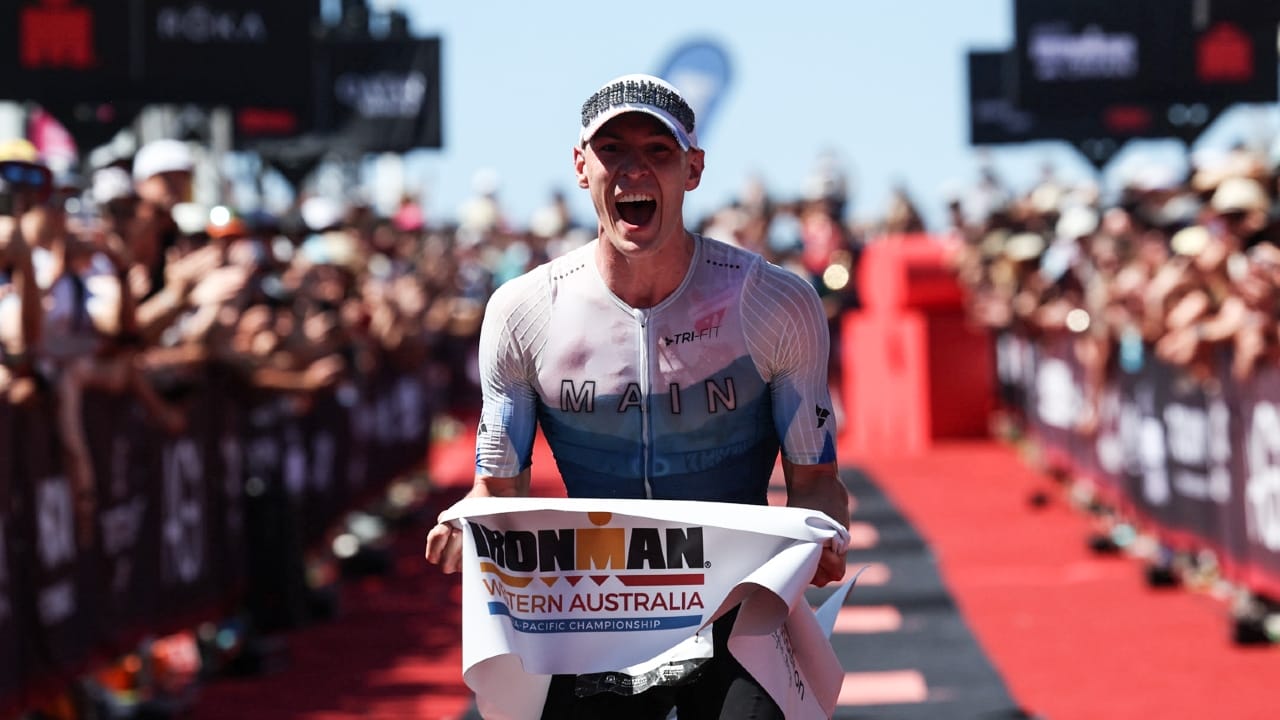


Power and efficiency are important in triathlon because they influence how effectively athletes produce and use energy across swimming, cycling, and running. Power helps generate the force needed to move forward, while efficiency determines how much energy is required to maintain a particular speed or effort. Triathlon is different from single sport endurance events because athletes must distribute their energy across three disciplines. Producing too much power during the swim or bike leg can increase fatigue and reduce performance later in the race. Many beginners assume that becoming faster simply means training harder or producing more power. However, improving movement efficiency can also help athletes maintain speed while reducing unnecessary energy expenditure. The most effective triathletes combine sustainable power production with efficient technique, controlled pacing, and appropriate fueling. Developing these qualities together helps athletes perform consistently throughout the race rather than relying on short bursts of intensity.
In Short
- Power determines how much work an athlete can produce.
- Efficiency influences the energy required to maintain speed.
- Both qualities contribute to endurance performance.
- Swimming efficiency reduces unnecessary drag.
- Cycling power helps control training intensity.
- Running economy influences energy expenditure.
- Poor pacing can reduce efficiency later in a race.
- Balanced training improves sustainable performance.
Understanding Power in Triathlon
Power describes the rate at which work is performed. In cycling, power is commonly measured in watts using a power meter. It provides a direct measurement of mechanical output and helps athletes understand how much work they are producing. In swimming and running, power is more difficult to measure directly. Coaches often use pace, speed, stroke characteristics, heart rate, and perceived effort to evaluate performance. Power matters because triathletes need sufficient physical capacity to maintain movement against resistance.
Examples include:
- Overcoming water resistance while swimming.
- Producing force through the pedals.
- Generating forward movement while running.
- Maintaining effort during hills or changing conditions.
Understanding what matters more in triathlon: fitness or technique helps explain why physical capacity and movement quality must work together.
Greater power is useful only when an athlete can sustain it appropriately for the race distance.
Understanding Efficiency in Triathlon
Efficiency describes how effectively an athlete converts energy into useful movement. An efficient triathlete can often maintain a given speed with less energy expenditure than a less efficient athlete under comparable conditions.
Efficiency is influenced by several factors:
- Movement technique.
- Aerobic fitness.
- Muscular coordination.
- Body position.
- Equipment setup.
- Pacing decisions.
- Fatigue resistance.
Understanding how to become an efficient triathlete can help athletes identify opportunities to improve performance without simply increasing training intensity. Efficiency does not mean using the least effort possible. It means using energy effectively to achieve the required performance.
Power and Efficiency in Swimming
Swimming performance depends heavily on technique because water creates substantial resistance. A swimmer may generate considerable force but move relatively slowly if poor body positioning or inefficient strokes increase drag.
Important factors include:
- Streamlined body position.
- Effective arm catch.
- Controlled breathing.
- Balanced rotation.
- Consistent stroke rhythm.
- Reduced unnecessary movement.
Understanding how do triathletes improve freestyle efficiency in open water can help swimmers develop technique that supports sustainable speed.
Improving Swimming Power
Swimming power can be developed through appropriate resistance training, controlled faster swimming, and progressive swim workouts.
However, simply pulling harder does not always produce better results.
Improving Swimming Efficiency
Useful approaches include:
- Practicing body alignment.
- Improving stroke timing.
- Maintaining a controlled kick.
- Developing an effective catch.
- Reducing unnecessary head movement.
Efficient swimming can help triathletes reach the first transition with less accumulated fatigue.
Power and Efficiency in Cycling
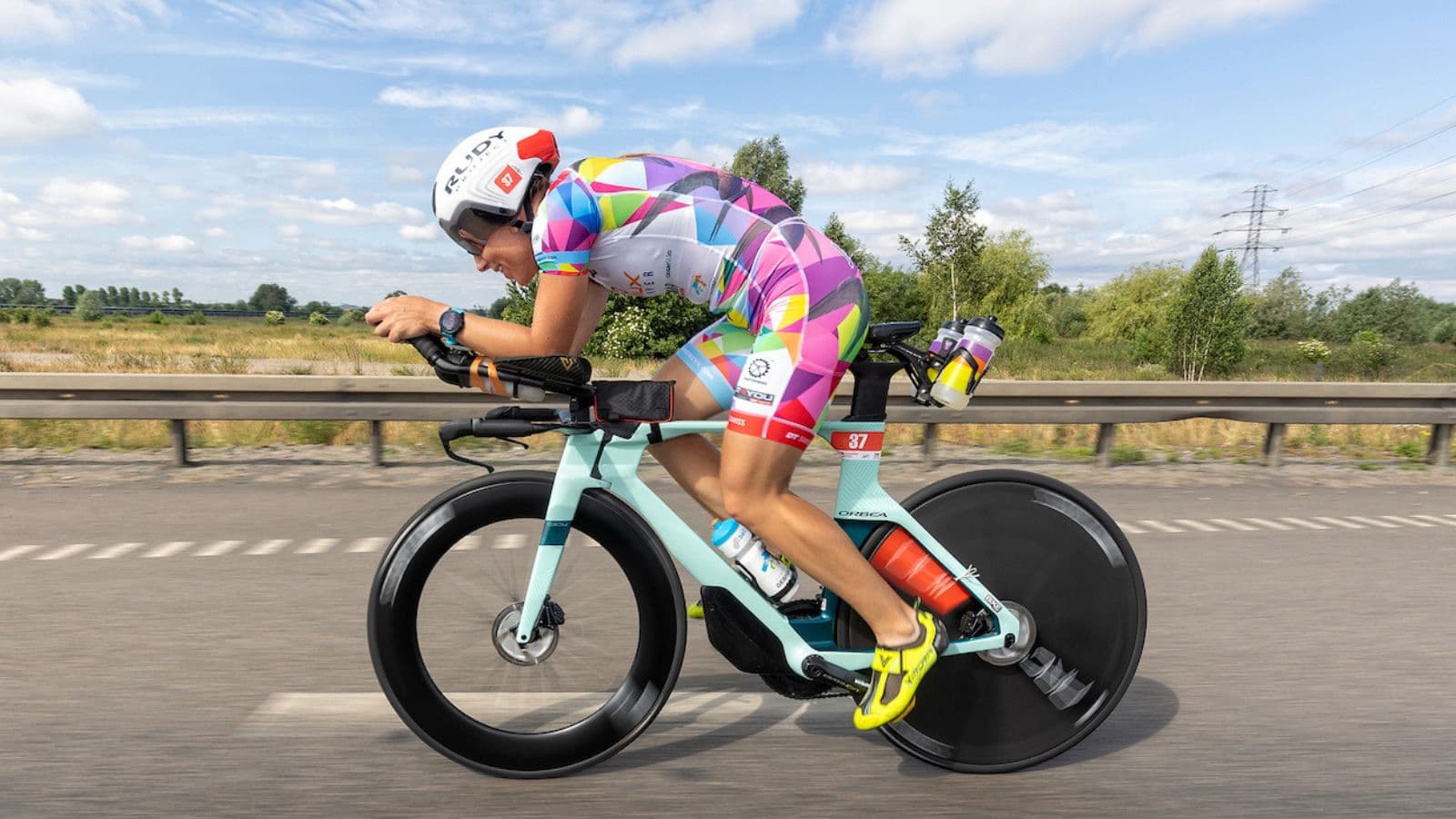
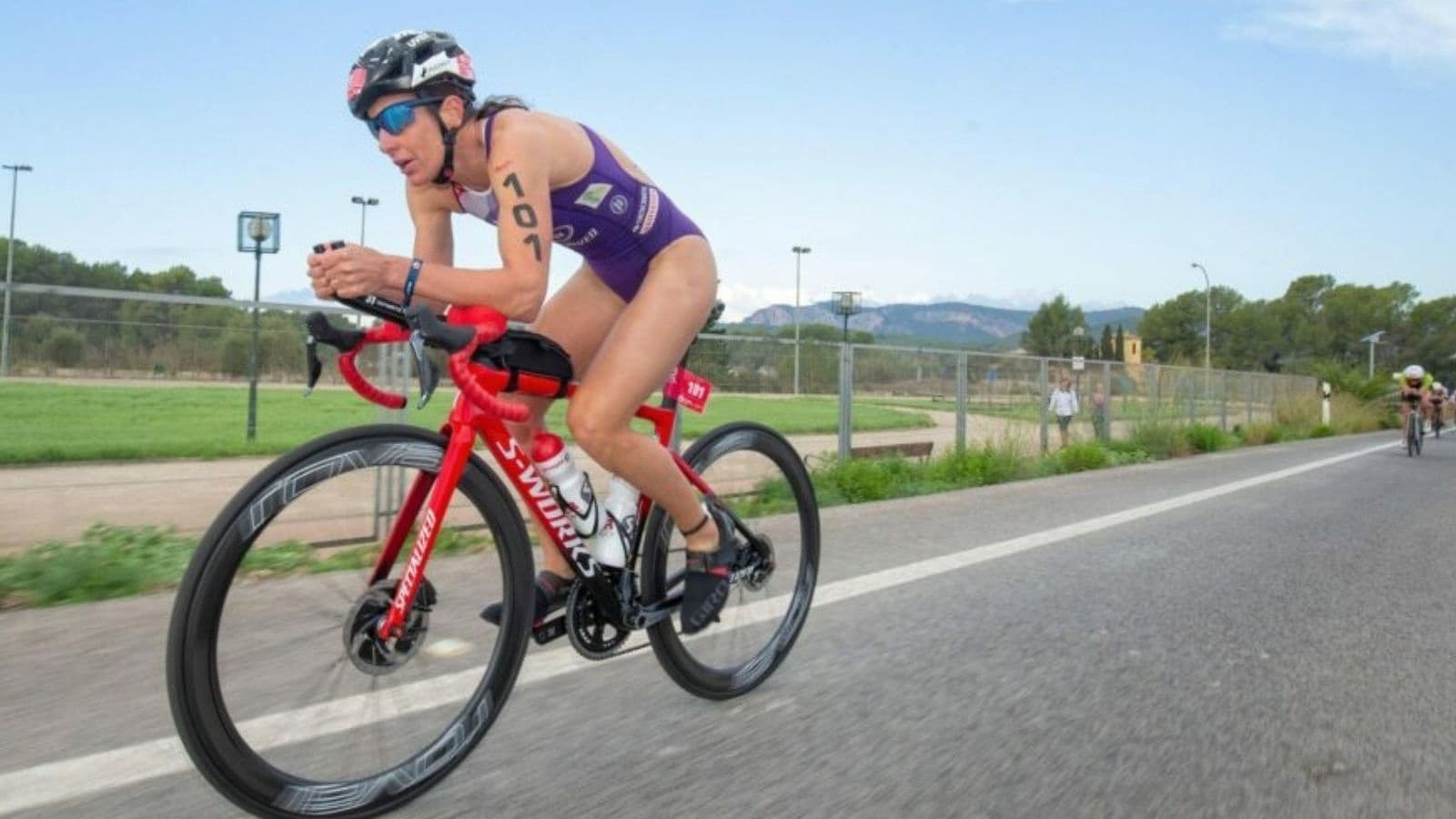
Cycling offers one of the clearest ways to measure power during triathlon training. A power meter provides real time feedback in watts, allowing athletes to monitor their effort independently of changes in speed caused by wind or hills. For example, two cyclists may produce the same power but travel at different speeds because of differences in aerodynamics, equipment, terrain, or riding position. Understanding what is ftp in triathlon can help athletes estimate their sustainable cycling power and organize training intensity.
Developing Cycling Power
Common training methods include:
- Aerobic endurance rides.
- Tempo intervals.
- Threshold workouts.
- Short controlled high intensity efforts.
- Progressive resistance training.
Power development should match the athlete’s experience and race distance.
Improving Cycling Efficiency
Cycling efficiency involves more than pedaling technique.
Important factors include:
- Maintaining an appropriate riding position.
- Using suitable gearing.
- Avoiding unnecessary acceleration.
- Managing cadence.
- Reducing aerodynamic drag.
- Pacing climbs consistently.
Understanding how to develop a smoother pedal stroke in triathlon cycling can help athletes improve coordination and reduce unnecessary movement. However, trying to force a perfectly circular pedal stroke does not necessarily improve mechanical efficiency.
Power and Efficiency in Running
Running performance depends on the interaction between aerobic fitness, muscular strength, and running economy. Running economy refers to the energy required to maintain a particular running speed. A runner with better economy may use less oxygen at the same submaximal pace, allowing them to maintain that speed with less physiological demand.
Important influences include:
- Running technique.
- Strength and stiffness characteristics.
- Training experience.
- Stride coordination.
- Footwear.
- Fatigue resistance.
Understanding how to become an efficient triathlon runner can help athletes develop a comfortable and sustainable running style.
Improving Running Power
Running requires the legs to produce force repeatedly while supporting body weight. Strength training, hill running, and carefully progressed faster workouts can support force production and running performance.
Improving Running Economy
Useful approaches include:
- Consistent easy running.
- Gradual mileage progression.
- Strength training.
- Short relaxed strides.
- Appropriate recovery.
- Avoiding unnecessary muscular tension.
Running economy develops gradually through consistent training.
Why Power Without Efficiency Can Limit Performance?
Producing more power does not automatically result in better race performance. An athlete may generate high cycling power but lose time because of poor aerodynamics or inefficient pacing. Similarly, a swimmer may increase stroke force without improving speed because excessive movement increases drag.
Common examples include:
- Swimming harder without maintaining technique.
- Cycling aggressively into strong winds.
- Accelerating repeatedly on rolling terrain.
- Running with unnecessary upper body tension.
- Starting the race above a sustainable intensity.
The goal is to produce enough power to maintain speed while minimizing avoidable energy losses.
Why Efficiency Without Sufficient Power Is Also Limited?
Efficiency alone cannot replace the physical capacity required for endurance racing. A technically skilled athlete may still struggle to maintain speed if their aerobic fitness and muscular endurance are insufficient.
For example:
- Efficient swimmers still need endurance to maintain stroke quality.
- Aerodynamic cyclists need enough sustainable power.
- Economical runners need the fitness to maintain race pace.
Understanding how can you reduce fatigue during the triathlon run leg can help athletes recognize how overall endurance affects performance after cycling. The best approach is to improve fitness and efficiency together.
Managing Power Across Triathlon Distances
Different triathlon distances require different pacing strategies. Shorter races generally allow higher relative intensities, while longer events require greater emphasis on sustainable effort and energy conservation.
| Race distance | Main priority |
|---|---|
| Sprint | Controlled high intensity and efficient transitions |
| Olympic | Sustainable power and consistent pacing |
| 70.3 | Aerobic endurance and energy management |
| Ironman | Conservative pacing, fueling, and fatigue resistance |
Understanding how to pace a triathlon properly can help athletes distribute effort across the three disciplines. An overly aggressive bike leg may produce a faster cycling split but compromise the run.
Training Methods to Improve Power and Efficiency
A balanced training program should include sessions that develop physical capacity alongside technique.
Aerobic Endurance Training
Easy and moderate intensity sessions help build the aerobic foundation required for sustained performance. These workouts support endurance adaptations without the recovery demands of frequent hard training.
Structured Interval Training
Intervals can help athletes improve their ability to sustain higher intensities.
Examples include:
- Cycling threshold intervals.
- Controlled swim repetitions.
- Running tempo sessions.
- Short hill efforts.
Strength Training
Strength exercises can support muscular capacity and movement control.
Useful movements include:
- Squats.
- Lunges.
- Step-ups.
- Calf raises.
- Deadlifts.
- Core stability exercises.
Technique Practice
Technique work should focus on specific areas where improvement is likely to be useful.
Examples include:
- Swim stroke timing.
- Cycling position.
- Running posture.
- Controlled transitions.
Understanding what small training changes can improve triathlon performance can help athletes make manageable improvements without unnecessarily increasing training volume.
Measuring Improvements in Power and Efficiency
Progress should be evaluated using consistent measurements rather than relying on speed alone.
Useful indicators include:
- Cycling power at a similar heart rate.
- Running pace at a comparable effort.
- Swim pace with consistent technique.
- Reduced perceived effort.
- Improved endurance during longer sessions.
- More consistent performance after cycling.
External conditions such as temperature, wind, terrain, and fatigue can influence these measurements.
Compare similar sessions over time rather than judging progress from one workout.
Common Mistakes
- Prioritizing power over technique.
- Training hard too frequently.
- Ignoring aerobic endurance.
- Overlooking cycling aerodynamics.
- Forcing unnatural running mechanics.
- Neglecting strength training.
- Pacing the bike too aggressively.
- Expecting immediate improvements.
Practical Tips
- Build aerobic fitness consistently.
- Practice technique regularly.
- Use power data appropriately.
- Improve cycling position.
- Develop sustainable running strength.
- Keep hard sessions controlled.
- Monitor fatigue and recovery.
- Evaluate progress over time.
Actionable Takeaways
- Develop power and efficiency together.
- Focus on sustainable race intensity.
- Reduce unnecessary energy losses.
- Improve technique across all three disciplines.
- Use consistent training to build endurance.